Best Bait for Speckled Trout
There's nothing quite like the thrill of feeling that distinctive tug on your line, the head shake, and the subsequent drag-screaming run that signals a feisty speckled trout has taken your bait. But let's be honest, getting to that point can sometimes feel like a puzzle. Anglers often struggle with the sheer variety of baits and lures available, wondering which one will truly entice those elusive "specks" on any given day along the Mississippi Gulf Coast. This comprehensive guide is here to unravel that mystery, providing you with a deep dive into the best bait options for speckled trout, explaining why they work, and how to present them for maximum success in Mississippi waters.
Understanding Speckled Trout Behavior and Diet
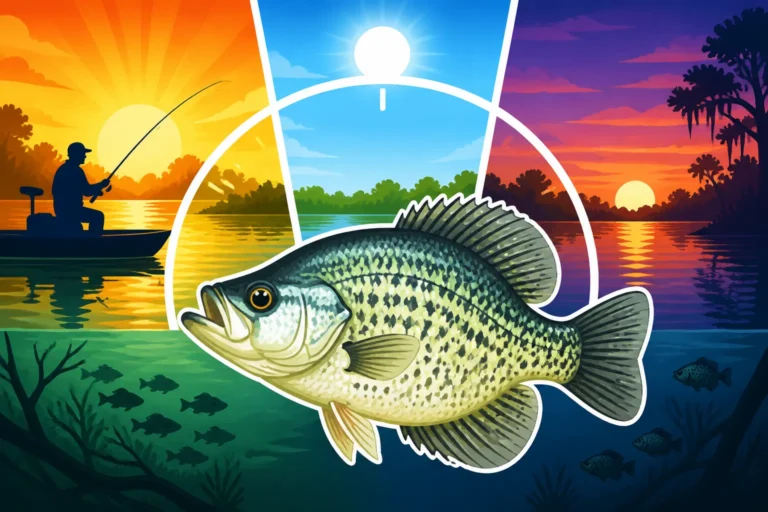
Before you can pick out the perfect bait, it’s incredibly helpful to understand what makes a speckled trout tick. These predatory fish, also known as spotted seatrout, are ambush predators with keen eyesight and an aggressive streak, especially when they're hungry. They primarily hunt by sight, but they also use their lateral line to detect vibrations in the water, making both visual appeal and movement crucial for your bait selection.
What Speckled Trout Naturally Eat
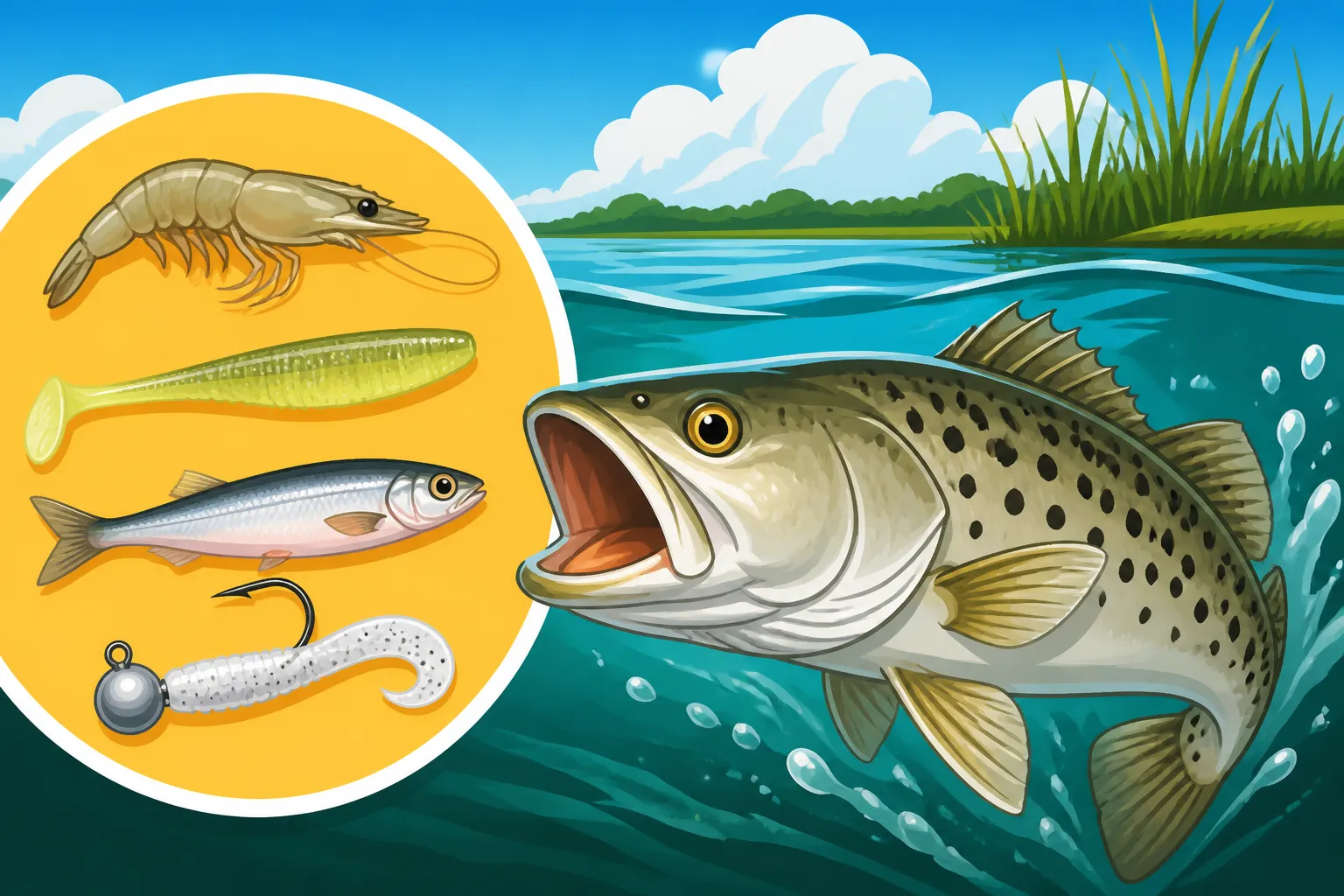
Speckled trout are opportunistic feeders, and their diet largely depends on what's abundant in their environment. Along the Mississippi Sound, their menu consists mainly of smaller baitfish and crustaceans. Think of things like live shrimp, which are a cornerstone of their diet year-round. They also feast on small finfish such as pilchards, menhaden, finger mullet, and even juvenile croakers. Crabs, especially small ones like fiddler crabs or juvenile blue crabs, are also on their hit list. Knowing this natural diet is your biggest advantage when choosing what to throw at them, as the goal is always to "match the hatch" as closely as possible. For a deeper dive into their natural food sources, you might want to check out our article on Speckled Trout Diet and Feeding Habits.
How Water Conditions Affect Bait Choice
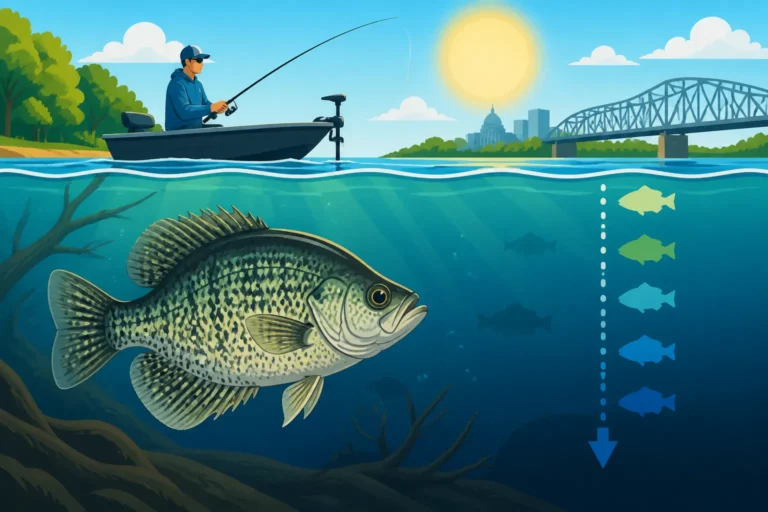
The conditions of the water you're fishing in play a huge role in how speckled trout hunt and, consequently, what bait will work best. In clear water, trout rely heavily on their eyesight, making natural-looking baits and subtle presentations paramount. You'll want baits that mimic the appearance and movement of their natural prey almost perfectly. On the flip side, in murky or stained water, visual cues are diminished. Here, baits that create strong vibrations, have a loud rattling sound, or boast high-contrast colors become far more effective. The trout will be relying more on their lateral line to detect prey, so a bait that really "thumps" in the water can make all the difference. Temperature also has a say; colder water often means slower-moving trout, requiring slower retrieves and smaller baits, while warmer water can mean more aggressive fish ready to chase down a fast-moving lure.
Top Live Baits for Speckled Trout in Mississippi
When it comes to speckled trout fishing, many seasoned anglers will tell you that nothing quite beats live bait. There's an undeniable allure to the natural movement and scent that live offerings provide, often triggering strikes when artificials fall short. Along the Mississippi Gulf Coast, several live bait options stand out as perennial favorites, proving their worth time and time again.
Live Shrimp: The Unbeatable Classic
If there's one bait that's universally loved by speckled trout, it's the live shrimp. It's a staple in their diet, widely available, and incredibly effective. The natural scent, subtle movements, and irresistible profile of a live shrimp are often too much for a hungry speck to ignore. You can purchase live shrimp at most bait shops along the coast, like those found in Biloxi or Gulfport. The key to fishing live shrimp successfully is proper rigging and presentation.
Typically, you'll want to hook the shrimp either through the horn on its head or just under the hard shell on its back. Avoid piercing the black spot on its head, as this is its brain, and you want to keep it lively! The most popular setup for live shrimp is under a popping cork. This allows the shrimp to suspend at a specific depth while the popping cork creates an enticing "chug" and splash that mimics feeding activity or distressed baitfish, drawing trout in. Our guide on How to Fish Live Shrimp Under a Popping Cork offers even more detailed tips on this technique. Remember, fresh, lively shrimp are crucial; if they're sluggish, they're less likely to attract a bite. Keep them well-aerated in a livewell or a bucket with a good aerator.
Live Minnows and Finger Mullet
While shrimp often get all the glory, don't underestimate the effectiveness of live minnows or small finger mullet. These baitfish are also a natural food source for speckled trout, especially larger ones looking for a more substantial meal. Small pilchards, known locally as "sardines," or menhaden ("pogies") are also excellent choices when available. The natural flash and swimming action of these baitfish can be incredibly enticing.
When using live minnows or finger mullet, you generally want to hook them lightly through the lips or just behind the dorsal fin. This allows them to swim naturally and entice nearby trout. These can be fished effectively under a popping cork, just like shrimp, or free-lined with a small split shot weight in areas with current or when targeting deeper-holding fish. Many anglers find success slow-trolling these baits or casting them into current seams and letting them drift naturally. Finding quality live baitfish can sometimes be more challenging than finding shrimp, often requiring you to cast net them yourself, but the effort can certainly pay off, particularly for those trophy-sized trout.
Other Natural Bait Options
Beyond shrimp and common baitfish, there are a few other natural options that can be surprisingly effective for speckled trout, especially when conditions are right. Small crabs, particularly fiddler crabs or juvenile blue crabs, are part of a trout's diet. While not as commonly used as shrimp or minnows, if you're fishing around oyster beds or marsh edges where crabs are abundant, presenting a small, live crab can be a game-changer. You'd typically rig these with a small hook through the point of their shell, allowing them to scuttle naturally along the bottom or suspended under a cork. Another lesser-known but effective bait is a live croaker. Small croakers, which have a distinctive "croaking" sound, are a favorite meal for larger speckled trout. They can be very effective when fished alive on a Carolina rig or under a heavy popping cork. Just be mindful of local regulations on using game fish as bait. The key with all live bait is to ensure it remains as lively and natural-looking as possible to maximize its appeal to a hungry speckled trout.
Effective Artificial Lures for Speckled Trout
While live bait holds a special place, artificial lures offer incredible versatility, can be fished faster, and often allow you to cover more water efficiently. Plus, there’s a certain satisfaction that comes from fooling a fish with something you’ve chosen and worked yourself. The artificial lure market is vast, but a few categories consistently shine when targeting speckled trout in Mississippi.
Soft Plastic Jigs and Grubs
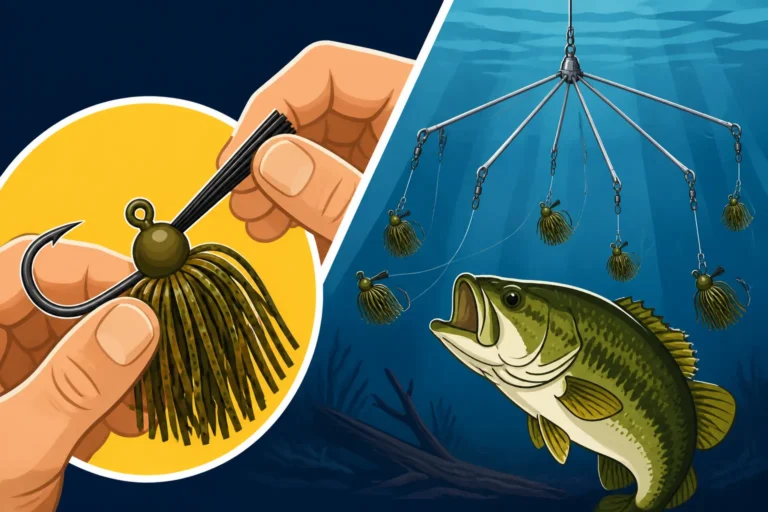
Soft plastics are arguably the most popular and versatile artificial lures for speckled trout, and for good reason. They come in an endless array of shapes, sizes, and colors, allowing you to imitate virtually any baitfish or crustacean. The most common varieties include paddle tails, split tails, and curly tail grubs, typically rigged on a lead jig head. Brands like Vudu Shrimp, Z-Man, and Matrix Shad are hugely popular among Mississippi anglers, offering durable and effective options.
The effectiveness of soft plastics lies in their ability to mimic natural movements with subtle twitches and retrieves. A common technique involves casting the jig out and retrieving it with a "lift and drop" or "twitch, twitch, pause" motion, allowing the lure to fall naturally like a dying baitfish. Color choice can be critical; chartreuse, glow, white, and clear with glitter are perennial favorites, but always have a variety to experiment with depending on water clarity and sunlight. You can find a fantastic selection of these soft plastics, along with jig heads, readily available on platforms like Amazon, making it easy to stock up on your favorites before your next trip. Different weights of jig heads allow you to fish various depths, from shallow grass flats to deeper bayous and channels.
Hard Plastic Plugs and Topwaters
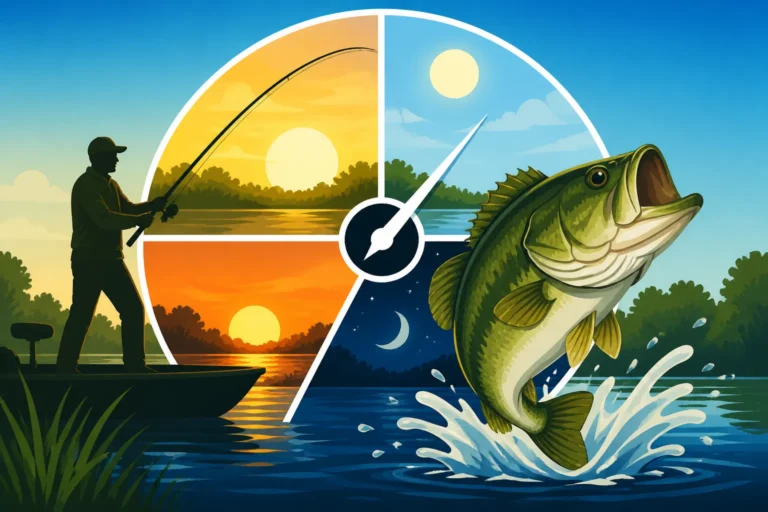
For those exhilarating topwater strikes, hard plastic plugs, especially topwater walkers and poppers, are hard to beat. There's nothing quite like witnessing a speckled trout explode on a surface lure. Topwater plugs are most effective in low-light conditions – early mornings, late evenings, or on overcast days – when trout are actively feeding near the surface. "Walk-the-dog" style lures, like a Heddon Super Spook Jr. or a MirrOlure MirrOdine, create a zig-zagging action across the surface that mimics a frantic baitfish, driving trout into a frenzy. Poppers, on the other hand, create a distinctive "chug" and splash that can draw fish from a distance, especially in choppier water.
Subsurface hard plugs, or "suspenders," are also excellent for trout, particularly when fish are holding a bit deeper. These lures are designed to dive to a specific depth and then suspend when paused, sitting perfectly in the strike zone and often eliciting a reaction bite from hesitant fish. Brands like MirrOlure are practically legendary in trout fishing circles for their diverse range of hard baits. Experiment with retrieve speeds and pauses to find what the trout are keying in on that day.
Spoons and Popping Corks
Metal spoons, while perhaps less frequently discussed than soft plastics or topwaters for trout, can be incredibly effective, especially when targeting actively feeding fish or covering large areas. Their flash and wobble imitate fleeing baitfish, and they can be cast a mile. Silver and gold spoons, in various sizes, are the most common. A simple cast and retrieve, with occasional jerks or pauses, is often all it takes to entice a strike. They're especially good for covering a lot of water quickly to locate schooling trout.
Beyond just spoons, the popping cork rig itself, when paired with an artificial lure, is an artificial lure system. Instead of live shrimp, many anglers attach a soft plastic jig or even a small spoon under a popping cork. This combines the enticing sound and splash of the cork with the visual appeal and movement of the artificial bait. This setup is incredibly versatile and allows you to fish artificials at a consistent depth, which is often key when trout are holding in a specific water column. The popping cork rig can be deadly effective whether you're fishing shallow grass beds or slightly deeper channels.
Choosing and Presenting Your Bait for Success
Selecting the right bait is only half the battle; knowing how to present it effectively is where true angling skill comes into play. Speckled trout can be finicky, and paying attention to the details of your presentation can make all the difference between a slow day and a banner catch. Understanding how to "match the hatch" and adapt your techniques to various conditions will significantly increase your odds of success.
Matching the Hatch: Mimicking Natural Prey
The concept of "matching the hatch" is paramount in speckled trout fishing. It simply means selecting a bait or lure that closely resembles the size, shape, color, and movement of the natural prey items that trout are feeding on at that particular moment. If you observe small shrimp or tiny baitfish jumping near the surface, a small, subtle soft plastic or live shrimp under a light popping cork would be a good choice. If larger mullet are prevalent, then a bigger soft plastic paddle tail or a lively finger mullet might be more effective.
Paying attention to local bait concentrations is key. Are there schools of menhaden flickering near the jetties? Then a spoon or a soft plastic that mimics their flash might be deadly. The most successful anglers are those who constantly observe their surroundings, note what baitfish are present, and then select their offerings accordingly. This often requires carrying a variety of baits and lures to adapt to changing conditions and trout preferences. For example, if you're targeting specific areas like those outlined in our Mississippi Gulf Coast Fishing Guide, knowing the typical forage in those spots can give you a significant advantage.
Rigging Techniques for Optimal Presentation
Proper rigging is crucial for both live and artificial baits. For live bait, the goal is to keep it as lively and natural-looking as possible. As discussed, light wiring a live shrimp through the horn or just under the back shell, or lip-hooking a live minnow, allows for maximum movement. When using a popping cork, ensure your leader length (the distance between the cork and the bait) is appropriate for the water depth you're fishing. Generally, you want the bait to be just above the bottom, or at the depth where you're seeing signs of trout on your fish finder.
For artificial lures, using appropriate jig head weights is paramount. Too light, and your lure won't sink to the strike zone; too heavy, and it will fall unnaturally fast and get snagged. Always use a knot that allows for free movement of your lure, such as a loop knot, especially for soft plastics and hard plugs, to ensure they exhibit their designed action. When attaching a popping cork to an artificial, make sure your soft plastic or spoon is oriented correctly to prevent it from spinning unnaturally in the water. Remember, simple rigs are often the most effective for speckled trout. You don't need complicated setups; focus on a clean, natural presentation.
Reading the Water and Adjusting Your Approach
Speckled trout are creatures of habit but also opportunists, and their behavior can change rapidly with environmental factors. Wind, tide, water clarity, and temperature all influence where trout will hold and what they will eat. Strong currents from a moving tide can position trout along current seams or ambush points, making a drifting live bait or a jig worked with the current particularly effective. On the other hand, during slack tide, trout might scatter more, requiring you to cover more water with casting and retrieving techniques.
Always pay attention to bird activity; diving pelicans or terns often signal baitfish being pushed to the surface, which means speckled trout (and redfish!) are likely feeding below. Water clarity will dictate your lure colors – natural tones for clear water, brighter or darker colors for murky water. Don't be afraid to experiment with different baits, retrieve speeds, and depths until you crack the code for the day. If one spot isn't producing, move on and try another. Being adaptable and observant is the hallmark of a successful speckled trout angler. For specific information on how tide impacts fishing, you might find our article on How to Read Tide Charts for Gulf Coast Fishing incredibly useful.
| Bait Type | Pros | Cons | Ideal Conditions |
|---|---|---|---|
| Live Shrimp | Natural scent and movement, almost irresistible, widely available, easy to rig. | Requires keeping alive, more expensive than artificials, can be stolen by bait stealers. | All conditions, especially effective under popping corks. |
| Live Baitfish | Highly effective for larger trout, strong natural appeal, can be very active. | Can be harder to find/catch, requires livewell, some effort to keep lively. | When targeting larger trout, active feeding periods. |
| Soft Plastics | Versatile, durable, wide range of colors/shapes, cost-effective, easy to cast long distances. | Lacks natural scent (though some are scented), requires skill to impart natural action. | Most conditions, excellent for covering water. |
| Hard Plugs | Great for topwater action, strong vibration/flash, can attract aggressive strikes. | Less versatile for depth, can be expensive, may not work in all conditions. | Low light, active surface feeding, clear to stained water. |
| Spoons | Casts very far, excellent flash, covers water quickly, good for schooling fish. | Less natural action compared to soft plastics, can be less subtle. | Open water, schooling baitfish, windy conditions. |
Disclaimer
The information provided in this guide is for general informational purposes only and is not intended as professional advice. Fishing regulations, conditions, and fish behavior can change rapidly. Always consult the latest regulations from the Mississippi Department of Wildlife, Fisheries, and Parks (MDWFP) before heading out, and prioritize safety on the water. Fishing involves inherent risks, and individual success may vary.