What Month Do Crappie Spawn in Mississippi?
One of the most exciting times of the year for any angler in Mississippi is when the crappie move shallow to spawn. However, figuring out exactly when these elusive slabs decide to start their reproductive cycle can feel like trying to hit a moving target. Many folks get frustrated, showing up too early or too late, missing that incredible window of opportunity when crappie are aggressive and concentrated. This comprehensive guide will pull back the curtain on the mysteries of the crappie spawn in Mississippi, helping you understand the key triggers, regional variations, and best tactics to make your next spring fishing trip a success.
The Heart of the Matter: When Crappie Head to the Beds
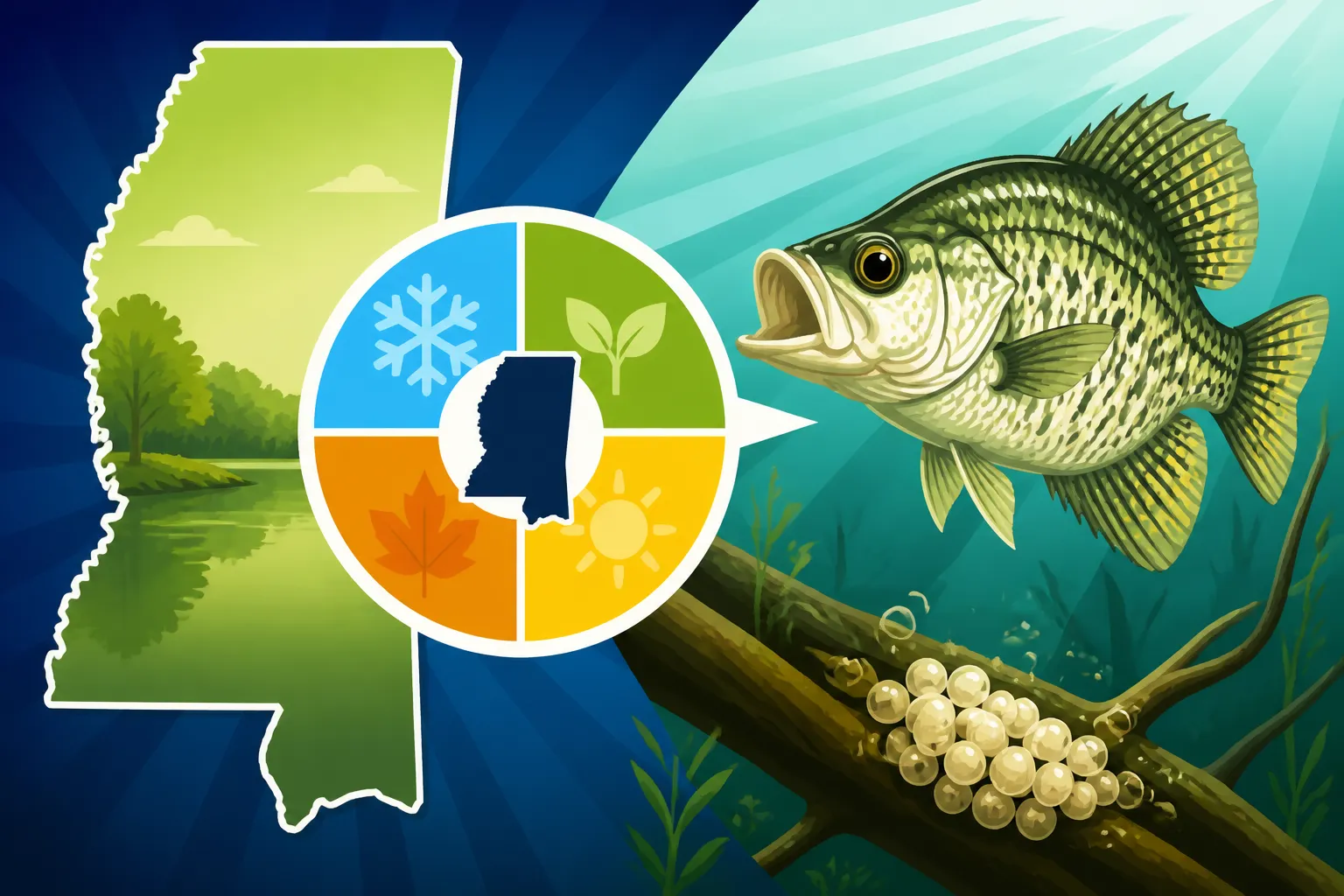
The simple answer to "What month do crappie spawn in Mississippi?" is typically March, April, and sometimes into early May. However, that's just the broad stroke. The reality is far more nuanced, heavily influenced by local conditions, especially water temperature. Crappie don't check a calendar; they respond to their environment.
You might hear anglers talking about the "pre-spawn," "spawn," and "post-spawn" phases. The actual spawning activity, where females deposit eggs and males fertilize them, usually kicks off when water temperatures consistently reach the low to mid-60s Fahrenheit. For many of Mississippi's lakes and rivers, this sweet spot often falls squarely within the spring months. Some years, with a mild winter and early spring, crappie can start moving up in late February in the southern parts of the state. Other years, a prolonged cold snap can push the peak spawn well into April. It's a dynamic period, and being prepared for its variability is key to consistently catching fish.
Understanding Crappie Spawning Triggers
Crappie are fascinating creatures, and their decision to spawn isn't just a whim. It's a complex biological response to a combination of environmental cues. For anglers, understanding these triggers is like having a secret weapon, allowing you to predict their movements and behavior.
The Indisputable Role of Water Temperature
If there's one factor that dictates the crappie spawn more than any other, it's water temperature. Think of it as their alarm clock; once it hits the right range and stays there, the biological imperative kicks in. Both black crappie and white crappie, while similar, have slightly different preferences.
Black crappie, often found in clearer, weedier waters, tend to initiate spawning a bit earlier and at slightly cooler temperatures, typically when the water consistently reaches 58-65 degrees Fahrenheit. White crappie, which are more tolerant of turbid waters and often found in open areas and larger reservoirs, usually start spawning when temperatures are a touch warmer, in the 60-68 degree Fahrenheit range. This subtle difference can mean a week or two variation in when each species peaks in a given body of water. A rapid warm-up can compress the spawn, making it intense but brief, while a gradual warming trend might spread it out over several weeks. A sudden cold front can put the brakes on the action, pushing fish back to deeper water until conditions stabilize. This "stalling" of the spawn is a common frustration for anglers, but understanding it means you won't waste time fishing barren shallows during a cold snap.
Daylight and Lunar Cycles: Subtle Influences
While water temperature is king, other factors play a supporting role. The length of daylight, or photoperiod, is a primary biological cue for many species, signaling the changing seasons. As days grow longer in spring, it reinforces the message that it's time to prepare for reproduction. Crappie's internal clocks are synced to this, even if the final push for spawning relies on temperature.
The moon phase is another factor many seasoned crappie anglers swear by, though scientific consensus is less definitive. Some believe that the full moon, or the new moon, during the prime temperature window, can trigger more intense spawning activity or feeding frenzies. The theory suggests that increased gravitational pull might affect tides and current, or that increased moonlight could influence nocturnal feeding behavior, indirectly leading to more active fish. While not as critical as temperature, keeping an eye on the lunar calendar, especially when water temps are borderline, might give you an edge. Many guides will tell you that the biggest fish often bite around these lunar peaks.
Habitat Selection and Nesting Behavior
Once the conditions are right, crappie move into specific areas to spawn. They aren't just dropping eggs anywhere; they're looking for prime real estate. They prefer shallow waters, typically anywhere from 1 to 8 feet deep, especially those with some form of protective cover. This could be submerged brush piles, fallen trees, lily pads, old stump fields, boat docks, or even riprap along causeways. The males are typically the first to move into these areas.
Male crappie are the architects of the nursery. They use their fins to fan out circular depressions, or "nests," in the soft bottom, clearing away debris. These nests are often grouped together in loose colonies, creating a bustling crappie neighborhood. Once the nests are prepared, females move in to deposit their sticky eggs, which adhere to the bottom and surrounding vegetation. A single female crappie can lay tens of thousands of eggs, sometimes even more, over several spawning events. After fertilization, the male takes over guard duty, aggressively defending the nest from predators and fanning the eggs to keep them aerated and free of silt until they hatch, usually within 2-5 days depending on water temperature. This aggressive guarding behavior is what makes them so vulnerable and fun to catch during the spawn.
Regional and Lake-Specific Variations in Mississippi
Mississippi is a diverse state, spanning different climates and geographies. What happens in a small pond near the coast might be weeks ahead or behind a massive reservoir in the northern hills. Understanding these variations is crucial for planning your spring crappie trips.
North vs. South Mississippi Differences
Generally speaking, bodies of water in South Mississippi tend to warm up earlier due to their closer proximity to the Gulf Coast and milder winter temperatures. This means the crappie spawn might kick off in late February or early March in areas like the lower Pearl River, some coastal bayous, or smaller ponds in counties like Harrison or Jackson. They often finish their spawn before the northern lakes really get going.
Conversely, the large, sprawling reservoirs in North Mississippi, such as Grenada Lake, Sardis Lake, Enid Lake, and Arkabutla Lake, typically experience their crappie spawn a bit later. These northern lakes are renowned for their trophy crappie, and while the action is legendary, it often doesn't hit its peak until late March through April, and can even extend into early May if there are cooler spring temperatures. The sheer volume of water in these reservoirs means they take longer to warm up, and also take longer to cool down, often extending the overall spawn period. When fishing these big lakes, you might find different bays or arms warm up at different rates, leading to a staggered spawn even within the same body of water. This is why checking local fishing reports or talking to bait shop owners is always a good idea.
Impact of Water Body Size and Depth
The size and depth of a water body also play a significant role. Smaller ponds and shallow lakes, like many of the numerous farm ponds or state fishing lakes scattered across Mississippi, heat up much faster than larger, deeper reservoirs. This means crappie in these smaller, shallower waters will typically start and finish their spawn earlier than their counterparts in expansive lakes like Ross Barnett Reservoir or Pickwick Lake.
For instance, a private pond just outside of Jackson might see crappie on the beds by the first week of March, while the main body of Ross Barnett Reservoir might not see widespread spawning activity until mid-March or early April. Even within a large lake, certain shallow coves or protected pockets that are exposed to more sunlight and shielded from wind will warm up faster than deeper, main-lake points. Anglers who are dedicated to chasing the spawn often "follow the heat," starting in the shallowest, warmest spots and moving to deeper, cooler areas as the season progresses. This strategy allows them to extend their crappie fishing success for several weeks.
Annual Weather Patterns: The Wildcard
Every year's weather is unique, and this is perhaps the biggest wildcard influencing the crappie spawn. A mild, early spring can bring the spawn weeks ahead of schedule, while a late-season cold front or prolonged period of rain and cool temperatures can delay it significantly.
Sometimes, you'll hear about a "false spawn." This happens when an early warm spell pushes water temperatures into the lower 60s, luring crappie into the shallows to stage for spawning. However, if a sudden, sharp cold front blows through, dropping water temperatures significantly, these fish will retreat to deeper water, essentially putting the spawn on hold. They'll wait for stable, warmer conditions to return before attempting to move shallow again. This can be incredibly frustrating for anglers who think they've hit the peak only to find the fish have vanished. The key is consistent, stable weather. Several days or even a week of sunny skies and mild temperatures are what truly cement the crappie's commitment to the spawning beds. Keep an eye on the extended forecast to maximize your chances during this fickle, yet rewarding, time of year.
Here's a general table illustrating how crappie spawn timing can vary across Mississippi:
| Region/Lake Type | Typical Spawn Window | Water Temperature Range (F°) | Key Features |
|---|---|---|---|
| South Mississippi (Ponds/Small Lakes) | Late Feb – Early April | 58-65° | Warms up earliest, often shorter window |
| Central Mississippi (Ross Barnett) | Mid March – Mid April | 60-68° | Major reservoir, can have staggered spawn |
| North Mississippi (Grenada, Sardis) | Late March – Early May | 60-68° | Large reservoirs, often peak later, bigger fish |
| River Systems (Pearl, Pascagoula) | Early March – Late April | 59-66° | More variable with river levels and currents |
How to Target Crappie During the Spawn
Now that you understand when and why crappie spawn, the next logical step is learning how to catch them. This period offers some of the most exciting and productive crappie fishing of the year, but it still requires thoughtful application of techniques and a keen understanding of fish behavior.
Locating Spawning Crappie
Finding spawning crappie often means thinking shallow and thinking cover. As discussed, they're looking for protected areas to build nests. Focus your search in depths ranging from 1 to 8 feet, depending on water clarity and sunlight penetration. In clear lakes, they might spawn a bit deeper to avoid predators. In stained or muddy water, they'll often be in extremely shallow water, sometimes less than two feet deep.
Look for areas with:
- Submerged brush piles and fallen timber: These provide excellent cover and structure for nesting.
- Lily pad fields and emergent vegetation: New growth in spring attracts baitfish and offers shade and protection.
- Boat docks and piers: The pilings offer vertical structure, and the shade can be irresistible.
- Riprap and rocky shorelines: Cracks and crevices provide protection.
- Shallow creek channels and pockets: Often the first areas to warm up, attracting crappie from deeper main channels.
Using your electronics, like side imaging or down imaging, can be incredibly helpful to pinpoint submerged brush piles or other structures where crappie might be staging or nesting. When you find one fish, you've likely found a whole colony! Remember, stealth is key in shallow water; approach quietly, use your trolling motor sparingly, and avoid casting long shadows over the water. You can find more specific advice on techniques in our guide to Crappie Fishing Techniques for Mississippi Lakes.
Best Baits and Techniques for Spawning Crappie
During the spawn, crappie are often aggressive, especially the males guarding nests. This makes them highly susceptible to a variety of baits and techniques.
- Live Minnows: You absolutely cannot go wrong with live minnows. They are a universal crappie magnet. Rig them on a small hook (like a #2 or #4 light wire hook) under a bobber, letting the minnow swim naturally near cover. Adjust your depth until you find the strike zone. You can also fish them on a tight line without a bobber, just feeling for those subtle taps. Look for lively minnows; sometimes a good local bait shop will have a better selection than generic retailers.
- Small Jigs: Jigs are incredibly versatile. During the spawn, brightly colored jigs or those with natural baitfish patterns often work best. Popular choices include chartreuse, pink, white, and various greens. You can tip them with a small piece of crappie nibbler or a minnow for added scent and attraction.
- Casting and Retrieving: Cast a small jig (1/16 oz to 1/8 oz) to visible cover or along shorelines, letting it sink slowly. A slow, steady retrieve with occasional twitches can be deadly.
- Pitching and Dipping: This is a fantastic technique for tight cover. Use a long pole (10-14 feet) to gently pitch or "dip" your jig into brush piles, under docks, or into thick vegetation. Let it hang motionless for a few seconds, then give it a subtle twitch. This is where you might feel the most aggressive strikes from territorial males. Our guide to Jig Fishing for Crappie has even more in-depth tips.
- Spider Rigging: While often associated with open water, spider rigging (using multiple poles out the front of the boat) can be effective on the edges of spawning flats or in deeper pockets adjacent to spawning areas. This allows you to cover a wider area and present multiple baits at different depths. For more on this, check out our piece on Spider Rigging Techniques.
- Trolling: In larger reservoirs, especially for those crappie that might be staging just off the main spawning flats or in slightly deeper channels leading to them, slow trolling with multiple jigs or minnow rigs can be very effective. This method helps you cover a lot of water quickly to locate active fish. If you're looking for the specifics, our Trolling for Crappie on Mississippi Reservoirs guide is a must-read.
When picking out your gear, remember that light tackle is best for crappie. A light-action spinning rod with 4-6 lb test line is usually sufficient. You can find a wide array of crappie jigs, bobbers, and even specialized crappie rods on platforms like Amazon, making it easy to gear up for the season. Don't forget a good pair of polarized sunglasses to spot subtle movements in the water.
Ethical Angling Practices During the Spawn
While the crappie spawn offers incredible fishing, it's also a critical time for the species' reproduction. Practicing ethical angling ensures healthy populations for years to come.
- Respect Creel and Size Limits: Always be aware of and adhere to the Mississippi Crappie Regulations by Lake for the specific body of water you are fishing. These limits are in place to protect the fishery.
- Selective Harvest: Consider releasing larger, egg-laden females, especially early in the spawn. While males are aggressively defending nests, females are the ones carrying the future generations. Taking only what you plan to eat and releasing the biggest females helps maintain a robust breeding stock.
- Minimize Disturbance: Try to avoid unnecessary disturbance of spawning areas. If you're catching fish off a particular brush pile, don't continually move your boat over it, which can scatter fish or damage nests.
- Handle Fish Gently: If you plan to release fish, handle them as little as possible. Wet your hands before touching them to protect their protective slime coat, and quickly return them to the water.
By following these practices, you can enjoy the fantastic fishing the crappie spawn offers while also being a responsible steward of Mississippi's precious natural resources. Understanding the dynamics of the crappie spawn is key to maximizing your success and enjoying the great outdoors. Whether you're targeting trophy fish on Sardis Lake or enjoying a relaxing day on a local pond, knowing when the crappie are on the beds will make all the difference.
Disclaimer
Please note that fishing regulations, including creel limits and size restrictions, can change. Always consult the latest Mississippi Department of Wildlife, Fisheries, and Parks (MDWFP) regulations before your fishing trip to ensure compliance. This guide is for informational purposes only and does not constitute legal advice.