Best Lake for Catfish Noodling in Mississippi
Trying to pinpoint the absolute "best lake" for catfish noodling in Mississippi can feel a bit like searching for a needle in a haystack, especially when many folks think of noodling as a purely riverine pursuit. It’s a common frustration, because while Mississippi boasts incredible lakes, the unique, hands-on thrill of noodling often requires a very specific kind of underwater hideout. This guide aims to clear up that confusion, diving deep into the types of water bodies and specific locations that truly shine for hand-fishing, ensuring you know exactly where to look for those monster flatheads and blue cats.
Understanding Noodling and What Makes a "Best Lake"
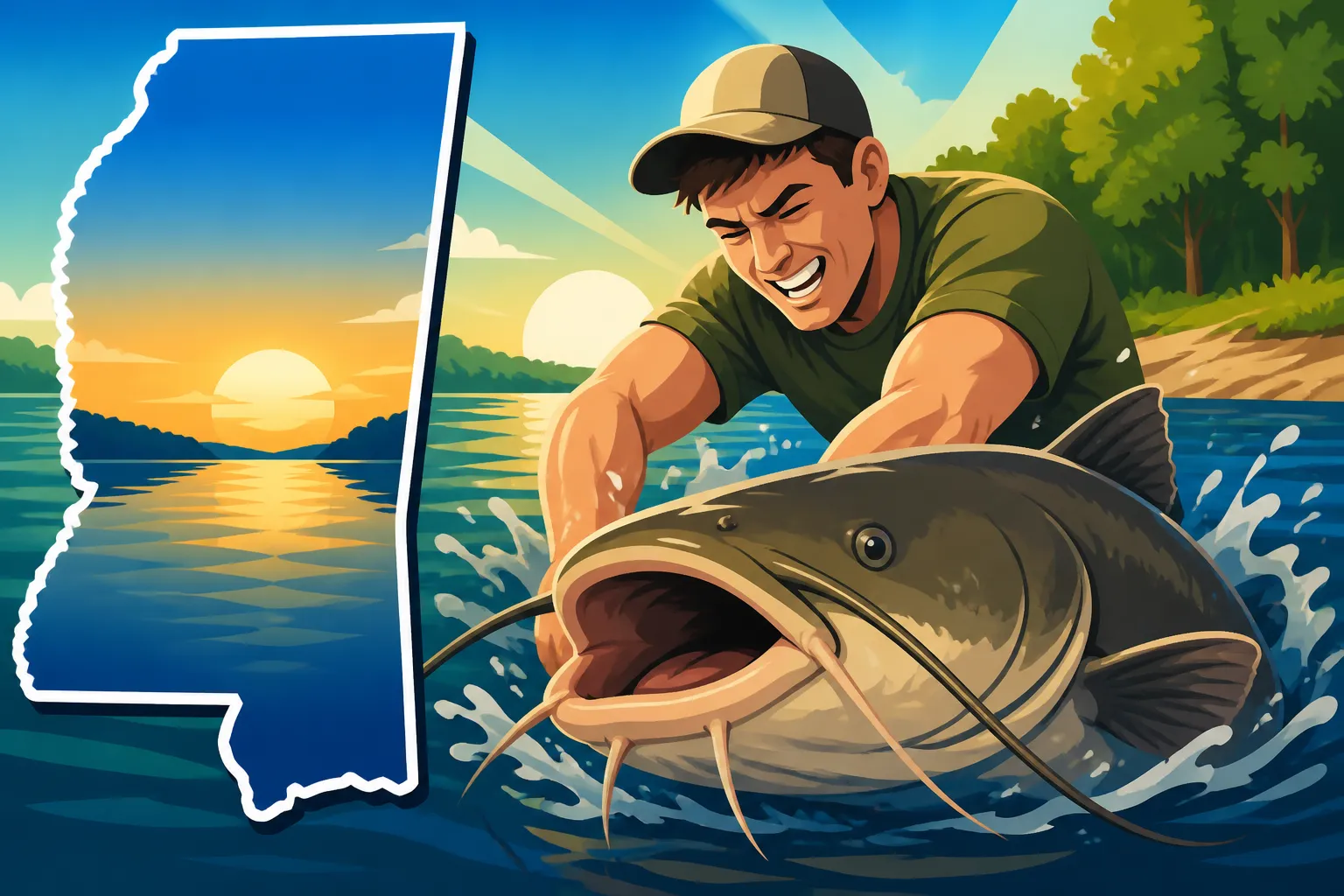
When we talk about "noodling" for catfish in Mississippi, we're not just casting a line into a vast, open lake. Noodling, or hand-fishing as it's often called, is a deeply physical and traditional method of catching catfish by reaching into their underwater dens and pulling them out by hand. This means the "best lake" isn't necessarily the one with the highest overall catfish population, but rather one that offers abundant, accessible, and safe nesting cavities where these powerful fish seek refuge and spawn.
The Anatomy of a Perfect Noodling Spot
A truly prime noodling spot, whether it's within a lake system or a river, shares several key characteristics. First and foremost, it needs submerged structure that creates cavities. Think hollow logs, old stumps with intricate root systems, rock crevices, undercut banks, or even man-made structures like old tires, concrete pipes, or dock pilings that have collected debris. Catfish, especially larger ones, are territorial and will guard these spots, particularly during their spawning season from late spring through summer.
The water clarity also plays a significant role. While noodlers aren't usually sight-fishing, understanding the underwater terrain is crucial. Slightly stained or turbid water can be advantageous, as it makes the catfish feel more secure in their hideouts and potentially less wary of a hand entering their space. Strong currents can make noodling exceptionally difficult and dangerous, so areas with slower flow or protected coves within larger lake systems are usually preferred. The availability of food sources for the catfish also contributes to their size and abundance in a given area. Understanding the habits of these bottom-dwelling fish is essential for success. For more insights, you might want to read about Catfish Fishing Techniques.
Why Rivers and Oxbows Often Trump Open Lakes
It's a common misconception that a big, sprawling lake is automatically the best for noodling. In reality, the most productive noodling grounds in Mississippi are often found in river systems, their associated oxbow lakes, bayous, and the upper, riverine sections of large flood control reservoirs. Why? Rivers naturally create and maintain the kind of bank erosion, submerged timber, and scour holes that catfish adore. Oxbow lakes, which are old bends in rivers that have been cut off, often retain a wealth of these natural structures in calmer, more contained waters.
Open, deep lake basins, while teeming with catfish, don't always offer the same accessible, shallow-to-moderate depth hideouts that noodlers target. Picture a vast, clear reservoir – it might have deep channels, but finding a specific, fish-holding hole that you can safely reach and work by hand is much harder. The transition zones between rivers and reservoirs, where the current slows but riverine features are still present, can be incredibly productive. This realistic understanding is key to truly finding the "best" spots, even if they aren't what you initially imagined as a "lake."
Top Contenders for Catfish Noodling in Mississippi
While the term "best lake" for noodling is a bit nuanced, there are certainly specific bodies of water and regions within Mississippi that consistently produce excellent opportunities for hand-fishing for catfish. These areas offer the ideal blend of habitat, fish population, and accessibility for this unique sport.
Mississippi River Tributaries and Oxbow Lakes
The vast Mississippi River system is, without a doubt, a powerhouse for catfish, and its numerous oxbows and tributaries are arguably the closest thing to "best lakes" for noodling. These historic river bends, now often separated from the main channel, provide calmer waters while retaining the rich, woody, and muddy structure that flatheads and blue cats thrive in.
One prime example is Lake Washington, located in the Mississippi Delta. This large oxbow lake, while shallow, is incredibly rich in aquatic life and offers excellent habitat for various fish species, including trophy catfish. Its banks are often lined with old cypress trees and submerged timber, creating countless cavities perfect for noodling. Similarly, Eagle Lake, another prominent oxbow near Vicksburg, is renowned for its fishing, particularly for large catfish. These lakes offer a more contained environment than the main river, but still possess that crucial river-fed character. Before you head out, make sure you check out the Lake Washington Fishing Guide or the Eagle Lake Fishing Guide for specific local insights. When exploring these unique waterways, having a keen eye for subtle changes in current and submerged cover is vital. If you're looking to learn the ropes of these areas, consider exploring local guides on platforms like FishingBooker, who, while not explicitly noodling guides, possess an intimate knowledge of the best catfish habitats.
Key Reservoir Areas and River Systems
Beyond the oxbows, certain large reservoirs and the major river systems themselves offer fantastic noodling opportunities, especially in their upper reaches or backwater areas. These spots combine the robust fish populations of large waters with the structural elements needed for hand-fishing.
The Ross Barnett Reservoir, often called "The Rez" by locals, near Jackson, is a massive body of water formed by damming the Pearl River. While its wide-open main lake areas aren't ideal for noodling, the upper sections of the reservoir, particularly those areas that still retain strong characteristics of the Pearl River Fishing Guide, are exceptional. Here, you'll find submerged trees, stumps, and eroding banks that create those coveted catfish hideouts. The Pearl River itself, both above and below the reservoir, offers abundant noodling potential along its natural course. For a comprehensive overview of fishing in this area, consult the Ross Barnett Reservoir Fishing Guide.
Another fantastic location is Grenada Lake in North Mississippi. Famous for its crappie, Grenada is also a true catfish haven. While the main body is large, the lake's numerous coves, creek channels, and particularly the tailwaters below the dam, offer excellent habitat for large catfish. The slow-moving sections and areas with accumulated debris provide numerous places for catfish to make their nests. Learning about Grenada Lake Fishing Guide can help you pinpoint these promising areas. Remember, safety is paramount, and familiarity with the specific characteristics of these large bodies of water is crucial. Even if you're planning a DIY noodling trip, sometimes booking a general catfish outing through a service like FishingBooker can provide invaluable on-the-ground knowledge from seasoned local captains about productive areas and submerged structures.
Navigating the Regulations and Safety of Noodling
Noodling, while thrilling, is a specialized fishing technique with its own set of rules and inherent risks. Before you even think about putting your hand in a hole, it's absolutely critical to understand the regulations in Mississippi and to prioritize safety above all else. Ignoring these aspects can lead to fines, injury, or worse.
Essential Rules and Permits for Hand Fishing
One of the first questions many aspiring noodlers ask is, "Is noodling even legal?" The good news is, yes, it is legal to hand-fish for catfish in Mississippi. However, like all fishing, it's subject to the Mississippi Department of Wildlife, Fisheries, and Parks (MDWFP) regulations. You'll definitely need a valid Mississippi fishing license. Make sure you're familiar with the various options like the Mississippi Fishing License Guide or for specific details, How to Get a Mississippi Fishing License.
Beyond the general license, there are often specific rules regarding hand-fishing that might cover certain species, size limits, or daily creel limits. For instance, the general Mississippi Statewide Creel Limits apply to catfish caught by any method, including noodling. It's vital to know your limits for species like blue catfish, channel catfish, and flathead catfish. The MDWFP website is your best friend for the most up-to-date and specific regulations. A quick search for Mississippi Fishing Regulations Explained will typically lead you to all the details you need to stay legal and responsible. Always double-check annual regulations, as they can sometimes change, and never assume what was legal last year is still legal today.
Prioritizing Safety in the Water
Noodling is inherently dangerous, and it's not something you should ever attempt alone or without proper preparation. Catfish can be surprisingly powerful, and the environments they inhabit often present hidden hazards. The most immediate concern is injury from the fish itself; large catfish have sandpaper-like jaws and spines that can cause painful wounds. More seriously, however, are the underwater hazards.
You might be reaching into a hole where other, more dangerous creatures reside, like snakes, snapping turtles, or even alligators in certain parts of Mississippi. Submerged debris, sharp broken wood, or jagged metal can also cause severe cuts. Therefore, always go with at least one, preferably two or more, experienced partners. Communicate constantly, and establish clear signals. Wear sturdy gloves to protect your hands, and never stick your hand into a hole you haven't thoroughly assessed. Visibility, even if the water is murky, is key for scouting potential spots. Always let someone on shore know your plans, your location, and your expected return time. Safety should be your absolute top priority, even before the thrill of the catch.
Beyond the "Best Lake": Tips for Successful Noodling
Finding the right water body is just the first step. True noodling success comes from understanding the nuances of catfish behavior, employing smart techniques, and practicing ethical, responsible fishing. It's about more than just luck; it's about skill, patience, and respect for the environment and the fish.
Identifying Catfish Hideouts
The biggest secret to successful noodling lies in your ability to "read" the water and identify likely catfish hideouts. These aren't always obvious. Look for areas with current breaks, especially along river bends or creek channels feeding into lakes. Undercut banks, where the water has eroded the soil beneath the surface, are classic spots. Submerged logs, root wads from fallen trees, and rock piles are also prime real estate. You might even find catfish in discarded objects like old tires, buckets, or drainage pipes that have settled on the bottom.
Sometimes, you can spot subtle signs from above the water: a darker patch of water indicating a deep hole, or a slight disturbance in the surface that suggests an underwater obstruction. Once you've identified a potential spot, approach cautiously. You can use your feet to gently probe the area around the suspected hole before committing your hand. Many experienced noodlers develop an almost intuitive sense for these hiding spots over time. Remember, the fish aren't just looking for shelter; they're looking for a safe place to spawn, usually on a firm bottom, so areas with softer sediment are less likely to hold a big fish.
Gear, Companionship, and Responsible Practices
While noodling is often seen as a minimal-gear sport, a few essentials can make a huge difference in your safety and success. As mentioned, sturdy, protective gloves are non-negotiable. A strong rope to help pull yourself or a large fish out of a tough spot can be a lifesaver. A well-maintained boat or even a kayak, depending on the water body, is essential for reaching prime areas safely. For those exploring more remote sections of the Pearl River or other riverine environments, having a reliable vessel is paramount. You can even consider using a platform like FishingBooker to find a boat captain for reconnaissance trips, to scout out likely areas where catfish might be concentrated, even if you’re not booking a noodling trip directly.
Companionship is not just for fun; it's a critical safety measure. Always noodle with at least one experienced partner. Teamwork is essential for spotting hazards, assisting with a stubborn fish, or getting help in an emergency. Beyond personal safety, responsible practices ensure the longevity of the sport. Practice catch and release for smaller fish, and only keep what you need for a meal. Handle fish gently, especially if releasing them. Avoid damaging natural structures that provide habitat. Respect private property and always secure landowner permission if fishing on private lands or accessing public waters through private property. Understanding Mississippi Freshwater Fishing Rules will also guide you on general ethical conduct on the water.
| Water Body Type | Noodling Potential | Primary Catfish Species | Typical Structure | Notes |
|---|---|---|---|---|
| Mississippi River Oxbows (e.g., Lake Washington, Eagle Lake) | Excellent | Flathead, Blue, Channel | Submerged timber, undercut banks, old stumps, cypress knees | Calmer than main river, rich in habitat, can be shallow. |
| Upper Reservoir Reaches (e.g., Ross Barnett, Grenada Lake) | Good to Excellent | Flathead, Blue, Channel | River channels, submerged trees, rock piles, riprap, culverts | More current, access to deeper areas, but requires scouting. |
| Major River Systems (e.g., Pearl River, Yazoo River) | Excellent | Flathead, Blue, Channel | Undercut banks, log jams, rock formations, scour holes | Can have strong currents; remote areas offer untouched potential. |
| Smaller State Fishing Lakes | Moderate | Channel, some Flathead | Dam riprap, limited natural timber, old culverts | Can be good for beginners but often lack trophy-sized fish for noodling. |
| Open Lake Basins (e.g., main body of large reservoirs) | Poor | Blue, Channel, Flathead | Deep channels, limited accessible cavities | Difficult to locate and access specific noodling holes. |
Disclaimer
The information provided in this guide is for general informational purposes only and is not intended as legal advice. Fishing regulations, licensing requirements, and safety protocols can change. Always consult the official Mississippi Department of Wildlife, Fisheries, and Parks (MDWFP) website or directly contact their offices for the most current and accurate information before engaging in any fishing activities, including noodling. Noodling carries inherent risks, and participants should exercise extreme caution, understand local conditions, and prioritize personal safety.