Okhissa Lake Fishing Guide
For many anglers in Mississippi, fishing can sometimes feel like a puzzle, especially when you encounter a lake as distinctive as Okhissa. Its crystal-clear waters and unique structure can be intimidating, leaving you wondering where to even begin your search for that trophy catch. This comprehensive guide will unravel the mysteries of Okhissa Lake, providing you with the knowledge and strategies to confidently tackle this beautiful, yet challenging, fishing destination.
Welcome to Okhissa Lake: Mississippi's Clear Water Jewel
Okhissa Lake, nestled within the Homochitto National Forest near Bude, Mississippi, is truly a jewel among the state's fishing destinations. Unlike many of Mississippi's typically stained or muddy reservoirs, Okhissa boasts incredibly clear, deep waters, making it a unique challenge and a rewarding experience for any angler willing to adapt their approach. This man-made reservoir, completed in 2007, was designed with fishing in mind, offering a diverse habitat that supports a robust fishery.
A Unique Hydrology and History
The lake's clear water isn't just a pretty sight; it's a defining characteristic that dictates how fish behave and how anglers must approach them. Fed by spring-fed streams, Okhissa maintains exceptional water clarity almost year-round, which means fish rely more heavily on cover and depth for ambush points and safety from predators. The lake was specifically designed to be a premier fishing destination, featuring extensive standing timber, submerged brush piles, and varied bottom contours that create ideal habitats for a variety of species. This careful planning during its creation set it apart from many other lakes in the region, ensuring a healthy and thriving ecosystem for years to come.
Understanding its history helps to appreciate its present. The U.S. Forest Service, in cooperation with the Mississippi Department of Wildlife, Fisheries, and Parks (MDWFP), carefully managed the impoundment process. They didn't just flood a basin; they sculpted it, leaving standing timber in specific areas and creating artificial structures to enhance fish habitat. This forethought means that Okhissa isn't just a big pond; it's a thoughtfully constructed aquatic environment. The result is a lake that fishes very differently from other large reservoirs like Ross Barnett Reservoir or Grenada Lake, demanding a more nuanced and often stealthy approach.
Why Okhissa Presents a Challenge and Reward
The clear water, while beautiful, presents a significant challenge: fish have excellent visibility. This means they are more easily spooked by boat noise, shadows, and unnatural presentations. Anglers often need to use lighter lines, longer casts, and more subtle baits to entice a bite. It’s not uncommon to find fish suspended in deep water, making them harder to locate and tempt. This requires patience and often a good fish finder to pinpoint their locations in the extensive submerged timber and deep channels.
However, the reward for mastering Okhissa's challenges is immense. The lake is renowned for producing trophy-sized largemouth bass, and it's not uncommon to hear tales of anglers landing impressive 8- to 10-pounders. The strong forage base, including threadfin shad and various sunfish, contributes to the rapid growth and excellent health of its game fish. Beyond bass, the crappie fishing can be fantastic, though they often hold deep, requiring specialized techniques. Catching a massive crappie from Okhissa's clear depths is a truly satisfying experience, proving that the extra effort is well worth it.
Prime Species to Target in Okhissa's Waters
Okhissa Lake is a fantastic multi-species fishery, but it truly shines for certain game fish. Knowing what to expect and where these fish typically hold can greatly improve your chances of success on the water. While bass are often the star, don't overlook the other fantastic opportunities this lake offers.
Hunting Trophy Largemouth Bass
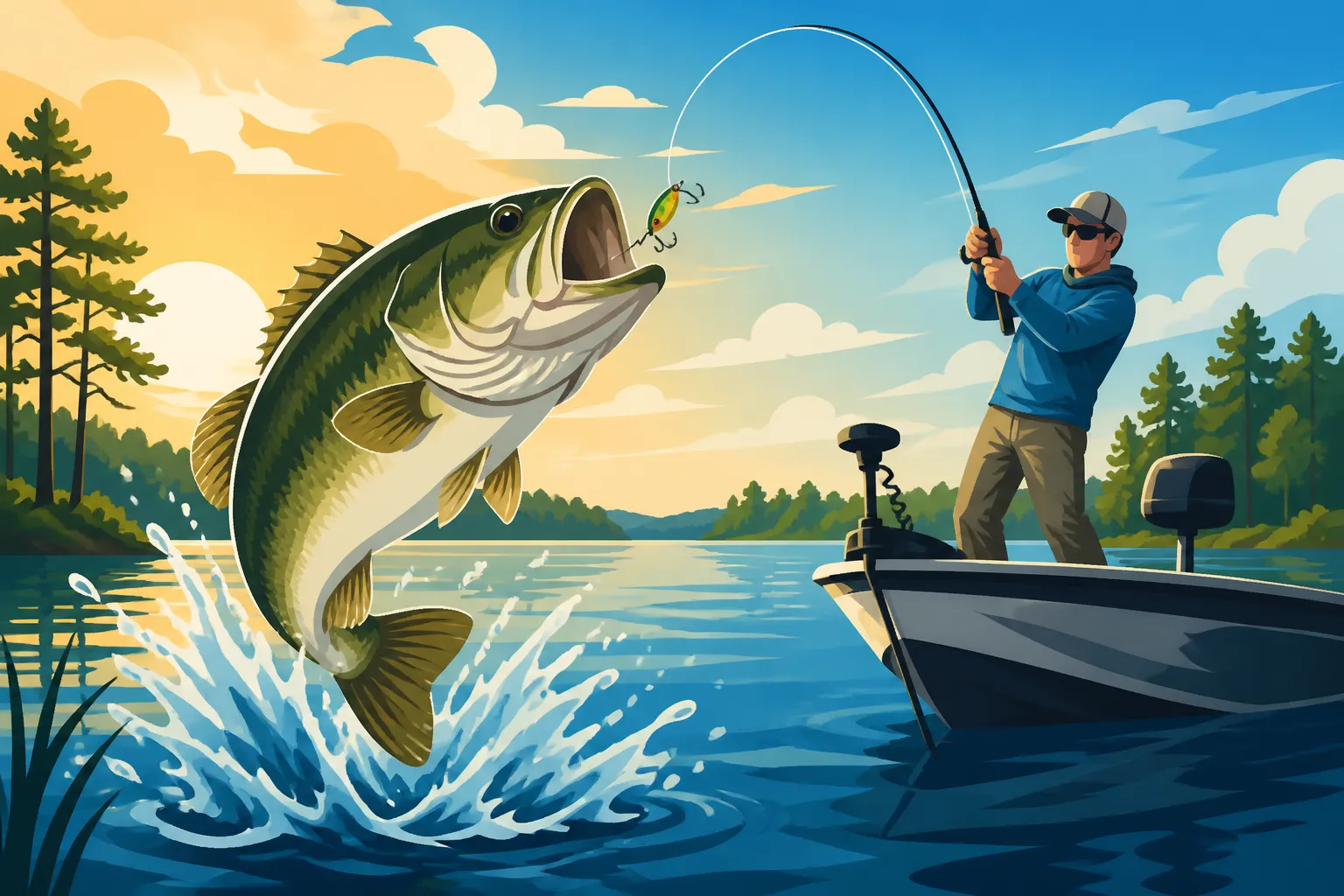
If you're looking to hook into a genuinely large largemouth bass, Okhissa Lake is one of Mississippi's top destinations. The lake's clear waters and abundant forage mean bass grow big and strong here. These bass often relate heavily to the standing timber and brush piles, using them as ambush points for unsuspecting prey. In the spring, you’ll find them shallower, preparing to spawn or guarding beds, but for much of the year, they’ll be deeper, sometimes suspended, sometimes hugging the bottom of creek channels or timber lines.
Many anglers find success targeting these giants by working baits slowly and methodically around structure. Drop shot rigs, shaky heads, and finesse jigs are popular choices for penetrating the cover and presenting a natural-looking meal. Remember, the clear water makes these bass wary, so quiet boat maneuvers and long casts are critical. For a deeper dive into techniques, our guide on Largemouth Bass Fishing in Mississippi offers plenty of tips.
Chasing Crappie in Deep Water
While largemouth bass often steal the spotlight, Okhissa Lake also offers excellent crappie fishing, particularly for those willing to chase them in deeper water. Both white and black crappie thrive here, often congregating in large schools around submerged brush piles, timber, and ledges. Unlike some shallower lakes where crappie are easily accessible, Okhissa crappie often hold in 15-30 feet of water, especially during the warmer months and winter.
Targeting these deep-water slabs usually involves using jigs or live minnows suspended at specific depths. Spider rigging, where multiple poles are fanned out around the boat with baits at varying depths, is a highly effective technique. Vertical jigging directly over known brush piles can also produce impressive catches. Patience is key, as locating these schools can take some time, but once you find them, the action can be fast and furious. If you're passionate about crappie, check out our dedicated guide on Crappie Fishing in Mississippi.
Finding Bream and Sunfish Pockets
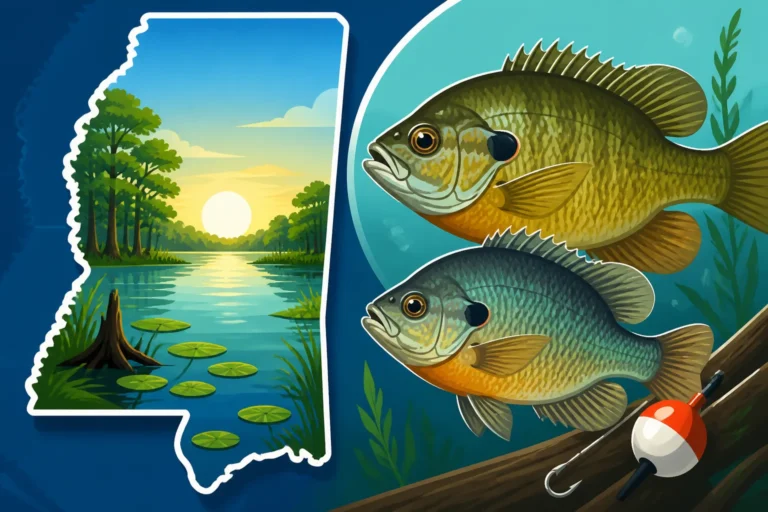
For a more relaxed day on the water or for introducing kids to fishing, Okhissa Lake's bream and other sunfish species offer consistent action. Bluegill, redear sunfish (shellcrackers), and other panfish are abundant throughout the lake, typically found shallower than bass or crappie. They love to hang around any type of cover, whether it’s lily pads, submerged vegetation, docks, or the edges of standing timber in shallower coves.
These feisty fighters are often eager to bite small worms, crickets, or tiny jigs. A simple bobber rig with light line and a small hook is often all you need for a fun day of catching. Look for areas with a mix of cover and slightly warmer water, especially in the spring and early summer. The clear water here allows for some fantastic sight fishing opportunities for these panfish, adding an extra layer of excitement as you watch them engulf your bait.
Mastering the Seasons: When to Fish Okhissa Lake
Understanding how the seasons influence fish behavior is crucial for success on any body of water, and Okhissa Lake is no exception. Each season presents its own set of challenges and opportunities, requiring different strategies to effectively target your desired species. Knowing when and where to look can make all the difference. For a broader perspective on the yearly cycle, refer to our comprehensive Mississippi Fishing Seasons Calendar.
Spring Spawning Frenzy and Pre-Spawn Patterns
Spring is arguably one of the most exciting times to fish Okhissa Lake. As water temperatures begin to rise into the 60s, fish become incredibly active, moving from their deep winter haunts to shallower waters in preparation for spawning. The pre-spawn period, typically from late February through April, sees both bass and crappie feeding heavily, trying to pack on calories for the arduous spawning process. This is when some of the biggest fish of the year are caught, as they are actively foraging.
During the actual spawn, which can run from late March through May depending on water temperatures, bass and crappie will be concentrated in shallow coves, on flats, and around submerged brush and timber in depths of 2-10 feet. Largemouth bass will often be visible on beds, making sight fishing a viable, albeit challenging, option in the clear water. Crappie will stage near deeper cover adjacent to these spawning flats before moving up. This intense activity makes spring a prime time for both quantity and quality catches, though the fish can be notoriously finicky when on the beds.
Summer's Deep Water Strategies
Once the scorching Mississippi summer heat sets in and water temperatures climb into the 80s, fishing on Okhissa shifts dramatically. The clear water means that fish will seek refuge from the intense sunlight and higher temperatures by moving deeper. Largemouth bass will often suspend over deep creek channels or hug the bottom of submerged timber and ledges, sometimes as deep as 20-30 feet. Crappie will follow suit, forming tight schools around deep brush piles and vertical timber.
Successful summer fishing on Okhissa demands precision and often involves fishing during low-light conditions, like early mornings or late evenings, or even night fishing for catfish. For bass, deep-diving crankbaits, Carolina rigs, and drop shots are effective for reaching those deeper fish. For crappie, spider rigging with live minnows or vertical jigging with small spoons or heavy jigs can be incredibly productive once a school is located. Patience and a good fish finder become your best friends during these hot months.
Fall Transition and Feeding Windows
As the days shorten and water temperatures begin to cool in the fall, Okhissa Lake undergoes another significant transformation. This period, typically from September through November, is characterized by the "fall turnover" and the beginning of the shad migration. As the water cools, fish become more active, moving out of their deepest summer refuges and spreading out across the lake. This can make them harder to pattern initially, but once you crack the code, the fishing can be fantastic.
Bass will often follow baitfish into the backs of coves and along creek channels, feeding aggressively in preparation for winter. Topwater lures, spinnerbaits, and crankbaits can be highly effective during this time, especially in the mornings and evenings. Crappie will also start to school up, often relating to submerged timber and brush on creek channel bends. Trolling jigs or minnows can cover a lot of water and help locate these scattered schools. This period often offers excellent opportunities for both numbers and quality of fish, as they are actively feeding.
Winter's Subtle Bites
Winter fishing on Okhissa Lake, from December through February, can be challenging but incredibly rewarding for those who brave the cold. The clear, cold water means fish are lethargic and their metabolism slows down significantly. They will typically move to the deepest parts of the lake, congregating tightly around significant structure like standing timber, deep creek channels, or brush piles, where water temperatures are most stable.
For bass, a slow, deliberate approach is necessary. Finesse techniques such as shaky heads, drop shots, and slow-rolled jigs are the most effective. Target vertical structure in 25-40 feet of water. Crappie fishing can be outstanding during winter, but again, it requires finding those deep, tight schools. Vertical jigging or slow-trolling tiny jigs or live minnows precisely over deep brush is the ticket. While bites may be subtle, the fish caught in winter are often healthy and robust, offering a testament to your persistence.
Essential Techniques and Baits for Okhissa Success
Fishing Okhissa Lake successfully means adapting your techniques to its unique clear water environment. What works in a murky river might not cut it here. Stealth, subtlety, and precision are your watchwords. You'll need to be mindful of your presentation and choice of lures or bait to entice a bite from these often-wary fish.
Tackling Clear Water Bass with Precision
Clear water bass are notoriously finicky. They have better visibility, which means they can spot unnatural lines, hooks, and clumsy presentations from a mile away. To counteract this, lighter fluorocarbon line, generally 8-12 lb test, is often preferred for its low visibility and sensitivity. Longer rods can aid in making longer casts, keeping your boat further away from the fish. Finesse techniques truly shine here. Drop shots are excellent for targeting suspended fish or those holding tight to vertical timber. Wacky rigs or Neko rigs with soft plastics provide a subtle, natural fall that often triggers strikes.
For active bass, especially during the pre-spawn or fall, a lipless crankbait or a slow-rolled spinnerbait can be effective when worked around the edges of cover. However, always consider the light penetration; on bright, sunny days, fish will be deeper and prefer more subtle baits, while overcast conditions might allow for slightly more aggressive presentations shallower. Our guide on Best Lures for Largemouth Bass has more specific recommendations that work well in clear water.
Deep Jigging and Trolling for Crappie
Okhissa Lake's crappie often hold deep, especially outside of the spawn, making techniques that target the middle to lower water column indispensable. Deep jigging is a highly effective method, particularly when you've located a school of crappie on your fish finder. Small jigs, typically 1/16 to 1/8 ounce, tipped with a live minnow or a soft plastic body, are vertically presented directly over the fish. The key is to keep the jig moving slowly, just above the crappie, to draw them up.
Trolling, especially "spider rigging" with multiple rods, allows you to cover a lot of water and present baits at various depths until you find the fish's preferred zone. Long rods, often 10-16 feet, are used to spread out lines, each rigged with a jig or minnow. This method is incredibly efficient for locating scattered schools of crappie along creek channels or vast flats with submerged timber. Remember to monitor your speed and depth carefully using your electronics. For more detailed tips, you might find our article on Jig Fishing for Crappie quite helpful.
Simple Approaches for Panfish
While bass and crappie require specialized tactics, catching bream and other sunfish on Okhissa is often much simpler and a fantastic way to enjoy a day on the water, especially with family. The classic bobber and worm setup is tough to beat. Small red wigglers or crickets fished under a bobber near any visible cover—like lily pads, submerged logs, or shallow brush—will almost certainly produce bites. The clear water makes this visual fishing a real treat, as you can often see the panfish darting in to inspect your bait.
For those who enjoy a more active approach, small jigs or flies can also be very effective. A tiny 1/32 ounce jig, perhaps with a small grub body, cast near cover and retrieved slowly, will often entice bluegill and shellcrackers. Fly fishing with small poppers, sponge bugs, or wet flies can also provide endless entertainment, particularly during the warmer months when these fish are actively feeding on insects near the surface.
Navigating Okhissa: Access Points and Facilities
Getting on and around Okhissa Lake is relatively straightforward, thanks to well-maintained facilities. However, understanding the available options, especially for boaters and bank anglers, is important for planning your trip.
Boat Launch Options and Marina Services
Okhissa Lake is equipped with several public boat launches that provide easy access to the water. The main launch areas are well-marked and feature ample parking, making it convenient for trailers and larger vessels. These ramps are typically concrete and well-maintained by the U.S. Forest Service. Some of these areas may also offer additional amenities like restrooms and picnic spots, enhancing your overall experience.
While Okhissa isn't heavily commercialized, there are typically limited marina services available, often including fuel and basic tackle. It's always a good idea to call ahead or check online resources for current offerings before you arrive, as services can change. If you're looking for a fishing guide to explore Okhissa's unique waters, platforms like FishingBooker can be an excellent resource for finding local experts who know the lake inside and out. They often depart from these main boat launches, providing convenient access for their clients. Be sure to check Mississippi Boat Fishing Regulations to ensure your vessel meets all state requirements.
Bank Fishing and Kayak Access
For anglers without a boat, Okhissa Lake still offers some excellent bank fishing opportunities, particularly near the public access areas and recreational sites. While not as extensive as boat access, certain stretches of shoreline are suitable for casting. These areas often provide access to coves and points that hold panfish and even bass, especially during the spring spawn when fish move shallower. Look for designated fishing piers or cleared bank areas at recreational spots.
Kayakers and canoeists will find Okhissa particularly appealing. The lake's clear, calm waters, especially in its numerous coves and timber-laden areas, are perfect for silent navigation. Kayaks allow you to reach areas of standing timber and submerged structure that might be difficult for larger boats, offering a unique stealth advantage for targeting wary bass and crappie. Many of the boat launches have easy access points for launching smaller, non-motorized vessels, and you can often find quieter, less crowded fishing grounds away from the main lake channels.
Planning Your Okhissa Adventure: Licenses, Regulations, and Safety
Before you even wet a line in Okhissa Lake, it's absolutely crucial to ensure you're compliant with all state and local requirements. Fishing without the proper credentials can lead to hefty fines and a ruined trip. Beyond licenses, understanding the specific rules for this unique lake and prioritizing safety will make your visit both legal and enjoyable.
Securing Your Mississippi Fishing License
The very first item on your checklist should be obtaining a valid Mississippi fishing license. Whether you're a resident or a non-resident, almost everyone needs one to legally fish in the state's public waters, including Okhissa Lake. There are various license options available, from annual licenses to short-term permits for tourists, depending on your residency and how long you plan to fish. You can easily purchase them online through the Mississippi Department of Wildlife, Fisheries, and Parks (MDWFP) website, at authorized retailers like bait shops, sporting goods stores, or even by phone. For a detailed breakdown of options and how to get one, our guide on How to Get a Mississippi Fishing License is an invaluable resource.
Keep in mind that if you're targeting both freshwater and saltwater species during your trip to Mississippi, you'll need separate endorsements or a combination license that covers both. While Okhissa is a freshwater lake, it's good to be aware of the full scope of requirements if your travels take you to the Gulf Coast. Always carry your license with you when fishing, as game wardens frequently patrol these popular fishing spots.
Understanding Local and State Regulations
Beyond the general fishing license, it's vital to familiarize yourself with the specific regulations for Okhissa Lake and freshwater fishing in Mississippi. The MDWFP sets creel limits (the number of fish you can keep) and size limits (minimum or maximum lengths) for various species to ensure sustainable fish populations. For instance, largemouth bass might have a specific slot limit or daily creel, and crappie often have a minimum size and daily limit. These rules can sometimes vary by lake, so always double-check the latest MDWFP regulations for Okhissa Lake specifically. Our comprehensive article on Mississippi Fishing Regulations Explained can give you a solid overview, but always consult the most current official MDWFP guide.
Additionally, pay attention to any local rules regarding boating, such as speed limits in certain areas, no-wake zones, or restrictions on specific types of motors (though Okhissa generally allows all types). Because Okhissa is managed by the U.S. Forest Service, there might also be specific rules related to forest land use, such as restrictions on littering, camping, or the use of certain types of bait. Knowing these rules beforehand will prevent any unintentional violations and ensure a smooth, enjoyable fishing experience.
Safety on the Water
Fishing, especially on a larger lake like Okhissa, requires a strong emphasis on safety. The clear waters can sometimes hide submerged timber and other hazards, so always be vigilant, especially if you're navigating new areas. Here are a few key safety tips:
- Wear a Life Jacket: This isn't just a suggestion; it's often a legal requirement in Mississippi for children under a certain age and a smart practice for all on board, particularly on larger boats or when fishing alone in a kayak. Ensure everyone has a properly fitting personal flotation device.
- Check the Weather: Mississippi weather can change rapidly, with sudden thunderstorms or strong winds. Always check the forecast before heading out and be prepared to cut your trip short if conditions deteriorate.
- Hydration and Sun Protection: The clear water offers little shade. Bring plenty of water to stay hydrated and use sunscreen, hats, and sunglasses to protect yourself from the sun's powerful rays.
- Tell Someone Your Plans: Always inform a friend or family member of your fishing itinerary, including where you're going and when you expect to return.
- Boat Safety Gear: Ensure your boat is equipped with all necessary safety gear, including navigation lights, a first-aid kit, a whistle or horn, and paddles, as required by Mississippi Freshwater Fishing Rules.
By following these guidelines, you'll not only have a more productive fishing trip on Okhissa Lake but also a much safer and more enjoyable one.
| Target Species | Best Season(s) | Primary Techniques | Recommended Baits/Lures | Key Habitat Areas |
|---|---|---|---|---|
| Largemouth Bass | Spring, Fall, Summer | Finesse (Drop Shot, Shaky Head), Deep-diving Crankbaits, Jigs, Topwater | Soft plastics (worms, creatures), Crankbaits, Spinnerbaits, Jigs | Standing timber, brush piles, creek channels, coves |
| Crappie | Spring, Fall, Winter | Vertical Jigging, Spider Rigging, Trolling | Live minnows, small jigs (1/16-1/8 oz) | Deep brush piles, standing timber, creek channel ledges, shallow coves (spring) |
| Bream/Sunfish | Spring, Summer, Fall | Bobber Fishing, Small Jigs, Fly Fishing | Worms, crickets, tiny jigs, small poppers | Lily pads, shallow brush, docks, edges of timber |
Disclaimer
The information provided in this guide is for general informational purposes only and is subject to change. Fishing regulations, season dates, and local conditions can vary. Always consult the official Mississippi Department of Wildlife, Fisheries, and Parks (MDWFP) website or local authorities for the most current and accurate regulations before planning your fishing trip. The author and publisher are not responsible for any incidents, accidents, or regulatory violations incurred by readers.