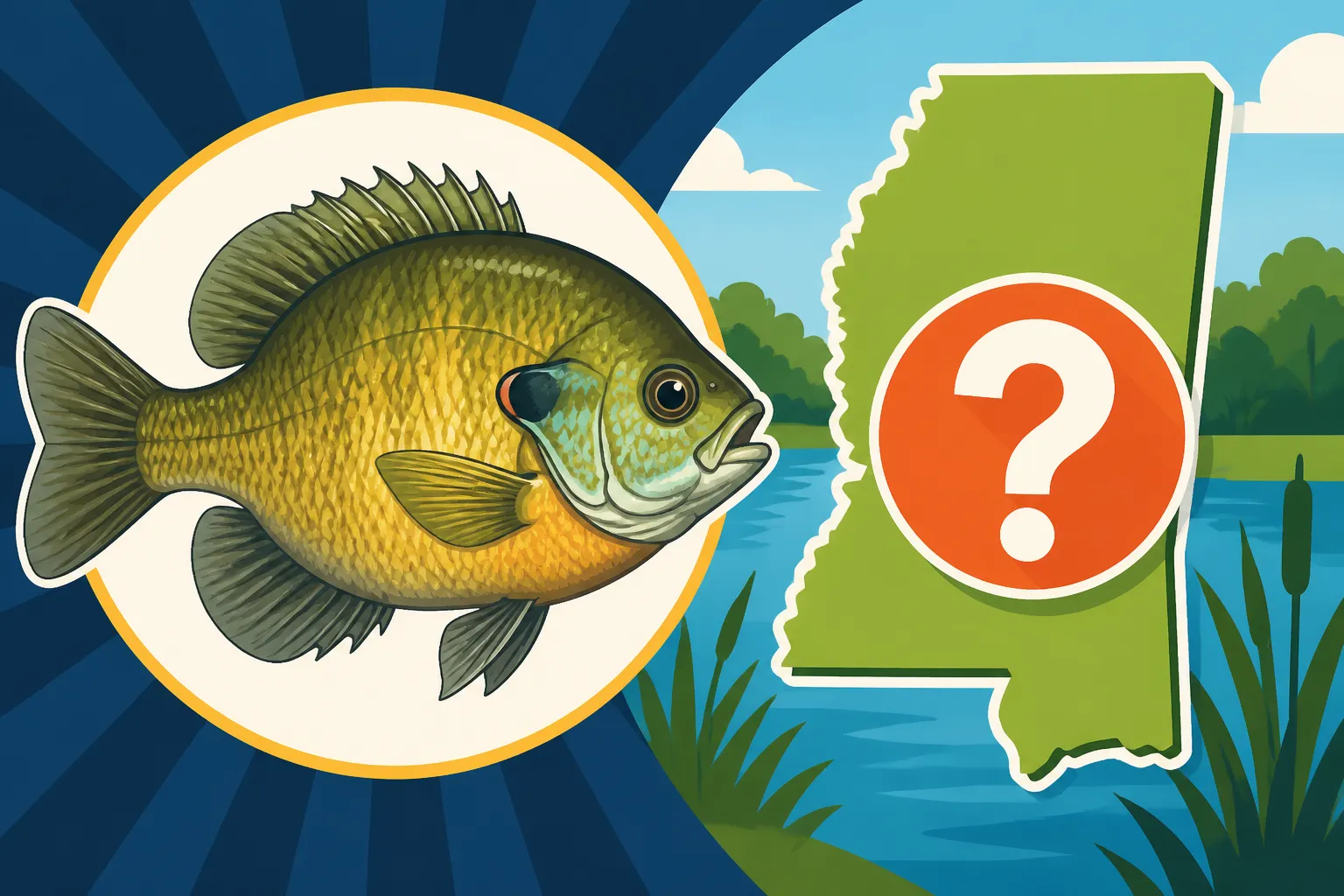
Is There a Limit on Bream in Mississippi?
It can be incredibly frustrating to head out to your favorite fishing spot, have an amazing day reeling in bream, only to get home and realize you're not entirely sure if you've stayed within the legal limits. Nobody wants to accidentally break the rules, especially when you're just trying to enjoy a peaceful day on the water. This comprehensive guide is here to clear up all the confusion surrounding bream limits in Mississippi, ensuring your next angling adventure is both successful and compliant with state regulations.
Understanding Mississippi's Bream Regulations
When it comes to fishing in Mississippi, knowing the rules for different species is absolutely crucial. Bream, often used as a general term for various sunfish species, are a beloved catch for many anglers across the state. They’re plentiful, put up a fun fight, and are downright delicious. However, just like with crappie or bass, there are specific regulations designed to protect these populations and ensure sustainable fishing for generations to come.
The Mississippi Department of Wildlife, Fisheries, and Parks (MDWFP) sets these regulations, and they are not just arbitrary numbers. These limits are carefully determined based on scientific data, population assessments, and the overall health of the aquatic ecosystems in our lakes, rivers, and ponds. Ignoring these rules, even unknowingly, can lead to fines and penalties, which nobody wants after a relaxing day of fishing. So, let’s dive into the specifics of what you need to know about bream.
The Statewide Aggregate Daily Creel Limit for Bream
You're probably wondering, "Is there a hard and fast number for bream?" Yes, there is, and it's important to understand the nuance of an "aggregate daily creel limit." For most common bream species in Mississippi, including bluegill, redear sunfish (often called shellcrackers), green sunfish, warmouth, and longear sunfish, the statewide regulation stipulates an aggregate daily creel limit of 50 fish.
What does "aggregate daily creel limit" mean? It means that you can't just catch 50 bluegill and then another 50 shellcrackers. Instead, the total number of all bream species combined that you can keep in a single day cannot exceed 50. So, if you catch 30 bluegill and 20 shellcrackers, you've hit your aggregate limit of 50. If you then catch another 5 green sunfish, you would have to release them. This rule applies to both residents and non-residents, and it's a cornerstone of the Mississippi Freshwater Fishing Rules. This comprehensive approach helps manage the overall panfish population without getting overly specific about each individual sunfish type, which can sometimes be tricky for anglers to differentiate on the fly.
The Absence of Size Limits for Most Bream
One common question that often comes up, especially for those used to bass or crappie fishing, is whether there are any size restrictions for bream. For the vast majority of bream species across Mississippi's public waters, there are no minimum or maximum size limits. This means that once you've caught a bream, regardless of how small or large it is, it counts towards your 50-fish aggregate daily creel limit if you choose to keep it.
This lack of a size limit might seem unusual to some, but it reflects the lifecycle and population dynamics of bream. These fish are generally fast-growing and reproduce prolifically. Managing their populations through creel limits, rather than size limits, is often more effective for panfish species. It encourages anglers to keep a reasonable number of fish for consumption without unduly impacting the breeding stock. However, it's always a good idea to consider releasing the largest "bull" bream, as these are often the best spawners, ensuring healthy populations for future outings.
Specific Lake and Pond Regulations (The Exception to the Rule)
While the statewide aggregate daily creel limit of 50 bream and the lack of size limits hold true for most public waters in Mississippi, there's a critical caveat: always check for specific regulations pertaining to the particular lake, pond, or river you plan to fish.
Certain bodies of water, particularly some state fishing lakes, private waters with special agreements, or intensively managed reservoirs, may have their own unique rules that supersede the general statewide regulations. These localized rules might include different daily limits, or in rare cases, even size restrictions if the MDWFP is conducting specific management programs for that fishery. For instance, a small, heavily fished lake might have a more conservative limit to prevent overharvest. Before you cast your line, it's prudent to check the MDWFP website, local signage at boat ramps, or inquire with local game wardens or park staff about any special rules for your chosen destination. This diligence is part of understanding Mississippi Fishing Regulations Explained and can save you from potential headaches.
Why Do These Bream Limits Exist?
It’s easy to look at a regulation and just see a restriction, but every fishing limit, including those for bream, is put in place for very important ecological and recreational reasons. These aren't arbitrary rules meant to make your life harder; they are carefully designed tools for conservation. Understanding the 'why' behind the 'what' can help us all appreciate the effort that goes into managing our incredible fisheries here in Mississippi.
Ensuring Sustainable Bream Populations
The primary reason for any creel limit is to ensure the long-term sustainability of the fish population. Bream, like bluegill and shellcrackers, are prolific breeders, but they can still be overfished if there are no controls. Imagine if every angler could take as many bream as they wanted every single day. The populations would quickly dwindle, leading to fewer fish for everyone in the future.
The 50-fish aggregate limit is a sweet spot. It allows anglers to enjoy a bountiful harvest – 50 bream is a lot of fish for a family meal or two – while leaving plenty of fish behind to spawn and grow. This balance is critical. Without limits, we'd see a decline in the average size of fish, a reduction in overall numbers, and a potential collapse of the fishery. These limits are part of a broader strategy, which you can learn more about in the article on Mississippi Statewide Creel Limits, to keep our waterways healthy and vibrant.
Promoting Fair Distribution Among Anglers
Another important aspect of fishing limits is fairness. Mississippi's public waters are a shared resource, and regulations help ensure that everyone has a reasonable chance to catch fish. If a few individuals were allowed to take hundreds of bream, it would significantly reduce the opportunities for other anglers.
Consider a busy weekend at a popular lake like Lake Washington or the Ross Barnett Reservoir. Without limits, the first few boats out could potentially clear out the best bream beds, leaving little for those who arrive later or for families just looking to catch a few for dinner. The 50-fish limit encourages sharing the resource, fostering a more equitable and enjoyable experience for the entire angling community. It's about ensuring that the joy of catching bream isn't monopolized by a select few, but rather is accessible to all who wish to participate.
Maintaining Ecosystem Balance
Bream play a vital role in the aquatic food web. They consume insects, larvae, and small crustaceans, and in turn, they serve as a crucial food source for larger predatory fish like largemouth bass, catfish, and even some birds and mammals. If bream populations were to crash due to overharvesting, it would have a ripple effect throughout the entire ecosystem.
For example, a sharp decline in bream numbers could lead to a decline in the health and population of bass, as their primary food source would be diminished. This delicate balance is carefully monitored by fisheries biologists. The limits on bream are not just about protecting the bream themselves, but about safeguarding the health of the entire fishery, from the smallest insect to the largest predator. It’s an interconnected web, and responsible fishing, guided by these regulations, helps keep that web strong.
Common Bream Species and Identification
When we talk about "bream" in Mississippi, we're actually referring to a group of different sunfish species. While the aggregate limit simplifies things for anglers, knowing a little about the most common types can enhance your fishing experience. These fish often look similar, but they each have subtle characteristics that make them unique. Plus, recognizing them helps you appreciate the diversity in your catch.
Bluegill (Lepomis macrochirus)
The bluegill is arguably the most common and recognizable bream species across Mississippi. They get their name from the iridescent blue-green coloring on their gill plates. Typically, they have a small mouth, a dark spot on the soft dorsal fin, and often exhibit several dark vertical bars along their sides, though these can fade or intensify depending on the water clarity and the fish's mood.
Bluegill are found in nearly every freshwater body in the state, from small farm ponds to massive reservoirs. They are fantastic fighters on light tackle and are highly sought after for their sweet, flaky meat. Anglers often find them around submerged structure, lily pads, docks, and creek channels. You can read more about targeting these ubiquitous panfish in our guide to Bream and Bluegill Fishing in Mississippi.
Redear Sunfish (Lepomis microlophus), or Shellcrackers
Redear sunfish are another highly popular bream species in Mississippi, famously known as "shellcrackers" for their ability to crush the shells of snails and mussels with specialized pharyngeal teeth. These fish are easily identified by the distinct red or orange margin on the opercular (gill) flap, which is more pronounced in males. Their bodies are typically silver-green to olive, with a slightly deeper body profile than a bluegill.
Shellcrackers tend to grow larger than bluegill and are often found deeper, near the bottom, where their preferred food sources reside. They are a bit more elusive than bluegill but are prized for their larger size and excellent table fare. For anglers specifically targeting these larger panfish, understanding their habits is key. Dive deeper into catching these beauties with our Redear Sunfish (Shellcracker) Fishing in Mississippi guide.
Other Notable Sunfish Species
Beyond bluegill and redear, Mississippi waters are home to several other sunfish species that also fall under the aggregate bream limit. These include:
- Green Sunfish (Lepomis cyanellus): Often found in smaller streams and ponds, green sunfish have a larger mouth than bluegill, a stout body, and often iridescent blue-green spots on their fins and body. They also have a dark spot on their dorsal fin and a reddish-orange margin on their gill plate, similar to the redear, but without the pronounced red of a shellcracker.
- Warmouth (Lepomis gulosus): These robust sunfish are often mistaken for bass due to their larger mouth and often mottled, dark brown to olive coloration. They have three to five radiating lines from the eye and a red-orange spot on their opercular flap. Warmouth prefer weedy, murky waters.
- Longear Sunfish (Lepomis megalotis): True to their name, longear sunfish have a very long, flexible opercular flap, often with red or orange highlights. They are vibrantly colored, especially males during spawning season, with stunning blue and orange patterns. They are smaller than bluegill and redear but are incredibly beautiful.
All these species contribute to the overall diversity of our panfish fisheries and are included in the statewide 50-fish aggregate daily creel limit. If you're keen to learn more about identifying these beautiful fish, our Sunfish Species Found in Mississippi Lakes resource is an excellent starting point.
Practical Tips for Fishing for Bream Within Limits
Now that you're well-versed in the regulations, let's talk about actually going out and catching some bream responsibly. Keeping track of your catch and being prepared can make all the difference between a stress-free day on the water and one filled with uncertainty. Responsible angling isn't just about adhering to the law; it's about respecting the resource and enhancing your own enjoyment.
Keeping Track of Your Catch
The 50-fish aggregate limit can be quite generous, but on a really good day, it's easy to lose count, especially if multiple people are fishing from the same boat. My best advice? Have a simple system in place.
- Stringer or Cooler: If you're keeping fish, immediately put them on a stringer or in a cooler. This helps you visually track your numbers. If you have multiple anglers, designate a stringer or section of the cooler for each person or keep a running tally.
- Clicker Counter: A small, handheld clicker counter (often used by golfers or for crowd counting) is an inexpensive and highly effective tool. You can find these on Amazon for just a few dollars. Each time you put a fish in the cooler, give it a click. It's a simple, reliable way to stay precise.
- Pen and Paper: An old-fashioned method, but it works! Keep a small notepad and pen in your tackle box. Make a tally mark for each fish kept.
Whatever method you choose, make it a habit the moment a fish goes into the livewell or cooler. This way, there's no guessing game later in the day.
Choosing the Right Gear for Bream
While you can catch bream on almost any fishing setup, using appropriate gear makes the experience far more enjoyable and helps with ethical catch and release for fish you don't intend to keep. Light tackle is key for bream.
- Rod and Reel: A lightweight spinning rod (4.5 to 6 feet long) paired with a small spinning reel spooled with 4 to 6 lb test monofilament or fluorocarbon line is ideal. This setup makes even a small bluegill feel like a trophy fish and allows for delicate presentations. Many excellent beginner combos are available on Amazon that are perfect for panfish.
- Hooks: Small hooks are crucial for bream. Sizes #6, #8, or #10 Aberdeen or baitholder hooks work perfectly. Bream have small mouths, so larger hooks will result in missed bites or gut-hooked fish.
- Bait: Live bait like crickets, worms (especially red wigglers), or small minnows are universally effective. Artificial options include tiny jigs (1/32 or 1/64 oz) tipped with a small plastic grub or tube bait. For specific recommendations, check out our guide on the Best Bait for Crappie in Mississippi, many of which apply to bream too.
- Floats/Bobbers: A small float or bobber helps detect those subtle bream bites and keeps your bait at the desired depth. Consider biodegradable alternatives where possible.
Using lighter gear makes the fight more exciting and minimizes harm to fish you plan to release, allowing them to swim away healthy.
Where to Find Bream in Mississippi Waters
Knowing where to cast your line significantly increases your chances of success. Bream are generally structure-oriented fish, seeking cover for safety and food.
- Shallow Cover: During warmer months, especially in spring during the spawn, bream will be found in relatively shallow water (1-5 feet) around vegetation like lily pads, submerged grass, and cattails. They also congregate around fallen trees, brush piles, and boat docks. These areas provide shade, protection, and a rich feeding ground.
- Drop-offs and Channels: As temperatures rise in summer, or during colder periods, bream often move to slightly deeper water, congregating along submerged creek channels, ledges, and drop-offs. They might still relate to submerged brush, but it will be in deeper sections of the lake or river.
- Farm Ponds: Mississippi's countless farm ponds are often teeming with bream. These smaller, often private, bodies of water are excellent places for family fishing trips. Just ensure you have permission to fish on private property.
- State Fishing Lakes: The MDWFP manages numerous state fishing lakes specifically for public access and quality angling, many of which offer excellent bream fishing. Places like Lake Mary Crawford, Lake Claude Bennett, or Lake Mike Conner are often well-stocked and have good access. Our guide to the Best Spots for Bream and Bluegill in Mississippi can help you pinpoint some hotspots.
By understanding their preferred habitats and adjusting your presentation accordingly, you'll be well on your way to a successful and limit-friendly day of bream fishing. Remember, fishing responsibly helps ensure that these amazing opportunities remain for everyone.
Disclaimer
The information provided in this guide is intended for general informational purposes only and is based on current Mississippi Department of Wildlife, Fisheries, and Parks (MDWFP) regulations at the time of publication. Fishing regulations, including creel limits and size restrictions, can change. It is the responsibility of every angler to consult the most recent official MDWFP regulations before engaging in any fishing activity. Failure to do so may result in penalties. Always prioritize safety and ethical angling practices.