Do Charters Use Live Bait or Artificial Lures?
One of the most common questions I hear from folks gearing up for a Mississippi fishing charter is about the bait. Will the captain be using live bait, or are we going to be casting artificial lures? It’s a totally valid thing to wonder, because it can really shape your experience and what you might catch. This guide is all about breaking down how Mississippi fishing charters approach the live bait versus artificial lure debate, helping you understand what to expect when you step aboard.
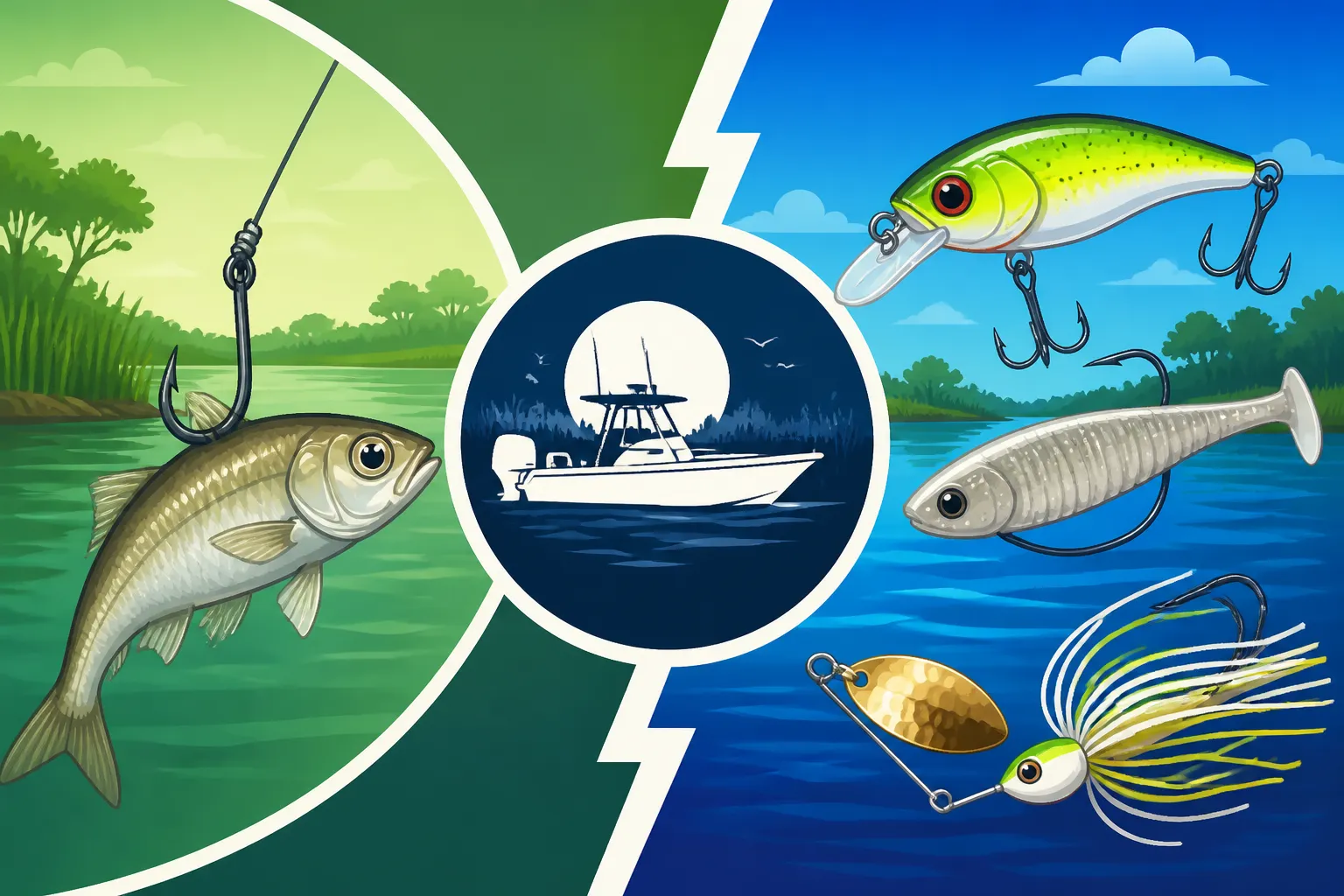
The Great Bait Debate: Live Bait vs. Artificial Lures in Charter Fishing
When you book a fishing charter, whether it's for bass on Ross Barnett Reservoir or redfish on the Mississippi Gulf Coast, your captain's bait choice is a strategic decision. It's not just a matter of preference; it's about putting you on the fish and increasing your chances of a successful trip. Most experienced captains are incredibly adaptable, ready to switch tactics based on conditions and what the fish are biting.
Understanding Live Bait in Charter Fishing
There’s something undeniably primal and effective about fishing with live bait. It's what fish eat naturally, so it often presents the most convincing offering.
Why Live Bait is Often Preferred
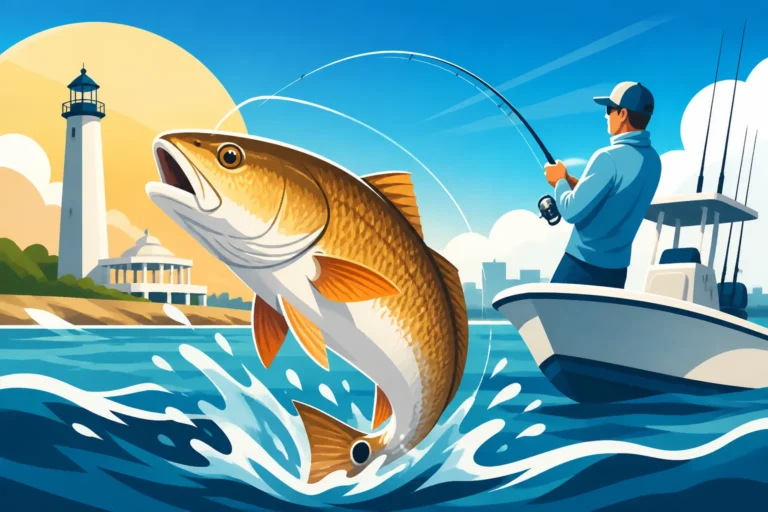
The biggest reason many captains lean towards live bait is its effectiveness. It's alive, it moves, it smells like food, and it appeals to a wide range of predatory fish. For anglers who are new to fishing or just want the highest chance of getting a bite, live bait often provides that immediate gratification. You don't need a perfect cast or a subtle retrieve; the bait itself does a lot of the work to attract attention. For example, if you're targeting big blue catfish in the Mississippi River, a lively shad or piece of cut bait can be irresistible. Similarly, when chasing speckled trout on the Gulf Coast, a frisky live shrimp under a popping cork is often deadly.
Captains often have reliable sources for fresh live bait, or they might even catch it themselves right before a trip to ensure it's in prime condition. This dedication to fresh, lively offerings is a testament to its value.
Common Types of Live Bait Used in Mississippi
The type of live bait used will largely depend on whether you're fishing freshwater or saltwater and, of course, the target species.
In freshwater, you’ll often see:
- Minnows: A staple for crappie, especially on lakes like Grenada Lake or Sardis Lake. They are small, active, and highly effective.
- Shad: Prized for bass, catfish, and even hybrid stripers. Captains might net these themselves.
- Worms and Nightcrawlers: Excellent for bream, catfish, and smaller bass, often a go-to for family-friendly trips.
- Crawfish: A natural food source for largemouth bass, especially in rocky or riverine environments.
For saltwater adventures along the Mississippi Gulf Coast, common live baits include:
- Shrimp: The universal candy of the inshore waters. Almost everything eats a live shrimp, from speckled trout to redfish and flounder.
- Minnows/Baitfish: Pinfish, croakers, or finger mullet are commonly used for larger game fish like redfish, flounder, and sometimes even a stray snapper or cobia nearshore.
- Crabs: Excellent for sheepshead around jetties or for bull redfish.
Using live bait means ensuring it stays alive and healthy throughout the trip, which requires a good livewell system on the boat. This is something experienced charter captains excel at.
Scenarios Where Live Bait Excels
Live bait truly shines in a few key situations:
- When fish are finicky: Sometimes, fish just aren't interested in chasing down a lure. A natural, struggling live bait can often tempt even the most hesitant fish. This is especially true after a cold front or when water temperatures fluctuate, making fish less aggressive.
- For beginners: If you're introducing kids or novices to fishing, live bait provides a higher probability of getting bites, which builds excitement and confidence. It reduces the learning curve of casting and retrieving artificials.
- Targeting specific, less aggressive species: Certain species, like some bottom-dwelling fish or those in deeper, cooler waters, often respond better to a natural, scented presentation.
- In murky or stained water: When visibility is low, the scent and natural movement of live bait can be a huge advantage, helping fish locate your offering even if they can't see it clearly.
Pros and Cons of Live Bait
| Aspect | Pros | Cons |
|---|---|---|
| Effectiveness | Highly attractive to most species; natural scent and movement | Can be less selective, leading to smaller fish |
| Cost | Adds to charter operating costs, sometimes passed on to client | Can be expensive to purchase in bulk |
| Effort | Less skill required for the angler | Requires careful handling and storage by captain |
| Versatility | Works across many conditions and species | Limited by availability and regulations |
| Conservation | Higher chance of fish swallowing hook, harder release | Can be harder to practice catch-and-release with |
The Art and Science of Artificial Lures on Charters
While live bait has its advantages, artificial lures are far from second-best. In many situations, they are the preferred, and often more exciting, tool for a productive fishing day.
Why Artificial Lures Are Chosen
Artificial lures are all about mimicking natural prey through color, shape, vibration, and action. For many captains, they offer incredible versatility and efficiency. They are clean, easy to store, and allow for a lot of ground to be covered quickly, which is great when you're trying to locate active fish. An experienced angler can manipulate a lure in ways that mimic an injured baitfish, triggering aggressive strikes that live bait might not.
For species like largemouth bass, particularly those in clearer waters of reservoirs like Pickwick Lake, artificial lures allow for precise presentations around structure, which can be key to success. Many guides specialize in teaching techniques like working a jig or casting a topwater plug, which is a very rewarding way to fish. You might find charter captains who are experts in Bass Fishing Techniques for Mississippi Anglers.
Popular Types of Artificial Lures for Mississippi Species
Just like live bait, the choice of artificial lure depends heavily on the target and environment.
In freshwater, expect to see:
- Jigs: For crappie (often tipped with a minnow for extra appeal), bass, and even catfish. Different sizes and colors mimic various baitfish or insects.
- Crankbaits and Spinnerbaits: Excellent for covering water and enticing aggressive bass. These create vibration and flash, mimicking a fleeing baitfish.
- Soft Plastics: Worms, creature baits, and swimbaits are incredibly versatile for bass, allowing for various rigging techniques like Texas rigs or Carolina rigs.
- Topwater Lures: Explosive and exciting for bass, especially during low-light conditions. These mimic dying baitfish or frogs on the surface.
For saltwater fishing, artificials include:
- Soft Plastic Swimbaits and Grubs: Often paired with a jig head, these are incredibly effective for speckled trout, redfish, and flounder. They come in a myriad of colors and shapes to imitate shrimp or baitfish.
- Spoons: Great for mimicking fleeing baitfish, especially in open water or around schools of active fish.
- Hard Lures (MirrOlure, Rapala): Mimic baitfish and are fantastic for targeting speckled trout and redfish, often twitched or reeled to create an enticing action.
- Popping Corks with Jigs/Soft Plastics: While a popping cork itself isn't a lure, it's a key component. The popping sound attracts fish, and the artificial lure suspended below does the work.
Many captains will have a vast tackle box filled with different brands and styles, ready to adapt to whatever the fish are biting.
Scenarios Where Artificial Lures Are Superior
Artificial lures can outperform live bait in specific situations:
- When fish are aggressive: During feeding frenzies or when fish are actively chasing bait, a properly presented artificial lure can trigger more strikes than a stationary live bait.
- Covering a lot of water: If fish are scattered, artificial lures allow anglers to cast and retrieve repeatedly, covering large areas more efficiently to locate active schools. This is often the case when fishing for schooling white bass or hybrid stripers.
- Targeting trophy fish: Many experienced anglers believe that artificial lures, especially those worked with precision, can be more selective, often attracting larger, more aggressive predatory fish.
- Catch and release: When practicing catch-and-release, artificial lures often lead to hooks in the mouth, minimizing harm to the fish for a healthier release. This is crucial for conservation, especially for species with strict Mississippi Fishing Creel and Size Limits.
- In clear water: With good visibility, fish can closely inspect bait. A well-designed, lifelike artificial lure can be incredibly convincing without the drawbacks of a less-than-lively natural bait.
Pros and Cons of Artificial Lures
| Aspect | Pros | Cons |
|---|---|---|
| Effectiveness | Highly versatile; can be selective for larger fish | Requires more skill and precise presentation |
| Cost | Charter supplies own tackle; no recurring bait cost | High initial investment for captain in diverse lures |
| Effort | More engaging and active for the angler | Can be frustrating for beginners if fish aren't biting |
| Versatility | Countless options for color, size, action | Can be overwhelming to choose the right one |
| Conservation | Generally results in fewer deeply hooked fish | Some lures can be lost to snags, littering water |
When Charters Choose Which: Factors Influencing the Decision
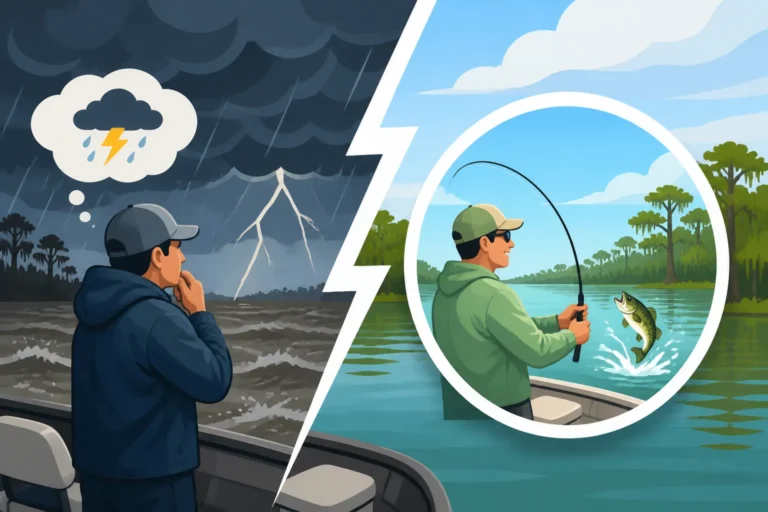
A good Mississippi fishing charter captain is part meteorologist, part marine biologist, and part psychologist. They weigh many factors before deciding whether to rig up with live bait, artificial lures, or a combination of both. When you're looking to book a trip, checking out guides on platforms like FishingBooker often gives you a glimpse into their preferred methods, though the best practice is always to communicate directly.
Target Species and Habitat
This is probably the most significant factor. Different fish species have different feeding habits, preferences, and live in varying environments.
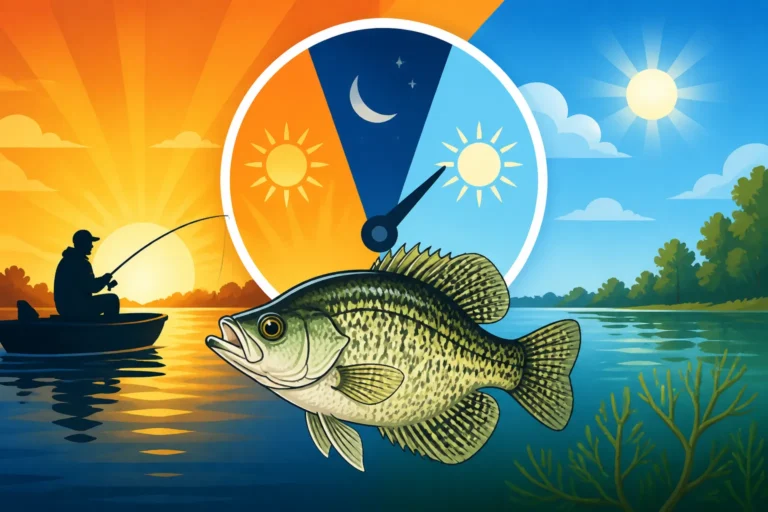
For instance, if you're specifically targeting crappie in the springtime on Sardis Lake, a captain is highly likely to have a baitwell full of lively minnows, perhaps rigged on a Jig Fishing for Crappie setup or even spider-rigged. Why? Because crappie, especially when they're staging or spawning, often prefer a subtle, natural presentation. However, once the spawn is over and they move to deeper brush piles, artificial jigs can become incredibly effective, especially for experienced anglers who can feel the bite.
Conversely, if you're after trophy largemouth bass in a specific creek arm of the Pearl River, a guide might opt for artificials like large swimbaits, jigs, or topwater frogs to provoke an aggressive strike. Bass are known to hit reactionary baits, and the excitement of a topwater blow-up is unmatched.
In saltwater, if you’re fishing for flounder lurking on the bottom, a live minnow or shrimp is often hard to beat as it moves along the seafloor. But for fast-moving redfish on the flats, a perfectly cast soft plastic grub or spoon might be more efficient for covering ground and mimicking their fleeing prey. Knowing the Mississippi Saltwater Fish Species Guide can help you understand these preferences.
Environmental Conditions and Time of Year
Mother Nature plays a huge role in what the fish are willing to eat. A savvy captain constantly assesses the conditions.
- Water Clarity: In gin-clear water, artificial lures need to be incredibly realistic, and sometimes a live bait's natural movement is simply more convincing. In muddy or stained water, like after heavy rains on the Mississippi River, scent becomes paramount, often favoring live bait or scented artificials that fish can find even if they can't see them well.
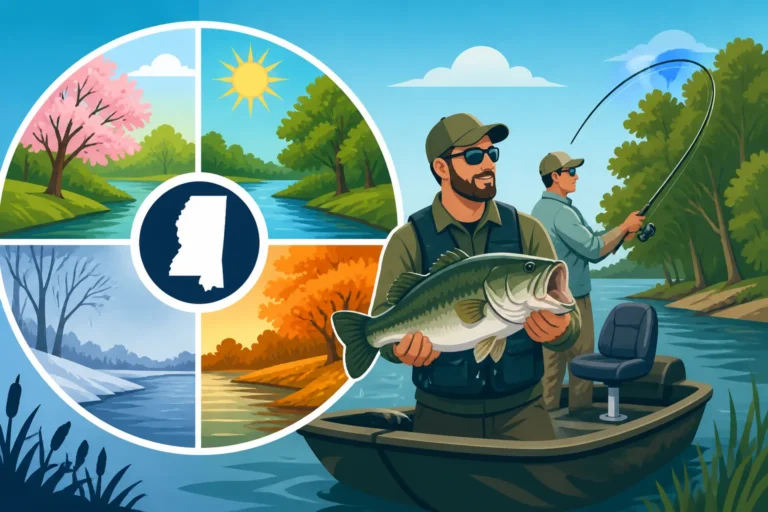
- Water Temperature: Cold water often makes fish lethargic. They're less likely to chase a fast-moving lure and more inclined to pick up an easy meal, making live bait a strong choice. In warmer water, fish are more active and aggressive, making them prime targets for a variety of artificial presentations. Understanding Mississippi Fishing Seasons Calendar is key here.
- Time of Day/Year: Early mornings and late evenings often lend themselves to topwater artificials for bass. During the heat of a Mississippi summer, fish often go deep, and a charter might employ deep-diving crankbaits or vertically jigging with live bait or heavy spoons. During the fall shad run, artificial swimbaits that imitate the schooling baitfish can be incredibly productive for bass and crappie.
- Wind and Current: Strong currents or high winds can make presenting lightweight artificials difficult. In such cases, heavier live bait rigs can hold bottom better, keeping your offering in the strike zone.
Angler Skill Level and Preference
Believe it or not, your skill level and what kind of fishing experience you're hoping for can also influence the captain's decision.
Beginners vs. Experienced Anglers
If you're bringing kids or a group of complete beginners, a charter captain will often start with live bait to maximize the chances of getting bites. There's nothing more discouraging than struggling with casting and not feeling a single tug. Live bait helps ensure everyone gets some action, making for a memorable first experience. These types of trips are often listed as Family-Friendly Fishing Charters on the Mississippi Coast.
For more experienced anglers, especially those who prefer a challenge or want to learn specific techniques, captains are usually more than happy to focus on artificial lures. It allows for more interactive fishing, where the angler is actively working the bait to generate strikes. This can be a more rewarding experience for those who enjoy the "hunt."
The Charter's Philosophy
Every captain has their own philosophy and specialties. Some captains pride themselves on being artificial-only purists, believing it's the most sporting or skilled way to fish. Others are "meat fishermen" focused solely on putting as many fish in the boat as possible for dinner, and for them, live bait is often the most efficient route. Many, however, are a blend of both, adapting to conditions and client wishes. When browsing options on FishingBooker, you might even see some captains mention their preferred methods in their descriptions.
What to Expect on Your Mississippi Fishing Charter
So, how do you navigate this before you even get on the boat? Communication is your best friend!
Communication with Your Captain
Don't be shy! When you're booking or confirming your trip, it's perfectly acceptable, and even encouraged, to ask your captain about their bait strategy. Here are some questions you might ask:
- "What kind of bait do you typically use for target species this time of year?"
- "Are we going to be using mostly live bait or artificial lures?"
- "I'm really hoping to try some topwater fishing. Is that something we might do?"
- "My kids are coming; what's the best approach to get them some bites?"
A good captain will appreciate your engagement and will be happy to explain their plan, and often tailor it to your group's experience and preferences if conditions allow. It helps manage expectations and ensures everyone has a great time. Remember, they are the experts on the water that day, and their recommendations are usually spot-on.
Combining Approaches: The Best of Both Worlds
Often, the most effective charter trips aren't exclusive to one type of bait. Many captains employ a hybrid approach, leveraging the strengths of both live bait and artificial lures.
For example, a captain might start the morning casting artificial topwater lures for bass when they are most active. As the sun rises and the bite slows, they might switch to presenting soft plastics around submerged timber or even drop live minnows into deep brush piles. In saltwater, a common tactic is to have some rods rigged with live shrimp under popping corks, while others are set up for casting artificial soft plastics to cover more ground or target more aggressive redfish.
This versatility is a hallmark of a great charter captain. They understand that what worked an hour ago might not work now, and having both options at their disposal allows them to adapt constantly. This often means your boat will be equipped with a livewell for bait and a tackle box bursting with various lures. Whether you're fishing for Largemouth Bass Fishing in Mississippi or Redfish Fishing on the Mississippi Coast, adaptability is key.
In essence, whether your Mississippi fishing charter uses live bait or artificial lures depends on a dynamic interplay of factors. The best captains are masters of adaptation, constantly assessing the environment, the target species, and even the anglers themselves to choose the most effective strategy for a successful day on the water.
| Feature | Live Bait | Artificial Lures |
|---|---|---|
| Primary Appeal | Natural scent, movement, taste | Mimics prey via sight, sound, vibration, action |
| Effectiveness | Often reliable for consistent bites, less skill needed | Can trigger aggressive strikes, requires more skill |
| Target Species | Broad range, often preferred for finicky eaters | Excellent for aggressive predators, selective |
| Conditions | Good in murky water, cold water, slow bite | Excels in clear water, active fish, covering ground |
| Angler Skill | Great for beginners and kids | More engaging for experienced anglers |
| Conservation | Higher risk of deep hooking | Generally allows for easier catch and release |
| Captain's Setup | Requires livewell, bait storage, frequent replenishment | Requires diverse tackle, less maintenance during trip |
| Cost Implication | Can add to charter expenses due to bait purchase | Captain's initial gear investment, reusable |
Disclaimer
This article is for general informational purposes only and does not constitute professional advice. Laws, prices and regulations vary by location and change over time. Consult a qualified professional for guidance on your specific situation.