Bait Charters Use for Speckled Trout
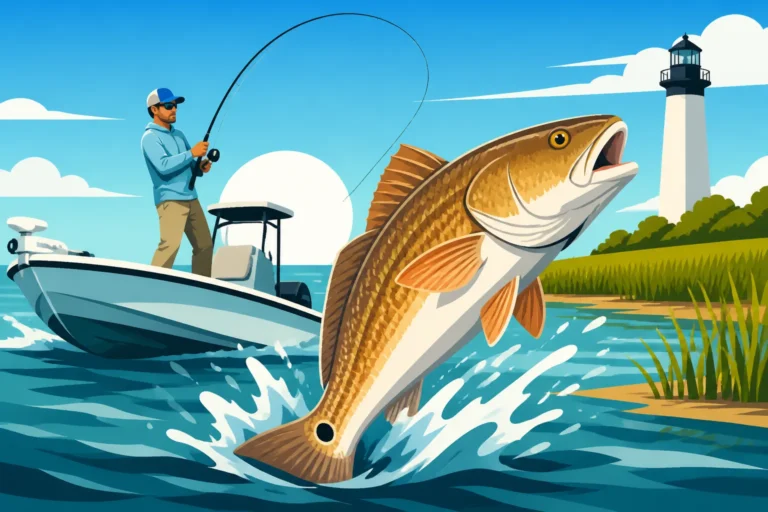
There's nothing quite like the thrill of a speckled trout hitting your line on the Mississippi Gulf Coast. You’ve probably heard stories, seen the photos, and maybe even been out there yourself, but trying to figure out what bait a seasoned charter captain will actually use to put you on these fantastic fish can feel like trying to crack a secret code. This guide is going to pull back the curtain on the most effective baits and lures Mississippi charters employ for speckled trout, helping you understand the strategies behind a successful trip.
Understanding the Speckled Trout's Menu: What Makes Them Bite?
When you're chasing speckled trout, or "specks" as we often call them down here, it's essential to think like one. These aren't just any fish; they're ambush predators with specific preferences that change with the seasons, water conditions, and even the time of day. Knowing what they're naturally hunting for is the first step in understanding why charter captains rely on certain baits.
Their Natural Diet and Feeding Habits
Speckled trout have a fairly consistent diet of smaller baitfish and crustaceans, which informs almost all successful fishing strategies. They're opportunistic feeders, meaning they'll eat whatever is readily available and easy to catch in their environment. In the shallow, brackish waters of the Mississippi Sound and its bayous, this usually means shrimp, juvenile mullet, croaker, and a variety of other small fish. A successful charter captain isn't just throwing bait in the water; they're mimicking what the trout are already looking for.
During different times of the year, certain food sources become more prevalent. For example, shrimp migrations can turn speckled trout into absolute feeding machines, making live shrimp an almost irresistible offering. Likewise, if there's a strong population of small croaker or pinfish in an area, the trout will be keying in on those. Understanding Speckled Trout Diet and Feeding Habits is crucial for both charter captains and recreational anglers alike.
How Water Conditions Influence Bait Choice
The clarity and temperature of the water play a massive role in what bait a charter captain might choose. On a clear, calm day, trout might be more visually oriented, making subtle presentations and natural-looking baits more effective. They can see further, so a live shrimp or a realistic soft plastic lure can be spotted from a distance. However, if the water is murky from recent rains or a stirred-up tide, scent and vibration become paramount. In these conditions, a stinky cut bait or a soft plastic with a strong paddle tail creating a lot of thump in the water will often outperform visually appealing options.
Captains are constantly observing these conditions. They'll look at the tide charts, note recent weather patterns, and even dip a thermometer in the water to gauge how the trout might be behaving. This real-time assessment directly impacts their bait and lure selections, ensuring they're always putting the most enticing offering in front of the fish.
The Go-To Live Baits for Mississippi Speckled Trout Charters
When it comes to putting speckled trout in the cooler, especially for clients who want to feel that unmistakable thump of a live bait strike, charter captains often turn to a few proven favorites. Live bait offers an undeniable advantage: it looks, smells, and moves like the real thing, often triggering strikes when artificials might not.
Live Shrimp: The Speckled Trout's Favorite Snack
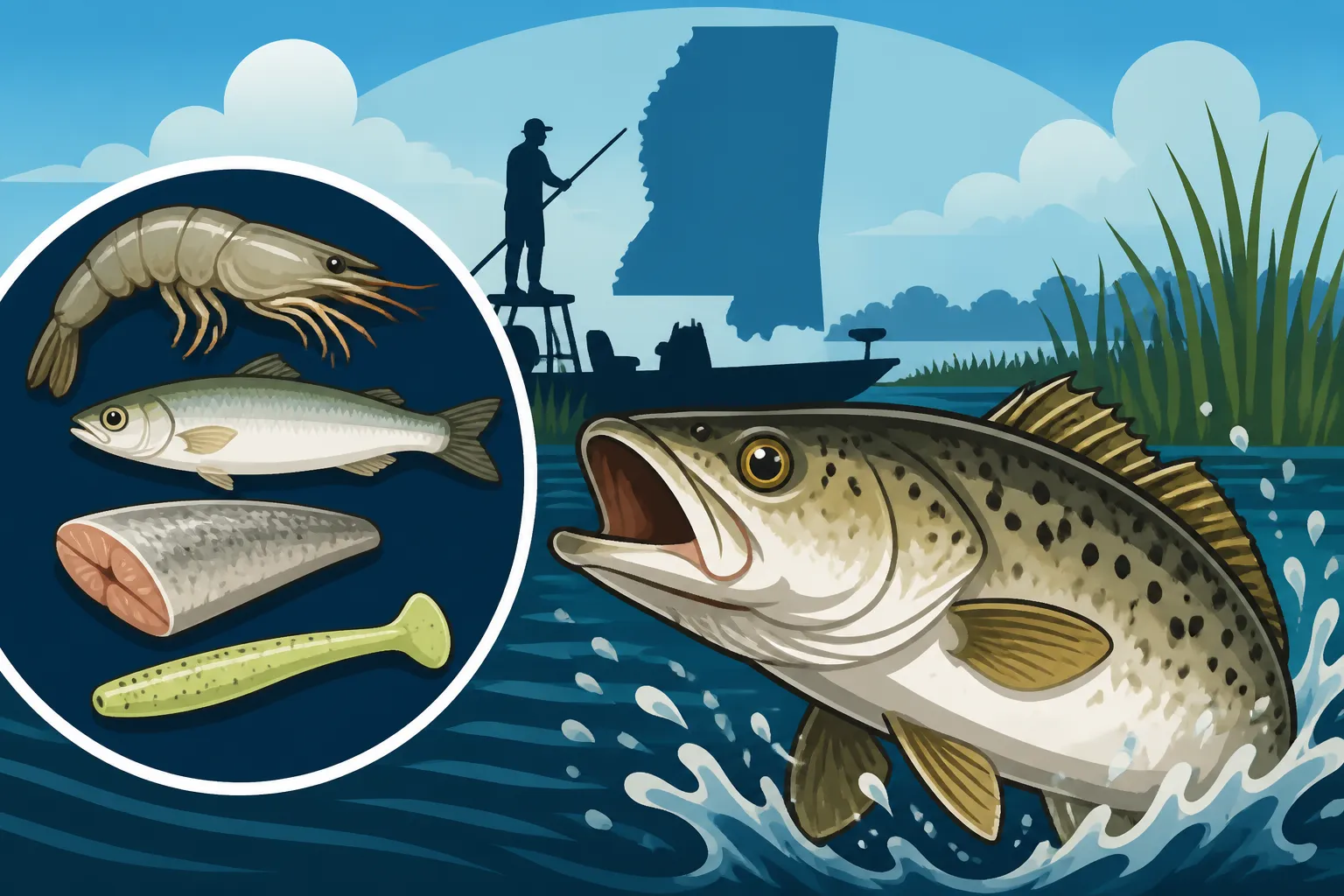
If there's one bait that's universally loved by speckled trout along the Mississippi Gulf Coast, it's live shrimp. These little crustaceans are a staple in the trout's diet, and when presented correctly, they are incredibly effective. Charters almost always have a livewell full of frisky shrimp, ready to go.
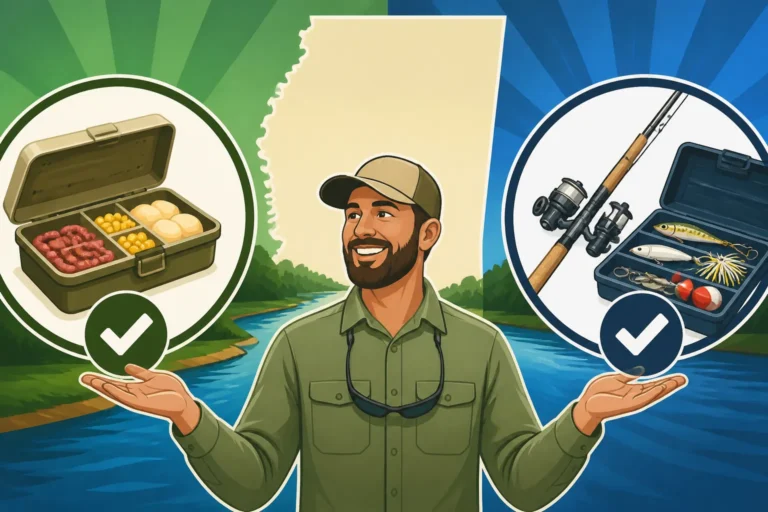
Captains typically rig live shrimp in a few ways. One common method is under a popping cork. This setup allows the shrimp to suspend at a desired depth, while the popping sound of the cork mimics feeding fish, attracting trout from a distance. When you twitch the rod tip, the cork "pops," creating a disturbance, and the live shrimp dangles enticingly below. This is an incredibly effective technique for covering water and targeting trout holding in grass flats or near structure. Understanding How to Fish Live Shrimp Under a Popping Cork is a game-changer for many anglers. Another method is free-lining or using a small split shot to keep the shrimp near the bottom, especially when trout are schooled up or holding close to oyster beds or other submerged structures. The natural movement of a live shrimp is often all it takes to provoke a strike.
Live Mullet and Croaker: Bigger Baits for Bigger Trout
While shrimp are fantastic for consistent action, when a charter captain is hunting for those true "gator" trout – the big ones – they often turn to larger live baits like juvenile mullet or croaker. These baits are meatier, harder for smaller trout to swallow, and thus more appealing to the dominant, larger fish in a school.
Mullet, often caught with cast nets in the same areas where trout feed, are hardy baits that put off a lot of vibration. They can be free-lined, or fished with a small weight to keep them near the bottom, especially in areas with deeper cuts or strong current. Croaker, with their unique croaking sound and robust profile, are also fantastic choices. Trout often key in on these larger prey items when they are actively feeding or when water conditions allow for a more aggressive presentation. Charters will usually hook these through the lips or just behind the dorsal fin to keep them lively. These baits are typically fished in areas known for holding larger trout, such as deeper holes, passes, or around significant structure like bridges and jetties.
Artificial Lures: When Charters Reach for the Plastics and Hard Baits
While live bait is a consistent producer, artificial lures offer versatility, durability, and the ability to cover vast amounts of water quickly. Mississippi fishing charters are adept at using artificials, often switching between them and live bait depending on the trout's mood and fishing conditions.
Soft Plastics: The Workhorses of Speckled Trout Fishing
Soft plastic lures are undoubtedly the most popular artificial choice for speckled trout fishing, and for good reason. They come in an endless array of shapes, sizes, and colors, allowing captains to perfectly imitate the natural forage available. Whether it's a slim jerk shad mimicking a small baitfish or a curly tail grub imitating a shrimp, there's a soft plastic for every scenario.
The most common way charters rig soft plastics is on a jig head. The weight of the jig head allows for casting distance and helps get the lure down to the desired depth. Captains will vary the jig head weight based on current, depth, and how actively the fish are feeding. A popular technique involves casting the jig out and retrieving it with a series of short hops or drags along the bottom, simulating a wounded baitfish or a darting shrimp. Colors like "chartreuse," "opening night," "Glow," and "new penny" are perennial favorites among Mississippi guides. Often, these soft plastics are also fished under a popping cork, just like live shrimp, giving them an enticing dance in the water. This combination is particularly effective in shallow grass flats or around oyster reefs.
Topwater Plugs and Suspending Baits: Excitement on the Surface
For sheer excitement, nothing beats a topwater strike. When speckled trout are aggressive and feeding near the surface, charter captains will often tie on topwater plugs. These lures, designed to float and "walk the dog" or "spit" across the water's surface, create a commotion that draws explosive strikes from hungry trout. Imagine a big speck exploding on your lure—it’s an unforgettable experience!
Topwater action is often best during low light conditions, such as early morning or late evening, or on cloudy days when trout feel more comfortable feeding in the open. Popular choices include lures from manufacturers like Heddon or MirrOlure, which have proven track records for enticing strikes. When the trout are a little deeper or less willing to commit to the surface, suspending twitch baits come into play. These lures dive a few feet and then hang suspended in the water column when paused, mimicking a stunned or injured baitfish. A "twitch, twitch, pause" retrieve is often deadly for speckled trout, especially when they're lethargic or holding tight to structure. Many charters fishing the bays and bayous will have a selection of these.
| Bait Type | Best Conditions / Target | Pros | Cons | Common Rigging |
|---|---|---|---|---|
| Live Shrimp | Clear to slightly murky water, all sizes of trout | Highly natural, high hook-up rate, excellent scent | Can be delicate, easily stolen by small fish | Under popping cork, free-lined, small weight |
| Live Mullet/Croaker | Seeking trophy trout, aggressive fish | Attracts larger fish, hardy bait | Requires larger tackle, may deter smaller trout | Free-lined, weighted, through lips or back |
| Soft Plastic Jigs | Versatile, varying depths, all sizes | Durable, cost-effective, wide color selection | Requires skill to impart action, less natural scent | Jig head, under popping cork |
| Topwater Plugs | Aggressive fish, low light, surface feeding | Exciting strikes, covers water quickly | Less effective in deep or rough water, requires precise retrieve | Cast and "walk the dog" |
| Suspending Twitch Baits | Neutral to active fish, structured areas | Mimics injured baitfish, good for precise depth | Can be snagged, less versatile than soft plastics | Twitch and pause retrieve |
How Charters Choose Their Bait and What to Ask
The success of a charter trip often hinges on the captain's ability to adapt to changing conditions and the behavior of the fish. They don't just pick a bait at random; they make informed decisions based on years of experience and local knowledge. When you're booking a trip, especially with platforms like FishingBooker, it's good to know what questions to ask to manage your expectations and even learn a thing or two.
Captain's Expertise and Local Knowledge
A great Mississippi fishing charter captain is essentially a walking encyclopedia of local fishing knowledge. They know the tides, the currents, the seasonal patterns, and where the baitfish are holding. This intimate understanding of the local ecosystem directly influences their bait choices. For instance, if they know it's a Mississippi Crappie Spawning Season Closure Rules or Mississippi Red Snapper Season Dates but the speckled trout are thick in a particular bay, they'll adjust. They'll also know if the trout have been schooling up in deeper channels or spread out over shallow flats, which dictates whether they'll primarily use live bait under corks or focus on casting artificials.
Don't be afraid to ask your captain about their bait philosophy. Many captains are passionate about their craft and love to share why they're using a particular bait or technique. They might explain how the water temperature affects the trout's metabolism, making them prefer slower-moving live bait in cooler months, or faster, erratic artificials in warmer periods. This wealth of knowledge is one of the main reasons anglers choose a guided trip, as it takes the guesswork out of finding and catching fish.
Asking About Bait Provided and Preferences
When you're arranging your trip, especially through a service like FishingBooker, it's always a good idea to clarify what's included. Most reputable Mississippi fishing charters will provide all necessary bait, tackle, and equipment. However, some might offer options for live bait, which can sometimes incur an additional cost if bait is scarce or particularly expensive that day. It's rare, but always worth a quick confirmation.
You can also inquire about the captain's preferred bait. Many captains have a go-to bait they trust, whether it's the reliability of live shrimp or the effectiveness of a specific soft plastic jig. You might ask, "What kind of bait do you typically use for speckled trout this time of year?" or "Are we likely to use more live bait or artificials?" This not only helps you understand the trip better but also demonstrates your interest in the fishing process, which captains appreciate. Remember, sometimes the best strategy is a mix of both, using artificials to locate active schools and then switching to live bait for consistent hook-ups.
Maximizing Your Speckled Trout Catch with a Charter
Going out with a professional charter captain is one of the best ways to learn and maximize your chances of a successful speckled trout fishing trip. They handle the logistics, have the right gear, and most importantly, know exactly where to go and what to throw.
The Advantage of Experience and Specialized Gear
Charter captains invest heavily in their craft, which means they have top-of-the-line rods, reels, and electronics that enhance the fishing experience. Their boats are typically rigged with advanced fish finders and GPS systems that pinpoint prime speckled trout habitat, like oyster reefs, submerged grass beds, and channel edges. These tools allow them to locate fish quickly and efficiently, putting you in the best position to catch them.
Beyond the gear, it's their experience in reading the water and the fish that truly sets them apart. They can discern subtle changes in current, water clarity, and bird activity that indicate where trout might be feeding. They've seen countless scenarios and know how to adjust their tactics, including bait choice, to match the conditions. Whether it's the Best Time of Day to Catch Speckled Trout or adapting to a post-front bite, their expertise is invaluable.
Learning From Your Captain's Bait Strategies
One of the most valuable aspects of a guided trip isn't just catching fish, but learning how the captain does it. Pay attention to how they rig their baits, how they cast, and their retrieve techniques. Observe their choice between a jig under a popping cork versus a free-lined live shrimp. Ask questions about why they chose a particular color soft plastic or why they're working a specific type of structure. This kind of hands-on education is something you can't get from watching videos or reading articles alone.
Many anglers use charters as an opportunity to hone their own skills, taking what they learn back to their personal fishing adventures. When you book a trip through a platform like FishingBooker, you're not just buying a fishing trip; you're investing in an educational experience that will make you a better angler in the long run. Whether you're planning a trip to the Biloxi Fishing Charters Guide or exploring the waters covered in the Mississippi Saltwater Sportfishing License, soaking up the captain's wisdom about bait selection and presentation is key to future success.
Disclaimer
This article is for general informational purposes only and does not constitute professional advice. Laws, prices and regulations vary by location and change over time. Consult a qualified professional for guidance on your specific situation.