Fly Fishing Guides on the Mississippi Coast
For many anglers, the idea of chasing fish with a fly rod conjures images of pristine mountain streams or expansive trout rivers. But for those of us living on or visiting the Mississippi Coast, a different, equally thrilling fly fishing world awaits: the vast, intricate network of saltwater flats, marshes, and bayous. Finding a specialized fly fishing guide here can feel like searching for a needle in a haystack, especially if you're new to the area or saltwater fly angling. This comprehensive guide aims to demystify the process, helping you understand what makes fly fishing on the Mississippi Coast so special and how to choose the perfect guide to unlock its secrets.
Why Choose Fly Fishing on the Mississippi Coast?
The Mississippi Gulf Coast offers a unique and often overlooked fly fishing paradise. It’s not just about the big game offshore; the inshore waters teem with opportunities for fly anglers seeking a different kind of challenge and reward. The sheer diversity of habitat, from shallow grass flats to intricate marsh systems, provides an incredible backdrop for sight casting and technical angling.
The Unique Allure of Saltwater Fly Fishing
Saltwater fly fishing presents a distinct set of challenges and thrills compared to its freshwater cousin. The fish are often stronger, the tides and currents add a dynamic element, and the ability to sight cast to cruising reds or schooling speckled trout in clear, shallow water is an experience that truly gets the adrenaline pumping. You're not just casting; you're hunting, observing the water for subtle signs, and executing precise presentations. It's a game of patience, stealth, and quick reflexes, making every hook-up feel like a hard-earned victory.
Beyond the fight itself, there's a profound connection to the coastal environment. Standing on a poling skiff, gliding silently across a flat, you become acutely aware of the delicate ecosystem around you – the osprey circling overhead, the playful dolphins in the distance, and the subtle movements of baitfish that signal a predatory game fish nearby. It's an immersive experience that deepens your appreciation for Mississippi's natural beauty and the vibrant life beneath its waters. This blend of challenge, beauty, and environmental connection is what draws so many to the flats.
Target Species for Fly Anglers
When you hit the water with a fly fishing guide on the Mississippi Coast, you're primarily going to be targeting a few star species that are perfectly suited for the long rod. The undisputed king of the flats here is the Redfish. These powerful, copper-colored fish are often found tailing in shallow water, their tails breaking the surface as they grub for crabs and shrimp, making them prime targets for sight fishing. They put up a tremendous fight on a fly rod, with strong runs and headshakes that will test your tackle and your resolve. You can learn more about these exciting fish in our Redfish Fishing on the Mississippi Coast guide.
Another highly sought-after species is the Speckled Trout. While not always in super shallow water like redfish, they can be found cruising grass beds, oyster reefs, and around structures, eagerly attacking baitfish patterns. They are known for their aggressive strikes and aerial acrobatics, making them incredibly fun on a fly rod. Flounder are also an occasional, delightful surprise, often ambushing flies presented near the bottom. Your guide will know the best spots and times to target each, maximizing your chances for a diverse and exciting day. We have more details about their habits in our Speckled Trout Fishing on the Mississippi Coast post.
Seasonal Opportunities for Fly Fishing
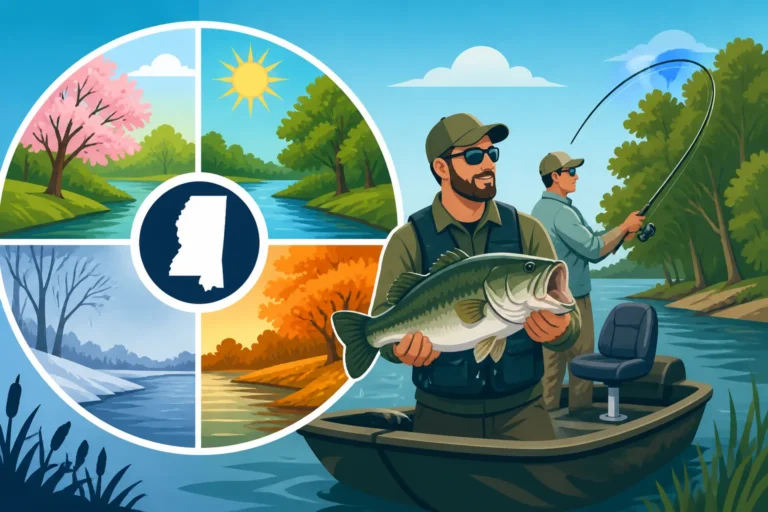
Mississippi's Gulf Coast offers fly fishing opportunities year-round, but the specific tactics and target species can shift with the seasons. Spring brings warming waters, prompting redfish and speckled trout to become more active and move into shallower areas to feed aggressively after the cooler months. This is often a fantastic time for sight fishing as fish become more visible. Summer fishing is hot, literally, and often means early morning or late evening trips to beat the heat, with fish holding deeper or seeking shade, though topwater action can be explosive.
Fall is arguably the prime season, as cooler temperatures invigorate the fish and huge schools of baitfish migrate, leading to phenomenal feeding frenzies. The "mullet run" can offer incredible opportunities for larger predatory fish. Even winter, with its clearer, colder waters, can be excellent for sight fishing redfish gathered in sun-warmed potholes and protected coves. Understanding these seasonal patterns is key, and a good guide will always know where the fish are holding and what they're biting on, regardless of the time of year. For a broader overview of coastal angling, check out our Mississippi Gulf Coast Fishing Guide.
What to Look for in a Mississippi Coast Fly Fishing Guide
Choosing the right fly fishing guide is paramount to a successful and enjoyable trip, especially in a specialized niche like saltwater fly fishing. It's not just about finding someone with a boat; it's about finding a true expert who can enhance your experience, teach you, and put you on fish.
Experience and Local Knowledge
When seeking a fly fishing guide on the Mississippi Coast, experience isn't just a bonus; it's a necessity. You want someone who has spent years, if not decades, navigating these specific waters. The intricate network of bays, bayous, tidal creeks, and oyster reefs changes with the seasons, tides, and even major weather events. A seasoned guide will understand these nuances intimately, knowing where the fish will be holding based on current conditions, water clarity, and bait movements. They’ll have a mental map of every pothole, every grass flat, and every submerged structure that holds fish.
Their local knowledge extends beyond just where to find fish; it includes understanding the local regulations and conservation efforts. A truly experienced guide will prioritize ethical angling, teach you how to handle fish properly for catch and release, and ensure you're fishing within all creel and size limits. You want someone who is not only a fantastic angler but also a steward of the environment. Finding these licensed professionals is made easier through platforms like FishingBooker, which often highlight guides' years of experience and local expertise.
Equipment and Boat Setup
The right equipment makes all the difference in saltwater fly fishing. A dedicated fly fishing guide will typically operate a shallow-draft skiff or bay boat, designed to access the skinny water where redfish and speckled trout often feed. This boat should be stable for casting and equipped with a poling platform for silent navigation across flats, allowing your guide to spot fish from a distance without spooking them. Ask about the boat type when booking; a traditional V-hull offshore boat simply won't cut it for inshore fly fishing.
Beyond the vessel, a quality guide will provide appropriate fly rods and reels, usually in 8-10 weight ranges, matched with lines suitable for saltwater conditions and a variety of flies. While many experienced fly anglers prefer to bring their own gear, having access to loaner equipment that is well-maintained and suited for the target species is crucial, especially for beginners or those traveling light. Good guides often tie their own flies or have a selection of proven patterns that consistently produce results in their local waters.
Teaching and Patience
Not every great angler is a great teacher, and in fly fishing, especially for beginners, a guide’s ability to instruct is invaluable. You need someone patient, who can calmly explain casting techniques, line management, and presentation strategies without making you feel rushed or inadequate. They should be able to break down complex actions into understandable steps, offering constructive feedback that helps you improve throughout the day. This isn't just about catching fish; it's about developing your skills.
An excellent fly fishing guide will also be adept at reading the water and communicating what they see to you, helping you learn to spot fish yourself or understand where to cast. They'll celebrate your successes and offer encouragement during your struggles. Their goal should be to make you a better angler, not just to put fish in the boat for you. Whether you're a seasoned fly caster looking to refine your saltwater game or a complete novice eager to learn, a patient and instructional guide will make your trip infinitely more rewarding.
Popular Fly Fishing Spots and Techniques with a Guide
The Mississippi Coast's diverse aquatic landscape provides a multitude of settings for fly fishing, each requiring slightly different approaches and offering unique experiences. A guide will leverage their knowledge to take you to the most productive areas for the conditions at hand.
Inshore Flats and Marsh Systems
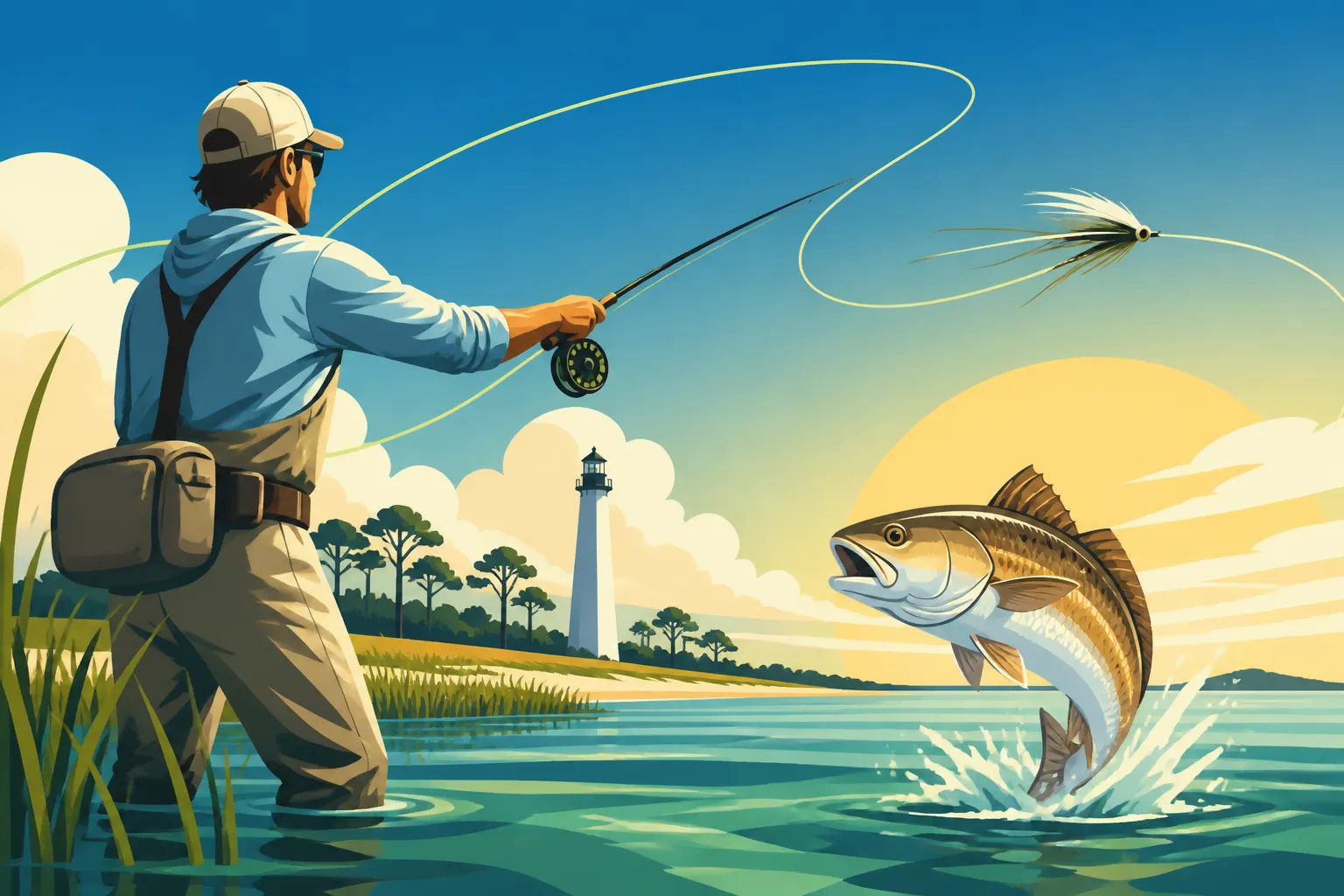
The true heart of Mississippi Coast fly fishing lies within its vast inshore flats and intricate marsh systems. These shallow-water environments are perfect for sight casting, particularly for redfish. Imagine gliding silently over a calm, clear flat, the sun at your back, and suddenly, your guide whispers, "Redfish, ten o'clock, fifty feet, tailing!" Your pulse quickens as you strip out line, make your cast, and watch the fly land perfectly ahead of the fish. These areas are characterized by extensive grass beds, oyster shells, and shallow potholes, providing both food and cover for game fish.
Techniques here primarily involve accurate casting of crab and shrimp imitations. Presentation is key: you want to land your fly softly, several feet ahead of the fish, and then strip it in with short, subtle movements to mimic natural prey. Your guide will help you understand the fish's feeding behavior and direct your casts. Exploring the labyrinthine bayous and tidal creeks within these marsh systems also offers fantastic opportunities, especially during cooler months when fish seek warmer, protected waters. This kind of nuanced fishing truly highlights the value of a guide who knows every nook and cranny. Many guides specializing in Inshore Fishing Charters on the Mississippi Coast will be well-versed in these tactics.
Nearshore Rigs and Structures
While fly fishing often conjures images of shallow water, the Mississippi Coast also offers nearshore opportunities around structures for fly anglers. Artificial reefs, oil rigs, and submerged wrecks just a short run from shore can hold a surprising variety of species, including larger speckled trout, white trout, and even Spanish mackerel. These areas typically have deeper water and stronger currents, requiring a different approach than the shallow flats. Here, sinking lines and baitfish imitations often come into play, targeting fish that are feeding deeper in the water column.
Your guide will position the boat strategically, often drifting or using a trolling motor to allow for precise casts around the structure. The challenge shifts from delicate presentation to managing currents and fighting strong fish in more open water. While not traditional "flats" fishing, it offers an exciting alternative, especially when conditions on the flats might be less favorable. It's a testament to the versatility of the Mississippi Coast fishery that such varied fly fishing experiences are available within a short distance of each other.
Common Fly Patterns and Presentations
The flies used for saltwater fly fishing on the Mississippi Coast mimic the local forage, primarily shrimp, crabs, and baitfish. For redfish and flounder on the flats, weighted shrimp and crab patterns like the "Charlies Gurgler," "Clouser Minnow" (especially in natural colors like tan and olive), and various "Crab Imitations" are absolute go-to flies. These flies need to sink quickly and land softly to avoid spooking wary fish in shallow water. You can also explore our guide on Saltwater Fishing Techniques for the Mississippi Gulf Coast for more insights into rigging and presentations.
When targeting speckled trout, especially in areas with a lot of baitfish, streamer patterns that imitate mullet or glass minnows are highly effective. Flies like the "Deceiver" or "Lefty's Half and Half" in white, chartreuse, or grey are excellent choices. Poppers and gurglers can also produce explosive topwater strikes from aggressive trout. Your guide will have a box full of proven local patterns and advise you on the best one to use based on what the fish are feeding on that day, and importantly, how to present it effectively. The "strip-strip-pause" retrieve is often a secret weapon for enticing strikes.
Planning Your Guided Fly Fishing Trip
A successful fly fishing trip requires a bit of homework and preparation, even when you're hiring a guide. Knowing what to expect and what to bring will ensure a smooth and enjoyable experience.
Booking Your Guide
The first step in planning your fly fishing adventure is booking the right guide. Begin by researching guides who explicitly specialize in fly fishing on the Mississippi Coast. Many general fishing charters focus on bait fishing, which is a different discipline entirely. Websites like FishingBooker are excellent resources for finding guides. You can often filter by fishing type (e.g., fly fishing), read reviews from other anglers, and compare guide profiles, boat types, and target species. Make sure to communicate your experience level and expectations upfront. Are you a seasoned fly caster, or a complete beginner hoping to learn the ropes? This information helps the guide tailor the trip to your needs.
It's also a good idea to inquire about their availability well in advance, especially during peak seasons like spring and fall. A direct conversation with the guide (either by phone or email after initial contact) can clarify any questions you have about their specific approach, what's included, and any special requests. Don't be shy about asking questions – a good guide will appreciate your proactive approach. This ensures that you both are on the same page for your fishing day.
What to Bring and Prepare
Even with a top-notch guide, there are essential items you’ll want to bring to ensure your comfort and safety on the water. Sun protection is paramount on the Mississippi Coast: think wide-brimmed hats, polarized sunglasses (crucial for spotting fish!), and long-sleeved UPF protective clothing. Sunscreen and lip balm are also a must. You'll likely be out in direct sunlight for hours, often with reflections from the water, so don't underestimate the sun's intensity. Hydration is also key; while some guides provide water, it's wise to bring extra, along with any snacks you might want.
Comfortable, non-marking boat shoes or deck shoes are ideal. If you plan to wade (which some guides might offer in very specific situations), saltwater wading boots or sturdy closed-toe sandals might be appropriate, but always confirm with your guide first. Rain gear, even on a sunny forecast day, is always a good idea, as coastal weather can be unpredictable. Most importantly, don't forget your fishing license! You can find detailed information on what to bring in our article What to Bring on a Mississippi Fishing Charter.
Understanding Costs and Tipping Etiquette
When booking a fly fishing guide, it’s important to understand the pricing structure. Most guides charge a flat rate for a half-day (typically 4 hours) or full-day (6-8 hours) trip. This fee usually covers the guide's time, expertise, boat, fuel, and often, all necessary fly fishing gear and flies. However, it typically does not include your fishing license, which you'll need to purchase separately. Always confirm what is and isn't included to avoid any surprises.
Tipping your guide is standard practice and greatly appreciated, reflecting their hard work, effort, and the quality of your experience. A general guideline is to tip 15-20% of the trip's cost, assuming they provided good service. If they went above and beyond, were incredibly patient, or taught you a great deal, consider tipping more. Present the tip discreetly and with a sincere thank you at the end of the trip. Our guide on Tipping Etiquette for Mississippi Fishing Guides provides more in-depth advice on this important topic.
| Consideration | Beginner Fly Angler | Experienced Fly Angler |
|---|---|---|
| Guide's Focus | Strong emphasis on instruction, casting lessons, basic presentation. | Focus on fish location, advanced tactics, challenging sight casting opportunities. |
| Gear Provided | Likely to rely heavily on guide's rods, reels, and fly selection. | May bring own preferred gear, but appreciates guide's insights on local flies. |
| Boat Setup | Stability and comfort are key, easy casting platforms. | Agile skiff for shallowest water access, poling platform for stealth. |
| Communication | Clear, patient explanations of fish behavior, casting, and retrieves. | Subtle cues, quick decision-making, understanding of advanced strategies. |
| Target Species | More forgiving fish, steady action for confidence building. | Technical targeting of wary trophy fish, specific challenging species. |
| Trip Duration | Half-day trips often ideal to avoid fatigue and maximize learning without overload. | Full-day trips to explore more areas and cover diverse conditions. |
| Booking Platform | Using platforms like FishingBooker to read reviews about patience and teaching style is beneficial. | Looking for guides with extensive track records and specialized expertise is key. |
Beyond the Catch: The Overall Experience
While catching fish is undoubtedly a highlight, a guided fly fishing trip on the Mississippi Coast offers far more than just a tally of fish landed. It's an opportunity for growth, connection, and creating memories that last a lifetime.
Learning and Skill Development
One of the most valuable aspects of hiring a fly fishing guide, particularly for a specialized pursuit like saltwater fly fishing, is the immense learning opportunity. A good guide doesn't just put you on fish; they teach you how to fish for them. They'll help you refine your casting stroke to handle heavier saltwater rods and flies, teach you how to manage your line in windy conditions, and instruct you on reading the subtle signs that indicate a fish's presence. From understanding tidal movements to interpreting fish behavior in varying water depths, every moment on the water with an expert is a chance to deepen your angling knowledge.
You'll gain insight into fly selection, presentation techniques for different species, and the nuances of fighting powerful saltwater fish on light tackle. For many, this skill development is just as rewarding as catching a trophy fish. You'll leave the trip not only with memories but with enhanced abilities that will serve you well on future fly fishing adventures, whether on the coast or in freshwater. This growth as an angler is a truly priceless takeaway.
Conservation and Ethical Angling
Fly fishing inherently often aligns with a strong conservation ethic, and a good guide will reinforce these principles. They'll teach you best practices for catch and release, emphasizing proper fish handling to ensure the survival of the fish after it's released. This includes using appropriate tackle to minimize fight time, wetting your hands before handling fish, supporting their weight properly, and performing quick, gentle releases. Guides are often at the forefront of conservation efforts, acting as stewards of the environment they depend on for their livelihood.
By choosing a reputable guide, you're also supporting local businesses that have a vested interest in maintaining healthy fish populations and pristine habitats. They will adhere strictly to all Mississippi Fishing Regulations Explained, including creel and size limits, and will encourage you to do the same. Many guides are passionate advocates for protecting the coastal ecosystem, understanding that a healthy environment ensures thriving fisheries for generations to come. Participating in a guided trip becomes a lesson in responsible outdoor recreation.
Creating Lasting Memories
Beyond the thrill of the strike and the satisfaction of a well-placed cast, a guided fly fishing trip on the Mississippi Coast creates enduring memories. These are the moments you'll recount for years to come: the breathtaking sunrise over the marsh, the unexpected dolphin sighting, the nervous excitement of spotting a tailing redfish, or the sheer joy of landing a powerful speckled trout on a fly rod. It’s an escape from the everyday, an immersion in nature, and a shared adventure with your guide.
Whether you're celebrating a special occasion, enjoying a solo retreat, or bonding with friends or family, these experiences forge connections – with nature, with the sport, and with the people you share them with. The stunning coastal scenery, the unique wildlife encounters, and the challenge of the chase all combine to make for an unforgettable journey. A great guide facilitates these moments, allowing you to relax, learn, and fully embrace the magic of fly fishing on Mississippi’s beautiful Gulf Coast.
Disclaimer
This article is for general informational purposes only and does not constitute professional advice. Laws, prices and regulations vary by location and change over time. Consult a qualified professional for guidance on your specific situation.