Deep Sea Fishing Charters in Mississippi
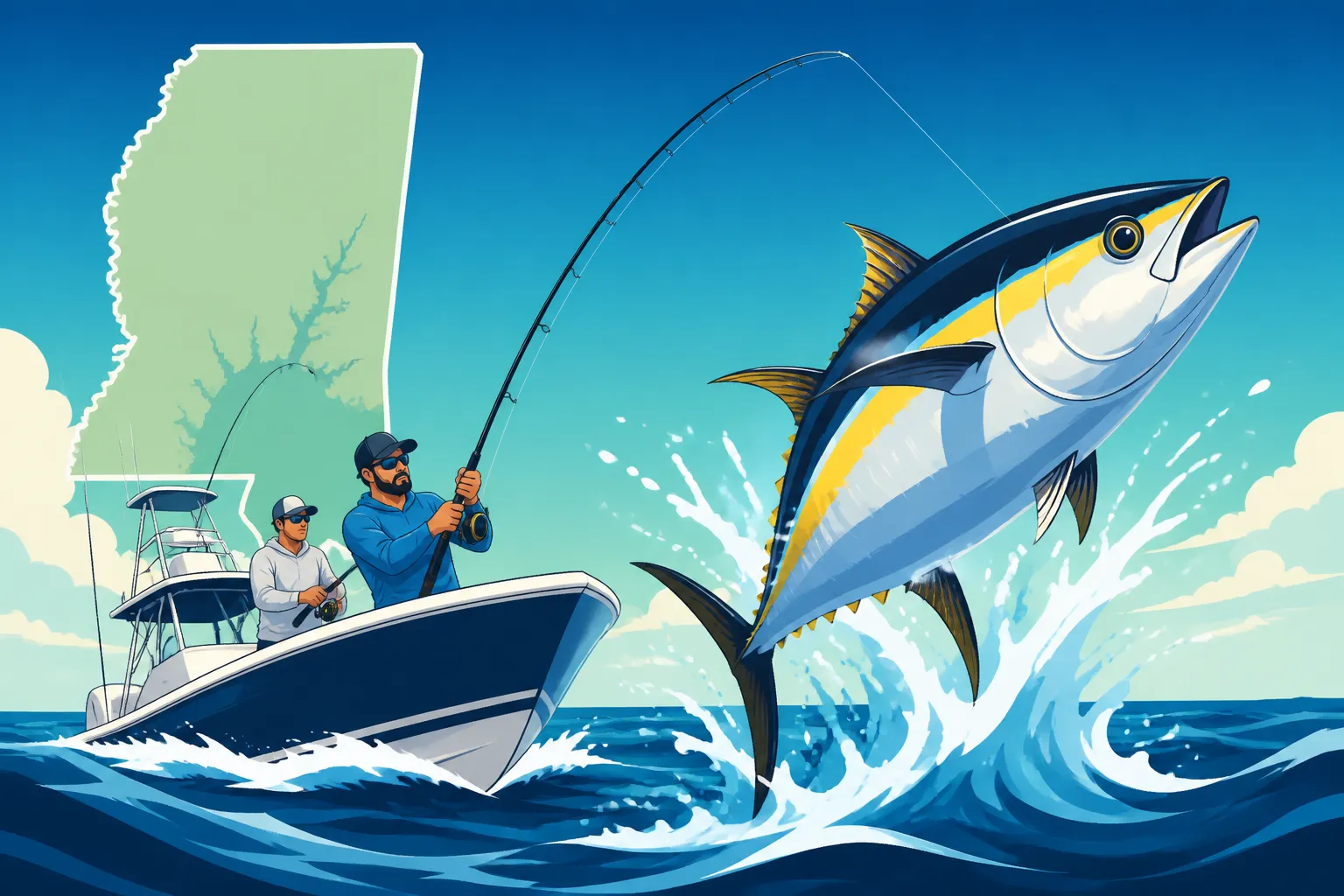
You've been dreaming of that epic battle with a monster fish, the kind that pulls hard and makes the reel scream, far out where the horizon stretches endlessly. But when you start looking into deep sea fishing charters in Mississippi, it can feel like navigating a whole different ocean of information. What species are you even targeting? How far out do they go? And how in the world do you pick the right boat and captain? This comprehensive guide is here to untangle the lines and equip you with everything you need to confidently plan your ultimate deep sea fishing adventure off the Mississippi Gulf Coast.
What Exactly is Deep Sea Fishing in Mississippi?
When we talk about deep sea fishing here in Mississippi, we're really talking about venturing beyond the calmer, shallower waters of the Mississippi Sound and heading out into the open Gulf of Mexico. This isn't your typical bay fishing or nearshore trip where you might be casting for speckled trout or redfish in the marsh grass. Deep sea fishing is a whole different beast, involving longer runs, bigger boats, and often, much bigger fish. It’s an experience that truly tests your angling skills and rewards you with incredible catches and unforgettable memories.
Defining the Waters: Beyond the Nearshore
The Mississippi Gulf Coast offers a fascinating transition from the relatively protected waters of the Mississippi Sound, filled with barrier islands like Ship Island and Horn Island, out into the vast expanse of the Gulf. Nearshore fishing might take you just a few miles offshore, perhaps around the islands or near artificial reefs in shallower depths. Deep sea fishing, however, pushes further, sometimes 20, 30, or even 100 miles offshore, depending on the target species and the structure they inhabit. This means you'll be on the water for a significantly longer period, crossing deeper, often choppier waters, to reach those prime fishing grounds. The sheer scale of the open Gulf provides a dramatic backdrop to your angling efforts.
These deeper waters hold a different ecosystem, distinct from the inshore estuaries. You're looking for underwater structures like oil rigs, natural gas platforms, artificial reefs, shipwrecks, and changes in bottom contour that attract baitfish and, consequently, the larger predatory species. Captains use sophisticated electronics to locate these spots, often called "rigs" or "numbers," where fish congregate in incredible numbers. The journey out to these distant locations is part of the adventure, offering breathtaking views of the horizon and the chance to spot marine life like dolphins, sea turtles, and various seabirds.
Target Species: What You'll Be Chasing
The allure of deep sea fishing lies in the incredible variety and size of the fish you can encounter. Off the Mississippi coast, anglers have the opportunity to hook into some truly powerful and impressive game fish. These species thrive in the deeper, more nutrient-rich waters of the Gulf.
One of the most popular and highly sought-after species is the Red Snapper. These vibrant red fish are not only beautiful but are also fierce fighters and absolutely delicious on the dinner plate. Their season, however, is often highly regulated and relatively short, making a successful Red Snapper trip a prized booking. Many Red Snapper Fishing on the Mississippi Coast trips focus specifically on these prized fish during their open season.
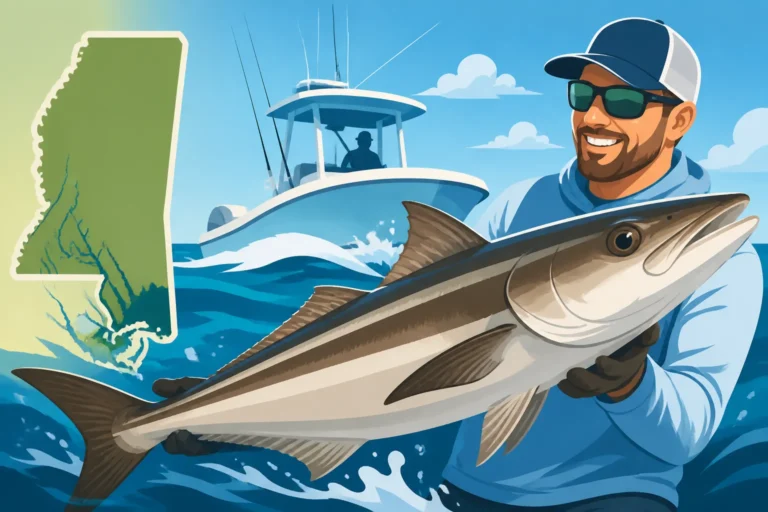
Beyond snapper, you'll find a host of other exciting catches. Amberjack, often called "reef donkeys" due to their stubborn fighting power, provide an incredible workout on the rod and reel. Gag Grouper and Scamp Grouper are also popular bottom dwellers, known for their strong initial runs back into the structure. For those looking for pelagic species, King Mackerel are a common sight, offering thrilling strikes and fast runs, especially when trolling. Cobia, or ling, are another fantastic target, often cruising near structures or floating debris, and are known for their strong fights and excellent table fare. You might even encounter Mahi-Mahi (Dolphin fish), especially on longer trips further offshore, recognizable by their stunning colors and acrobatic fights.
Here's a quick look at some key deep sea species and their general peak seasons:
| Species | Primary Fishing Method | Peak Season (General) | Notes |
|---|---|---|---|
| Red Snapper | Bottom Fishing (live/cut bait) | Summer (highly regulated) | Requires specific season dates, check Mississippi Red Snapper Season Dates |
| Amberjack | Bottom Fishing, Jigging | Spring, Fall | Powerful fighters, common around rigs and wrecks. |
| Gag Grouper | Bottom Fishing (live bait) | Spring, Fall, Winter | Strong pullers, target structure. |
| King Mackerel | Trolling, Live Baiting | Spring, Fall | Fast-swimming, aggressive predators. |
| Cobia | Sight Fishing, Jigging, Live Baiting | Spring, Early Summer | Often found near floating objects or structures. See Cobia Fishing on the Mississippi Coast. |
| Mahi-Mahi | Trolling, Pitching Live Bait | Summer | Beautiful, acrobatic, delicious. Often found under floating debris. |
| Lane Snapper | Bottom Fishing | Year-round | Smaller than Red Snapper, but plentiful and tasty. |
Remember that specific regulations, including size and bag limits, apply to all species and can change. Your charter captain will always be up-to-date on the latest rules, but it’s always good to be aware yourself by checking resources like Mississippi Fishing Regulations Explained.
Why Choose a Deep Sea Charter?
Attempting deep sea fishing on your own, especially without prior experience or the right equipment, can be a daunting, expensive, and even dangerous undertaking. This is where a professional deep sea fishing charter truly shines. They provide an all-inclusive experience that maximizes your chances of success while minimizing the logistical headaches and safety risks. For many, booking a charter is the only realistic way to experience the thrill of offshore angling in the Gulf.
Expertise and Equipment: The Pro Advantage
One of the biggest advantages of booking a deep sea charter is tapping into the captain's extensive knowledge and the boat's specialized equipment. These captains aren't just boat drivers; they are seasoned professionals who spend hundreds of days a year on the water. They know the local waters like the back of their hand, including current conditions, fish movements, and those secret honey holes that aren't on any public chart. Their ability to read the water, understand weather patterns, and locate fish is unparalleled. They'll know exactly where the fish are biting, what bait they're hitting, and the most effective techniques to use on any given day.
Beyond the captain's expertise, charter boats are outfitted with top-of-the-line gear that most recreational anglers simply don't own. We're talking about heavy-duty rods and reels capable of handling powerful offshore species, specialized tackle for deep drops, and advanced marine electronics like high-definition fish finders, GPS, and radar. These boats are designed for offshore conditions, offering comfort, stability, and speed to get you to the fishing grounds efficiently. All the bait, ice, and tackle are provided, saving you the expense and hassle of purchasing or preparing these items yourself. This means you can show up with just your personal essentials and be ready to fish.
Safety and Regulations: Navigating the Rules
Safety is paramount when heading offshore, and charter captains are licensed professionals trained in marine safety and first aid. Their boats are regularly inspected by the U.S. Coast Guard and are equipped with all necessary safety gear, including life jackets, EPIRBs (Emergency Position Indicating Radio Beacons), and VHF radios. They monitor marine forecasts closely and will make the call to cancel or reschedule a trip if conditions are unsafe, which is a huge relief for anyone concerned about venturing into rough seas. Having an experienced hand at the helm who prioritizes your well-being allows you to relax and focus on the fishing.
Furthermore, deep sea fishing, especially in federal waters, is subject to a complex web of regulations that can be incredibly confusing for the casual angler. Different species have different seasons, size limits, and bag limits, and these can change frequently. Mississippi Fishing License Guide requirements also vary based on resident status and the type of fishing. For instance, a separate Mississippi Saltwater Fishing License Guide might be needed for certain areas. Commercial charter vessels operate under specific permits and licenses that cover all anglers on board for most species, meaning you often don't need to purchase an individual federal permit for certain species like Red Snapper, though you will still need a state recreational saltwater fishing license. Your captain is responsible for knowing and adhering to all these rules, ensuring that your trip is not only safe but also fully legal. They'll advise you on what fish can be kept and ensure all catches comply with current regulations, taking away the worry of inadvertently breaking a rule.
Understanding Mississippi's Deep Sea Fishing Seasons
Just like with any type of fishing, timing is everything when it comes to deep sea adventures off the Mississippi coast. The Gulf of Mexico is a dynamic environment, and fish species move, feed, and spawn according to seasonal changes in water temperature, currents, and bait availability. Knowing the general patterns can help you choose the best time to book your trip, maximizing your chances of targeting your desired species.
Prime Time for Popular Species
While you can technically find fish offshore year-round in Mississippi, certain seasons are definitely "prime time" for specific species. Spring and fall are often considered the sweet spots for many deep sea anglers.
-
Spring (March-May): As water temperatures begin to rise, many species become more active. This is an excellent time for King Mackerel as they migrate through the area, offering exciting trolling action. Cobia also make a strong showing in the spring, often found cruising around structures or floating debris closer to shore before heading further offshore. Bottom fish like snapper (outside of Red Snapper season, think Lane or Vermillion) and grouper are also active as they shake off the winter slowdown. The weather tends to be milder, making for more comfortable rides offshore.
-
Summer (June-August): This is when the Gulf truly heats up, both in temperature and fishing action. Red Snapper season, though often brief and state-specific, typically falls within these months, making summer charters highly sought after. Other species like Mahi-Mahi (dolphin) might be found further offshore, especially around Sargassum weed lines or floating debris. Amberjack are also very active and provide intense fights. However, summer also brings higher chances of afternoon thunderstorms and intense heat, which can make long days on the water more challenging.
-
Fall (September-November): Many anglers consider fall to be one of the best times to fish offshore in Mississippi. The oppressive summer heat begins to subside, and migratory species like King Mackerel, Spanish Mackerel, and even tuna sometimes make an appearance. Grouper and snapper species (again, respecting Red Snapper season closures) are often feeding heavily in preparation for winter. The cooler temperatures and often stable weather patterns make for comfortable and productive trips.
-
Winter (December-February): While generally slower for some pelagic species, winter can still offer productive bottom fishing for grouper and snapper in deeper waters. Trips might be less frequent due to colder temperatures and potentially rougher seas, but for those willing to brave the elements, good catches can still be had. Always check weather forecasts diligently if planning a winter offshore trip.
Referencing a Mississippi Fishing Seasons Calendar or Best Time of Year to Fish in Mississippi will give you a broader understanding of overall fishing patterns throughout the year, but for deep sea, these species-specific windows are key.
Weather Considerations and Best Windows
Beyond the seasonal migration of fish, weather is perhaps the single most critical factor for a successful and safe deep sea fishing trip. Unlike inshore fishing where you can often tuck into a protected bay, offshore conditions can change rapidly and dramatically.
-
Wind and Waves: The primary concern for offshore trips is wind, which directly dictates wave height and sea conditions. A strong breeze, even 15-20 knots, can quickly churn up the Gulf, making for a bumpy, uncomfortable, and potentially unsafe ride. Most charter captains prefer winds under 10-15 knots for deep sea trips, especially when venturing far out. Always listen to your captain's advice regarding sea conditions; they prioritize your safety and comfort.
-
Storms and Fronts: Passing cold fronts, tropical depressions, or thunderstorms can make offshore fishing impossible or dangerous. Captains meticulously monitor marine weather forecasts using specialized radar and satellite imagery. If a captain cancels a trip due to weather, it's for good reason – trust their judgment. Usually, they'll offer to reschedule or provide a full refund, as outlined in most Cancellation Policy for Mississippi Fishing Charters.
-
Water Clarity and Temperature: While less critical for deep sea bottom fishing than inshore, water clarity can still play a role, especially for sight-feeding pelagic species. More importantly, consistent water temperature is key to holding baitfish and the predators that feed on them. Your captain will always be looking for areas where the conditions are just right.
The "best window" for deep sea fishing is often characterized by calm seas, stable weather patterns, and comfortable air temperatures. These conditions typically align during the shoulder seasons of spring and fall, but settled summer days can be fantastic too. Booking a trip during a period of high-pressure systems and light winds is usually a recipe for success. Keep in mind that a full-day deep sea charter typically involves traveling significant distances, meaning you'll want the conditions to be favorable for an extended period.
Finding the Right Deep Sea Charter: Your Key Considerations
Choosing the right deep sea fishing charter can make or break your trip. With numerous options available along the Mississippi Gulf Coast, it’s important to know what to look for and what questions to ask. This isn't just about finding a boat; it's about finding the right captain and crew who will provide a safe, productive, and enjoyable experience tailored to your expectations.
Types of Charters: Private vs. Shared
When booking a deep sea trip, you generally have two main choices: a private charter or a shared (head boat/party boat) charter. Each has its own set of advantages and disadvantages.
-
Private Charters: This is when you book the entire boat for your group, and only your party will be on board with the captain and crew.
- Pros: Private charters offer the ultimate flexibility. You can customize the trip length, target species (within reason and season), and even the fishing techniques. The captain's full attention is on your group, providing personalized instruction and assistance. It’s perfect for families, groups of friends, or corporate outings looking for an exclusive experience. The boat is usually more comfortable with fewer people. Mississippi Gulf Coast Fishing Charters offer a range of vessels, from smaller center consoles to larger sportfishing boats, giving you options.
- Cons: Private charters are generally more expensive on a per-person basis, especially for smaller groups, as you're covering the cost of the entire boat. However, for a group of 4-6 anglers, the cost per person can be very comparable to a shared trip, often providing much more value.
-
Shared Charters (Head Boats/Party Boats): These charters sell individual spots to multiple unrelated anglers, meaning you'll be fishing alongside other people you don't know.
- Pros: Shared trips are typically the most budget-friendly option per person. They are great for solo anglers or small groups who don't want to pay for an entire private boat. You also get to meet and interact with other fishing enthusiasts, which can be part of the fun. Many Biloxi Fishing Charters Guide and Gulfport Fishing Charters Guide offer party boat options.
- Cons: Less flexibility. The target species and fishing methods are usually predetermined by the captain to accommodate a larger group. You'll have less individual attention from the crew, and space on deck can be more crowded. You're also at the mercy of how other anglers fish, which can sometimes impact the overall experience. Long waits for fish cleaning can also be a factor after the trip.
Consider your group size, budget, and desired level of personalization when making this choice.
Vessel and Crew: What to Look For
Once you've decided on the type of charter, it's time to scrutinize the vessels and their crews. Not all charters are created equal, and doing a little homework can save you a lot of disappointment.
-
The Boat: For deep sea fishing, you want a vessel that is seaworthy, comfortable, and well-maintained. Look for boats specifically designed for offshore conditions – typically larger center consoles, sportfishing yachts, or even dedicated "walkaround" style boats. Inquire about the boat's size, speed, and amenities (restroom, shaded area, seating). A clean, well-organized deck is usually a good indicator of a professional operation. Don't be shy about asking if you can see pictures of the boat or even visit it if possible. The goal is to ensure the boat can handle the open Gulf and provide a pleasant experience for your group.
-
The Captain: This is perhaps the most important element. A good deep sea captain is experienced, knowledgeable, patient, safety-conscious, and has a great personality. They should hold a valid USCG (United States Coast Guard) license. Look for captains with a proven track record, positive reviews, and extensive local knowledge. A captain who communicates well before and during the trip is a huge plus. Some captains specialize in certain types of fishing or species, so if you have a specific target in mind, try to find a captain known for that expertise. Remember, the captain is in charge, and their leadership directly impacts the success and enjoyment of your trip.
-
The Crew: For longer deep sea trips, a good first mate can be invaluable. The mate assists the captain, helps anglers with baiting, casting, landing fish, and often cleans the catch. A friendly, hardworking, and attentive mate can significantly enhance your experience. They're often the ones doing the heavy lifting and ensuring everyone on board is having a good time.
Booking and Research: Tools and Tips
In today's digital age, finding and booking a reputable charter is easier than ever, but still requires due diligence.
-
Online Platforms: Websites like FishingBooker are fantastic resources for comparing different charters. You can filter by location (e.g., Biloxi, Gulfport), type of trip (deep sea, inshore), boat size, and even read reviews from previous customers. FishingBooker allows you to see photos of the boats, read captain bios, and get a clear idea of what's included in the trip. It streamlines the booking process and provides a level of transparency that can be hard to get by just calling individual captains. They also often list what specific Mississippi Fishing Charter Prices you can expect for half-day vs. full-day excursions.
-
Reading Reviews: Customer reviews on platforms like FishingBooker, Google, or TripAdvisor are gold. Look for consistent themes: are people praising the captain's knowledge, the crew's helpfulness, the boat's condition, or the overall fishing success? Conversely, look for recurring complaints about safety, professionalism, or lack of fish. A few negative reviews aren't necessarily a dealbreaker, but a pattern of issues should raise a red flag.
-
Direct Communication: Once you've narrowed down your choices, don't hesitate to call the captain or booking agent directly. Ask specific questions: What species are biting right now? What's the typical duration of a deep sea trip? What's included in the price (bait, tackle, ice, fish cleaning)? What's their cancellation policy for bad weather? Clear communication upfront helps set expectations and avoids surprises.
-
Booking in Advance: Especially for popular seasons like Red Snapper, or if you're planning a trip during a holiday weekend, booking your charter well in advance is crucial. The best captains and boats often get booked up months ahead of time. Waiting until the last minute can leave you with fewer options or a less-than-ideal charter. Many Half-Day vs Full-Day Charters on the Mississippi Coast will also have different availability, so planning is key.
By taking these steps, you significantly increase your chances of finding a deep sea fishing charter that meets your needs and delivers the epic fishing adventure you're hoping for.
What to Expect on Your Deep Sea Adventure
So, you've booked your deep sea charter and the day has finally arrived. What's it actually like out there? A deep sea fishing trip is an experience unlike any other, demanding patience, endurance, and sometimes, a little grit. Knowing the general flow of the day can help you prepare mentally and physically for the adventure ahead.
Departure to the Deep: The Trip Out
Your day will typically start early, often before sunrise, at the marina. After a brief safety talk and introductions, you'll cast off, heading out of the harbor and into the open waters of the Mississippi Sound. The initial part of the journey is often a "run" – the boat traveling at speed to get to the offshore fishing grounds. This can take anywhere from one to several hours, depending on how far out the captain plans to go and the speed of the vessel.
During this time, you can relax, enjoy the sunrise over the Gulf, and keep an eye out for marine wildlife. This is also a good opportunity to get to know your captain and crew, ask any last-minute questions, and prepare your gear. The crew will usually be busy preparing rods, rigging baits, and ensuring everything is ready for when you reach the first spot. The ride can be smooth as glass on a calm day or a bit bumpy if there's a chop, so be prepared for various sea conditions.
Once you reach the captain's chosen fishing spot – perhaps a submerged wreck, an oil rig, or a natural reef – the boat will either slow down to a crawl for trolling or position itself directly over the structure for bottom fishing. The captain uses advanced electronics to identify schools of fish and prime fishing real estate below the surface, often relying on years of accumulated "numbers" (GPS coordinates) that mark productive spots.
Fishing Techniques Employed Offshore
Deep sea fishing utilizes a variety of techniques, each designed to target specific species in their preferred habitats. Your captain will guide you on what methods will be most effective for the day's conditions and target fish.
-
Bottom Fishing: This is the bread and butter of deep sea fishing for species like snapper, grouper, and amberjack. The boat positions itself over a reef or structure, and anglers drop weighted lines straight down to the bottom. Live bait (like pinfish, cigar minnows, or squid) or cut bait is typically used. When a fish bites, you'll feel a solid tug, and then it's a battle of strength to reel it up from the depths, trying to keep it from "rocking" you (breaking off on the structure). This technique requires a strong back and a good understanding of how to work the rod to pull powerful fish away from cover.
-
Trolling: This technique involves dragging multiple baited lines or artificial lures behind the moving boat. Trolling is highly effective for pelagic species that cruise the open water, such as King Mackerel, Mahi-Mahi, Wahoo, and sometimes tuna. The speed and depth of the lures are varied to mimic baitfish. The strike can be explosive, with a rod bending violently and the reel screaming as a fast-swimming fish hits the bait. It's a thrilling way to cover a lot of water and find active fish.
-
Jigging: This involves dropping heavy metal jigs or large soft plastics down to the desired depth and then rhythmically lifting and dropping the rod tip to impart an erratic action, mimicking an injured baitfish. Jigging can be incredibly effective for amberjack, grouper, and even some snapper species. It's a very active fishing style that can be quite a workout, but the strikes can be incredibly aggressive and rewarding.
-
Sight Fishing/Kite Fishing: Less common but very exciting for certain species, especially Cobia and sometimes Mahi-Mahi. Cobia often cruise near the surface around floating debris, buoys, or even large rays, allowing anglers to cast directly to them. Kite fishing uses a kite to suspend baits far away from the boat, often targeting tuna or marlin, and is a specialized technique usually reserved for dedicated big game trips.
Regardless of the technique, the crew will be there to assist you, from baiting hooks and untangling lines to gaffing and landing your prized catches. Don't be afraid to ask for help or guidance – that's what they're there for!
The Catch: Keeping, Cleaning, and Regulations
Finally, the moment of truth! When you successfully battle a fish to the boat, the crew will assist in landing it safely. Once on board, the captain will immediately check the fish against current regulations for that specific species, ensuring it meets minimum size requirements and that your group hasn't exceeded its bag limit. It's crucial that all anglers respect these rules.
-
Regulations and Limits: Deep sea fishing regulations are strictly enforced. For example, Mississippi Fishing Creel and Size Limits are in place for various species, and these are often different for federal versus state waters, and can change season to season. Your captain will be the authority on board for these rules. If a fish is undersized or out of season, it will be immediately released, usually with careful handling to maximize its survival chances. Ethical anglers always adhere to these rules.
-
Keeping Your Catch: If your fish is legal, it will typically be placed in a large, iced cooler to keep it fresh throughout the trip. This ensures the quality of your table fare later. There’s nothing quite like bringing home a cooler full of fresh Gulf fish.
-
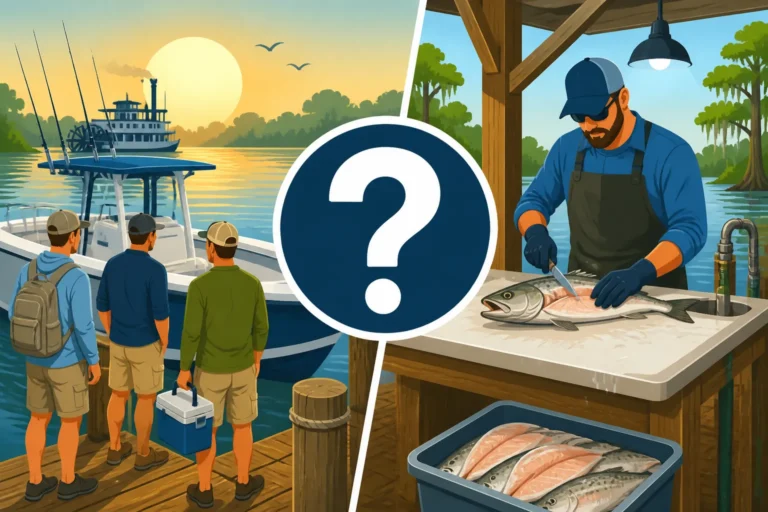
Fish Cleaning: One of the great perks of a deep sea charter is that the crew often handles the fish cleaning at the dock. This is part of the service provided by many Mississippi Gulf Coast Fishing Charters, though it’s also where tipping etiquette comes into play (more on that later!). They’ll expertly fillet your fish, bag it, and have it ready for you to take home. This saves you a messy job and ensures you get the most meat from your catch. You can always ask for specific cuts or preparations, and they’ll do their best to accommodate.
Preparing for Your Deep Sea Charter Trip
Getting ready for a deep sea fishing adventure involves more than just showing up at the dock. A little preparation can go a long way in ensuring your comfort, safety, and overall enjoyment of the trip. Remember, you'll be out on the open water for an extended period, potentially under varying conditions, so it's best to be over-prepared rather than under-prepared.
What to Pack: Essentials for a Long Day
Knowing what to bring on a deep sea charter can make a significant difference in your experience. Here's a checklist of essentials, many of which you can find discussed in greater detail in articles like What to Bring on a Mississippi Fishing Charter.
-
Sun Protection: The sun's reflection off the water intensifies its rays. This is non-negotiable for offshore trips.
- Sunscreen: High SPF, waterproof. Apply generously and reapply frequently, even on cloudy days. Don't forget your ears, neck, and the tops of your feet.
- Hat: A wide-brimmed hat offers more protection than a baseball cap.
- Sunglasses: Polarized lenses are best as they reduce glare off the water, helping you spot fish and reducing eye strain.
- Long-sleeved shirt and pants: Lightweight, breathable, quick-drying fabrics with UPF protection are ideal to shield your skin from direct sun exposure.
-
Appropriate Clothing Layers: Offshore weather can be unpredictable. Mornings can be cool, while afternoons can be scorching, and a sudden squall can drop temperatures.
- Light rain jacket/windbreaker: Even if no rain is forecast, a light waterproof jacket is great for spray, wind, or an unexpected shower.
- Sweatshirt/long-sleeved shirt: For cooler mornings or evenings, or if a front moves through.
-
Footwear:
- Non-slip shoes: Deck shoes, boat shoes, or athletic shoes with good grip are essential. The deck can get wet and slippery, and safety is key. Avoid flip-flops or open-toed sandals.
-
Food and Drink:
- Water: Bring plenty of water to stay hydrated. Dehydration can exacerbate seasickness.
- Snacks/Lunch: Pack easy-to-eat snacks and a lunch. Many charters will have a cooler with ice, but confirm this. Avoid greasy or overly pungent foods.
- Beverages: Soft drinks, juice, and sometimes adult beverages (check with your captain first, as some charters have specific rules about alcohol).
-
Personal Items:
- Medications: Any prescription medications you need.
- Small towel: Handy for drying hands or wiping down gear.
- Camera/Phone: In a waterproof bag or case, for capturing those epic catches.
- Small backpack/dry bag: To keep all your personal items organized and protected from spray.
-
Fishing License: While many charter boat permits cover federal requirements for certain species like Red Snapper, you will almost always need a valid state Mississippi Fishing License Guide (and specifically a saltwater endorsement) for recreational fishing. Confirm with your captain what is required for your specific trip.
What not to bring: Avoid bringing excessive gear, oversized coolers (unless cleared with the captain), or anything you’re not prepared to get wet or fishy. The boat usually provides all the fishing tackle.
Managing Seasickness: Prevention and Remedies
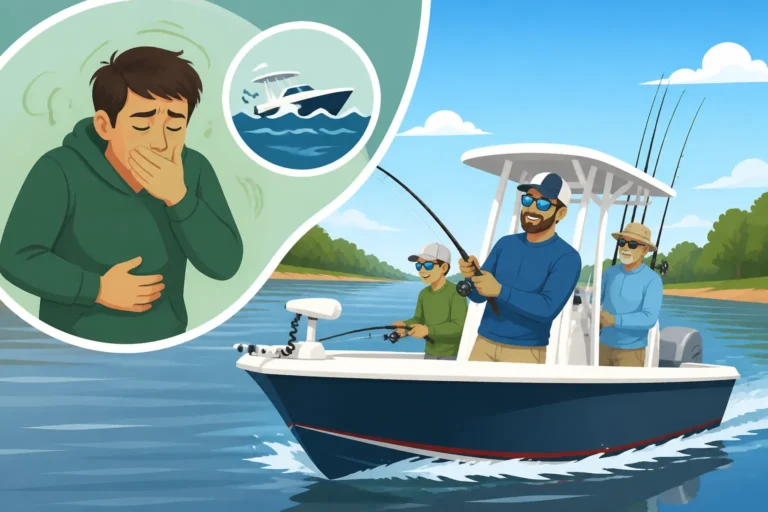
Seasickness can quickly turn an exciting deep sea adventure into a miserable ordeal. It's caused by a conflict between what your eyes see (the stable boat interior) and what your inner ear senses (the rocking motion). The good news is there are several effective ways to prevent or alleviate it.
-
Over-the-Counter Medications:
- Dramamine or Bonine: These are common and effective. It's crucial to take them before you board the boat, ideally 1-2 hours prior, for them to work best. Once symptoms start, these medications are less effective. Non-drowsy formulas are often preferred.
- Scopolamine Patch (Transderm Scop): This is a prescription patch that you place behind your ear. It’s highly effective for many but requires a doctor's visit and should be applied several hours before the trip.
-
Natural Remedies and Tips:
- Ginger: Ginger ale, ginger candies, or ginger chews are popular natural remedies for nausea.
- Stay Hydrated: Dehydration can worsen seasickness. Drink plenty of water before and during the trip.
- Avoid Alcohol and Caffeine: These can contribute to dehydration and stomach upset.
- Eat a Light, Non-Greasy Meal: A heavy, greasy breakfast before the trip is a recipe for disaster. Opt for something light like toast or cereal.
- Stay on Deck and Focus on the Horizon: Being in the fresh air and keeping your eyes fixed on the distant horizon can help synchronize your senses. Avoid reading or focusing on anything inside the boat.
- Choose a Spot Amidship: The middle of the boat (amidship) generally experiences less motion than the bow (front) or stern (back).
- Get Enough Sleep: Being well-rested helps your body cope better with unfamiliar movements.
If you do start to feel queasy, tell the crew immediately. They are experienced with seasickness and can often offer advice or help you find a comfortable spot on the boat. Don't suffer in silence! Many people get seasick, and it's nothing to be embarrassed about. With proper preparation, you can often prevent it or minimize its effects, ensuring your deep sea fishing trip is a fantastic experience.
Cost and Value: Making Sense of Charter Prices
One of the first questions people ask about deep sea fishing charters is, "How much does it cost?" While I can't provide exact figures, understanding the factors that influence charter prices and knowing what to expect in terms of value will help you budget for your trip and appreciate what you're paying for.
Factors Influencing Charter Rates
Deep sea fishing charters represent a significant investment, but for good reason. The price reflects the extensive costs involved in operating and maintaining a professional offshore fishing vessel and the expertise of the crew.
-
Trip Duration: This is typically the biggest factor. Deep sea charters usually range from 6-hour half-day trips to 10 or 12-hour full-day expeditions, and sometimes even multi-day trips. Naturally, the longer you're out, the more it will cost. Longer trips allow more time to travel further offshore to more productive grounds and to spend more time fishing. A 6-hour trip might focus on closer-in deep structures, while a 10-hour trip could target distant oil rigs.
-
Type of Charter (Private vs. Shared): As discussed earlier, private charters, where you book the entire boat for your group, will have a higher overall cost than booking individual spots on a shared "party boat." However, for a group of 4-6 anglers, the per-person cost of a private charter can often be comparable to or even better value than a shared trip, especially considering the personalized service and flexibility.
-
Boat Size and Amenities: Larger, faster, and more luxurious boats with advanced electronics, comfortable cabins, air conditioning, and full restrooms will generally command higher prices than smaller, more basic vessels. The type of boat dictates how many people can comfortably fish and how quickly you can get to the fishing grounds.
-
Target Species: Certain highly sought-after species, like Red Snapper during their short season, might be associated with slightly higher rates due to demand. Longer runs for specific pelagic species might also incur additional fuel costs that are factored into the price.
-
Inclusions: Most reputable deep sea charters include all the necessary fishing gear (rods, reels, tackle), bait (live and/or dead), ice for your catch, and the services of the captain and first mate. Some might also include non-alcoholic beverages. Always clarify exactly what is included in the price. Things like fishing licenses (your individual state license), food, and alcoholic beverages are often not included.
-
Fuel Costs: Deep sea boats consume a substantial amount of fuel running far offshore. Fluctuations in fuel prices can indirectly influence charter rates over time.
It's a good idea to research Mississippi Gulf Coast Fishing Charters listings on platforms like FishingBooker to get a general sense of pricing for different trip lengths and boat types. Remember, you're not just paying for a boat ride; you're paying for a guided, expertly managed, and equipped fishing experience.
Tipping Etiquette: Showing Your Appreciation
Just like in the restaurant industry, tipping your captain and, especially, the first mate is customary and expected on a deep sea fishing charter. These individuals work incredibly hard to ensure you have a safe, successful, and enjoyable trip.
-
Why Tip: The crew's income often heavily relies on tips. The first mate, in particular, often works for a lower base wage and depends on gratuities. They spend hours before, during, and after your trip preparing bait, rigging lines, helping you fish, netting/gaffing fish, cleaning the boat, and then expertly cleaning and filleting your catch. Their hard work directly contributes to your overall experience.
-
Standard Amount: A general rule of thumb for tipping in the charter fishing industry is 15-20% of the total charter price. If you had an exceptional trip, felt the crew went above and beyond, or landed a particularly difficult fish, you might consider tipping more. For instance, if the trip cost a certain amount, and you felt satisfied, a good tip would be a solid fraction of that amount. This is similar to Tipping Etiquette for Mississippi Fishing Guides across the board.
-
Who to Tip: It's common practice to give the entire tip amount to the first mate, who will then typically split it with the captain. If there are multiple mates, the primary mate will usually distribute it fairly. Handing the cash directly to the mate at the end of the trip, perhaps while they're cleaning your fish, is a common and appropriate way to present it.
-
When to Tip Less (or Not at All): While rare, if you genuinely felt the service was subpar, unsafe, or unprofessional, you might adjust your tip accordingly. However, remember that fishing success isn't guaranteed; a slow fishing day isn't necessarily a reflection of the crew's effort or skill. Only if there was a clear issue with professionalism, safety, or effort should you consider reducing your tip. It's often best to discuss any serious concerns directly with the captain after the trip.
Tipping is a gesture of appreciation for hard work and excellent service. It acknowledges the long hours, physical labor, and expertise that go into making your deep sea fishing adventure a memorable one.
Disclaimer
This article is for general informational purposes only and does not constitute professional advice. Laws, prices and regulations vary by location and change over time. Consult a qualified professional for guidance on your specific situation.