Is Sheepshead Good to Eat?
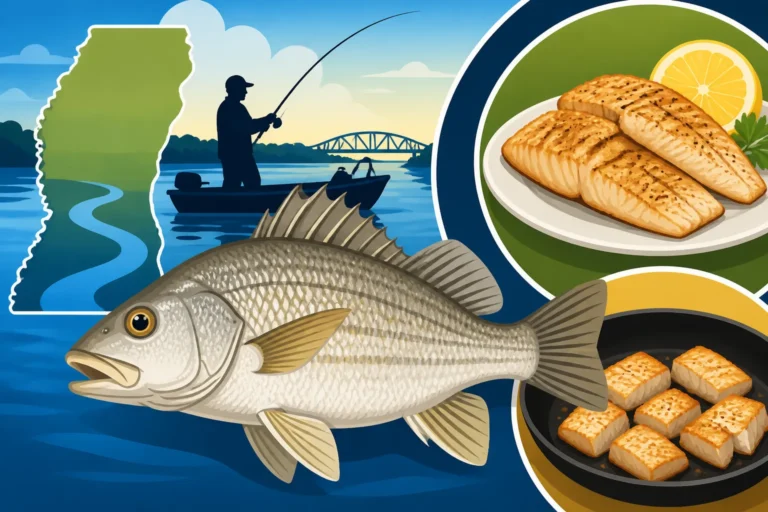
Oh, the sheepshead! It's one of those fish that sometimes gets a bit of a mixed reaction, primarily because of its rather unique look and those human-like teeth that can be a bit startling. Many anglers pull one in and immediately wonder if such a peculiar-looking fish is even worth taking home to the dinner table. This guide is here to settle that debate once and for all, diving deep into the culinary appeal of the sheepshead and why it's a hidden gem in Mississippi's coastal waters.
The Sheepshead: A Unique Mississippi Catch
The sheepshead is truly a marvel of nature, and anyone who's spent time fishing the jetties, oyster beds, or artificial reefs along the Mississippi Gulf Coast has likely encountered one. While not as flashy as a speckled trout or a redfish, this fish holds its own in terms of both sport and plate appeal.
Identifying the "Convict Fish"
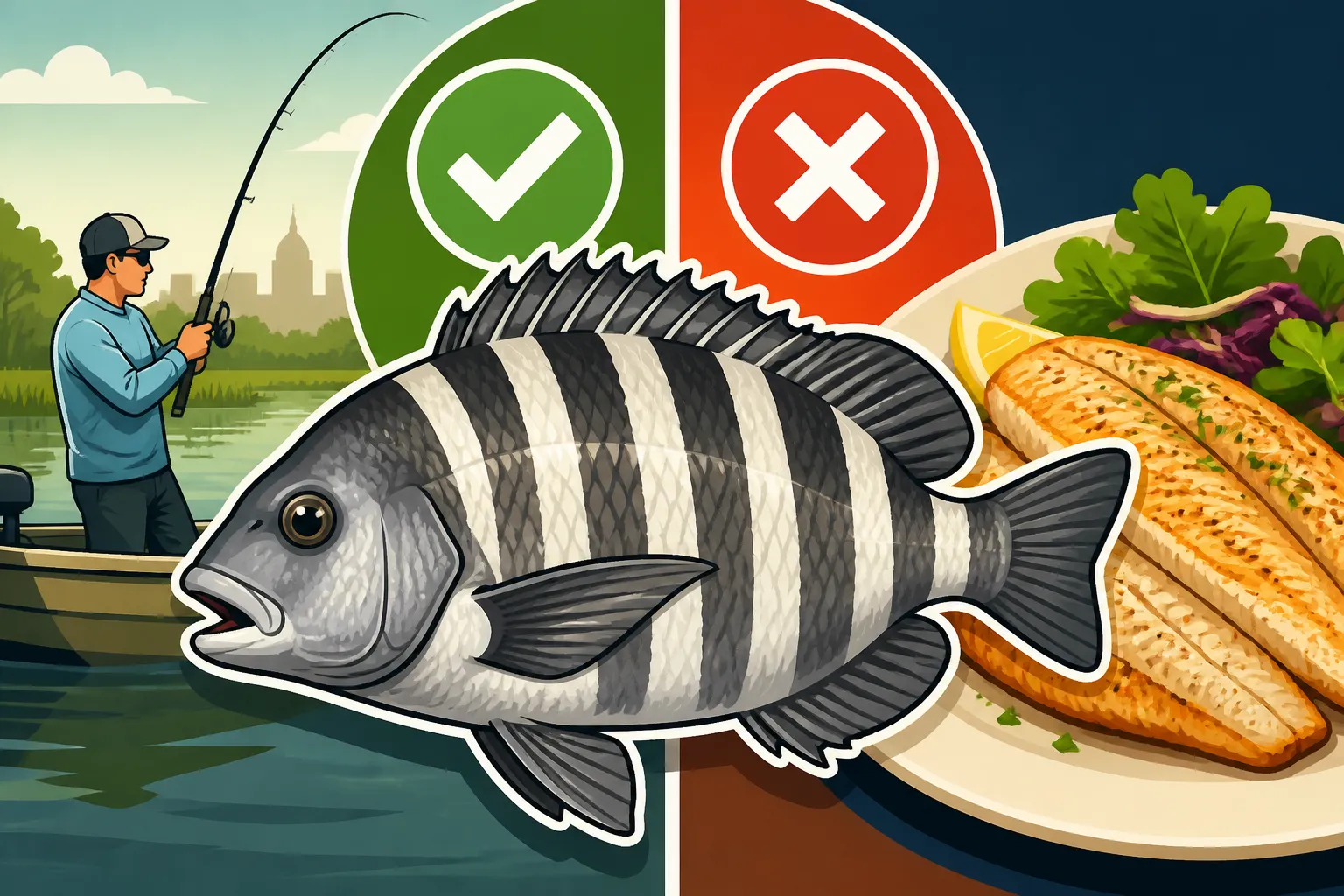
Let's talk about that distinctive appearance first. The sheepshead, often affectionately (or sometimes a bit spookily) called the "convict fish," gets its nickname from the prominent black and white vertical bars that run down its silvery-gray body. These stripes truly do resemble an old-fashioned prison uniform, making it instantly recognizable. But the real showstopper, and what often makes people pause, are its teeth. They look remarkably like human molars, perfectly adapted for crushing the hard shells of its favorite prey. You'll find these fish typically ranging from a few pounds up to double-digits, making for a respectable catch. The size and general shape are somewhat similar to a large bream or snapper, but those teeth and stripes set it apart. It’s an unmistakable fish once you know what to look for, and those who know will tell you they put up a surprisingly strong fight on light tackle. For more on its unique moniker, check out Why Sheepshead Is Called the Convict Fish.
Habitat and Diet in Mississippi Waters
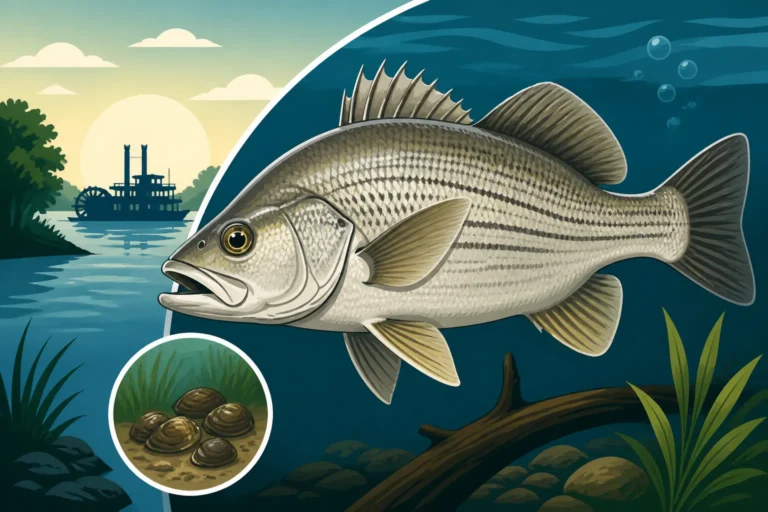
Sheepshead are structure-loving fish, plain and simple. If there's an oyster reef, a pilings system, a rock jetty, or any other submerged structure along the Mississippi Gulf Coast, chances are good you'll find sheepshead there. They thrive in brackish and saltwater environments, making the entire coastline, from the bays of Bay St. Louis to the Pascagoula River, prime territory. Their specialized dentition isn't just for show; it's a highly efficient tool for their primary diet: crustaceans and mollusks. They chomp down on oysters, barnacles, crabs, shrimp, and other hard-shelled invertebrates. This diet is absolutely crucial to understanding why sheepshead taste so good. Just like the saying, "you are what you eat," a fish that dines on delicate, sweet shellfish will naturally develop a superior flavor profile. This makes them a challenging but rewarding target for anglers. If you're looking for where to target these striped beauties, our Sheepshead Fishing on the Mississippi Coast guide can help, and for specific bait ideas related to their diet, explore What Sheepshead Eat Near Jetties.
The Culinary Verdict: Is Sheepshead Good to Eat?
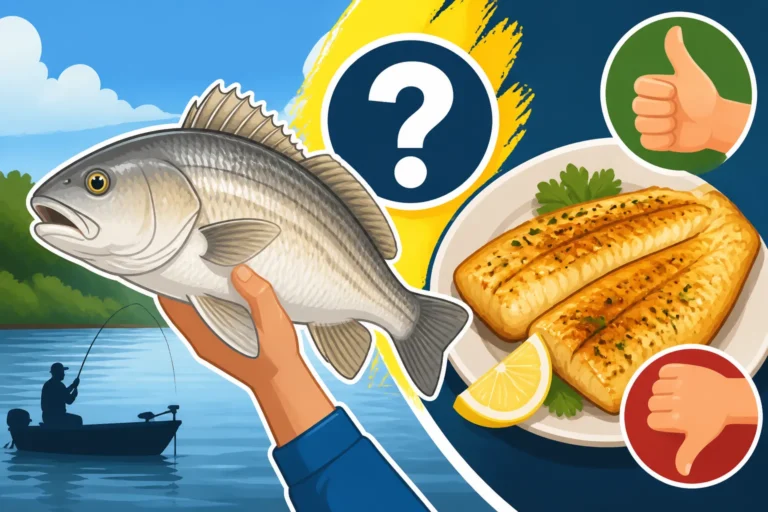
Now, for the million-dollar question: with all those teeth and stripes, is sheepshead actually good to eat? The resounding answer from anyone who has tasted it is a very enthusiastic YES! It's genuinely one of the most underrated eating fish in Mississippi.
Flavor Profile and Texture
If you're accustomed to other popular white fish, you'll find sheepshead to be a delightful surprise. Its flesh is notably mild, with a clean, sweet flavor that’s never overpoweringly "fishy." What truly sets it apart is its firm, flaky texture. It holds together beautifully whether you're pan-searing, grilling, or even frying, making it incredibly versatile in the kitchen. Many people compare its taste to that of snapper or even crab meat, which makes perfect sense given its diet. That steady diet of oysters, barnacles, and other shellfish contributes directly to the subtle sweetness and clean taste of its meat. There's no muddy or strong oily flavor here, just pure, delicate deliciousness. It’s the kind of fish that even those who claim not to love fish will often enjoy, precisely because of its mild and appealing profile.
Preparing Sheepshead: Cleaning and Filleting Tips
Alright, let’s be honest: cleaning a sheepshead isn't for the faint of heart, especially if you're new to it. Those tough scales and sharp dorsal spines can be a bit of a challenge. Many anglers initially get frustrated and think it's not worth the effort, but with the right tools and a little practice, it becomes much easier. A good, sharp fillet knife is absolutely essential here. You might even want to consider a scale scraper from a brand like Amazon that has tough teeth or even use a stiff wire brush. Some seasoned anglers opt to skin the fish instead of scaling it, which can be a cleaner and quicker approach. The key is to be patient and work carefully around those spines.
Once you get past the exterior, you'll be rewarded with thick, white fillets. The yield of meat is quite good for its body size, making it a very worthwhile endeavor. If you’re a beginner at filleting, don’t get discouraged! Even if it doesn't look pretty the first few times, the taste will more than make up for it. The techniques for filleting other firm-fleshed fish, like what you might find in our How to Fillet a Catfish guide, can be adapted with a bit more caution for the sheepshead.
Popular Cooking Methods for Sheepshead
Because of its firm texture and mild flavor, sheepshead is incredibly versatile in the kitchen. You really can't go wrong with most cooking methods.
Simple and Classic Preparations
For many, the best way to enjoy a quality fish is to keep it simple. Pan-searing sheepshead fillets with a little butter, lemon, salt, and pepper is a fantastic way to let its natural flavors shine. The fillets cook up perfectly, developing a beautiful golden crust while remaining tender and flaky on the inside. Baking is another excellent, low-effort option; simply place the fillets on a baking sheet with some fresh herbs, a splash of white wine, and a squeeze of lemon juice. Grilling also works wonderfully, as the firm flesh won't fall apart on the grates. Imagine perfectly grilled sheepshead, maybe with a light marinade, served right off the grill on a warm evening. This fish also makes phenomenal fish tacos or a hearty fish sandwich, especially when lightly breaded and fried. The mild flavor really allows the toppings and sauces to stand out without competing.
Creative Culinary Uses
Beyond the classics, sheepshead’s firm texture makes it robust enough for more adventurous culinary endeavors. It holds its shape remarkably well, making it an excellent candidate for hearty fish soups or stews where other delicate fish might disintegrate. For a lighter, fresher take, consider using sheepshead in a ceviche. Its firm flesh will "cook" beautifully in citrus juices, offering a zesty and refreshing dish perfect for a hot Mississippi summer day. Of course, you can't talk about Mississippi seafood without mentioning a good old-fashioned fish fry! Lightly breaded and deep-fried, sheepshead fillets are absolutely divine, perhaps with a side of hushpuppies and coleslaw. You could also try blackening the fillets in a cast-iron skillet for a spicy, flavorful kick that's a true Gulf Coast tradition. To make sure you have the right tools for these preparations, a wide array of cooking utensils and specialty spices are readily available through Amazon.
Pairing and Serving Suggestions
When serving sheepshead, think about sides and sauces that complement its mild, sweet flavor without overwhelming it. Classic Southern sides like creamy coleslaw, crispy hushpuppies, or cheddar grits are always winners. For a healthier option, roasted asparagus, steamed green beans, or a fresh garden salad would be lovely. As for sauces, a simple tartar sauce, a bright lemon-butter sauce, or even a spicy remoulade can elevate the dish. The key is to enhance, not mask, the inherent deliciousness of the fish. A cold glass of sweet tea or a light-bodied white wine would complete the meal perfectly.
Common Concerns and Best Practices
Like with any seafood, there are often questions about safety and best handling practices.
Mercury Levels and Consumption Advisories
For those concerned about mercury levels in seafood, sheepshead is generally considered a low-mercury fish. Because they primarily feed on shellfish and invertebrates lower on the food chain, they tend to accumulate less mercury compared to larger predatory species. While it's always wise to check current local consumption advisories published by health departments, sheepshead is typically a safe and healthy choice for regular consumption. This means you can enjoy this tasty fish without significant worry, making it an even more appealing option for your table.
Handling and Storage for Optimal Freshness
The journey from hook to plate significantly impacts the taste and quality of any fish, and sheepshead is no exception. The moment you catch a sheepshead, it's vital to get it on ice immediately. This rapid cooling halts bacterial growth and maintains the firm texture and delicate flavor of the meat. A good cooler packed with ice is non-negotiable for any successful fishing trip. You can find excellent, durable coolers on Amazon that will keep your catch perfectly chilled.
Once home, process the fish as soon as possible. Fillet it, rinse the fillets thoroughly in cold water, and pat them dry. For short-term storage (up to a couple of days), place the fillets in an airtight container or zip-top bag in the coldest part of your refrigerator. For longer storage, vacuum-sealing and freezing the fillets is the best method. Properly frozen sheepshead can maintain its quality for several months. Always remember, the fresher the fish when cooked, the better it will taste. For more general tips on keeping your catch in prime condition, read our article Best Way to Keep Fish Fresh on a Hot Day. Ensuring you have all the necessary gear, including a reliable cooler, is also covered in What to Bring on a Mississippi Fishing Charter.
Sheepshead vs. Other Mississippi Coastal Fish: A Quick Comparison
While sheepshead is fantastic, it's helpful to see how it stacks up against other popular catches along the Mississippi Gulf Coast.
| Feature | Sheepshead | Speckled Trout | Redfish |
|---|---|---|---|
| Flavor | Mild, sweet, clean, slightly briny | Mild, delicate, slightly buttery | Moderate, rich, earthy, savory |
| Texture | Firm, flaky, holds shape well when cooked | Very delicate, tender, flakes easily | Firm, meaty, moderate flakes |
| "Fishy" Taste | Very low | Very low | Low to moderate, depending on size/habitat |
| Diet Impact | Shellfish diet contributes to sweetness | Small fish and shrimp, clean taste | Crabs, shrimp, baitfish, gives richer flavor |
| Ease of Filleting | Challenging due to scales/spines, but rewarding | Relatively easy | Moderate, thick skin but large fillets |
| Versatility | Excellent for most methods, especially frying, baking, grilling | Best baked, broiled, pan-fried; delicate | Excellent blackened, grilled, fried, in stews |
As you can see, sheepshead truly holds its own and offers a distinct culinary experience. The firm texture and clean, sweet flavor make it a stand-out choice that many anglers come to prefer once they overcome the initial hurdle of cleaning. It's a testament to the bounty that Mississippi's waters offer, from the largest redfish to the most delicate Speckled Trout Fishing on the Mississippi Coast. And don't forget, understanding local rules, such as those discussed in Mississippi Fishing Regulations Explained and Mississippi Fishing Season Dates and Limits, ensures a sustainable and enjoyable fishing experience for all.
In conclusion, if you've ever landed a sheepshead and wondered if it was worth keeping, the answer is a resounding yes! Don't let its unique appearance or the challenge of cleaning deter you. Its delicious, firm, and mild-flavored fillets are a true culinary treat that can rival some of the most sought-after fish in the Gulf. So next time you're out fishing the Mississippi coast, make sure to give the humble sheepshead a chance – you might just discover your new favorite eating fish.
Disclaimer
This article is for general informational purposes only and does not constitute professional advice. Laws, prices and regulations vary by location and change over time. Consult a qualified professional for guidance on your specific situation.