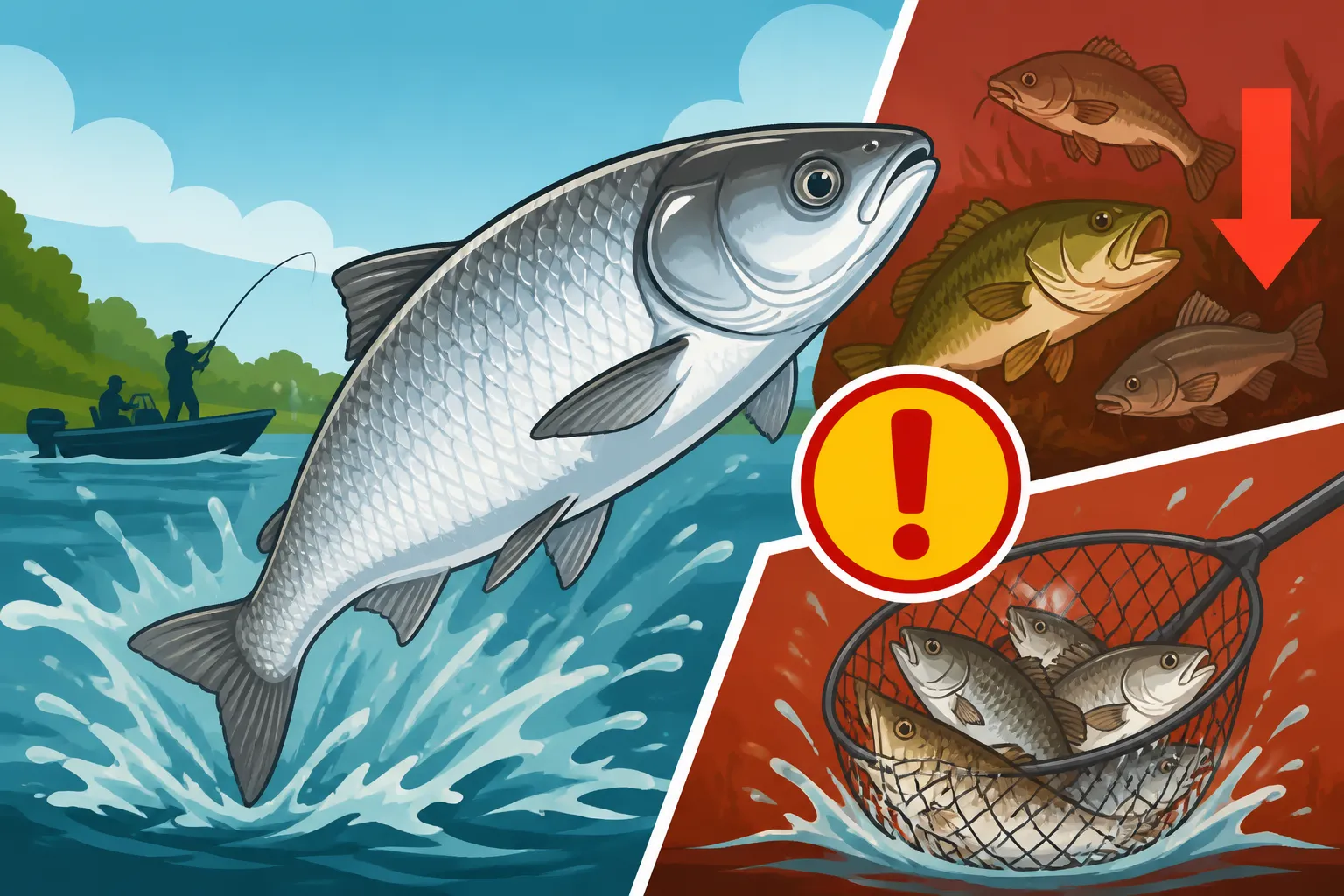
What a Silver Carp Is and Why It’s a Problem
You've likely been out on a beautiful Mississippi lake or river, enjoying a peaceful day, when suddenly—*WHAM!*—a fish explodes out of the water, maybe even smacking against your boat or, heaven forbid, you. It's startling, often bewildering, and definitely not the tranquil fishing experience you signed up for. These airborne aquatic acrobats are usually silver carp, and their presence is more than just a nuisance; it's a significant ecological challenge. This comprehensive guide will demystify the silver carp, explaining exactly what these invasive fish are, why they behave so erratically, and the serious threats they pose to Mississippi's precious aquatic ecosystems and recreational fishing opportunities.
Understanding the Silver Carp: An Unwanted Guest
For many of us who love to fish the waters of Mississippi, the sight of fish leaping out of the water can be a confusing, and sometimes alarming, experience. It’s a phenomenon that has become increasingly common in certain areas, and understanding the creature behind it is the first step to understanding the problem. These aren’t our native jumping bass or sunfish; they are an invasive species, and they bring with them a whole host of issues.
What Exactly Are Silver Carp?
Silver carp, Hypophthalmichthys molitrix, are a species of freshwater fish native to eastern Asia, specifically the large river systems of China and Siberia. They are part of a larger group often referred to as "Asian carp," which includes bighead carp, grass carp, and black carp—all of which have found their way into North American waters. Silver carp are distinct for their sleek, silver bodies, typically growing quite large, often reaching weights of 20 to 60 pounds, though some have been recorded much heavier. They have large heads and mouths, with eyes set low on their heads. One of their most defining, and problematic, features is their specialized feeding apparatus: they are filter feeders.
Unlike many of our native game fish that actively hunt insects, baitfish, or crayfish, silver carp strain microscopic plankton from the water. They have fine gill rakers that act like a sieve, allowing them to consume vast quantities of both phytoplankton (algae) and zooplankton (tiny aquatic animals). This incredibly efficient feeding strategy allows them to grow rapidly and achieve high population densities, outcompeting native species for the very base of the food web. Their introduction to the United States was, unfortunately, intentional at first. They were brought over in the 1970s to control algae in aquaculture ponds and wastewater treatment facilities in the southern states. However, floods and accidental releases allowed them to escape into the Mississippi River basin, where they have since spread rapidly, colonizing many of our tributaries and oxbow lakes.
The Startling Jumping Behavior
If you’ve witnessed silver carp firsthand, you know their jumping isn't just a quirky habit; it’s a startling, and potentially dangerous, defensive mechanism. When disturbed by boat motors, they literally launch themselves out of the water, sometimes several feet into the air. Imagine cruising along, enjoying the scenery, and suddenly a 20-pound fish slams into your boat, your windshield, or even you or your passengers. It’s not just a hypothetical scenario; it happens regularly on affected waterways, leading to injuries ranging from minor bruises to broken bones, concussions, and even damage to boats.
Scientists believe this extreme jumping behavior is a fright response, a natural instinct to escape perceived predators in their native habitat, but amplified by the unfamiliar sound and vibration of boat engines. The low-frequency sounds and vibrations from propellers seem to trigger a mass exodus from the water, turning a peaceful boat ride into a chaotic, fish-dodging event. This isn't just a problem for recreation; it's a genuine safety concern that can deter people from enjoying our beautiful rivers and lakes. Who wants to risk a trip to the emergency room just to cast a line or enjoy a scenic pontoon ride? The sheer volume of fish in some areas means you're almost guaranteed to encounter this jumping behavior, which is a massive turn-off for families and casual boaters alike.
The Ecological Ripple Effect: Why Silver Carp Are a Problem
The issues with silver carp go far beyond their aerial antics. Their very presence disrupts the delicate balance of aquatic ecosystems, creating a cascade of problems that affect everything from the tiniest plankton to the trophy fish we all love to catch. It's a classic example of how one invasive species can throw an entire system into disarray. This is truly where the core problem lies, impacting the future of Mississippi Freshwater Fish Species Guide.
Competing for Food: A Threat to Native Species
At the heart of the silver carp problem is their diet. As efficient filter feeders, they consume vast quantities of plankton, the microscopic organisms that form the base of the aquatic food web. Think about it: every fish in the lake, from the smallest baitfish to the largest predator, relies on that plankton, either directly or indirectly. For example, juvenile crappie, bass, and many other panfish feed heavily on zooplankton. Our native filter feeders, like paddlefish and gizzard shad, also depend on plankton. Paddlefish Spoonbill in Mississippi Rivers are an ancient and unique species, and their survival is directly threatened by this competition.
When silver carp are present in large numbers, they essentially vacuum up the plankton, leaving little behind for native species. This means less food for young game fish, leading to slower growth rates, reduced survival, and ultimately, fewer fish for anglers to catch. It's like inviting thousands of extra guests to a party and realizing there's not enough food for everyone. The native fish are left to scramble for dwindling resources, impacting their health and reproductive success. This competition can subtly, but significantly, degrade the overall health and productivity of a fishery over time, making it harder to find those big Crappie Fishing in Mississippi or healthy Largemouth Bass Fishing in Mississippi that Mississippi is famous for.
Habitat Alteration and Water Quality Issues
The impact of silver carp extends beyond direct food competition to the very environment they inhabit. Their feeding habits and sheer biomass can lead to noticeable changes in water quality and habitat structure, making the water less hospitable for native species. These changes, though sometimes subtle, can have profound long-term consequences.
When silver carp are abundant, their constant filter-feeding can stir up bottom sediments as they swim and feed, especially in shallower areas. This increases the turbidity of the water, meaning it becomes murkier. Murky water blocks sunlight from reaching submerged aquatic vegetation, which is crucial habitat for many fish species and a vital component of the aquatic ecosystem. Healthy submerged vegetation provides cover for small fish to hide from predators, a surface for insect larvae to cling to, and a food source for some species. Without it, the entire food web suffers. Furthermore, their feeding and waste products can contribute to nutrient loading in the water, potentially exacerbating algae blooms (though they also eat algae, in excess, their presence can upset the natural nutrient cycle). These changes in water clarity and nutrient balance create an environment that favors invasive species like the carp, further disadvantaging our native fish that thrive in clearer, more stable conditions.
The Economic and Recreational Toll
The problems posed by silver carp aren't confined to scientific ecological reports; they hit close to home for anyone who enjoys Mississippi's waterways. From the livelihoods of commercial fishermen to the weekend angler looking for a relaxing escape, the economic and recreational toll of this invasive species is real and tangible.
Impact on Commercial and Recreational Fishing
The decline in native fish populations due to food competition directly impacts both commercial and recreational fishing. For commercial fishermen who rely on catches of species like buffalo or traditional rough fish, dwindling numbers can mean reduced profits and even the threat of losing their livelihood. When silver carp dominate the biomass, they become the primary catch, but their market value might not be as high, or the infrastructure for processing them might not exist.
For recreational anglers, the frustration is immense. Imagine heading to your favorite fishing spot, full of anticipation, only to find the water murky and the bites few and far between because silver carp have decimated the food supply for crappie, bass, or catfish. It’s disheartening. Beyond the diminished catches, the constant threat of jumping fish can make boating itself less enjoyable, or even dangerous. This deters people from fishing, boating, and recreating on affected rivers and lakes, leading to a ripple effect on local economies that depend on tourism and outdoor recreation. Bait shops, tackle stores, marinas, and even local restaurants feel the pinch when fewer people visit the waterways. When people are asking questions like Is a Mississippi Fishing License Worth Buying for One Trip? due to poor experiences, it impacts everyone.
Management Challenges and Ongoing Efforts
Controlling an invasive species as widespread and prolific as the silver carp is a monumental task. They reproduce rapidly, mature quickly, and their range extends throughout the vast Mississippi River system and its tributaries, including significant portions of our state. There isn't a single, easy solution to eradicate them once they've established a foothold. The Mississippi Department of Wildlife, Fisheries, and Parks (MDWFP) and other state and federal agencies are actively working on strategies, but it's an ongoing battle. What Mississippi Is Doing About Asian Carp involves a multifaceted approach.
Some management strategies include the use of commercial fishing operations, where licensed fishermen are encouraged to harvest as many carp as possible to reduce their numbers. Research is also ongoing into various control methods, such as acoustic barriers that use sound to deter carp from entering certain areas, or electric barriers, which can prevent them from moving upstream into new spawning grounds. However, each method has its limitations and challenges, particularly in large, complex river systems. The sheer scale of the problem means that consistent, long-term effort and significant resources are required just to manage their populations and prevent further spread, let alone achieve eradication, which is highly unlikely at this point. It's a testament to the persistent nature of invasive species and the difficulty in undoing their impacts.
What Anglers Can Do to Help
While the challenge of silver carp can feel overwhelming, anglers are actually on the front lines and play a crucial role in managing the problem. Every individual action, no matter how small it seems, contributes to the larger effort to protect Mississippi's native fisheries. You're not just fishing; you're participating in conservation.
Identification and Reporting
One of the most valuable contributions anglers can make is to become proficient in identifying silver carp and reporting their sightings. The more data wildlife agencies have about where these fish are, and in what numbers, the better they can tailor their management strategies. It helps them track spread, identify priority areas for intervention, and understand population dynamics.
Silver carp can sometimes be confused with native species, especially young ones. Learn to recognize their distinctive silver color, low-set eyes, and deep bodies. Pay attention to the location and time of your sightings. If you catch one, it's generally advised not to release it back into the water. Instead, dispose of it properly or, if you're inclined, explore options for personal consumption or use as bait for other species (check Mississippi Fishing Regulations Explained for any specific rules on using non-native species as bait). Take a photo if you can, note the GPS coordinates, and contact MDWFP or use their reporting systems. Your eyes on the water are invaluable in the fight against these invaders. This vigilance is particularly important in areas highlighted in the Mississippi River Fishing Guide and other major waterways.
Here’s a quick comparison to help distinguish silver carp from a common native filter feeder:
| Feature | Silver Carp (Hypophthalmichthys molitrix) | Gizzard Shad (Dorosoma cepedianum) |
|---|---|---|
| Appearance | Sleek, bright silver, deep body. | Deep body, silvery sides, dark spot behind gill. |
| Eyes | Very low on the head, below the midline. | More centrally located. |
| Mouth | Large, upturned, no teeth. | Small, toothless, ends at eye level. |
| Feeding | Filter feeds on plankton. | Filter feeds on plankton and detritus. |
| Size | Can grow very large (20-60+ lbs). | Typically smaller (up to 1-2 lbs, rarely 4-5 lbs). |
| Behavior | Jumps high out of water when disturbed. | Seldom jumps; may skip along surface. |
| Origin | Invasive, native to Asia. | Native to North America. |
Responsible Fishing Practices and Prevention
Prevention is always the best cure, even when dealing with an established invasive species. Anglers have a critical role in preventing the further spread of silver carp and other invasives. This primarily involves practicing good "Clean, Drain, Dry" habits when moving between different bodies of water. This is crucial for preventing the transfer of not just adult fish or eggs, but also microscopic larvae and other aquatic invasive species.
Before leaving a boat launch, make sure you clean off any visible mud, plants, or debris from your boat, trailer, and fishing gear. Drain all water from your boat, livewell, and bait buckets. And most importantly, allow your boat and gear to dry completely before launching into another body of water. This drying period helps kill any lingering organisms. Never, ever transport baitfish from one lake or river to another. If you've collected your own bait, use it only in the water it came from. Dispose of unused bait in the trash, not by dumping it into a new waterway.
For anglers interested in actively helping to reduce silver carp populations, bowfishing is a popular method. These fish are challenging targets due to their unpredictable jumping, but many find it an exciting way to help the environment. You can find specialized bowfishing equipment, including bows, reels, and arrows, on platforms like Amazon. Remember to check Mississippi Bow Fishing Regulations for specific rules and seasons. While silver carp are generally considered edible by some, ensure you understand how to properly prepare them if you plan to consume your catch, as they can be bony. Resources like Are Invasive Carp Edible? can offer more information on this. Your efforts in identification, reporting, and responsible practices are vital in protecting Mississippi's waters for future generations of anglers.
Disclaimer
This article is for general informational purposes only and does not constitute professional advice. Laws, prices and regulations vary by location and change over time. Consult a qualified professional for guidance on your specific situation.