Best Bait to Catch Trophy Crappie
There's nothing quite like the thrill of feeling that solid thump on your line, knowing it's not just a crappie, but a genuine slab—a trophy crappie that will make your fishing stories legendary. Many anglers find themselves endlessly experimenting with baits, frustrated by catching countless smaller fish when their true goal is that elusive big one. This guide will cut through the noise, offering proven strategies and specific bait recommendations to help you consistently target and land those monster crappie in Mississippi's abundant waters.
Understanding Trophy Crappie: What Makes Them Bite?
Catching a trophy crappie isn't just about luck; it's about understanding their behavior, their preferences, and their often-finicky nature. These aren't the same hungry little panfish that will hit anything that moves. Larger crappie are usually older, wiser, and more cautious, having survived countless attempts by anglers and predators. To consistently fool them, we need to think like they do.
The Elusive Nature of Large Slabs
Think of a big crappie as the elder statesman of its school. It's seen it all, and it's less prone to reckless decisions. While smaller crappie might aggressively attack anything that resembles food, a trophy crappie often hangs back, observing, and waiting for the perfect, most energy-efficient meal. They're more particular about what they eat, how it's presented, and where it's located. They typically prefer deeper, cooler water, especially during the warmer months, and often relate closely to substantial cover like submerged timber, brush piles, or bridge pilings. They're looking for a substantial meal, something worth the effort, and sometimes that means a bigger bait. If you're consistently catching small crappie, it's often a sign that your bait or presentation isn't quite appealing to the larger, more cautious fish.
You also need to remember that big crappie didn't get big by being careless. They're masters of ambush, often positioned where they can surprise their prey with minimal effort. This means understanding the structure they hide in, how currents might bring food to them, and how light penetration affects their feeding habits. They won't chase a frantic bait across open water; they want it presented directly to their strike zone, looking easy and enticing.
Key Factors Influencing a Trophy Crappie's Strike
Several environmental factors and tactical decisions play a huge role in convincing a trophy crappie to bite. Water temperature is paramount, influencing their metabolism and activity levels. During the colder months, their metabolism slows down, and they might prefer a slower-moving, larger meal that requires less energy to capture. As temperatures rise, they become more active, but also often retreat to deeper, cooler water.
Depth is another critical element. While crappie move shallow to spawn, trophy-sized fish often hold in deeper channels, humps, or near the thermocline in large reservoirs like Ross Barnett or Sardis Lake. You need to present your bait right at their level, or just above it. Light conditions also matter; crappie have large eyes adapted for low light, so dawn, dusk, and overcast days can be prime feeding times. On bright days, they’ll tuck even tighter into cover or descend to deeper, shadier waters.
Finally, current and cover are non-negotiable. Whether it's the gentle flow of a river backwater or the subtle currents around a standing timber field, crappie use these to their advantage, waiting for prey to be swept by. Massive brush piles, sunken trees, old roadbeds, and bridge pilings are classic holding grounds for the biggest slabs. Your bait needs to drift or be presented naturally through these areas without getting snagged. These factors, combined with bait choice, are what separate a good crappie angler from one who consistently catches trophy fish.
Live Bait: Your Best Bet for Bigger Crappie
When it comes to tempting truly large crappie, it's hard to argue against the effectiveness of live bait. There’s something about the natural movement, scent, and vulnerability of live prey that simply drives big slabs wild. While artificial lures have their place, many seasoned trophy hunters will tell you that live bait often produces the most consistent results for the biggest fish.
The Power of Live Minnows and Shiners
If there's a "secret weapon" for trophy crappie, it's a lively minnow. Not just any minnow, but a good-sized one. While smaller minnows will catch smaller crappie, a 2-3 inch shiner or a larger fathead minnow is often the perfect offering for a slab. Crappie are visual predators, and that darting, shimmering action of a minnow struggling on a hook is incredibly enticing. The scent trail it leaves can also draw in fish from a distance.
When rigging, hooking your minnow lightly through the lips allows it to swim naturally and stay alive longer. Another popular method is hooking it through the dorsal fin, which also keeps it lively and presents a broader profile to a hungry crappie. Presenting these minnows either under a slip bobber at the precise depth or slow-trolling them on a spider rig can be deadly. You're trying to mimic a natural, easy meal, so avoid fast, erratic movements. You can find excellent selections of minnow buckets and aerators on Amazon to keep your bait fresh and lively throughout your trip, which is absolutely crucial for success with live bait. Dying minnows rarely attract trophy fish.
Consider the water conditions as well. In clear water, the visual appeal of a healthy minnow is magnified. In stained or murky water, the struggling vibration and subtle scent become even more important. Often, a slight twitch of the rod tip can send out vibrations that alert nearby crappie to the minnow's presence. Best Bait for Crappie in Mississippi goes into more detail on selecting the right live offerings.
Other Live Bait Considerations
While minnows are king, don't overlook other live bait options, especially if you're experimenting or if minnows aren't available. Smaller shad, where legal and practical to catch, can be incredibly effective, especially in lakes and rivers where crappie regularly feed on them. Small worms or crickets can sometimes entice crappie, though they are usually more effective for smaller panfish and not typically the go-to for trophy crappie. However, in certain unique situations, particularly clear water or when crappie are very finicky, these smaller offerings might surprisingly pique the interest of a large crappie looking for a novel meal.
The key with any live bait is freshness and presentation. Keep your bait in a well-aerated container, out of direct sunlight. A healthy, active bait will always outperform a sluggish one. When fishing live bait for trophy crappie, patience is a virtue. Often, the bigger fish will take their time to investigate before committing, sometimes just mouthing the bait. Don't set the hook at the first tap; wait for the rod to load up before you pull back. Using light line, such as 4-6 pound monofilament or fluorocarbon, will also allow your live bait to swim more naturally and be less detectable to cautious crappie.
Artificial Lures That Entice Monster Crappie
While live bait often shines, artificial lures have accounted for countless trophy crappie, especially when fished with precision and understanding. The advantage of artificials is their durability and the ability to custom-tailor their action, color, and size. When you want to cover water more efficiently or present a consistent, repeatable action, artificial lures can be exceptionally productive.
Mastering Jigs and Soft Plastics
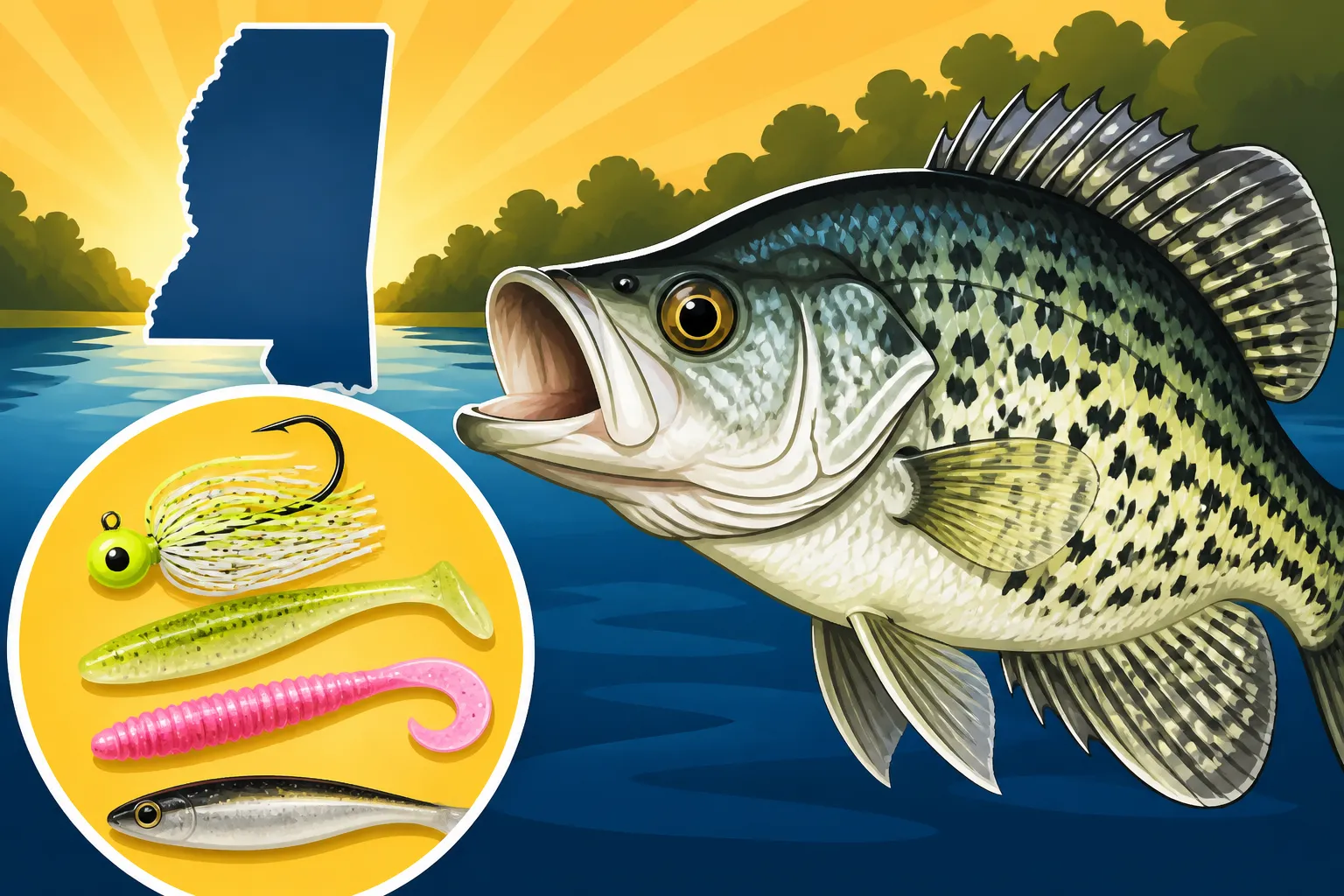
Jigs are probably the most versatile and popular artificial lure for crappie fishing, and they can be absolutely deadly for trophy fish when used correctly. The key is often in the size and profile. While small 1/32 or 1/16 ounce jigs are great for numbers, stepping up to a 1/8 or even 1/4 ounce jig head with a larger soft plastic body can mimic a more substantial meal, perfect for a big slab.
Think about the profile: a larger tube jig, a "Bobby Garland" "Baby Shad Swim'R," or a "Bass Pro Shops" "Stinger Shad" in a natural baitfish pattern can be irresistible. Colors matter too; chartreuse, white, and black/chartreuse are classic crappie colors. In murky water, opt for brighter, darker, or more contrasting colors. In clear water, natural greens, browns, and clear glitter patterns often excel. You can find an incredible array of crappie jigs and soft plastics on Amazon, allowing you to experiment with different brands and styles.
The retrieve is crucial. Trophy crappie often prefer a slow, subtle presentation. A slow lift-and-drop, a gentle quiver, or a steady retrieve with pauses can trigger a strike. Spider rigging with multiple rods, each rigged with a different jig and soft plastic, allows you to cover various depths and colors until you find what the crappie are hitting. This technique is especially effective for locating fish in new areas or covering large flats. Consider tying a Mississippi Fishing License Guide when planning your trips to ensure you're always fishing legally.
Hard Baits and Their Place in Trophy Hunting
While jigs and soft plastics dominate crappie fishing, hard baits, particularly small crankbaits and jerkbaits, should not be overlooked for trophy crappie, especially when fish are aggressive or suspended over open water. These baits can often attract a reaction strike from a larger, territorial crappie that might ignore a slower-moving jig.
Look for small crankbaits that dive to the depth where you're marking fish. Lures that mimic small shad or minnows in natural colors are excellent choices. A slow, steady retrieve or a retrieve with occasional pauses and twitches can be very effective. Small jerkbaits, especially those that suspend, can also be dynamite. Cast them out, give them a few sharp jerks to get them to depth, then pause. That suspended, vulnerable look can be too much for a big crappie to resist.
The use of these harder baits is often dictated by the season and the fish's mood. During cooler water periods, when crappie are less active, slower retrieves are necessary. As water temperatures warm up, a more aggressive presentation with crankbaits might tempt a larger crappie looking for a quick meal. Remember, the goal is always to present a bait that looks like an easy, high-calorie food source, which is exactly what a big crappie is looking for. Consider checking out Mississippi Fishing Season Dates and Limits to align your bait choices with active feeding periods.
Beyond the Bait: Presentation and Strategy for Success
Having the best bait in the world won't matter if you don't present it correctly or can't find the fish. Catching trophy crappie is a holistic endeavor, combining the right bait with the right technique and knowing where to look.
Precision and Patience: Key to Lure Presentation
For trophy crappie, precision is paramount. Whether you're dropping a live minnow or a jig, it needs to be placed directly into the strike zone. This often means vertically jigging or casting to specific pieces of cover. If crappie are holding tight to a submerged brush pile, your bait needs to be in that brush pile, or hovering just above it, without getting snagged. This is where a good fish finder comes into play, helping you identify structure and the depth at which fish are holding.
Patience is equally vital. Unlike smaller crappie that might aggressively attack on the first pass, a trophy crappie might watch your bait for a while before deciding to strike. Slow retrieves, long pauses, and subtle movements are often more effective. Don't be afraid to hold your bait still for 10-20 seconds in a prime spot. Sometimes, that lack of movement is what finally triggers the bite. This is particularly true in winter, when crappie are sluggish, and slow presentations become critical, as discussed in Winter Crappie Fishing in Mississippi.
When fishing docks or standing timber, make multiple casts from different angles. The fish might be on one side of the structure, only willing to bite when the bait approaches from a specific direction. Always maintain tension on your line so you can feel those subtle "thumps" or "ticks" that signal a crappie has inhaled your bait.
Locating the Lunkers: Structure and Depth
You can have the perfect bait, but if you're not fishing where the trophy crappie live, you won't catch them. Big crappie are almost always associated with some form of structure and at a preferred depth. In Mississippi's large reservoirs like Grenada Lake or Sardis Lake, this could mean main lake humps, deep creek channels, old roadbeds, standing timber, or brush piles planted by anglers. Grenada Lake Fishing Guide highlights excellent spots for finding these big fish.
Understanding the seasonal movements of crappie is also critical. During the spring spawn, they move shallower to build nests, and can be found around submerged vegetation or fallen trees. However, after the spawn, they often retreat to deeper, cooler waters. In summer, you'll find them suspended in open water over deep channels or relating to thermoclines, often around 15-25 feet, sometimes deeper. Fall sees them moving up to feed aggressively as baitfish migrate.
A quality fish finder with side imaging or down imaging can be an absolute game-changer for locating these hidden structures and the fish holding on them. Once you find a good brush pile or timber stand, mark it on your GPS and fish it thoroughly. Trolling motors with GPS anchoring capabilities are also incredibly useful, allowing you to stay precisely on top of productive spots without drifting. Remember, the biggest crappie are often found near the bottom or suspended just above structure, so precise depth control of your bait is non-negotiable. For insights into how crappie navigate their environment, check out Crappie Diet and Feeding Habits.
Finally, remember to respect the resource. If you catch a true trophy crappie, consider releasing it after a quick photo. These larger, older fish are vital for healthy crappie populations and can continue to spawn and pass on their strong genetics. Plus, the thrill of catching one again, or allowing another angler to, is a reward in itself.
| Bait Type | Best For Trophy Crappie? | Ideal Conditions / Presentation | Pros | Cons |
|---|---|---|---|---|
| Live Minnows | Yes, often best | Slow presentations, slip bobbers, spider rigging, vertical jigging | Natural action and scent, irresistible to cautious fish | Requires aeration, can die, messy, more expensive |
| Live Shiners | Yes, excellent | Same as minnows; for larger profile | Larger profile attracts bigger fish, robust action | Can be harder to find, more expensive, same care requirements |
| Soft Plastic Jigs | Yes, very effective | Vertical jigging, casting, slow retrieve, spider rigging | Versatile, durable, wide color/size range, clean | No natural scent/movement (unless scented), requires skillful presentation |
| Tube Jigs | Yes | Vertical jigging, casting to cover, slow fall | Great bulky profile, good for mimicking crawfish or baitfish | Can be prone to snagging in heavy cover |
| Small Crankbaits | Good for active fish | Trolling, steady retrieve, searching open water | Covers water quickly, triggers reaction strikes, good for suspended fish | Less subtle, may not appeal to finicky or less active fish |
| Small Jerkbaits | Good for suspended fish | Cast-and-pause, twitching retrieve | Suspends naturally, mimics injured baitfish, triggers strikes | Can be challenging to fish effectively, limited depth range |
Disclaimer
This article is for general informational purposes only and does not constitute professional advice. Laws, prices and regulations vary by location and change over time. Consult a qualified professional for guidance on your specific situation.