Mississippi Striped Bass Regulations
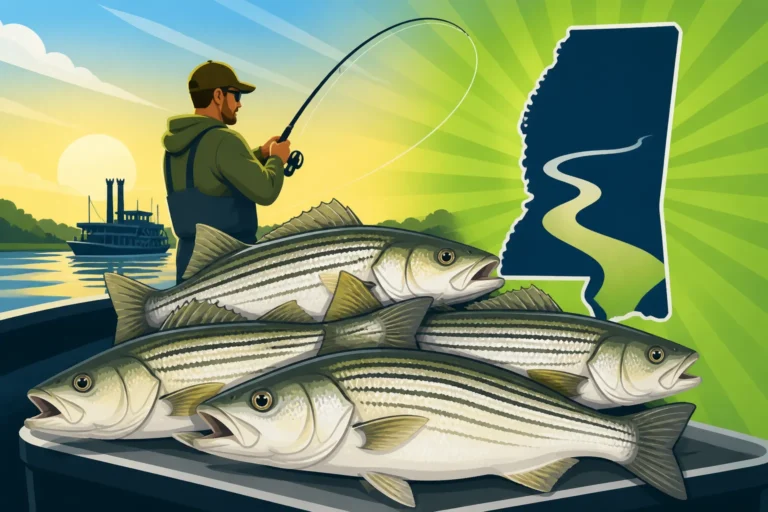
Figuring out the exact rules for fishing specific species in Mississippi can sometimes feel like trying to untangle a bird's nest of fishing line – it's frustrating and prone to missteps. When it comes to the powerful and exciting striped bass, understanding the precise regulations is crucial for a successful and legal outing. This comprehensive guide will walk you through everything you need to know about Mississippi's striped bass regulations, from size and creel limits to where these hard-fighting fish are found, ensuring you're fully prepared for your next angling adventure.
Understanding Striped Bass in Mississippi Waters
Striped bass, often simply called "stripers," are renowned for their incredible fighting spirit and impressive size. While they are naturally occurring in some river systems, Mississippi's freshwater fisheries primarily benefit from a robust stocking program, often focusing on hybrid striped bass. These hybrids, also known as "wipers," are a cross between striped bass and white bass, combining the growth potential of a striper with the hardiness and aggressive feeding habits of a white bass. They offer an exciting challenge for anglers across the state.
The Allure of Striped Bass and Hybrids
There’s just something about the pull of a powerful striped bass or hybrid striper that gets an angler's heart pumping. These fish are aggressive predators, often schooling and chasing baitfish, which makes for thrilling topwater action or fast-paced trolling. Their sheer power, especially in larger specimens, can test even the most experienced fisherman's gear and resolve. Many anglers target them not just for the fight but also for their firm, white, flaky meat, which is excellent table fare. The introduction of hybrid stripers has significantly expanded fishing opportunities, making these exciting game fish accessible in many of Mississippi's larger reservoirs and rivers.
Stocking Efforts and Hybrid Stripers
The Mississippi Department of Wildlife, Fisheries, and Parks (MDWFP) plays a vital role in maintaining and enhancing the state's striped bass and hybrid striped bass populations. Through strategic stocking programs, they ensure that these fish thrive in suitable habitats, providing consistent angling opportunities. This is particularly true for hybrid striped bass, which are sterile and cannot reproduce naturally, making stocking essential for their presence in our lakes and rivers. These stocking efforts are carefully planned, taking into account forage availability, water conditions, and overall ecosystem health to support a healthy and sustainable fishery. Understanding that many of the "stripers" you encounter in freshwater are actually hybrids is key, as some specific regulations can occasionally differentiate between purebred and hybrid fish, though often they are grouped together.
Key Mississippi Striped Bass Regulations
Navigating fishing regulations can be tricky, especially when rules can vary by species and even by specific body of water. For striped bass and hybrid striped bass in Mississippi, it's essential to be aware of both statewide guidelines and any localized exceptions. Always consult the most current MDWFP regulations handbook before heading out, as rules can change annually. This is part of being a responsible angler and helps preserve the fishery for future generations.
Statewide Size and Creel Limits
For the majority of Mississippi's waters, the regulations for striped bass and hybrid striped bass are fairly straightforward. The statewide rule generally groups pure striped bass, white bass, yellow bass, and their hybrids together. This means you need to be able to tell the difference if local rules apply, but often, they fall under the same umbrella.
As of the latest MDWFP regulations, for Striped Bass, White Bass, Yellow Bass, and Hybrids (in aggregate), there is typically:
- No size limit: This means you can keep fish of any legal length, as long as you adhere to the daily creel limit.
- A daily creel limit of 50: You are allowed to harvest up to 50 fish total of these combined species per day.
This generous statewide limit reflects the MDWFP's management strategy to encourage harvest of these often abundant species, which can thrive and grow quickly in many of our reservoirs. However, as we'll discuss, there are critical exceptions that you absolutely must know before you cast your line. To ensure you're always up-to-date, checking the annual Mississippi Fishing Regulations Explained is always a good idea.
Special Regulations for Specific Waters
This is where things get a little more nuanced, and where many anglers can accidentally run afoul of the law if they're not careful. Several key fishing destinations in Mississippi have special regulations that override the statewide limits for striped bass and hybrids. These are typically implemented to manage specific fish populations, protect larger trophy fish, or to align with border state regulations.
- Ross Barnett Reservoir: This massive body of water near Jackson is a prime spot for hybrid striped bass. To manage this popular fishery and promote the growth of larger fish, Ross Barnett has a distinct set of rules:
- Daily Creel Limit: 10 hybrid striped bass (in aggregate with pure stripers if present).
- Minimum Length Limit: 15 inches. Any fish caught under 15 inches must be immediately released. This protects younger fish and allows them to grow into larger, more desirable sizes.
- Pickwick Lake: As a border water with Alabama and Tennessee, Pickwick Lake’s regulations are often harmonized with those states. For striped bass and hybrid striped bass on Pickwick Lake:
- Daily Creel Limit: 15 combined per day (striped and hybrid).
- Minimum Length Limit: 15 inches. This is important to remember when fishing the entire lake, as parts of it are in other states with their own regulations, though generally, border water agreements aim for consistency.
- Mississippi River and other Border Waters: When fishing the vast Mississippi River Fishing Guide or other rivers that form state boundaries (like the Tennessee-Tombigbee Waterway), rules can sometimes be complex. While the general statewide rule might apply, always verify if there are specific border water agreements or local regulations that alter the creel or size limits for striped bass and hybrids. These are often published in a separate section of the MDWFP regulations or in cooperation with the bordering state's wildlife agency.
Here’s a quick overview of the key regulations:
| Water Body | Species (in aggregate) | Daily Creel Limit | Minimum Length Limit |
|---|---|---|---|
| Most MS Waters | Striped Bass, White Bass, Yellow Bass, Hybrids | 50 | None |
| Ross Barnett Reservoir | Striped Bass, Hybrid Striped Bass | 10 | 15 inches |
| Pickwick Lake | Striped Bass, Hybrid Striped Bass (combined with AL/TN) | 15 | 15 inches |
Knowing these differences is paramount to avoid fines and potential license suspensions. Always double-check the specific body of water you intend to fish.
Licensing Requirements
Before you even think about regulations specific to striped bass, you must have a valid fishing license. Most residents and non-residents aged 16 to 64 (inclusive) are required to possess a Mississippi Fishing License Guide to fish in the state's public waters. There are various license options available, from annual resident licenses to short-term non-resident permits like the Mississippi 1-Day and 3-Day Fishing Licenses.
- Freshwater vs. Saltwater: Generally, a standard freshwater fishing license will cover you for striped bass and hybrid striped bass in inland waters. However, if you plan to fish for pure striped bass that might venture into brackish or saltwater estuaries along the Mississippi Gulf Coast Fishing Guide, you might need a Mississippi Saltwater Sportfishing License. It's always best to clarify which license covers the specific waters you'll be fishing, especially in transitional zones.
- Exemptions: Certain individuals are exempt from licensing requirements, such as Mississippi residents over 65 or those with specific disabilities. If you fall into one of these categories, it's wise to carry proof of age or disability while fishing, as officers may still ask for identification. For a detailed overview of who might be exempt, refer to the Mississippi Fishing License Exemptions guide.
You can often purchase your license online through the MDWFP website, at bait and tackle shops, or at major retailers like Walmart, making it convenient to ensure you're compliant before hitting the water.
Top Spots for Striped Bass Fishing in Mississippi
Mississippi offers some fantastic opportunities for catching striped bass and their aggressive hybrid cousins. Knowing where to go and what to expect can significantly increase your chances of a successful outing. While stripers are often found in cooler, well-oxygenated waters, their predatory nature means they'll follow baitfish wherever they go.
Major Reservoirs and Tailwaters
The large flood-control reservoirs and their associated tailwaters are without a doubt the top destinations for hybrid striped bass in Mississippi. These impoundments provide the ideal habitat with abundant forage and ample open water for these schooling fish.
- Ross Barnett Reservoir: This is arguably the premier hybrid striped bass fishery in Mississippi. The "Rez" is consistently stocked with hybrids, leading to a healthy population of feisty fish. Anglers often find success targeting schools in open water with trolling techniques, casting topwater lures during feeding frenzies, or fishing deeper with live bait around structures and channel ledges. The tailwaters below the spillway can also be productive, especially during periods of generation. Check out our dedicated Ross Barnett Reservoir Fishing Guide for more in-depth tips.
- Pickwick Lake: Located at Mississippi's northeastern tip, Pickwick Lake is renowned for its large pure striped bass and hybrid populations. The Tennessee River system provides a fantastic environment for these fish. Anglers often target schooling fish, especially during cooler months, using a variety of baits and lures. Trolling large crankbaits, casting jigs, or using live shad are popular and effective methods here. The swift currents below Pickwick Dam also draw large numbers of feeding stripers, making the tailwater a hotspot. Learn more about this area in our Pickwick Lake Fishing Guide.
- Other Northern Reservoirs: Lakes like Grenada, Sardis, Enid, and Arkabutla, while primarily famous for their crappie, can also hold good numbers of hybrid striped bass, particularly in their main lake basins and tailwater areas. While not as heavily stocked or managed for stripers as Ross Barnett or Pickwick, an opportunistic angler might encounter hybrids chasing baitfish. Fishing around the dam areas or major creek channels can sometimes yield surprising results.
Coastal Opportunities
While the focus on striped bass in Mississippi often leans towards freshwater, the purebred striped bass Morone saxatilis is an anadromous species, meaning they can live in both fresh and saltwater. Along the Mississippi Gulf Coast Fishing Guide, you can sometimes find these powerful fish in brackish bays, estuaries, and even venturing into the Mississippi Sound, especially during cooler seasons.
- Mississippi Sound and Estuaries: Look for stripers in areas where freshwater rivers meet the saltwater, creating ideal conditions. Bays and bayous connected to the Gulf of Mexico, particularly those with good tidal flow and oyster reefs or structure, can hold pure stripers. They often feed on mullet, menhaden, and other baitfish. Anglers might encounter them while targeting redfish or speckled trout.
- Best Time: The cooler months of fall and winter are often the best times to target stripers along the coast as they move into shallower, more accessible waters to feed. They can be caught casting topwater lures, soft plastics, or by live-lining baitfish.
Remember, when fishing coastal waters, you might need a different license. Be sure your Mississippi Saltwater Fishing License Guide is current and appropriate for the area you're fishing.
Responsible Angling and Conservation
Beyond understanding the rules, being a responsible angler means practicing ethical fishing habits and contributing to the conservation of Mississippi's fisheries. This is especially true for powerful game fish like striped bass and hybrids, which often require careful handling.
Identifying Your Catch
One of the most important aspects of responsible striped bass fishing in Mississippi is knowing how to correctly identify your catch. As we've discussed, statewide regulations lump pure stripers, white bass, yellow bass, and hybrids together for creel limits. However, in specific waters like Ross Barnett, the 15-inch minimum length limit applies specifically to "Striped Bass/Hybrid Striped Bass." If you mistakenly identify a pure white bass (which has no length limit) as a hybrid and release it, no harm done. But if you keep an undersized hybrid thinking it's a white bass, you could be facing a fine.
- Key Differences:
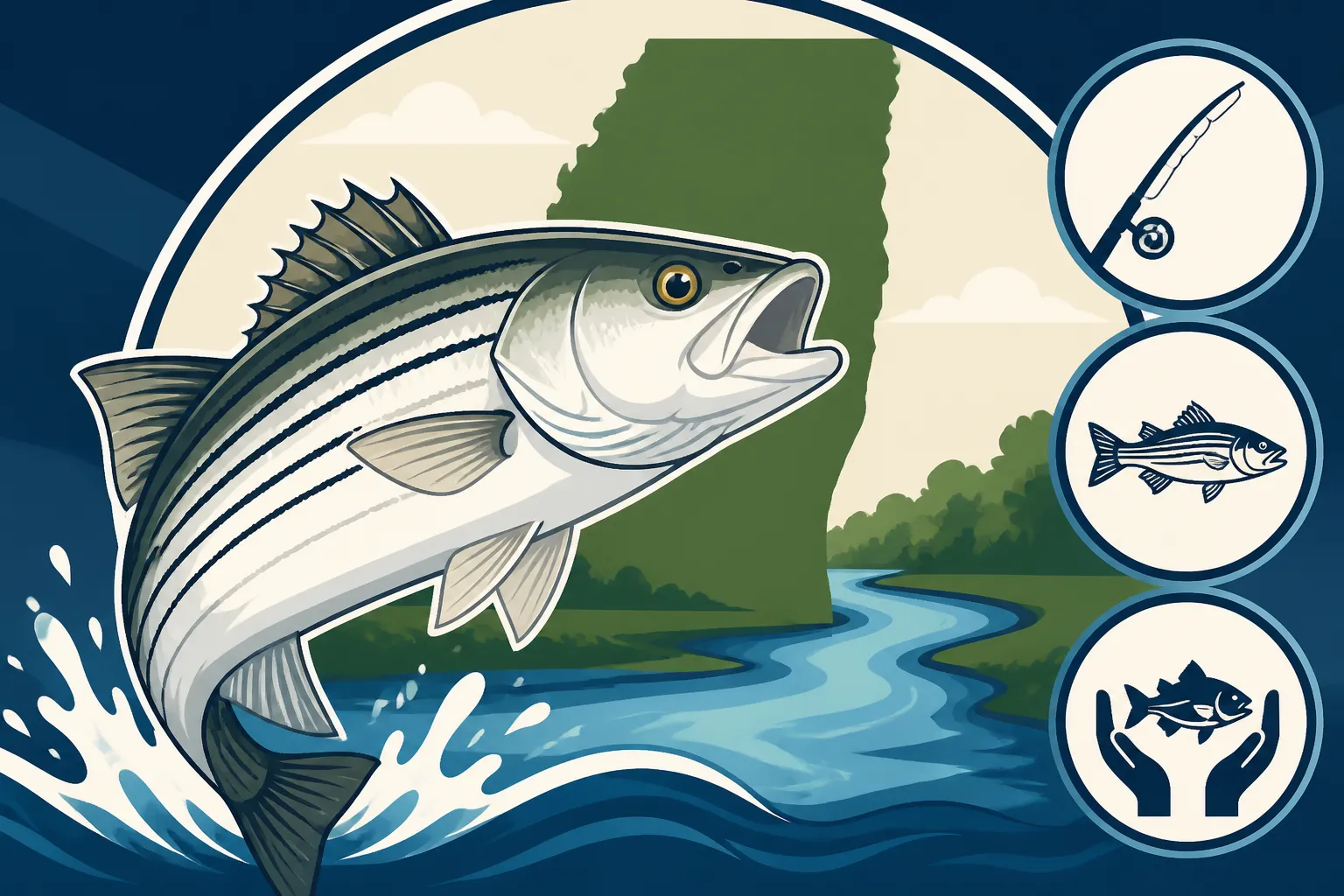
- Striped Bass (Pure): Have distinct, unbroken horizontal stripes along their body. Body shape is generally more elongated.
- Hybrid Striped Bass (Wiper): Their stripes are often broken, irregular, or disjointed, especially below the lateral line. They tend to have a deeper, stockier body than a pure striper.
- White Bass: Smaller overall, with generally fainter and often broken stripes. They have one distinct stripe that reaches the tail.
- Yellow Bass: Smallest of the group, with distinct broken stripes and a yellowish tint.
Practice identifying these fish before you go. Many online resources, including the MDWFP website, offer detailed identification guides. Knowing the difference ensures you comply with Mississippi Hybrid Striped Bass Limit and other species-specific rules.
Practicing Catch and Release Effectively
While many anglers enjoy taking home a few stripers for the dinner table, practicing proper catch and release is vital, especially for larger fish or when fishing in areas with length limits (like Ross Barnett or Pickwick). Striped bass can be susceptible to stress and mortality, particularly in warmer water.
- Minimize Fight Time: Bring the fish in as quickly as possible without "horsing" it. Prolonged fights exhaust the fish, reducing its chances of survival.
- Handle with Care:
- Wet Hands Only: Always wet your hands before touching a fish to protect its slime coat, which is crucial for disease prevention.
- Support the Body: Support the fish horizontally, especially larger ones, to avoid damaging internal organs or its jaw. Avoid holding a heavy fish vertically by its jaw alone.
- Avoid Gill Contact: Do not put your fingers in the gills unless you intend to keep the fish.
- Quick Release: If you're releasing the fish, do so quickly. Use needle-nose pliers or a dehooking tool to remove hooks efficiently. Consider using barbless hooks, which make release even easier.
- Revival: If a fish seems sluggish, hold it gently in the water, facing into the current, allowing water to flow over its gills until it regains strength and can swim away on its own.
Carrying essential tools like a good pair of pliers or a dehooker, which you can easily find on Amazon, can make catch and release much smoother and more effective. Furthermore, investing in a measuring board, also available on Amazon, is crucial for quickly and accurately determining if your catch meets the legal length requirements without excessive handling.
By understanding and adhering to Mississippi's striped bass regulations and practicing responsible angling, you're not just ensuring a legal and enjoyable trip, but also contributing to the health and sustainability of our fantastic fishing resources.
Disclaimer
The information provided in this guide is intended for general informational purposes only and is based on publicly available regulations at the time of writing. Fishing regulations in Mississippi are subject to change. It is the angler's responsibility to consult the most current Mississippi Department of Wildlife, Fisheries, and Parks (MDWFP) official regulations handbook before fishing to ensure compliance with all state and local laws. Failure to do so may result in fines or penalties.