How to Catch Cobia in Spring
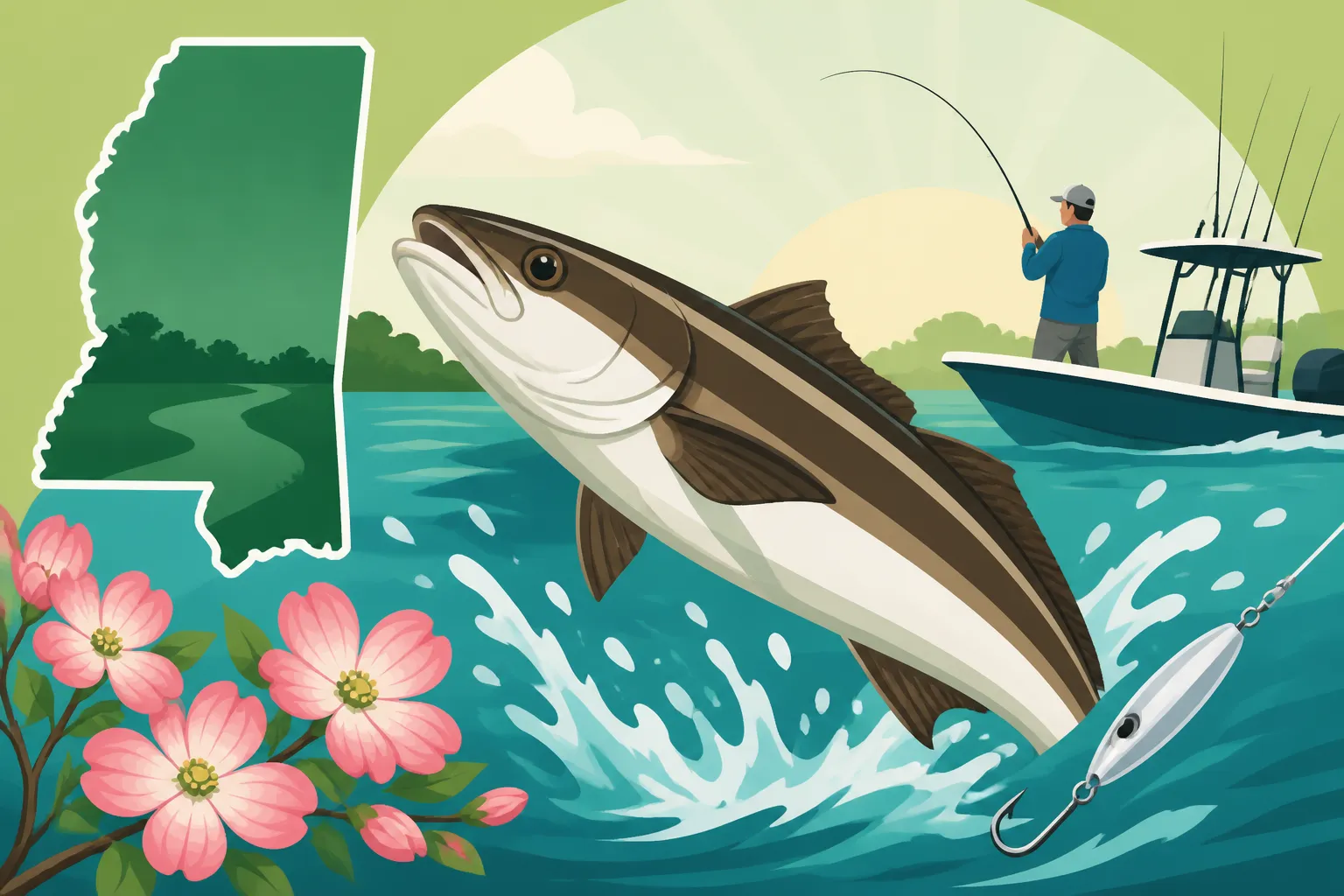
There's nothing quite like the thrill of chasing cobia in the spring along Mississippi's Gulf Coast, but let's be honest, these "brown bombers" can be incredibly elusive, leading to plenty of frustrating days on the water. Many anglers struggle to pinpoint their movements or choose the right tackle, often leaving them empty-handed. This comprehensive guide is here to demystify spring cobia fishing, offering you actionable strategies and insights to significantly increase your chances of landing these powerful, delicious fish.
Understanding Cobia in Mississippi During Spring
Spring is a magical time for saltwater anglers on the Mississippi Gulf Coast, primarily because it marks the highly anticipated arrival of cobia. These powerful, curious, and incredibly tasty fish make their way to our waters as temperatures rise, signaling a shift in their migratory patterns. However, just knowing they're "here" isn't enough; understanding their specific behaviors and preferred locales during these transitional months is crucial for success. It's not just about throwing a line in the water; it's about being in the right place at the right time with the right presentation.
Spring Migration Patterns
As winter fades and the Gulf waters begin to warm, typically from late March through May, cobia undertake a significant northward migration. They're moving from their deeper, offshore wintering grounds into shallower, warmer coastal waters, often following schools of baitfish and crustaceans. Think of it like a highway for fish; they're on the move, and we need to intercept them. This means they can often be found along migratory routes, such as near barrier islands, shipping channels, and deeper passes that connect to the open Gulf.
This migration isn't a single wave; it's often a prolonged event. Early in the spring, the fish tend to be fewer but often larger, making their initial push. As the season progresses and water temperatures stabilize further, more fish arrive, including a wider range of sizes. Understanding that these fish are actively traveling is key. They aren't always settled in one spot. You might find them cruising a weed line one day and then completely gone the next, only to reappear a few miles down the coast. This transient behavior is what makes them so challenging and rewarding to target. Knowing When Cobia Migrate Past the Mississippi Coast is the first step in planning your trip.
Preferred Spring Habitats
While on the move, cobia aren't just swimming aimlessly. They gravitate towards specific types of structure and habitat where they can find food and cover. One of their most notorious habits is to seek out anything floating or standing in the water. This includes navigation buoys, crab trap floats, channel markers, and even large pieces of floating debris. These objects act as natural aggregation points, drawing in baitfish, which in turn attract cobia. You'll often see them cruising slowly around these structures, sometimes just under the surface, making them prime targets for sight casting.
Beyond floating structures, they also love reefs, wrecks, and artificial habitats that pepper the Mississippi Sound and nearshore Gulf. These underwater features provide a complex ecosystem for smaller fish and invertebrates, creating a buffet for hungry cobia. Sandbars, ledges, and channels with good current flow are also hotspots, especially if they are adjacent to deeper water. When scouting for potential spots, consider areas where there's a clear distinction between deep and shallow water, or where current creates eddies and ambush points. The Mississippi Gulf Coast offers a diverse array of potential cobia hangouts; exploring the various options described in our Mississippi Gulf Coast Fishing Guide can give you an edge.
Essential Gear and Bait for Spring Cobia
Fishing for cobia demands a serious setup. These fish are notorious for their power, their stubborn fights, and their surprising runs, often trying to dive under the boat or wrap your line around any available structure. Many anglers make the mistake of going too light, only to be broken off or completely spooled. Don't let that be you! Equipping yourself with the right rods, reels, line, and, most importantly, the most enticing baits is fundamental to turning a chance encounter into a successful catch.
Rods, Reels, and Line
For cobia, you really need to step up your game in terms of tackle strength. Think medium-heavy to heavy-action spinning or conventional rods, typically in the 7 to 8-foot range. A longer rod can provide better casting distance, which is a huge advantage when sight fishing for cruising cobia, allowing you to present your bait without spooking the fish. Look for rods with a strong backbone to handle the initial powerful strikes and deep dives, but also a sensitive tip to detect subtle bites. For the reel, a high-quality spinning reel in the 6000 to 8000 series or a conventional reel with a robust drag system is ideal. You'll need plenty of line capacity because a cobia's first run can be incredibly long and fast.
When it comes to line, braided line is almost universally preferred for its strength, sensitivity, and minimal stretch. A 50 to 65-pound braided main line is a good starting point. This will give you the pulling power you need without being overly thick. At the business end, you'll want a leader of 60 to 80-pound fluorocarbon. Fluorocarbon is less visible in the water, which can be crucial for these often-wary fish, and it's also more abrasion-resistant than mono, protecting your main line from their rough skin and any nearby structure. Be sure to check out our detailed guide on Choosing the Right Rod and Reel for Mississippi Fishing for more specific recommendations on pairing tackle. You can find a fantastic selection of suitable heavy-duty rods and reels on Amazon, often with competitive pricing.
Top Baits and Lures
Cobia are opportunistic feeders, but they definitely have their preferences, especially in the spring. Live bait is often the king for cobia. Eels are arguably the most effective live bait, known for their irresistible wiggling action that cobia simply can't ignore. Menhaden (pogies), mullet, and pinfish are also excellent choices. The key with live bait is to keep it lively and present it naturally. Hooking them through the nose or back will allow them to swim freely and attract attention.
Artificial lures can also be highly effective, especially for sight casting to cruising fish. Large bucktail jigs, often tipped with a soft plastic trailer (like a curly tail grub or a large Gulp! shrimp), are perennial favorites. The jig's weight should be heavy enough to cast a good distance and sink quickly, but not so heavy that it looks unnatural. Think 1 to 3 ounces, depending on the conditions. Swimmer-style plugs or large soft plastic jerkbaits can also elicit aggressive strikes. The color of your lures can vary, but white, chartreuse, and natural baitfish patterns are often reliable. Having a variety on hand is smart, as cobia can be picky. Many anglers stock up on different jig weights and soft plastic trailers through retailers like Amazon, ensuring they're prepared for any situation.
Effective Techniques for Catching Spring Cobia
You've got the gear, you understand their spring habits – now comes the exciting part: putting it all into practice. Cobia fishing isn't typically a sit-and-wait game; it often involves active searching and precise presentation. Different techniques will shine in various scenarios, from spotting them cruising the surface to enticing them from deeper structures. Mastering these approaches will drastically improve your catch rate.
Sight Fishing Strategies
Sight fishing for cobia is hands-down one of the most exhilarating forms of fishing you can experience. It requires keen eyes, quick reflexes, and accurate casting. In the spring, as cobia move into shallower, clearer waters, they often cruise near the surface around structure or simply patrol open areas, making them visible to the astute angler.
The strategy involves slowly motoring (or drifting) with a watchful eye, looking for that distinctive brown shape just below the surface, or even a cobia "following" a ray or a large shark. Polarized sunglasses are absolutely essential for cutting through glare and spotting fish. Once a cobia is sighted, the approach is critical. You want to present your bait or lure ahead of and beyond the fish, then retrieve it in a way that crosses its path naturally. A common mistake is to cast directly on top of the fish, which often spooks them. Give it some space, let it swim towards your offering, and then begin your retrieve. If using a jig, a sharp twitch-twitch-pause retrieve often triggers a strike. With live bait, a simple cast and allowing the bait to swim naturally can be all it takes. Be prepared for an explosive strike! When you spot a cobia, you'll want to have your rod ready and your cast precise. This active approach can be incredibly rewarding, especially on clear, sunny days.
Bottom Fishing and Chumming
While sight fishing is thrilling, it's not always an option, especially on cloudy days or when cobia are holding deeper. This is where bottom fishing and chumming come into play. Cobia frequently associate with submerged structures like wrecks, reefs, and ledges. When they're not visible on the surface, they might be lurking down below.
For bottom fishing, anchor your boat up-current from a known structure. Use a stout bottom rig, typically a "knocker" rig or a Carolina rig with a heavy enough lead to hold bottom in the current. Deploy live baits like eels or large chunks of cut bait (mullet, menhaden). Let the bait sit on or near the bottom, where cobia are likely to be foraging.
Chumming can significantly enhance your chances, especially if you suspect cobia are in the area but not actively biting. Deploy a chum bag filled with ground menhaden or other oily fish. The scent trail will drift down-current, attracting fish from a wider area. As fish, including potential cobia, start to investigate the chum slick, free-line a live bait or a jig into the zone. The idea is to present an easy meal that looks like it's part of the chum. Maintain a watchful eye on your rod tip, as cobia strikes can sometimes be subtle, despite their size. However, often, it's a rod-bending, line-screaming event! Learning about Catfish Fishing Techniques often involves similar bottom-fishing principles, which can be adapted for cobia.
Navigating Spring Challenges and Regulations
Fishing for cobia in the spring can be truly fantastic, but it's not without its challenges. The weather can be fickle, and knowing the local regulations is absolutely non-negotiable. Ignoring these aspects can lead to a miserable day on the water or, worse, significant fines. Being prepared for the elements and educated on the rules ensures a safe, enjoyable, and legal fishing experience.
Dealing with Spring Weather and Water
Spring weather on the Mississippi Gulf Coast can be a mixed bag, to say the least. One day it's calm and sunny, perfect for sight fishing, and the next, you're battling strong winds, choppy seas, or even an unexpected thunderstorm. Always check the marine forecast before heading out, paying close attention to wind speed and direction, as well as wave height. High winds can make boat control difficult and spotting fish nearly impossible. You'll often find that the best cobia fishing days are those with lighter winds, allowing for clearer water and easier spotting.
Water conditions also play a huge role. Cobia generally prefer cleaner, greener water. Heavy rains can flush sediment into the bay and nearshore areas, turning the water murky and making it harder for cobia to see your bait (and for you to see them). If the inshore waters are churned up, you might need to run further offshore to find clearer conditions. Conversely, too much sun can push cobia deeper during the brightest parts of the day. Adapting your techniques—switching from sight fishing to bottom fishing, or altering your bait choices—based on these conditions is crucial. Being flexible and always having a rain jacket and sun protection on board are golden rules for Mississippi Spring Fishing Guide excursions.
Mississippi Cobia Regulations
Before you even think about putting a line in the water for cobia, you absolutely must be familiar with Mississippi's current fishing regulations. These rules are in place to manage fish populations and ensure sustainable fishing for future generations. For cobia, this includes specific size limits, daily bag limits, and potentially seasonal restrictions. These can change, so always check the latest regulations from the Mississippi Department of Marine Resources (MDMR) or the state's official wildlife and fisheries website before each trip.
It's not just about the fish itself; you'll also need the appropriate license. If you're targeting cobia in Mississippi's saltwater, you'll need a valid Mississippi Saltwater Sportfishing License Guide. Even if you're fishing with a charter, while the boat may be licensed, you might still need your own individual license, so always confirm with your captain. Fishing without the proper license or violating size and bag limits can result in hefty fines and even confiscation of your gear. Don't risk it! Take the time to understand all the rules, including those for Mississippi Fishing Season Dates and Limits, to ensure a legal and enjoyable day on the water.
Disclaimer
This article is for general informational purposes only and does not constitute professional advice. Laws, prices and regulations vary by location and change over time. Consult a qualified professional for guidance on your specific situation.