Saltwater Fishing Techniques for the Mississippi Gulf Coast
It's incredibly exciting to think about hitting the Mississippi Gulf Coast for some saltwater fishing, isn't it? But let's be honest, for newcomers and even seasoned freshwater anglers, the sheer variety of species, the ever-changing tides, and the specialized techniques can feel like navigating a whole new world. You might find yourself scratching your head at the tackle shop, wondering if you have the right gear, or staring blankly at a calm bayou, unsure where to even cast. This comprehensive guide is here to cut through that confusion, offering practical, on-the-water advice to help you confidently tackle the Mississippi Gulf Coast's fantastic saltwater fishing opportunities.
Understanding the Mississippi Gulf Coast Ecosystem
Before you even think about casting a line, getting a handle on the unique environment of the Mississippi Gulf Coast is key to unlocking its fishing potential. It's not just about saltwater; it's a dynamic mix of fresh and brackish waters, influenced by rivers, bayous, and the mighty Gulf itself. This diverse habitat is what makes our coast so special for anglers, supporting a wide array of desirable game fish.
Key Fish Species to Target
When you’re gearing up for a trip to the Mississippi Gulf Coast, you'll quickly realize that certain fish reign supreme in these waters. Knowing what you're after helps you dial in your techniques, baits, and even the time of day you decide to fish. It’s all about understanding their preferences and patterns.
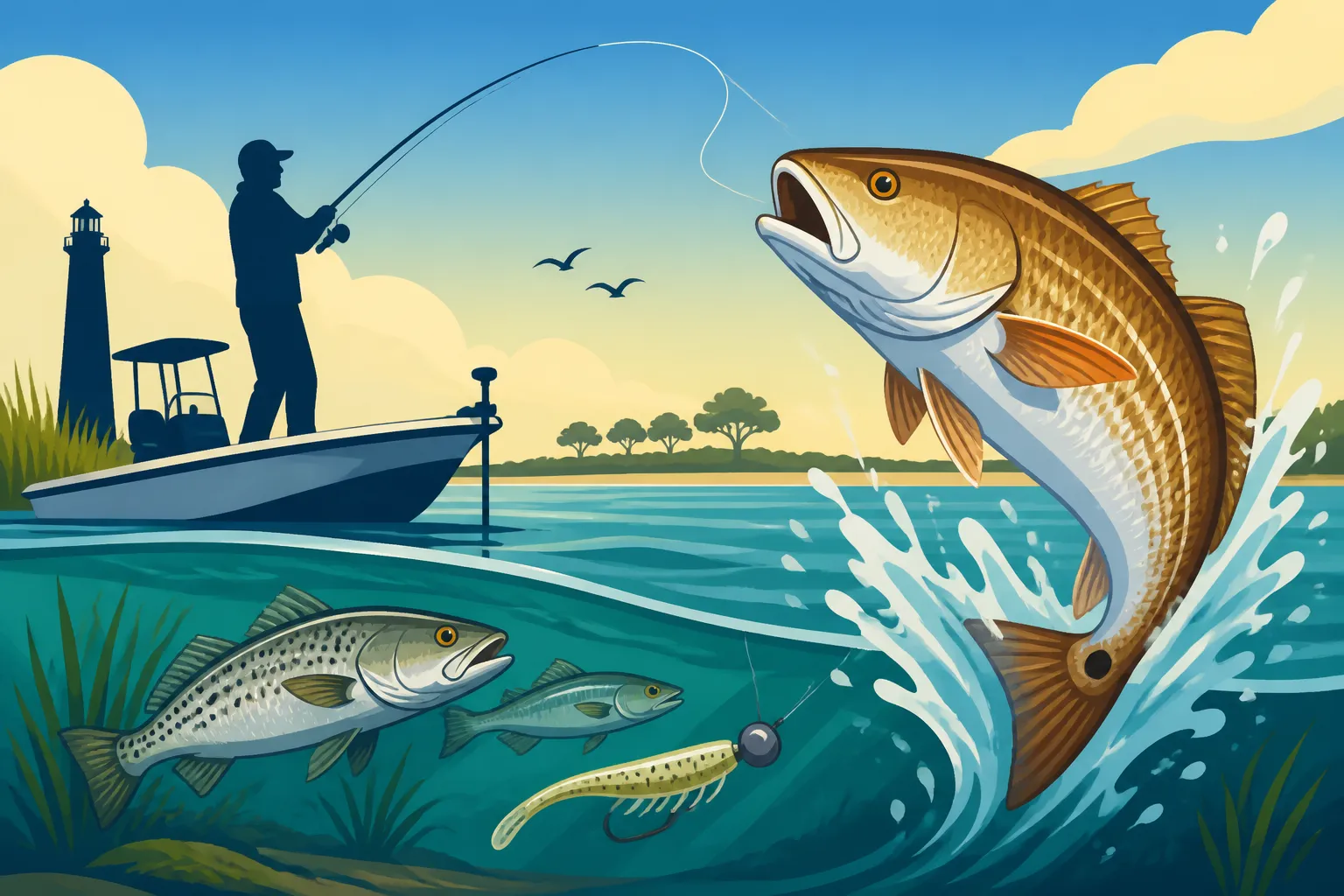
The undisputed kings of the inshore waters are the Redfish, also affectionately known as "Red Drum," and the Speckled Trout, often called "Specks." Redfish are powerful fighters, known for their bronze coloration and prominent tail spot. They love cruising shallow flats, oyster beds, and marsh edges, often rooting around for crabs and shrimp. You'll find them in varying sizes, from "rat reds" that offer consistent action to massive "bull reds" that will truly test your tackle and resolve. Targeting these brutes requires a good understanding of their feeding habits, especially their tendency to feed aggressively around moving tides.
Speckled Trout, on the other hand, are prized for their delicate white flesh and acrobatic fights. They tend to school up in deeper bayou cuts, around grass beds, and near structure like bridges and jetties, often ambushing baitfish and shrimp. While they can be found throughout the year, their activity often peaks during the cooler months and during the spring and fall migrations. Understanding the nuances of their behavior, like their preference for cleaner, moving water, will significantly increase your chances of a successful outing. Don't forget about Flounder, the masters of camouflage, which lie in wait on sandy or muddy bottoms, ready to ambush passing bait. Sheepshead, with their human-like teeth, are structure-oriented critters, feeding on barnacles and crustaceans around pilings and oyster reefs. And then there are Black Drum, larger cousins to the redfish, often found in similar areas and providing a heavy pull. Each species offers a unique challenge and reward, making every trip a diverse adventure. If you're looking for more details on specific fish, our guide on Mississippi Saltwater Fish Species Guide can be very helpful.
Coastal Habitats and Structures
The Mississippi Gulf Coast isn’t just open water; it’s a mosaic of distinct habitats, each attracting different types of fish. To be a successful angler here, you need to become a student of the landscape, understanding how fish use these structures for food, shelter, and ambush points.
Imagine a vast expanse of verdant marsh grass meeting brackish water – this is the lifeblood of our inshore fishery. These intricate marsh systems, with their labyrinthine bayous and tidal creeks, are nurseries for countless baitfish and crustaceans, making them prime hunting grounds for Redfish and Speckled Trout. Learning to navigate these areas, either by boat, kayak, or on foot, and identifying key features like potholes (deeper pockets within the flats) or oyster beds (natural filters that attract bait), is crucial. The edges where marsh grass meets open water, especially during an outgoing tide, can be incredibly productive as bait is flushed out.
Beyond the marshes, our coast offers a wealth of man-made and natural structures. Piers, like the ones in Biloxi or Bay St. Louis, and rock jetties provide excellent opportunities for anglers without a boat. These structures offer cover and attract bait, drawing in species like Sheepshead, Black Drum, and even Speckled Trout. Understanding the currents around these structures and how fish position themselves to feed is a game-changer. Further out, the Mississippi Sound itself harbors deeper grass beds, artificial reefs, and channel markers that act as magnets for schooling fish. Each pilings, rock pile, or submerged log offers a unique opportunity, creating a dynamic environment where adaptation and observation are your best tools. Our guide on Best Fishing Spots on the Mississippi Gulf Coast offers a more detailed look at specific locations.
The Influence of Tides and Weather
If you want to catch fish on the Mississippi Gulf Coast, you absolutely must pay attention to the tides. It's not an option; it's a fundamental truth of saltwater fishing. The movement of water, driven by the moon's gravitational pull, dictates when and where fish feed, move, and rest. Ignoring the tides is like trying to drive a car blindfolded – you might get lucky, but it's far from optimal.
For most inshore species, moving water is the golden rule. An incoming tide often brings in cooler, cleaner, more oxygenated water from the Gulf, pushing baitfish into the marsh and making predatory fish more active. As the tide floods the flats and marshes, Redfish will often follow, rooting around for crabs and shrimp. Conversely, an outgoing tide can concentrate bait in deeper channels and drains, providing ambush points for Speckled Trout. Slack tide, that brief period of minimal water movement at the peak of high or low tide, is often the slowest for fishing, as fish tend to become less active. Learning to read a tide chart and planning your fishing around the stronger parts of the tide, especially the first and last two hours of movement, will dramatically improve your success rate.
Beyond the tides, weather plays a critical role. A steady barometric pressure is generally good, while rapidly falling pressure before a front can sometimes trigger a feeding frenzy, only for the fishing to shut down once the front passes. Water temperature is another huge factor; fish are cold-blooded, and their metabolism is directly affected by the water around them. In summer, hot water can make fish sluggish and drive them to deeper, cooler areas or force them to feed primarily during low-light hours. Conversely, a sudden cold snap in winter can shock fish, making them inactive until they acclimate or find warmer pockets of water. Wind, too, has an impact, creating current, pushing bait, or making boat control a nightmare. Understanding these environmental factors and adjusting your approach accordingly is what separates consistent anglers from those who just get lucky once in a while.
Essential Gear for Gulf Coast Saltwater Angling
Alright, let's talk tackle! Walking into a bait and tackle shop can feel overwhelming with the sheer number of options available. But for successful saltwater fishing on the Mississippi Gulf Coast, you don't need every single gadget. What you do need is a reliable setup that can handle the unique challenges and opportunities our waters present. Having the right tools for the job not only makes fishing more enjoyable but also significantly boosts your chances of landing that trophy catch.
Rods, Reels, and Lines for Inshore Fishing
Choosing the right rod and reel combination is paramount for effective inshore saltwater fishing. You need equipment that can handle strong, fighting fish while still being sensitive enough to detect subtle bites. For the majority of your inshore angling on the Mississippi Gulf Coast, a medium-light to medium-heavy spinning rod, typically in the 7 to 7.5-foot range, will serve you well. This length provides good casting distance without being unwieldy in tight marsh situations. The action, usually fast or moderate-fast, is important for setting hooks quickly and feeling those light bites. Brands like Shimano, Penn, or Daiwa offer excellent options that strike a good balance between durability and performance for saltwater conditions.
Pairing your rod with a quality spinning reel is the next step. A 2500 to 4000 series reel is generally ideal. This size offers a good line capacity, a smooth drag system (critical for fighting larger fish), and a retrieve ratio that works for various techniques. Corrosion resistance is a huge factor in saltwater, so look for models specifically designed for marine environments. As for line, braided line has become incredibly popular for a good reason. Its thin diameter, incredible strength, and zero stretch offer unparalleled sensitivity, allowing you to feel every bump and nibble. A 10-20 lb braided line is common, depending on the target species. Always tie on a fluorocarbon leader, typically 20-30 lb test, using a reliable knot like a FG knot or double uni-knot. This leader is virtually invisible in the water, making your presentation more natural, and it provides abrasion resistance against oyster shells and fish teeth. You can find a wide selection of these essential components, from durable reels to high-strength braided lines, on Amazon, making it easy to outfit yourself for your next trip.
Terminal Tackle and Rigging Basics
Terminal tackle refers to all the bits and pieces at the "business end" of your fishing line – hooks, weights, swivels, and more. Having a well-stocked tackle box with the right terminal gear is crucial, as the wrong setup can mean the difference between a successful hook-up and a frustrating miss.
For hooks, offset circle hooks in sizes 1/0 to 3/0 are fantastic when fishing with live or cut bait, especially for Redfish and Black Drum. They are designed to hook fish in the corner of the mouth, reducing gut-hooking and making catch-and-release easier. When using artificial soft plastics, sharp jig heads are indispensable. You'll want a variety of weights, from 1/8 oz for shallow water or light current to 1/2 oz or more for deeper channels or stronger tides. Look for jig heads with stout, corrosion-resistant hooks. Popping corks are another absolute must-have for fishing live shrimp or soft plastics over grass flats. They create an enticing "pop" that mimics a feeding shrimp, drawing fish in. Choose corks with durable wire and brass beads for maximum sound.
Weights are pretty straightforward: bullet weights or egg weights in various sizes (1/4 oz to 1 oz) for Carolina rigs, and pyramid or pyramid sinkers for bottom fishing from piers or the surf. Swivels are key for preventing line twist, especially when using live bait that spins. Keep a supply of barrel swivels or quality ball-bearing swivels in sizes suitable for your leader and main line. Having a selection of these basics ensures you can adapt to different conditions and target species. Remember to always check your knots and rigging regularly, especially after catching a fish or if you suspect you've been rubbing against structure. Our detailed guide on Mississippi Fishing Regulations Explained will give you all the information you need on legal rigging.
Must-Have Accessories and Safety Gear
Beyond your rod and reel, a few key accessories and safety items can significantly enhance your fishing experience and, more importantly, keep you safe on the water. No matter how short your trip, being prepared is always the best policy.
First up, a good pair of pliers designed for saltwater use is non-negotiable. They're invaluable for removing hooks, cutting line, and even crimping sleeves. Look for a pair made from stainless steel or aluminum to resist corrosion. A landing net with a rubberized mesh is also highly recommended, especially when fishing from a boat or kayak. It helps you safely land fish without damaging them, and it prevents hooks from getting tangled in the net. A reliable cooler, packed with ice, is essential for keeping your catch fresh and your drinks cold on those hot Mississippi days.
Sun protection is incredibly important on the Gulf Coast. A wide-brimmed hat, polarized sunglasses (which also help you spot fish and structure), and plenty of high-SPF sunscreen are vital to protect against the intense sun reflecting off the water. Consider wearing long-sleeved, breathable fishing shirts that offer UV protection. For safety, always carry a basic first-aid kit, especially if you're venturing out alone. And if you're on any kind of boat, even a kayak, ensure you have easily accessible Personal Flotation Devices (PFDs) for everyone on board. It’s not just a good idea; it’s the law, and your life could depend on it. A waterproof dry bag for your phone, keys, and wallet is also a smart investment. Being prepared means you can focus on the fishing, knowing you're comfortable and safe.
Mastering Live Bait Techniques
There’s an old saying among anglers: "Nothing beats live bait." While artificials have come a long way, the natural scent, movement, and vibration of live bait are often irresistible to hungry saltwater fish. On the Mississippi Gulf Coast, mastering live bait techniques is a surefire way to increase your catch rate, especially when the bite is tough.
The Power of Live Shrimp
If there's one bait that's considered the universal currency of the Mississippi Gulf Coast, it's live shrimp. Nearly every predatory fish that swims in our inshore waters will readily gobble up a live shrimp. Their natural scent and erratic movements are simply too tempting to pass up, making them an indispensable tool in any serious angler's arsenal.
One of the most popular and effective ways to fish live shrimp is under a popping cork. This setup is incredibly versatile, allowing you to cover water and fish over grass flats, oyster reefs, or shallow bayou edges. The cork suspends your shrimp at a predetermined depth, usually 18-36 inches, and when you twitch your rod tip, it creates a "pop" or "chug" sound. This sound mimics a feeding shrimp or a fish striking bait on the surface, drawing attention from nearby predators. You simply cast it out, let it sit for a moment, then give it a sharp twitch, pause, and repeat. The key is to vary your retrieve until you find what the fish are responding to. This technique is deadly for Speckled Trout, Redfish, and even Flounder lurking below.
Beyond the popping cork, free-lining a live shrimp can be incredibly effective when fish are spooky or when you want a more natural presentation. This involves simply hooking the shrimp through the horn or just under the shell on its back and letting it drift with the current, with little to no weight. This works exceptionally well in areas with light current or when fishing around mangroves or dock pilings. For bottom dwellers like Flounder or Sheepshead, rigging a live shrimp on a light jig head (1/8 to 1/4 oz) or a Carolina rig (with a small egg sinker above a swivel and a short fluorocarbon leader) and slowly bumping it along the bottom can produce fantastic results. No matter how you rig them, always use a quality hook that matches the size of your shrimp and keeps them lively. Live shrimp are fragile, so keep them in a well-aerated livewell or bait bucket for maximum effectiveness.
Using Live Minnows and Finger Mullet
While shrimp might be king, other live baitfish are incredibly effective, especially for targeting larger, more aggressive predators on the Mississippi Gulf Coast. Different species have different baitfish preferences, so diversifying your live bait offerings can open up a whole new world of angling opportunities.
Finger mullet, croakers, and pinfish are excellent choices when you're looking for a larger meal to entice a trophy Redfish or a chunky Speckled Trout. These baitfish are common in our local waters and represent a natural food source for bigger game fish. You can often catch your own bait using a cast net in shallow grass flats or around bait schools. Once you have them, keeping them alive and lively in a well-aerated livewell is crucial. Rigging these baits typically involves a few methods: free-lining them with a simple circle hook through the nose or back, using them under a larger popping cork, or on a Carolina rig near the bottom.
When targeting bigger Redfish, a live croaker or a substantial finger mullet can be the ticket. They put out a lot of vibration and are hardy enough to withstand the cast and attract attention. For Speckled Trout, smaller finger mullet or live minnows can be deadly, especially when fished near drop-offs or around structure. The key is to match your bait size to the size of the fish you're trying to catch and to the typical forage in the area. Remember, a lively baitfish struggling on the line sends out distress signals that predators simply can't ignore. Knowing how and when to deploy these larger baits gives you a significant advantage, particularly when trying to entice the more wary, larger fish. For more tips on this, our guide on Best Bait for Speckled Trout offers great insights.
Crabs, Fiddlers, and Other Crustaceans
Beyond shrimp and baitfish, the diverse diet of saltwater fish on the Mississippi Gulf Coast includes a variety of crustaceans. Mastering the use of these "harder" baits can be incredibly effective, especially for specific species known for their love of a crunchy meal.
For instance, if you're targeting Sheepshead – those striped "convict fish" with human-like teeth – fiddler crabs are the absolute gold standard. Sheepshead are notorious bait stealers, adept at nipping off soft baits without getting hooked. Fiddler crabs, with their tough shells, provide a more robust offering that they have to commit to. Rigging a fiddler crab on a small, sharp hook (like a 1/0 or 2/0 Kahle hook or a small J-hook) and presenting it close to barnacle-covered pilings, jetties, or oyster reefs is the key. You'll need to feel for the subtle bite and set the hook quickly before they clean you out. Their fight is surprisingly strong for their size, and they are excellent table fare.
Similarly, other crabs, whether small blue crabs (quartered for larger fish) or hermit crabs, can be irresistible to species like Redfish and Black Drum. These bigger drum species are scavengers that readily feed on the bottom, and a juicy piece of crab presented on a Carolina rig can often draw a strike when other baits fail. Even cracked oyster meat or chunks of clam can attract these bottom feeders. The important thing is to understand what natural food sources are available in the specific area you're fishing and try to "match the hatch" with your bait choice. Experimenting with different crustaceans can unlock bites from some of the toughest, most structure-oriented fish our coast has to offer.
Artificial Lures for Gulf Coast Success
While live bait often steals the show, artificial lures are incredibly powerful tools for saltwater anglers on the Mississippi Gulf Coast. They offer unparalleled versatility, allowing you to cover vast amounts of water quickly, imitate various baitfish and crustaceans, and often elicit aggressive reaction strikes. Plus, for many, the satisfaction of fooling a fish with a meticulously chosen and worked lure is unmatched. Having a diverse selection of artificials and knowing how to properly present them is key to consistent success.
Soft Plastics: Versatility and Effectiveness
Soft plastics have revolutionized inshore fishing, and for good reason. Their lifelike action, endless color options, and ability to imitate everything from a swimming shrimp to a fleeing baitfish make them incredibly versatile and effective for a wide range of species. If you're looking to catch Speckled Trout, Redfish, or Flounder, soft plastics should be a cornerstone of your tackle box.
The variety of soft plastics available is dizzying, but a few styles consistently perform well on the Mississippi Gulf Coast. Paddle tails, with their thumping tail action, are excellent for imitating baitfish and create a lot of vibration in the water. Grub tails offer a more subtle, fluttering action. Jerk shads, designed to be fished with a darting, erratic retrieve, mimic injured baitfish. Companies like Matrix Shad, Z-Man, and even Gulp! (which combines soft plastic action with a powerful scent trail) are local favorites. The key to success with soft plastics lies in how you rig and retrieve them.
Most often, soft plastics are paired with a jig head. The weight of the jig head depends on the depth you're fishing, the current, and how fast you want the lure to fall. For shallow marsh fishing, a 1/8 oz or 1/4 oz jig head is common. For deeper channels or stronger currents, you might go up to 3/8 oz or 1/2 oz. The retrieve is critical: a simple slow, steady retrieve can work, but most anglers find more success with a "lift and drop" or "twitch, twitch, pause" retrieve, mimicking the natural movements of bait. Vary your speed and retrieve pattern until you find what the fish are keying into. Sometimes, a weedless presentation with an unweighted or lightly weighted worm hook can be very effective when fishing over dense grass beds, preventing snags while still allowing for a natural fall. These lures can be found in abundance, with a huge selection of colors and styles, on Amazon, ready for your next fishing adventure.
Hard Baits: Topwater, Suspending, and Diving Plugs
Hard baits, with their durable construction and distinct actions, offer another dimension to saltwater fishing. They can create a commotion on the surface, dart just below it, or dive to specific depths, making them indispensable for targeting aggressive fish or when trying to cover lots of water.
Topwater plugs are perhaps the most exciting lures to fish. There's nothing quite like witnessing a Speckled Trout or Redfish explode on a topwater lure, creating a heart-stopping strike. "Walk-the-dog" style baits, like the Heddon Super Spook or MirrOLure Top Dog, are incredibly effective. Their side-to-side sashaying action, achieved with a rhythmic twitch of the rod tip, perfectly mimics a struggling baitfish on the surface. Poppers, with their cupped faces, create a loud "chug" and splash that draws attention from a distance. Topwater lures are best used in low-light conditions (early morning, late evening) or on calm days, as they rely on visual appeal.
Suspending twitch baits, like those from MirrOLure or Paul Brown's Fat Boy, are designed to hang motionless in the water column during pauses in the retrieve. This tantalizing pause often triggers strikes from wary Speckled Trout, especially in cooler water. You cast them out, twitch them a few times, and then let them suspend for several seconds. Diving plugs, with their lip that causes them to dive, are excellent for fishing deeper channels, around drop-offs, or near structures like jetties. The depth they run depends on the size of the lip and retrieve speed. These lures are fantastic for mimicking larger baitfish and drawing reaction strikes from aggressive predators. Each type of hard bait offers a unique presentation, allowing you to adapt to different conditions and fish moods.
Spoons and Jigs: Classic Fish Catchers
Some lures are timeless for a reason – they simply work. Spoons and jigs fall into this category, having proven their effectiveness for generations of anglers. These classic artificials have a permanent place in the tackle boxes of successful saltwater fishermen on the Mississippi Gulf Coast.
Spoons, particularly weedless gold spoons, are absolutely deadly for Redfish. Their wobbling, flashing action perfectly imitates a fleeing baitfish or even a struggling crab. The beauty of a gold spoon is its simplicity and ability to cover water. You can cast it a mile, and a steady retrieve with occasional twitches is often all it takes to trigger a strike. The weedless design allows you to fish them over oyster beds, through shallow grass, and along marsh edges without constantly snagging up. They are a search bait, allowing you to quickly locate active fish. Don't underestimate the power of a simple gold spoon when targeting those aggressive bull reds.
Jigs, in their many forms, are another staple. We've already discussed jig heads for soft plastics, but traditional bucktail jigs and lead-head jigs with hair or synthetic fibers are also incredibly effective. Bucktails, with their pulsating action in the water, can imitate shrimp, baitfish, or even squid. They are fantastic for bottom fishing around structure for Flounder, Sheepshead, or even larger Redfish. Vertical jigging them off a boat or casting and retrieving them with a hopping motion can produce excellent results. Whether you're bouncing a heavy jig along the bottom in a deep channel or working a lighter bucktail through the surf, the versatility and effectiveness of jigs make them essential tools for any serious saltwater angler. They are especially effective when paired with a small piece of cut bait or a grub trailer to add scent and bulk.
Strategic Fishing Methods for Different Habitats
The Mississippi Gulf Coast offers a smorgasbord of fishing environments, each requiring a slightly different approach. You wouldn't fish a deep channel the same way you'd fish a shallow marsh, right? Understanding how to adapt your methods to these various habitats is what truly makes you a savvy angler, greatly increasing your chances of success and filling your cooler.
Fishing the Inshore Marshes and Bayous
The vast network of marshes and bayous is the heart and soul of Mississippi's inshore fishery, teeming with life and offering incredible opportunities for Redfish and Speckled Trout. However, successfully navigating and fishing these intricate environments requires a thoughtful, stealthy approach.
Many anglers prefer to explore these areas from a kayak or a shallow-drafting skiff, which allows access to skinny water where larger boats can't go. Stealth is paramount here; loud noises or heavy footsteps on a boat deck can easily spook fish in shallow water. Focus on fishing the edges of the marsh grass, around oyster reefs, and within the numerous potholes and drains that dot the landscape. As the tide changes, especially on an outgoing tide, baitfish and shrimp are flushed out of the grass, creating prime ambush points for predatory fish. Look for signs of activity: baitfish showering, subtle wakes from cruising redfish, or the tell-tale "tailing" of a redfish rooting for food in the mud.
Wading is another fantastic way to fish these areas, offering an even stealthier approach and allowing you to literally get in the water with the fish. When wading, make slow, deliberate movements, shuffling your feet to avoid stepping on stingrays. Cast ahead of you, targeting areas with current, structure, or visible signs of life. Soft plastics on light jig heads, topwater lures in the early morning, and free-lined live shrimp are all incredibly effective techniques in these sensitive environments. Understanding the ebb and flow of the tide within these bayous and positioning yourself to intercept feeding fish is a skill that comes with time, but it's one that consistently pays off. For more on this, check out our Redfish Fishing Techniques on the Gulf Coast guide.
Pier and Jetty Fishing Strategies
Not everyone has a boat, and that's perfectly fine! The Mississippi Gulf Coast boasts excellent public fishing piers and jetties that offer fantastic opportunities to catch a variety of saltwater species. These structures act as artificial reefs, attracting baitfish and, consequently, the predators that feed on them.
When fishing from a pier, your primary strategy often revolves around fishing the structure itself and the surrounding bottom. Sheepshead, Black Drum, and even Flounder love to hang out around the pilings, picking off barnacles and crustaceans. A simple bottom rig, with a small weight and a short leader to a sharp hook baited with fiddler crabs, shrimp, or cut bait, works wonders here. Drop your bait close to the pilings and be prepared for subtle bites. For Speckled Trout and Redfish, casting soft plastics or live shrimp under a popping cork away from the pier, allowing the current to carry it, can be very effective, especially during moving tides. Many piers also have lights, which can concentrate baitfish at night, making for some exciting night fishing opportunities for trout and redfish.
Jetties, with their rock formations, offer similar advantages. The rocks provide shelter and foraging grounds for a multitude of marine life. Casting parallel to the jetty, letting your lure or bait drift along the rocks, can be productive. Be mindful of snags, as the rocky bottom can be unforgiving. Heavier jig heads or Carolina rigs are often needed to get your bait down and keep it from getting swept away by strong currents. Knowing the local tide charts is crucial for both piers and jetties, as the currents can be quite strong around these structures. Always be aware of other anglers, give them space, and practice responsible angling by not leaving trash behind.
Nearshore Fishing in the Mississippi Sound
Venturing out into the Mississippi Sound opens up even more possibilities, allowing you to target fish in slightly deeper water and around different types of structure. This area acts as a transitional zone between the skinny marsh waters and the deeper Gulf, offering a unique blend of species and fishing challenges.
Fishing the nearshore waters typically requires a boat, as you'll be navigating deeper channels, larger grass beds, and potentially targeting artificial reefs or wrecks. Here, you'll still find plenty of Speckled Trout and Redfish, often schooling up in larger numbers around baitfish concentrations. Trolling with artificial lures or live bait can be very effective for covering ground and locating these schools. Pay close attention to your fish finder for bait balls or schools of fish holding near the bottom. The edge of the main shipping channel, with its deeper water and strong currents, is a prime area for targeting larger fish that stage there.
Beyond the inshore staples, the Mississippi Sound can also offer shots at seasonal visitors like Spanish Mackerel, Jack Crevalle, and even the occasional Tripletail or Cobia, especially when they are migrating through. These species often relate to floating structure, channel markers, or the artificial reefs scattered throughout the Sound. Using a variety of techniques, from throwing spoons or topwater lures for mackerel to slow-trolling live bait for cobia, will serve you well. Always check the latest Mississippi Fishing Regulations Explained for specific species like Red Snapper and Cobia, as they often have strict seasons and limits. This mid-range fishing offers a thrilling blend of inshore techniques with a taste of offshore excitement.
Seasonal Considerations for Mississippi Saltwater Fishing
The Mississippi Gulf Coast is a year-round fishing destination, but successful angling often means adjusting your techniques to the rhythm of the seasons. Fish behavior is heavily influenced by water temperature, bait availability, and spawning cycles. What works perfectly in spring might be utterly useless in the scorching summer or chilly winter. Understanding these seasonal shifts is fundamental to becoming a consistently productive saltwater angler.
Spring: Spawning Runs and Active Fish
Ah, spring! This is arguably one of the most exciting times to be fishing on the Mississippi Gulf Coast. As the water temperatures begin to rise after the winter chill, everything in the ecosystem starts to awaken, and fish become incredibly active. This means more aggressive bites and some truly fantastic opportunities.
During the spring, many species begin their spawning rituals, and the warming waters send a clear signal for them to move from their deeper winter haunts into shallower, food-rich areas. Speckled Trout, in particular, become highly concentrated in the bays, bayous, and around points and jetties as they stage for their spawn. This is a prime time for targeting them with soft plastics under a popping cork, topwater lures in the early mornings, or free-lined live shrimp. Redfish also become increasingly active, cruising the shallow flats and marsh edges with renewed vigor. You’ll often find them tailing as they root for crabs and shrimp in the muddy bottom.
The increasing presence of baitfish, like finger mullet and various minnows, also fuels this spring feeding frenzy. Fish are looking to pack on weight before and after spawning, making them more willing to strike. Focus your efforts on areas with good tidal flow, as the moving water brings in fresh bait and oxygenates the water. Creek mouths, oyster reefs, and grass lines become magnets for hungry predators. Don’t be surprised to find other species like Flounder, Sheepshead, and even some early migrating Spanish Mackerel joining the party. The key to spring success is to be where the bait is and where the water is warming up, giving you a chance to capitalize on the fish's increased metabolism and spawning urges.
Summer: Early Mornings and Late Evenings
As the Mississippi Gulf Coast swelters under the summer sun, fishing can become a bit more challenging, but it's by no means impossible. The key to success during these hot months is adapting to the elevated water temperatures and the behavioral changes they induce in fish. Trying to fish the middle of a blazing summer day with the same tactics you used in spring is often a recipe for frustration.
High summer temperatures can significantly warm the shallow inshore waters, often leading to lower oxygen levels and sluggish fish. During the hottest parts of the day, many game fish will retreat to deeper, cooler areas or seek out shaded structures like dock pilings, bridges, or deep channel edges. This is why early mornings and late evenings become the prime windows for inshore fishing. As the sun rises or sets, the light is lower, and the air and water temperatures are at their coolest, encouraging fish to move into shallower feeding grounds. Topwater lures can be incredibly effective during these low-light periods, as fish are more willing to chase a surface presentation.
When fishing during the brighter, hotter parts of the day, focus on fishing deeper holes, channels, and structures. Using live bait (shrimp, croakers, or finger mullet) on a Carolina rig or a heavy jig head can get your offering down to where the fish are holding. Also, look for areas with strong tidal flow, which helps to keep the water cooler and more oxygenated. Sometimes, fishing under the lights of piers and bridges at night can offer spectacular action for Speckled Trout, as baitfish are attracted to the light, and predators follow. Staying hydrated, protecting yourself from the sun, and being flexible with your fishing schedule are all crucial for summer success. Our Mississippi Summer Fishing Guide offers more advice on how to handle the heat.
Fall: The "Fall Bite" and Mullet Runs
If spring is exciting, then fall on the Mississippi Gulf Coast is absolutely electric. Many anglers consider it the absolute best time of year for inshore saltwater fishing, and for good reason. As the air temperatures begin to drop and baitfish prepare for their migrations, a phenomenon known as the "fall bite" kicks into high gear.
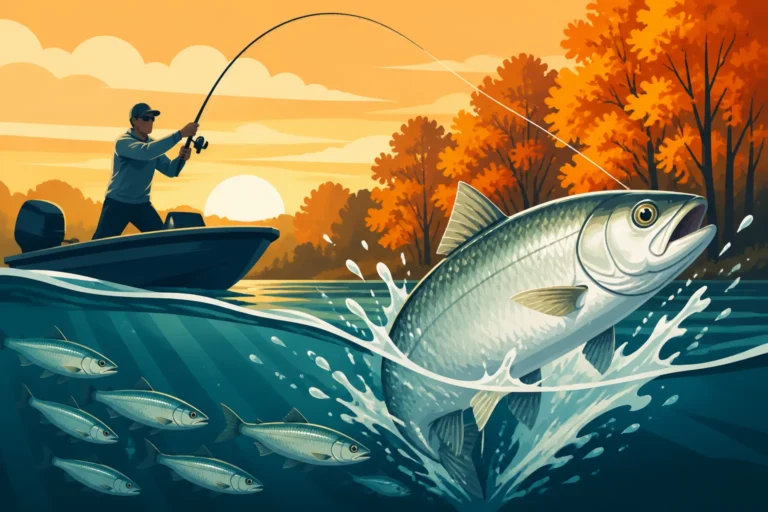
The primary driver of this incredible fishing is the massive annual mullet run. Billions of mullet, along with other baitfish, begin their migration out of the marshes and into the Gulf, creating an all-you-can-eat buffet for every predatory fish along the coast. Speckled Trout and Redfish go into a feeding frenzy, aggressively gorging themselves to build up fat reserves for the coming winter. You'll often see massive schools of mullet showering on the surface, with trout and reds busting them from below. This is prime time for throwing larger topwater lures, suspending twitch baits, and big soft plastics, as fish are less wary and more focused on getting a meal.
Beyond the mullet run, the cooler water temperatures mean fish can be found in a wider range of depths and habitats throughout the day, not just during low light. The fishing is generally more consistent, and the fish are typically more active and aggressive. Look for concentrations of birds diving, as this often indicates baitfish being pushed to the surface by feeding predators. Fishing points, jetties, grass lines, and deep bayou bends during moving tides can yield incredible results. This is also a fantastic time to target trophy-sized fish, as they are actively feeding and bulking up. Don't miss out on the incredible action the fall offers; it's truly a special time to be on the water.
Winter: Challenging but Rewarding
While the thought of "winter fishing" might conjure images of ice fishing for some, here on the Mississippi Gulf Coast, it means chilly mornings and surprisingly rewarding days on the water. Winter fishing can be challenging, as cold fronts can make fish lethargic, but for those willing to brave the cooler temperatures, it can offer some of the most consistent and concentrated bites of the year.
As water temperatures plummet in late fall and early winter, many inshore species like Speckled Trout and Redfish will move out of the shallow, exposed marshes and into deeper, more stable environments. They often congregate in large schools in deep bayou holes, river mouths, protected canals, and around dark-bottomed areas that absorb more heat from the sun. Locating these "wintering holes" is the key to success. Once you find a school, the action can be non-stop, as these fish often stack up tightly.
The techniques shift from fast-paced topwater action to slower, more deliberate presentations. Live shrimp, fished slowly on a light jig head or under a very subtle popping cork, is incredibly effective. Soft plastics, especially dark-colored ones, fished with a slow, "lift and drop" retrieve along the bottom are also go-to baits. Patience is crucial, as bites can be subtle. The fish aren't always actively chasing; they might just "suck" the bait in. Pay close attention to your line for any unnatural movement. On the plus side, winter often brings clearer water, making sight fishing for Redfish in sunny, shallow areas more viable on warmer days. Dress in layers, stay warm, and focus on those deeper, protected areas, and you'll find that winter can be a surprisingly productive time to fish the Mississippi Gulf Coast.
Best Practices for Sustainable Fishing
As passionate anglers, we all share a responsibility to protect the incredible fisheries of the Mississippi Gulf Coast. Sustainable fishing isn't just a nice idea; it's essential for ensuring that future generations can enjoy the same opportunities we do today. By adopting a few simple best practices, we can all contribute to the health and longevity of our precious marine resources.
Understanding Creel and Size Limits
One of the most fundamental aspects of responsible angling is knowing and adhering to the current fishing regulations. These rules, set by the Mississippi Department of Wildlife, Fisheries, and Parks (MDWFP), are in place to manage fish populations and prevent overfishing. Ignorance of the law is not an excuse, and violations can lead to hefty fines and even loss of fishing privileges.
Before every trip, especially if it's been a while since you last checked, make it a habit to review the latest creel (daily bag) and size limits for your target species. These regulations can change based on scientific assessments of fish stocks, so staying up-to-date is crucial. For example, Redfish often have a specific slot limit (e.g., you can only keep fish within a certain length range), and a daily bag limit. Speckled Trout also have their own size and creel limits. These slot limits are designed to protect the breeding stock of fish, allowing them to reproduce before being harvested.
It’s a good idea to carry a measuring device on your boat or in your tackle box – a simple bump board or a tape measure can save you a lot of trouble. If a fish is undersized or oversized, release it immediately and carefully. Don't just throw it back; take the time to ensure its best chance of survival. Familiarizing yourself with the Mississippi Fishing License Guide and the detailed Mississippi Fishing Regulations Explained is the first step to being a responsible angler and avoiding penalties.
Catch and Release Techniques
Even if a fish is within the legal limits, practicing responsible catch and release, especially for larger breeding-sized fish or if you already have enough for dinner, is a commendable act of conservation. Proper handling significantly increases a fish's chances of survival after being released.
When you land a fish, try to minimize the time it spends out of the water. Fish need water to breathe, just like we need air. If possible, keep the fish in the water while you remove the hook. If you must bring it aboard, handle it gently with wet hands or a wet towel to protect its protective slime coat. Avoid squeezing its belly or gills. For larger fish, a lip gripper can be a useful tool for control, but always support the body with your other hand to prevent damage to its internal organs.
Use appropriate de-hooking tools, like long-nosed pliers or a specialized de-hooker, to quickly and cleanly remove hooks. If a fish is deeply hooked, especially in the gills or stomach, it's often best to cut the line as close to the hook as possible rather than trying to rip the hook out, which can cause fatal damage. After de-hooking, hold the fish gently in the water, facing into the current, until it regains its strength and swims away on its own. Sometimes, a gentle back-and-forth motion can help water flow over its gills. Taking these extra few moments ensures that your released fish has the best chance to recover and contribute to future fish populations.
Conservation and Responsible Angling
Beyond limits and catch-and-release, true conservation on the Mississippi Gulf Coast involves a broader commitment to protecting our waterways and the surrounding environment. Every angler has a role to play in preserving the beauty and productivity of our fishing grounds.
This starts with something as simple as trash. Always pack out everything you pack in, and if you see litter, consider picking it up. Monofilament fishing line, plastic bags, and other debris can be deadly to marine life. Dispose of your unwanted fishing line responsibly; many tackle shops and marinas have recycling bins for it. Respect private property; always ask permission before accessing private land or docks. When boating, be mindful of sensitive habitats like shallow grass flats. Prop scars from boats running aground can take years to heal and destroy vital nurseries for baitfish and game fish.
Educate yourself and others about invasive species and report any unusual fish sightings to the MDWFP. Participate in local conservation efforts, whether it's marsh cleanups or advocating for sensible fisheries management. By being conscious of our impact, adhering to all regulations, and actively contributing to the health of the ecosystem, we ensure that the Mississippi Gulf Coast remains a premier fishing destination for generations to come. Your actions, big or small, truly make a difference.
Mississippi Gulf Coast Saltwater Species at a Glance
To help you quickly identify what you're targeting and what gear might be best, here's a handy overview of some common species found on the Mississippi Gulf Coast.
| Species | Preferred Habitats | Best Baits/Lures | Typical Size Range | Daily Creel Limit (Check MDWFP for current) |
|---|---|---|---|---|
| Redfish | Shallow flats, marsh edges, oyster beds, jetties | Live shrimp/mullet, gold spoons, paddle tails, Gulp! | 18-30 inches | 3 fish (16-30" slot) |
| Speckled Trout | Grass beds, bayou mouths, deeper channels, jetties | Live shrimp, soft plastics, topwater plugs, twitch baits | 14-20 inches | 15 fish (15" minimum) |
| Flounder | Sandy/muddy bottoms, creek mouths, near structure | Live minnows/shrimp, Gulp! shrimp, jig & soft plastic | 12-18 inches | 10 fish (12" minimum) |
| Sheepshead | Pilings, jetties, oyster reefs, docks | Fiddler crabs, live shrimp, cut clam | 10-15 inches | 10 fish (12" minimum) |
| Black Drum | Deep holes, oyster reefs, jetties | Live/cut shrimp, crabs, cut mullet | 15-30 inches | 5 fish (16" minimum, 1 over 30") |
| Spanish Mackerel | Open bays, nearshore Gulf waters, jetties | Spoons, Got-Cha plugs, small jigs, live baitfish | 15-25 inches | 10 fish (17" minimum) |
Disclaimer
The information provided in this guide is for general informational purposes only and is subject to change. Fishing regulations, seasons, and limits are set by the Mississippi Department of Wildlife, Fisheries, and Parks (MDWFP) and can be updated at any time. It is the angler's responsibility to verify and comply with all current state and federal fishing regulations before heading out on the water. Always prioritize safety and practice ethical angling.