Where to Catch Catfish From the Bank in Mississippi
Trying to enjoy a relaxing day of fishing without the hassle and expense of a boat, but wondering where you can actually catch some decent catfish from the bank in Mississippi? It's a common dilemma. Many anglers dream of pulling in a hefty blue or channel cat, but feel limited without watercraft. This guide is here to show you exactly where to find those whiskered beauties right from the shore, proving that incredible catfishing isn't just for boat owners.
The Enduring Appeal of Bank Fishing for Catfish
There’s a unique charm to bank fishing, especially when you’re targeting catfish. It’s about simplicity, accessibility, and connecting with the water without needing a trailer or a boat launch. In Mississippi, where fishing is a way of life, bank fishing for catfish is deeply ingrained in our culture. It’s how many of us learned to fish, and it continues to be a favorite pastime for families, seasoned anglers, and beginners alike. You don't need a fancy setup; just a rod, some bait, and a good spot can lead to an unforgettable day.
The Joy of Simplicity and Accessibility
One of the biggest frustrations for aspiring anglers is the perceived barrier to entry – the idea that you need expensive equipment or a boat to catch anything worthwhile. With bank fishing for catfish, that couldn't be further from the truth. It strips fishing down to its enjoyable core: the anticipation of a bite, the quiet contemplation by the water, and the thrill of a fight. It's incredibly cost-effective, too. You don't have to worry about gas for the boat, maintenance, or storage fees. This makes it perfect for a spontaneous afternoon trip, a family outing with the kids, or just unwinding after a long week.
Imagine a warm Mississippi evening, a comfortable chair by the water's edge, and the gentle plop of your bait hitting the surface. The accessibility of bank fishing means that these moments are within reach for almost everyone. Many public parks, state lakes, and river access points are designed with bank anglers in mind, offering clear pathways and safe spots to cast a line. It's a truly democratic way to enjoy one of Mississippi's most popular game fish.
Prime Bank Fishing Locations in General
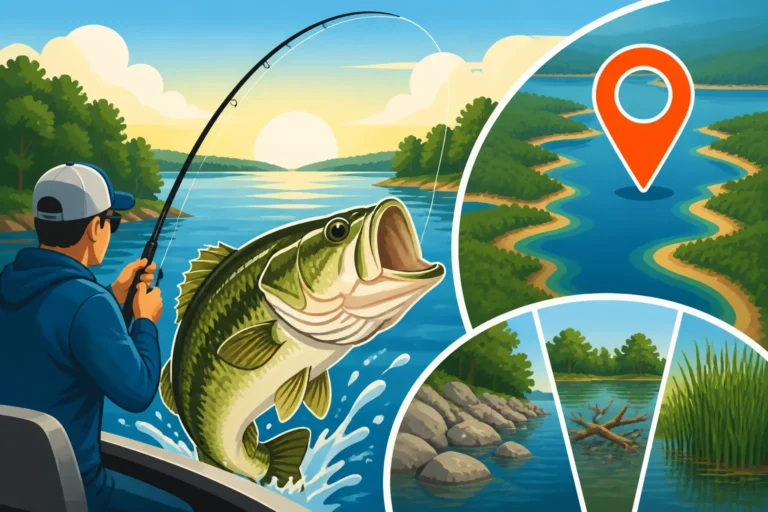
When you think about where catfish might hang out, remember they love structure, deeper holes, and areas where currents bring food to them. From the bank, this translates to looking for certain features along the shoreline. River bends, fallen trees, brush piles, submerged rocks, and even bridge pilings are all catfish magnets. In lakes, look for points that drop off into deeper water, creek channels, and areas around dam spillways.
Even smaller, unassuming spots like public ponds or state-managed lakes can hold surprising numbers of catfish, especially if they are regularly stocked. These often have well-maintained banks, making them ideal for families or those with mobility considerations. The key is to observe the water, look for changes in depth or current, and identify any natural or man-made structures that could provide cover or feeding opportunities for catfish. Sometimes, the most productive spots are those that get overlooked by anglers focused solely on boat fishing.
Top Mississippi Catfish Bank Fishing Hotspots
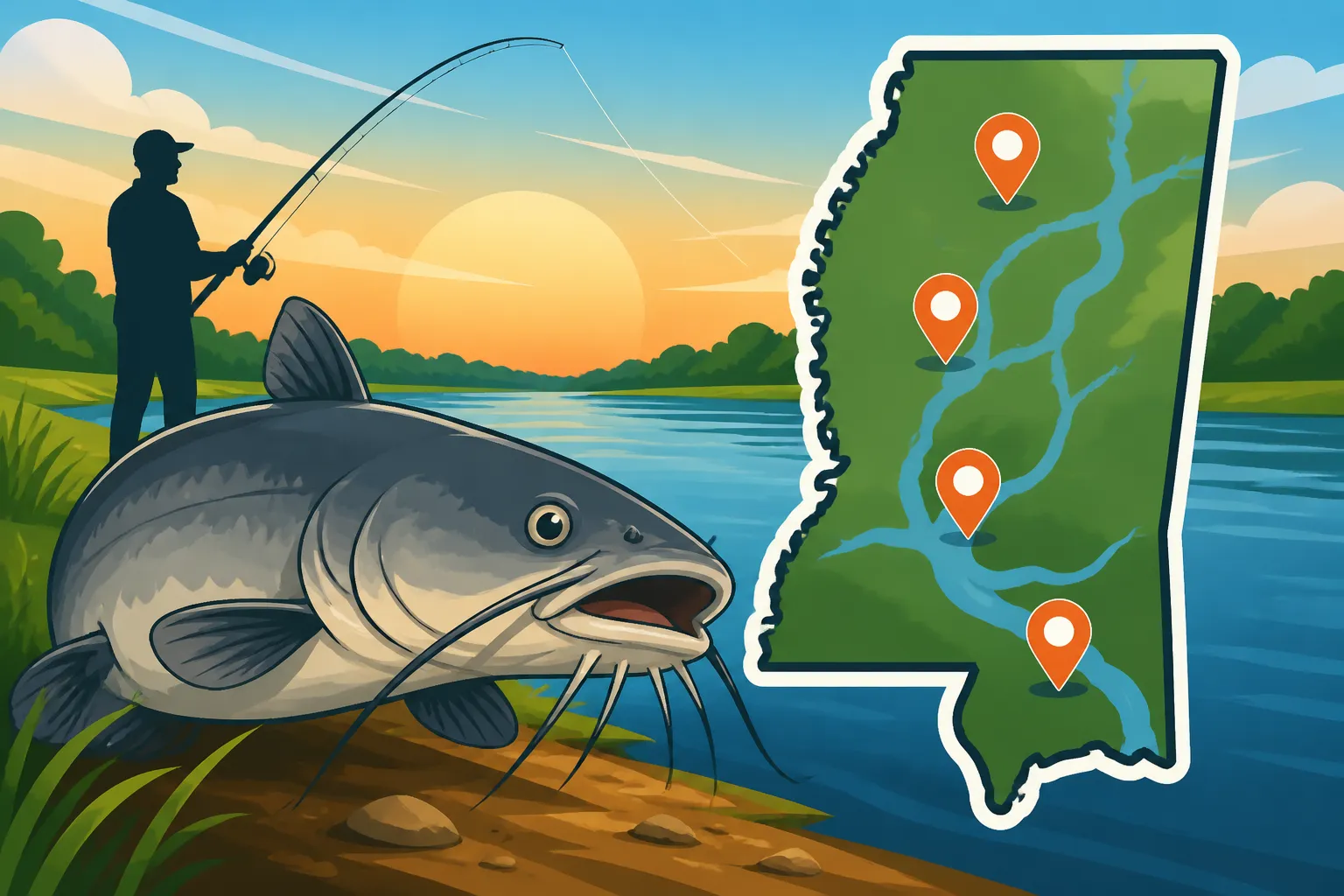
Mississippi is blessed with an abundance of water, and thankfully, many of these prime catfishing grounds offer excellent bank access. From the mighty Mississippi River to serene state park lakes, there are numerous spots where you can set up shop and expect some action. Always remember to check the latest Mississippi Fishing Regulations Explained before you head out, as rules and limits can change.
River Systems for Robust Catches
Our river systems are legendary for their catfish populations, and many stretches are perfectly accessible without a boat.
- The Mississippi River: The "Big Muddy" itself is a catfish factory, holding massive blue, channel, and flathead catfish. While fishing the main channel from the bank can be challenging due to strong currents and steep banks, the numerous oxbow lakes and backwater areas offer fantastic opportunities. Towns like Vicksburg, Natchez, and Greenville have parks and boat ramps that often provide good bank access to these calmer, fish-rich waters. Look for areas where old river channels are now cut off, forming lakes that are still connected to the river during high water. These areas tend to concentrate baitfish, and naturally, catfish follow. Fishing under bridges or near barge tie-ups can also be productive, but always be mindful of safety and private property.
- Pearl River: Running through the heart of the state, the Pearl River offers excellent bank fishing. Near Jackson, spots like LeFleur's Bluff State Park or even certain public access points within the city can yield good numbers of channel catfish. Downstream towards the Gulf Coast, particularly around areas like Columbia and Monticello, the river widens, and there are many bridges and public lands that offer bank access. The Pearl River is known for its strong currents, so heavier weights might be necessary. Focus on eddies, deep holes, and around submerged timber, which are prime catfish holding areas.
- Pascagoula River: Known as the "Singing River," the Pascagoula offers diverse fishing. While much of it is remote, there are public access points, particularly in the lower stretches closer to the coast, where you can find good bank fishing. Look for state wildlife management areas or county parks that provide river frontage. This river can hold a mix of freshwater catfish species and even some brackish water species closer to the Mississippi Sound.
- Tombigbee River/Tennessee-Tombigbee Waterway: This waterway provides a unique environment with slower currents and numerous impoundments. Areas around Columbus Lake and Aberdeen Lake, which are part of the Tenn-Tom system, have developed recreational areas with bank access. These spots are great for channel catfish and often provide easier fishing with less current. Look for public piers, parks, and maintained shorelines.
Reservoir and Lake Shorelines
Mississippi's large reservoirs are not just for boaters; many offer expansive shorelines that are perfect for bank fishing.
- Ross Barnett Reservoir: Located just north of Jackson, "The Rez" is a favorite for many. While boating dominates, there are several prime bank fishing spots. The spillway area below the main dam is famous for its excellent catfishing, especially when water is being released. You can often find a mix of blues and channels here. Other areas like the Pelahatchie Bay public boat ramp and fishing pier, or public parks along the shoreline like Old Trace Park, offer good bank access. Look for points, riprap banks, and areas with submerged cover. The sheer size of Ross Barnett Reservoir Fishing Guide means there are always new spots to explore, and a simple walk along the shore can reveal a hidden gem.
- Grenada Lake: Often touted as a crappie hotspot, Grenada Lake also boasts an impressive catfish population and good bank access. The tailwater area below the main dam is another excellent spot, particularly for blue catfish. The main lake has numerous parks and campgrounds with accessible shorelines, such as Grenada Lake State Park. Look for areas with a quick drop-off near the bank or any signs of current, especially during periods of water release.
- Sardis Lake: Similar to Grenada, Sardis Lake is another northern Mississippi gem. Its extensive shoreline and numerous recreation areas provide plenty of bank fishing opportunities for catfish. The spillway area can be productive, and public access points like the Sardis Lake State Park offer easy-to-reach banks. Focus on areas with riprap, submerged timber, or where feeder creeks enter the main lake.
- Enid Lake: Another one of the "big three" crappie lakes in north Mississippi, Enid Lake also offers good bank fishing for catfish. Like its sister lakes, the tailwater below the dam is a popular spot. Many of the campground areas and day-use parks have accessible shoreline for bank anglers.
State Park Lakes and Public Ponds
For a more relaxed and often family-friendly experience, Mississippi's State Park Lakes and various public ponds are fantastic choices for bank catfishing. These waters are typically smaller, easier to navigate from shore, and often stocked, ensuring a decent chance of success. Remember that many state park lakes may require an additional permit beyond your regular state fishing license; check the Mississippi State Park Lake Fishing Permits requirements before you go.
- Simpson County Lake: This lake near Pinola is a perfect example of a smaller, well-managed waterbody. It's often stocked and provides excellent bank access, making it ideal for beginners or those looking for a consistent catch. The banks are generally clear, and there are often fishing piers available.
- Neshoba County Lake: Another prime state fishing lake, Neshoba County Lake offers good facilities and reliable catfishing from the bank. These lakes are managed by the Mississippi Department of Wildlife, Fisheries, and Parks (MDWFP) to provide quality angling opportunities, and catfish are usually a primary target species.
- Local Community Ponds: Don't overlook smaller, often unnamed ponds in local parks or community areas. While they might not be as grand as the major reservoirs, many are stocked or naturally hold channel catfish. A quick search on your local city or county parks department website can reveal hidden gems. Always ensure you are fishing legally and on public property, or have permission if it's a private pond. These spots are excellent for a quick trip, especially with kids.
When scouting for these spots, online mapping tools are your best friend. Services like FishingBooker can sometimes highlight public access points or provide reviews from other anglers that mention bank fishing opportunities, giving you a head start on finding those perfect catfish hideouts.
Essential Gear and Techniques for Bank Catfishing
Successful bank catfishing doesn't require a tackle shop's worth of gear, but having the right essentials makes a world of difference. The beauty of it is that much of what you need is relatively inexpensive and easy to transport.
Rods, Reels, and Rigging for the Bank
When choosing your setup, think about power and durability. Catfish, especially the bigger blues and flatheads, can pull hard!
- Rods: A medium-heavy to heavy-action spinning or baitcasting rod, typically 7 to 9 feet long, is ideal. The longer rod helps with casting distance from shore and provides better leverage when fighting a strong fish. Look for rods with a good backbone but a sensitive tip, so you can detect subtle bites. For those targeting larger blue or flathead catfish in strong currents, a heavy-action rod is crucial.
- Reels: A sturdy spinning reel in the 4000-6000 size range, or a baitcasting reel designed for heavier line, will serve you well. Ensure it has a smooth drag system, as this is vital for handling powerful runs.
- Line: Monofilament line in the 15-30 lb test range is a good all-around choice for durability and abrasion resistance, especially when fishing around submerged structure. Braided line (30-50 lb test) offers superior strength and sensitivity, which can be advantageous in detecting light bites from finicky cats or when fishing deep water. However, braid can be harder to cut and tie for beginners, and it's less forgiving if snagged.
- Rigging: The most common and effective bank fishing rig for catfish is a simple slip-sinker rig, also known as a Carolina rig. This involves threading an egg sinker (1/2 oz to 2 oz, depending on current and bait size) onto your main line, followed by a bead to protect your knot. Then, tie on a swivel, followed by a 12-24 inch leader (often heavier test than your main line) and a stout circle hook (sizes 2/0 to 8/0, depending on target species and bait). The slip-sinker allows the fish to pick up the bait and run without feeling the weight of the sinker, leading to more natural presentations and better hookups. For less current, a simple three-way swivel rig or a Santee Cooper rig can also be effective.
The Best Baits for Mississippi Catfish
Catfish are opportunistic feeders, and they have a keen sense of smell, which is why smelly baits often work wonders. The best bait for catfish in Mississippi often depends on the species you're targeting and the specific water body.
- Cut Bait: This is a universal catfish killer, especially for blue and flathead catfish. Shad, skipjack herring, or even smaller panfish cut into chunks release strong scent trails that attract catfish from a distance. You can often catch your own baitfish with a cast net or buy them from bait shops.
- Chicken Livers: A classic for channel catfish, chicken livers are incredibly potent scent-wise. They can be messy and tend to fall off the hook easily, so many anglers use a small piece of nylon stocking or thread to secure them.
- Worms: Nightcrawlers or red worms are excellent for smaller channel catfish and even flatheads. They are readily available and easy to use. A big wad of worms can be irresistible.
- Prepared "Stink" Baits: Brands like Berkley PowerBait or Catfish Charlie offer commercially prepared baits specifically designed to appeal to catfish's sense of smell. These often come in paste, dip, or punch bait forms and are very effective, particularly for channel catfish.
- Hot Dogs/Shrimp: Marinated hot dogs (garlic powder and Kool-Aid are popular additions) and raw shrimp (peeled or unpeeled) are surprisingly effective and easy-to-source baits for channel catfish.
- Live Bait: While more common for flathead catfish from a boat, a live sunfish (like a bream) or a small shad can be deadly when fished from the bank in deeper holes, but be sure to check local regulations on using live game fish as bait.
Reading the Water from Shore
Just because you're on the bank doesn't mean you can't "read" the water. Observing your surroundings and understanding catfish behavior is crucial for success.
- Look for Structure: As mentioned, fallen trees, brush piles, rock formations, and even old tires or debris provide cover for catfish. These spots offer ambush points and shelter from strong currents.
- Identify Current Breaks: In rivers, look for eddies or slower water behind obstacles. Catfish will often hold just out of the main current, waiting for food to drift by.
- Find Drop-offs: In lakes and slower river sections, look for points or areas where the bank quickly slopes into deeper water. Catfish frequently patrol these transitions between shallow and deep water.
- Observe Baitfish Activity: If you see schools of baitfish (minnows, shad) jumping or congregating near the surface, it's a good sign that predatory fish, including catfish, are nearby.
- Consider the Time of Day/Season: Catfish are often more active at dawn, dusk, and throughout the night, especially during warmer months. During the day, they might retreat to deeper, cooler water or dense cover. Understanding the Best Time of Year for Catfish Fishing in Mississippi can significantly impact your success.
Maximizing Your Bank Catfishing Success
Bank fishing for catfish is about more than just finding a spot and casting a line. A little planning and understanding of catfish habits can turn a good outing into a great one.
Timing is Everything
Catfish are creatures of habit, and knowing their general feeding patterns can give you a significant advantage.
- Night Fishing: This is arguably the best time to target catfish from the bank, especially in the summer. Catfish are primarily nocturnal hunters, and they move into shallower waters to feed as the sun goes down. Their excellent sense of smell gives them an edge in the dark. Just remember to bring headlamps or lanterns, bug spray, and be aware of your surroundings.
- Dawn and Dusk: These twilight hours are also highly productive. As light levels change, catfish often become more active, moving out from their daytime haunts.
- Overcast Days: If you're fishing during the day, cloudy or drizzly weather can sometimes trigger catfish activity, as it mimics low-light conditions.
- Water Levels and Flow: In river systems, pay attention to recent rainfall and water levels. Rising water can push catfish into newly flooded areas to feed, while falling water might concentrate them in deeper channels. In spillways, periods of water release can be excellent as baitfish get flushed through, creating a feeding frenzy.
Safety and Etiquette for Bank Anglers
While bank fishing is generally safe, it's crucial to be mindful of your surroundings and practice good outdoor etiquette.
- Personal Safety: Always inform someone of where you're going and when you expect to return. Be aware of venomous snakes, particularly cottonmouths (water moccasins), which are common near Mississippi waters. Wear appropriate footwear, bring plenty of water, and protect yourself from the sun. If fishing at night, a good flashlight or headlamp is essential.
- Respect Private Property: Always ensure you are on public land or have permission to fish private property. Trespassing can lead to fines and can jeopardize future public access to fishing spots.
- Leave No Trace: Pack out everything you pack in, including discarded fishing line, bait containers, and food wrappers. Don't leave hooks or trash that could harm wildlife or other people.
- Know the Regulations: Before you fish, always consult the current Mississippi Catfish Regulations, including daily limits and any size restrictions. It's your responsibility to know and follow the rules. For example, Is There a Daily Limit on Catfish in Mississippi? Yes, there generally are.
Preparing for Your Trip
A little preparation goes a long way in ensuring a comfortable and successful bank fishing trip.
- Comfort Items: A comfortable folding chair, a small cooler with drinks and snacks, bug spray, sunscreen, and a hat are essentials.
- Fishing Essentials: Beyond your rod, reel, and bait, bring extra hooks, sinkers, line, a knife, pliers for hook removal, a tape measure, and a stringer or cooler with ice if you plan to keep your catch.
- Wipes and Towels: Catfishing can be a messy business, especially with stink baits or slimy fish. Having wet wipes or a rag handy will be a lifesaver.
- First-Aid Kit: A small kit with bandages, antiseptic wipes, and pain relievers is always a good idea for minor cuts or scrapes.
Sometimes, even with the best planning, finding the perfect bank spot can be tricky. Don't hesitate to ask local bait shop owners for advice – they often know the most reliable bank fishing spots in their area. For those who eventually want to explore beyond the bank, platforms like FishingBooker can help you connect with local fishing guides who know all the best spots, both from shore and by boat.
Here's a quick overview of some prime bank catfishing locations in Mississippi:
| Location Type | Specific Spot Examples | Target Catfish Species | Best Baits | Key Features for Bank Anglers |
|---|---|---|---|---|
| Major River Systems | Mississippi River (Oxbows, Backwaters) | Blue, Flathead, Channel | Cut bait (shad, skipjack), Live bait (sunfish) | Calm side channels, public boat ramps, parks with river access |
| Pearl River (LeFleur's Bluff, public access) | Channel, Blue, Flathead | Chicken liver, Cut bait, Worms | Parks, bridge access points, eddies behind structure | |
| Large Reservoirs | Ross Barnett Reservoir (Spillway, Parks) | Channel, Blue | Chicken liver, Prepared baits, Worms, Cut bait | Dam spillway area, public parks with riprap, fishing piers |
| Grenada Lake (Tailwater, State Park) | Blue, Channel | Cut bait, Prepared baits, Worms | Dam tailwater, campground shorelines, fishing piers | |
| State Park Lakes/Ponds | Simpson County Lake, Neshoba County Lake | Channel | Worms, Prepared baits, Hot dogs | Stocked lakes, clear banks, fishing piers, family-friendly |
Remember, every fishing trip is an adventure, and catching catfish from the bank in Mississippi offers a wonderfully accessible way to experience the thrill of the chase. With a little knowledge of where to go and what to use, you'll be enjoying fresh catfish dinners in no time! If you're looking to dive deeper into specific fishing styles, check out our guide on Catfish Fishing Techniques. You might also find our comprehensive Mississippi Fishing License Guide helpful for ensuring you're fully prepared before your next outing. For those interested in the bigger picture, learning about Mississippi Freshwater Fishing Rules can clarify specific regulations, and understanding the Mississippi Fishing Season Dates and Limits will optimize your fishing calendar. Should you have success and wonder what to do next, our How to Clean a Catfish guide has you covered!
Disclaimer
Fishing conditions and regulations in Mississippi can change. Always consult the latest Mississippi Department of Wildlife, Fisheries, and Parks (MDWFP) official regulations before heading out. The information provided in this guide is for general informational purposes only and should not be considered legal advice. Stay safe and enjoy your time on the water!