Is Lake Washington Good for Beginners?
It's incredibly frustrating when you're new to fishing, excited to cast a line, but feel completely lost trying to find a spot that isn't too challenging or intimidating. Many beginners worry about picking the wrong lake, struggling with complex techniques, or simply not catching anything. This comprehensive guide will walk you through why Lake Washington in Mississippi is actually a fantastic and welcoming destination for novice anglers, helping you understand its unique characteristics and how to make the most of your first fishing adventures there.
Understanding Lake Washington's Appeal for Anglers
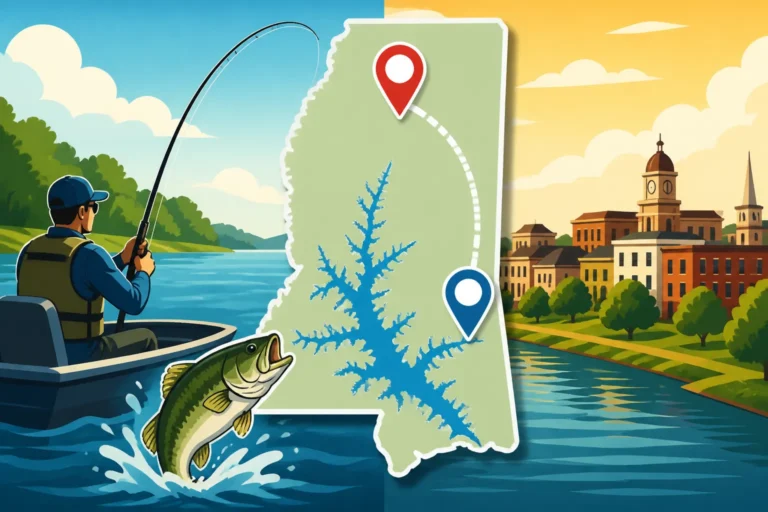
Lake Washington, a beautiful oxbow lake in the Mississippi Delta, has a certain charm that immediately draws you in. It's not a massive, intimidating reservoir with deep, mysterious waters, but rather a more intimate setting that feels approachable, especially for someone just starting out. This unique character is a big part of its beginner-friendly reputation.
Lake Washington's Layout and Accessibility
Imagine pulling up to a fishing spot and not having to navigate confusing ramps or battling aggressive boat traffic. That's often the experience at Lake Washington. This lake, situated in Washington County, is known for its relatively shallow depths and abundant natural structure, making it less overwhelming than some of the state's larger, deeper lakes. Its oxbow shape means there's a lot of shoreline relative to its overall size, offering ample opportunities for bank fishing – a huge plus for beginners who might not yet own a boat or feel comfortable operating one.
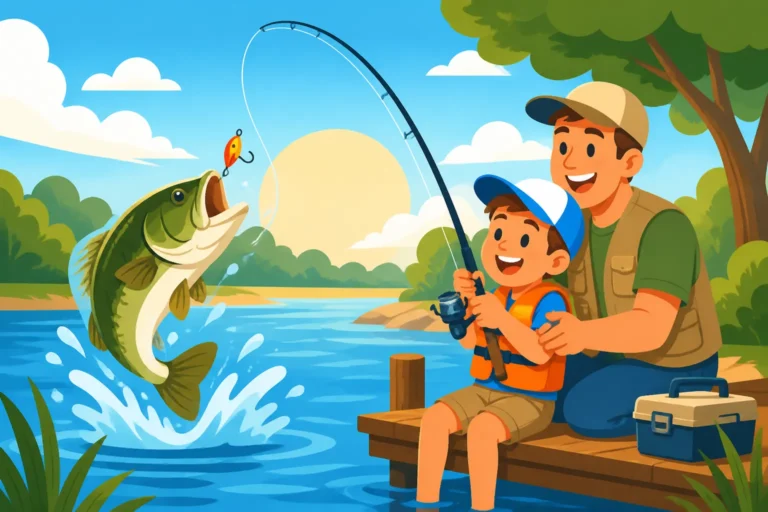
For those who do have a small boat, kayak, or canoe, the boat ramps at Lake Washington are typically easy to access and less crowded than at major reservoirs like Ross Barnett or Grenada Lake. This ease of launching means less stress and more time spent actually fishing. You won't find yourself waiting in long lines or jockeying for position, which can be a real turn-off for a new angler. The surrounding areas often feature small, locally-run bait shops where you can pick up supplies and, more importantly, get invaluable, up-to-the-minute advice on what's biting. Picture a leisurely afternoon with your family, the kids excitedly casting from a quiet bank, reeling in panfish without the pressure of a packed fishing pier. This relaxed atmosphere is exactly what Lake Washington offers.
Prime Fish Species for Beginner Success
One of the biggest confidence boosters for any new angler is catching fish, and Lake Washington absolutely delivers on this front. The lake is teeming with species that are known for being plentiful and relatively easy to entice with basic baits and techniques. This means you're far less likely to suffer the dreaded "skunk" – a day with no catches – which can quickly discourage a budding passion.
Crappie, both white and black, are perhaps the most popular target here, and they are incredibly forgiving for beginners. These panfish bite readily on simple rigs like a bobber and a live minnow, or a small jig. You don't need fancy electronics or advanced boat control to find them, especially during the spring spawn when they move into shallower waters around cypress trees, stumps, and lily pads. Catfish, another excellent choice for beginners, are also abundant. Channel cats and blue cats can be caught from the bank using simple bottom rigs with common baits like chicken livers, worms, or commercially prepared stink baits. They put up a good fight but aren't overly particular, making them a thrilling catch for someone learning the ropes. And let's not forget about Bream and Bluegill! These feisty little fighters are perfect for kids and adults alike, eager to feel a tug on their line. A simple hook, a small split shot, and a red wiggler worm under a bobber can lead to non-stop action, making for a truly memorable first fishing experience. While Largemouth Bass are certainly present and can grow to impressive sizes, making for exciting catches as detailed in Lake Washington Bass and Crappie Fishing, they might require a bit more finesse and specific lure selection, so beginners might focus on crappie, catfish, and bream first to build their confidence.
Fishing Conditions and Techniques Suited for Novices
Fishing doesn't have to involve expensive gear, complex knots, or years of accumulated knowledge. Lake Washington is a prime example of a place where simplicity often reigns supreme, making it an ideal classroom for new anglers.
Simple Gear and Bait Recommendations
Forget about specialized rods and reels designed for obscure techniques; for Lake Washington, a basic spinning rod and reel combo will serve you perfectly. A medium-light action rod between 6 to 7 feet long, paired with a spinning reel spooled with 6-10 pound monofilament line, is versatile enough to handle crappie, bream, and most catfish you'll encounter. You can find excellent, affordable combos at any sporting goods store. When it comes to terminal tackle, keep it basic: a selection of small hooks (sizes 4-8), a few split shot weights, and a handful of bobbers (slip bobbers are great for beginners as they allow you to easily adjust your depth) are often all you need.
Live bait is a game-changer for beginners on Lake Washington. It's often more enticing to fish than artificial lures and requires less skill to present effectively. Minnows are king for crappie, readily available at local bait shops. For bream and bluegill, a simple container of red wiggler worms or crickets will keep you busy. And for catfish, chicken livers, cut bait, or even hot dogs can be incredibly effective. If you're feeling adventurous with artificials, small curly-tail grubs on a jig head (1/16 to 1/8 ounce) or a simple inline spinnerbait are easy to cast and retrieve, often eliciting strikes from crappie and even smaller bass. The beauty here is that you don't need to overthink it; the fish are generally cooperative, making it easy to just get out there and start fishing.
Ideal Times and Seasons for Beginner Trips
Timing your trip can significantly impact your success, and for beginners, picking the right season and even time of day can make all the difference at Lake Washington. Spring is arguably the best season for new anglers. As the water temperatures rise, crappie move into the shallow waters to spawn, making them much easier to locate and catch. Bass also become more active during this period. You can often find them in predictable areas like submerged brush, fallen trees, and lily pad fields close to shore. This is a fantastic time for bank fishing or slowly paddling a kayak around visible structure.
As summer arrives, the fishing doesn't necessarily slow down, but it does change. Mornings and evenings become the prime times, as the midday heat can push fish into deeper, cooler water. This is when panfish and catfish really shine. You can often find schools of bream and bluegill hiding under shady docks or along the edges of vegetation, while catfish become more active as the sun sets, making for exciting night fishing opportunities. Fall can also be productive as fish feed heavily before winter, and winter offers unique challenges but can still yield good catches for those willing to brave cooler temperatures. For a deeper dive into seasonal fishing across the state, check out our Best Time of Year to Fish in Mississippi guide, or more specifically, our Mississippi Spring Fishing Guide. Understanding these seasonal patterns can significantly boost a beginner's chances of success on Lake Washington.
Navigating Challenges and Maximizing the Beginner Experience
Every fishing spot, no matter how beginner-friendly, comes with its own set of minor hurdles. Lake Washington is no exception, but knowing what to expect and how to handle it can turn potential frustration into part of the learning curve.
Common Hurdles and How to Overcome Them
One of the most noticeable features of Lake Washington is its abundant aquatic vegetation, particularly during the warmer months. You'll encounter extensive lily pads, submerged grass beds, and cypress trees lining the shores. While this structure is fantastic for fish habitat, it can be a snag-inducing nightmare for beginners. The trick here is to adapt your approach. Instead of casting into the thickest cover, try fishing the edges of the vegetation. Fish often patrol these transition zones, waiting to ambush prey. For lily pads, consider using weedless rigs, like a Texas-rigged plastic worm with a weight pegged right to the hook, or even topwater lures that glide over the pads without getting caught. If you do get snagged, don't just yank hard – often, slowly pulling in a different direction or giving the line some slack can free your lure.
Another common challenge for beginners is simply finding the fish. Unlike a perfectly manicured pond, a natural lake like Washington has countless spots where fish could be. Instead of randomly casting, focus on visible cover. Look for docks, fallen trees, stumps, cypress knees, and changes in the shoreline. These are natural fish magnets. If you're fishing from a boat or kayak, pay attention to any dips or rises in the bottom if you have a basic depth finder. Remember, fish need cover, food, and comfortable water temperatures. If you find one of these, you're likely to find fish. The key is patience and observation, two skills every great angler eventually masters.
Local Insights and Resources for Beginners
One of the absolute best resources for any angler, especially a beginner, is local knowledge. When you're heading to Lake Washington, make it a point to stop at a local bait and tackle shop. These establishments are goldmines of information. The folks behind the counter usually fish the lake regularly and can tell you what's biting, what bait they're hitting, and even pinpoint specific areas that have been productive recently. They can also offer advice on current water conditions and any specific regulations you should be aware of.
Beyond bait shops, don't underestimate the power of online communities. Many local fishing forums or Facebook groups dedicated to Mississippi fishing often have members who frequent Lake Washington and are happy to share tips or answer questions. For a more direct and accelerated learning experience, consider hiring a local fishing guide for a half-day trip. Even just a few hours with an experienced guide can teach you invaluable techniques, show you prime spots, and dramatically shorten your learning curve. Websites like FishingBooker are excellent platforms to find and book reputable local guides on Lake Washington who specialize in teaching beginners the ropes. These guides typically provide all the necessary gear and bait, making it a truly hassle-free way to get started. While this guide provides a great overview, a seasoned pro can tailor advice specifically to your goals and skill level.
Planning Your First Trip to Lake Washington
A successful and enjoyable fishing trip starts long before you even cast your first line. For beginners, a little planning can go a long way in ensuring a positive experience on Lake Washington.
Essential Gear Checklist
Before you head out, putting together a simple checklist will help ensure you have everything you need and nothing important is left behind. Beyond your rod, reel, and basic tackle, here are some essentials:
- Cooler: For keeping drinks, snacks, and any fish you decide to keep fresh.
- Sun Protection: Sunscreen, a wide-brimmed hat, and sunglasses are non-negotiable, especially during Mississippi's bright days.
- Bug Spray: Mosquitoes and other biting insects can be a real nuisance, particularly near the water.
- Comfortable Clothing: Dress in layers appropriate for the weather, and choose quick-drying fabrics if possible.
- Small First-Aid Kit: For minor cuts, scrapes, or hook pokes.
- Pliers/Forceps: Essential for removing hooks safely from fish, and sometimes from yourself!
- Fishing License: This is crucial. Before you even think about casting a line, make sure you have a valid Mississippi fishing license. You can easily obtain one online or at many bait and tackle shops. Failing to have one can result in hefty fines, as outlined in Mississippi Fishing License Penalties and Fines. For details on how to get yours, check out our How to Get a Mississippi Fishing License or Do You Need a License to Fish in Mississippi?. Knowing your Mississippi Resident Fishing License Options can also help you choose the right one.
Having these items readily available will make your day on the water much more comfortable and enjoyable, allowing you to focus on the fishing rather than unexpected discomforts.
Respecting the Lake and Fellow Anglers
Part of being a responsible angler, especially when starting out, is understanding and adhering to the unspoken rules of etiquette and conservation. Lake Washington is a shared resource, and keeping it beautiful and productive for everyone is paramount. Always practice "leave no trace" principles: whatever you bring in, take out. This means no litter, no discarded fishing line (which can harm wildlife), and being mindful of your impact on the environment.
When on the water, whether by boat or from the bank, be respectful of other anglers. Give them ample space, avoid loud noises, and never cast over someone else's line. If you're using a boat, be mindful of your wake near other boats or bank anglers. Additionally, it's vital to familiarize yourself with Mississippi's fishing regulations, including creel limits (the number of fish you can keep) and size limits for various species. For example, Mississippi Crappie Regulations by Lake or Mississippi Statewide Creel Limits will detail specific rules for species like crappie and bass. These regulations are in place to ensure healthy fish populations for years to come. You can find comprehensive information in our general Mississippi Fishing Regulations Explained guide. Respecting these rules not only keeps you out of trouble but also contributes to the sustainability of the fishery, ensuring Lake Washington remains a fantastic spot for beginners for generations.
Conclusion
So, is Lake Washington good for beginners? Absolutely! It truly stands out as an excellent choice for anyone new to fishing in Mississippi. Its calm waters, easy accessibility, and abundant populations of beginner-friendly species like crappie, catfish, and bream create an environment that minimizes frustration and maximizes the joy of learning. While every lake presents minor challenges, the hurdles at Lake Washington are easily overcome with a little preparation and local insight.
By focusing on simple gear, understanding basic techniques, and leveraging readily available resources—whether it's advice from a local bait shop, tips from online communities, or the invaluable experience of a guided trip booked through platforms like FishingBooker—you'll be well on your way to a successful and enjoyable fishing adventure. Lake Washington isn't just a place to catch fish; it's a wonderful place to fall in love with fishing, offering the perfect blend of natural beauty and rewarding experiences for the novice angler.
Disclaimer
The information provided in this guide is for general informational purposes only and is not intended as legal or professional advice. Fishing regulations, conditions, and best practices can change rapidly. Always consult the latest regulations from the Mississippi Department of Wildlife, Fisheries, and Parks (MDWFP) and exercise caution and good judgment when participating in any outdoor activities.