Sardis Lake Tailwater Fishing
One of the trickiest parts about fishing in Mississippi, especially for those who love the diversity that moving water offers, is understanding how the areas below our big reservoirs operate. It's easy to assume the fishing below a dam is just like the lake itself, but that couldn't be further from the truth. The tailwaters below Sardis Lake, for instance, present a completely different set of challenges and incredible opportunities, and this guide is here to unravel the mysteries of fishing this dynamic environment.
Understanding the Unique Environment of Sardis Lake Tailwaters
The tailwater section below Sardis Lake dam isn't just a simple creek; it's a dynamic, ever-changing ecosystem directly influenced by the U.S. Army Corps of Engineers' water releases. This constant influx of cooler, oxygenated water creates a prime habitat for a variety of fish, often drawing them in from the main lake, especially during certain times of the year. But it also means conditions can shift rapidly, demanding a different approach from anglers.
The Role of Dam Discharges and Water Flow
The Sardis Lake Dam plays a crucial role in managing water levels for flood control and various environmental purposes. What this means for us anglers is that the flow, depth, and even temperature of the tailwaters can fluctuate dramatically. When the gates are open, you'll experience significant current, which can either push fish downstream or concentrate them in eddies and slack water areas. Conversely, periods of low or no discharge transform the tailwater into a more placid river section, requiring yet another change in tactics. It's a constant puzzle, but that's what makes it so engaging.
The impact of these discharges goes beyond just current. The water released from the bottom of the lake can be significantly cooler than the surface water, especially in summer. This cooler, oxygen-rich environment is a huge draw for species that prefer these conditions, like certain types of bass and even crappie seeking thermal refuge. Understanding the daily and seasonal discharge schedules, often available from the Corps of Engineers website, is absolutely paramount to planning a successful trip. Ignoring these patterns is like trying to guess the winning lottery numbers – you might get lucky, but you're probably just wasting your time and bait.
Habitat Features and Fish Concentrations
Beneath the dam, the tailwaters are a maze of diverse habitats, ranging from deep scour holes carved out by years of powerful discharges to shallow riffles, sandbars, and rocky outcroppings. The current constantly reshapes these features, creating new holding lies for fish. You'll find everything from submerged timber and brush piles that offer cover to open stretches of channel where schools of baitfish and predators roam. Knowing how to "read" the water and identify these features is key to finding where the fish are hiding.
One of the most productive areas to focus on is any significant change in current or depth. Eddies, where the water swirls back on itself, are classic spots for fish to rest out of the main flow while still having access to food drifting by. Seams, where fast water meets slow water, are equally productive. Deeper holes, especially those immediately below the dam, often hold large schools of crappie and catfish. During lower flows, don't overlook the shallower gravel bars and rock beds, as these can become feeding grounds for various species. Remember, fish are always looking for food, comfort, and safety, and these changing structural elements provide all three.
Prime Species and Seasonal Opportunities in the Tailwaters
The Sardis Lake tailwaters are a fantastic destination for targeting a diverse range of freshwater species. Unlike the main lake, the unique flow and habitat below the dam can concentrate fish, making for some truly epic days on the water if you know what to look for and when.
Crappie and Bass Strategies
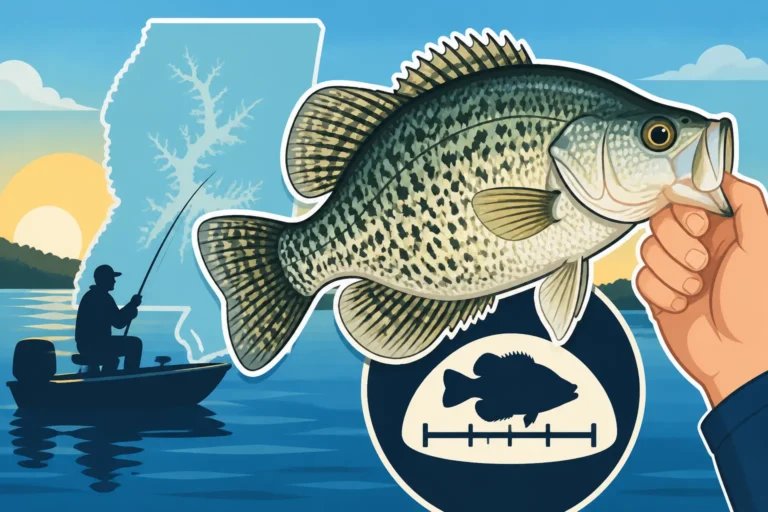
Crappie are arguably the most popular target in the Sardis tailwaters, especially during cooler months and stable flow periods. Both white and black crappie thrive here, often schooling up in deep holes, around submerged timber, or in the calmer eddies. In the spring, when the water warms up, they move shallower to spawn, and you can find them in quieter backwater areas or along the banks. Later in the year, particularly late fall and winter, crappie will often concentrate in deep channels, often suspended or hugging the bottom, making them a prime target for vertical jigging or slow trolling with small jigs and minnows. Anglers often swear by minnows or tiny jigs (1/16 to 1/8 ounce) in chartreuse, white, or black. For more general insights into panfish, check out our guide on Bream and Bluegill Fishing in Mississippi, as some of the techniques can cross over.
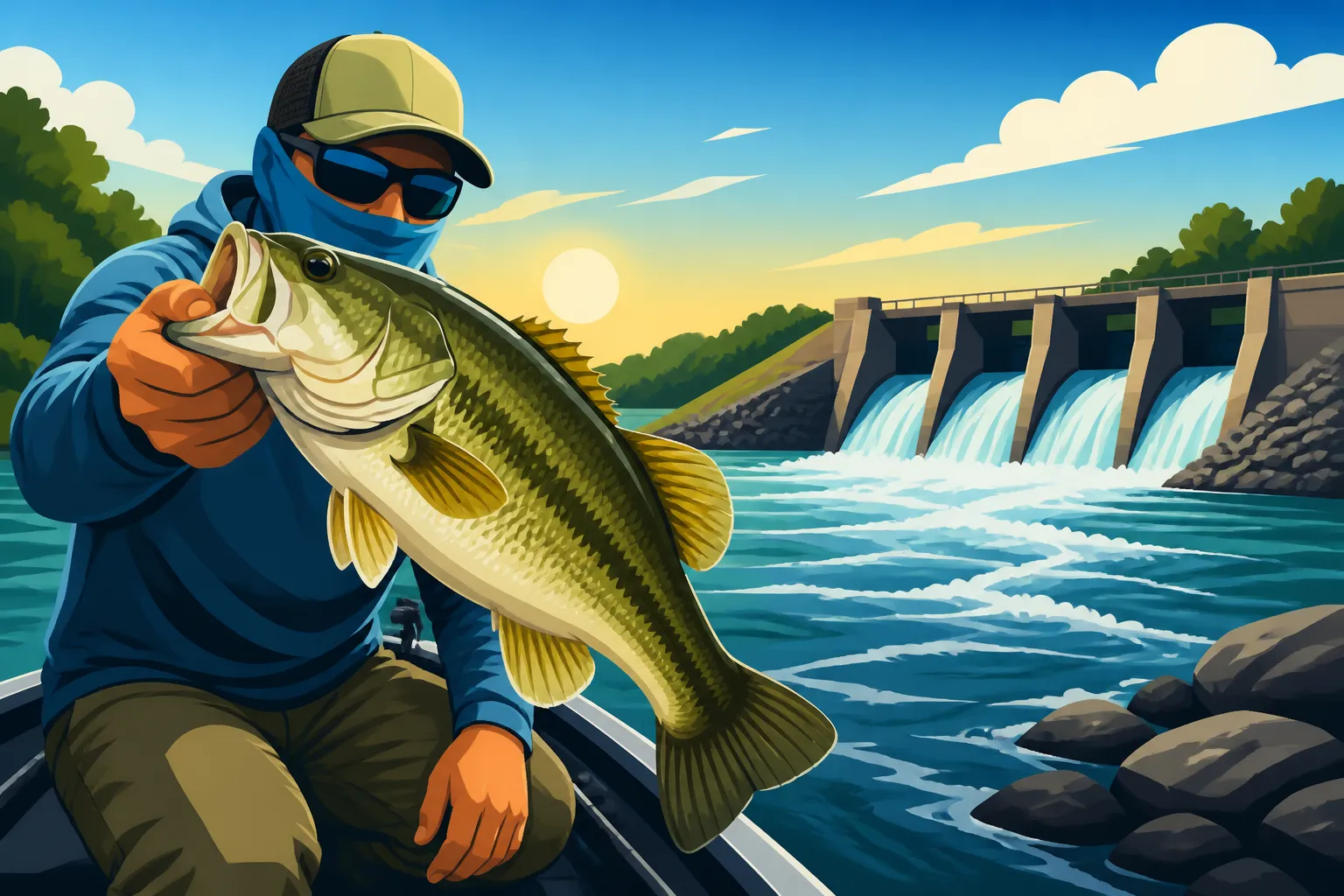
Bass, including largemouth and spotted bass, also find the tailwaters appealing. Largemouth prefer the slower, more heavily structured areas, particularly around laydowns, brush piles, and weed lines when they occur. Spotted bass, known for their preference for current, will often hold on current breaks, ledges, and rocky points. During periods of higher flow, bass will tuck into eddies and behind submerged structures, ambushing baitfish swept past them. Spinnerbaits, crankbaits, and soft plastics like Texas-rigged worms or jigs are highly effective. Don't forget to explore our article on Bass Fishing Techniques for Mississippi Anglers for more advanced tips that can be adapted to tailwater conditions.
Catfish and Other Angling Opportunities
Catfish are a year-round staple in the Sardis tailwaters, with channel catfish, blue catfish, and flathead catfish all present. The current-rich environment provides ample food and oxygen, allowing these fish to grow to impressive sizes. Blue catfish, in particular, are powerful fighters and often congregate in deep scour holes and along the main channel. They're scavengers, readily biting on cut bait (like shad or skipjack), chicken livers, or commercial stink baits. Flatheads, preferring live bait, often hide near submerged logs and rock piles, waiting to ambush their prey. You might even stumble upon some impressive Trophy Catfish in Mississippi Waters in this section.
Beyond the "big three," the tailwaters offer chances to catch other species. Hybrid striped bass, often stocked in Mississippi reservoirs, can occasionally be found in the tailwaters, especially during periods of active feeding when they chase baitfish. White bass also make an appearance, particularly during their spawning runs. For the adventurous, jug fishing and trotline setups, while regulated, can be incredibly effective for catfish, especially on longer trips. Just be sure to review Mississippi Catfish Regulations carefully before deploying these methods, as specific rules apply. The vibrant ecosystem here means you never truly know what might strike your bait!
Sardis Lake Tailwater Target Species & Peak Seasons
| Species | Primary Season(s) | Preferred Habitat | Effective Baits/Lures | Notes |
|---|---|---|---|---|
| Crappie | Fall, Winter, Early Spring | Deep holes, timber, eddies, calmer backwaters | Minnows, 1/16-1/8 oz jigs (chartreuse, white) | Excellent table fare, often school heavily |
| Largemouth Bass | Spring, Fall | Slack water, laydowns, brush, weed lines | Spinnerbaits, crankbaits, Texas rigs | Ambush predators, target cover out of current |
| Spotted Bass | Spring, Summer, Fall | Current breaks, rocky points, ledges | Small crankbaits, shaky heads, finesse jigs | Strong fighters for their size, prefer current |
| Channel Catfish | Year-round | Main channel, deep holes, current seams | Cut bait, chicken liver, stink baits | Abundant, good eating, often bite in tough conditions |
| Blue Catfish | Year-round (best warmer months) | Deep scour holes, main channel | Cut bait (shad, skipjack), live perch | Powerful fighters, can reach trophy size |
| Flathead Catfish | Summer, Early Fall | Submerged timber, rock piles, deep snags | Live sunfish, small shad | Solitary, nocturnal, require patience |
| Hybrid Striped Bass | Spring, Fall | Main channel, chasing baitfish, current breaks | Spoons, swimbaits, topwater (during boils) | Strong, schooling fish, aggressive strikes |
Essential Gear and Proven Techniques for Tailwater Success
Fishing tailwaters is a different beast than fishing a stagnant lake. The current, the ever-changing depths, and the varied structure demand a specific approach to tackle and technique. Don't show up with your open-water lake setup and expect to dominate; a little preparation goes a long way.
Recommended Tackle Setups
For crappie and lighter bass fishing, a medium-light to medium action spinning rod, around 6 to 7 feet long, paired with a 2000 or 2500 series reel spooled with 6-10 lb test monofilament or fluorocarbon is ideal. This setup offers enough sensitivity for detecting subtle bites and enough backbone to handle fish in current. If you're targeting larger catfish or potentially trophy bass, a medium-heavy baitcasting or spinning rod (7-8 feet) with a 3000-4000 series reel and 15-25 lb test braided line (with a fluorocarbon leader) is a much better choice. The braid offers superior strength and sensitivity, crucial for feeling bites in swift current and muscling big fish away from snags.
Always carry extra terminal tackle. Sinkers are your best friend here, as you'll often need more weight than usual to get your bait down and hold it in the current. Various sizes of bell sinkers, egg sinkers, or even flat bottom sinkers can be useful. Hooks will depend on your target species and bait, but an assortment of Aberdeen hooks for crappie, wide-gap worm hooks for bass, and strong circle hooks for catfish will cover most situations. Remember to bring a good pair of pliers or a hook remover, especially if you're targeting toothy fish like gar (which are occasionally caught here) or planning to catch and release.
Effective Baits, Lures, and Local Favorites
When it comes to baits, live bait is often king in the tailwaters. Live minnows are irresistible to crappie and bass, while live shad or small sunfish are prime choices for flathead catfish and big blue cats. For channel catfish, cut bait (especially fresh shad or skipjack if you can catch them), chicken livers, and commercial dough baits or stink baits work wonders. The scent trail they leave in the current is a huge advantage.
Artificial lures can also be highly effective. For crappie, small tube jigs, curly tail grubs, and hair jigs in sizes from 1/32 to 1/8 ounce are go-tos. For bass, spinnerbaits and medium-diving crankbaits that can be worked along current breaks are excellent. Jigs with soft plastic trailers or craws, fished slowly along the bottom, can also entice lethargic fish hiding in deeper pockets. Don't be afraid to experiment with brighter colors in stained water and more natural hues in clearer conditions. Sometimes, a subtle change in color or retrieve speed can make all the difference. For more specific lure advice, our guide on Best Lures for Largemouth Bass might spark some ideas applicable here.
Adapting Fishing Tactics to Current Conditions
The key to tailwater fishing is understanding and working with the current, not against it. When the current is strong, fish will often hold in slack water areas – behind rocks, logs, or in eddies – expending minimal energy while waiting for food to drift by. Present your bait so it sweeps naturally into these holding zones. Using a three-way swivel rig or a Carolina rig can help keep your bait near the bottom without it rolling endlessly in the current.
During periods of low flow, the tailwaters resemble a slow-moving river, and you can switch to tactics more common in those environments. Pitching jigs into submerged timber, casting crankbaits along sandbars, or even wading and sight fishing in shallower areas become viable options. Always be mindful of your safety when wading, as depths can change unexpectedly. Using a bobber or float can be effective in both high and low current, allowing your bait to drift naturally at a set depth. For those looking to really delve into specific methods, our article on Catfish Fishing Techniques offers some excellent starting points that are highly adaptable to tailwater conditions.
Access Points, Permits, and Regulations for Sardis Tailwater Fishing
Knowing how to get to the water, where you can park, and what rules you need to follow are just as important as knowing what bait to use. Being prepared means a stress-free day of fishing.
Public Access Points and Facilities
The area below Sardis Dam offers several convenient access points for both bank anglers and those with boats. The most popular spots are typically found directly below the dam, where you'll find parking areas and pathways leading to the water's edge. This section of the river, often referred to as the Little Tallahatchie River or Sardis Tailwater, is generally well-maintained. You might find basic facilities like restrooms, but don't always count on them, so plan accordingly.
For boat anglers, there are public boat ramps available both directly below the dam and further downstream. These ramps typically offer easy access, but during periods of heavy current, launching and retrieving can be a bit more challenging, especially for smaller boats. Always check the river conditions before heading out. Keep an eye out for designated fishing areas and make sure you're not trespassing on private property, which can sometimes border public lands. It's also a good idea to scout the area on Google Maps or similar applications before your trip to get a lay of the land and identify potential spots.
Key Regulations and Licensing Requirements
Mississippi has specific fishing regulations that apply statewide, but sometimes local rules or special limits might be in effect for particular bodies of water or sections of rivers. For the Sardis Lake tailwaters, you'll need a valid Mississippi fishing license. It's crucial to understand the different types of licenses available, whether you're a resident, nonresident, or qualify for special exemptions like senior citizens or disabled veterans. Our comprehensive Mississippi Fishing License Guide breaks down everything you need to know about purchasing and understanding your license.
Beyond the license, pay close attention to creel limits and size restrictions for the fish you plan to keep. For instance, there might be a specific Sardis Lake Crappie Size Limit or daily creel limits for bass and catfish that are specific to this watershed. These regulations are in place to protect fish populations and ensure sustainable fishing for everyone. Always carry a copy of the current Mississippi Outdoor Digest, either physically or digitally, and consult it before your trip. Ignorance of the law is never an excuse, and fishing without a license or exceeding limits can result in hefty fines, as detailed in our post on What Happens If You Fish Without a License in Mississippi?.
Hiring a Local Guide for Tailwater Expertise
If you're truly new to the tailwater scene or just want to maximize your chances, considering a guided trip is a fantastic option. Local fishing guides spend countless hours on these waters and possess invaluable knowledge about current conditions, fish patterns, and hot spots. They can put you on fish quickly, teach you effective techniques, and provide all the necessary gear, taking the guesswork out of your trip.
Platforms like FishingBooker can help you find experienced local guides who specialize in the Sardis tailwaters. These guides are usually well-versed in the nuances of fishing below the dam, including how the water releases affect fish behavior and where the best spots are during different flows. Booking through a reputable platform like FishingBooker often provides peace of mind, as they typically vet their guides and offer customer support. They can tailor trips for specific species, whether you're after crappie, bass, or big catfish, and cater to all skill levels, from beginners to seasoned anglers. It's an investment that often pays off in both fish caught and lessons learned.
Making the Most of Your Sardis Tailwater Adventure
A successful day on the Sardis Lake tailwaters isn't just about the right bait or the perfect cast; it's about being prepared, understanding the environment, and sometimes, knowing when to call in a little help. This dynamic fishery rewards those who approach it with a combination of knowledge and adaptability.
Monitoring Water Releases and River Conditions
As mentioned earlier, the water releases from Sardis Dam dictate much of the fishing experience in the tailwaters. The U.S. Army Corps of Engineers typically provides daily or even hourly updates on discharge rates. Before you head out, always check these reports. A sudden increase in flow can create powerful currents, making fishing difficult and potentially unsafe for smaller boats or waders. Conversely, a prolonged period of stable, lower flow might mean fish are settled into predictable patterns.
Beyond flow, pay attention to water clarity and temperature. Heavy rains can muddy the water, requiring brighter baits or those with more vibration. Clear, cold water might call for more subtle presentations. Understanding how these factors interact is critical. Many experienced anglers track weather patterns for days leading up to a trip, looking for stable conditions that often translate to better fishing. Using a fishing forecast app or checking local river gauge data can give you a significant edge.
Safety First in Moving Water Environments
Fishing in moving water, especially below a dam, inherently carries more risks than fishing a calm lake. Strong currents can be deceptive and dangerous, capable of sweeping you off your feet if wading or causing issues for boat control. Always wear a life jacket, even if you're a strong swimmer, and ensure all occupants in your boat do the same. If wading, use a wading staff for stability and never wade alone, especially during higher flows.
Be aware of slippery banks, submerged obstacles, and swift undertows. Tell someone your float plan if you're venturing far, including where you're going and when you expect to return. Carrying a fully charged cell phone in a waterproof case is also a smart move for emergencies. The thrill of the catch should never overshadow the importance of safety.
Leveraging Local Knowledge and Guides
While this guide provides a solid foundation, there's no substitute for genuine local knowledge. Strike up conversations with bait shop owners, other anglers at the boat ramp, or even park rangers. They can offer real-time insights into what's biting, what baits are working, and any recent changes in the fishery. These local tidbits can save you hours of fruitless casting.
As discussed, hiring a guide is an excellent way to tap into this expertise directly. A guide not only knows the nuances of the water but often has specialized equipment, like side-imaging sonar, that can pinpoint fish concentrations and hidden structures. Many of these guides, easily searchable on sites like FishingBooker, can offer invaluable insights into the ever-changing conditions here. Consider a guide for your first trip or when trying to learn a new technique. Their experience can transform a frustrating day into a memorable one, teaching you patterns and spots you can use on future trips. For those interested in what goes into a guide trip, consider reading up on What's Included in a Mississippi Charter Trip to set your expectations.
Disclaimer
The information provided in this guide is for general informational purposes only and is subject to change. Fishing regulations, seasons, and access points can vary. Always consult the latest official regulations from the Mississippi Department of Wildlife, Fisheries, and Parks (MDWFP) and the U.S. Army Corps of Engineers before planning any fishing trip. Adhere to all safety guidelines and exercise caution when on or near the water.