Ship Island Fishing Guide
Oh, Ship Island! If you've ever gazed out at the sparkling Gulf from the Mississippi coast and wondered what hidden fishing gems lie just beyond the horizon, Ship Island is probably on your mind. Many anglers feel a bit intimidated by the logistics of reaching this barrier island, or they're unsure if the effort truly pays off. But let me tell you, for those seeking a unique and incredibly rewarding saltwater fishing adventure, understanding the ins and outs of fishing around Ship Island is absolutely key to unlocking some of the best angling experiences Mississippi has to offer. This guide will walk you through everything, from getting there to what you'll catch and how to catch it, ensuring your trip is nothing short of fantastic.
Why Ship Island is a Premier Fishing Destination
Ship Island isn't just a beautiful stretch of sand and sea; it's a vibrant, thriving ecosystem that offers some truly phenomenal fishing opportunities. Many folks stick to the mainland piers and bridges, and those spots are great, no doubt. But for those willing to venture a little further, the rewards around Ship Island are often on another level. It’s where the Gulf’s rich marine life truly comes into its own, providing diverse habitats that attract a wide array of desirable game fish.
The Unique Ecosystem and Habitat
What makes Ship Island so special for fishing? It boils down to its unique position and geological makeup. As one of Mississippi's barrier islands, it acts as a crucial buffer between the open Gulf of Mexico and the calmer Mississippi Sound. This creates a fascinating blend of environments: shallow, grassy flats on the Sound side, deeper passes and channels between the islands, and the open Gulf waters just beyond. Each of these zones attracts different species, often at different times of the year, providing a dynamic fishery.
Think about it: on the Sound side, you have extensive seagrass beds. These are absolute nurseries for baitfish, shrimp, and crabs, which in turn draw in predators. The calm, clear waters make it an ideal spot for sight fishing, where you can literally spot redfish tailing or speckled trout ambushing bait. Then you have the deeper cuts and passes, like those around Cat Island or the eastern tip of Ship Island, where currents rip through, concentrating bait and larger predatory fish. And just offshore, the convergence of different water temperatures and structures, like artificial reefs or natural bottom irregularities, brings in species you simply won't find closer to shore. It's this natural diversity that prevents the fishing from ever getting stale, offering something for every angler, no matter their preference.
Abundant Species and Diverse Opportunities
The sheer variety of fish you can encounter around Ship Island is truly impressive. It's not just a one-trick pony; you can target everything from inshore favorites to impressive nearshore species. For many, the main draw is the incredible population of speckled trout and redfish, often found prowling the shallows and grass beds. These feisty fish offer thrilling light-tackle action and are excellent table fare.
But the opportunities don't stop there. You'll also find flounder lurking in sandy bottoms, sheepshead nibbling on barnacle-covered structures, and even impressive black drum cruising the deeper channels. As you move slightly offshore, the potential for Spanish mackerel, king mackerel, and even juvenile cobia increases, particularly during their migratory seasons. This diversity means that even if one species isn't biting, there's always something else to target, keeping your rods bent and your spirits high. It's truly a testament to the health and vitality of this particular stretch of the Mississippi Gulf Coast.
Getting to Ship Island for Your Fishing Adventure
One of the biggest questions people have about fishing Ship Island is simply, "How do I get there?" It's not a place you can just drive to, which is part of its charm and why the fishing pressure can sometimes be a bit lighter than more accessible spots. Planning your transportation is the first critical step to a successful day on the water.
Ferry Services and Private Boats
For most visitors, the most straightforward way to reach Ship Island is via the official ferry service. The Ship Island Excursions ferry departs from Gulfport and Biloxi, offering a reliable way to get to the island. However, it's crucial to remember that the ferry is primarily for sightseers and beachgoers, and while you can fish from the shore once you get there, you'll be limited to specific areas and won't have the flexibility to explore the prime fishing grounds around the island. For serious anglers looking to truly fish the diverse habitats of Ship Island, bringing your own boat or booking a charter is really the way to go.
If you have your own boat, launching from one of the many public boat ramps along the Mississippi Coast, such as those in Gulfport, Biloxi, or Bay St. Louis, is your best bet. A suitable vessel for these waters would typically be a bay boat, center console, or even a larger skiff, capable of handling potential chop in the Mississippi Sound and navigating shallower areas. Always check the marine forecast before heading out, as the Sound can get surprisingly rough, making the run to Ship Island a challenge in smaller crafts. Remember to ensure your boat is properly equipped with all safety gear and your Mississippi Fishing License Guide is in order before departure.
Navigating the Waters Around the Island
Once you're on the water and heading towards Ship Island, understanding the local geography and potential hazards is paramount. The waters of the Mississippi Sound are generally shallower than the open Gulf, with numerous oyster reefs, sandbars, and seagrass beds that can pose navigational challenges, especially at lower tides. A good GPS chart plotter with up-to-date mapping is invaluable here. Pay close attention to channel markers, and if you're unfamiliar with the area, stick to marked channels until you get a better feel for the bottom contours.
The channels between the barrier islands, like the one separating Ship Island from Cat Island to the west, are often deeper and subject to strong tidal currents. These areas are excellent fishing spots themselves, but they require careful navigation. Always be mindful of other boat traffic, especially during peak seasons. It's also a good idea to know the local tide tables; rising and falling tides significantly influence fish behavior and can dramatically change water depths, particularly in the shallower inshore areas around the island.
Top Fish Species to Target Around Ship Island
Fishing around Ship Island is all about diversity. You're not just limited to one type of fishing; the ecosystem supports a wide range of popular game fish, each offering its own challenge and reward. Knowing what to target and where to find them is key to a successful trip.
Speckled Trout and Redfish
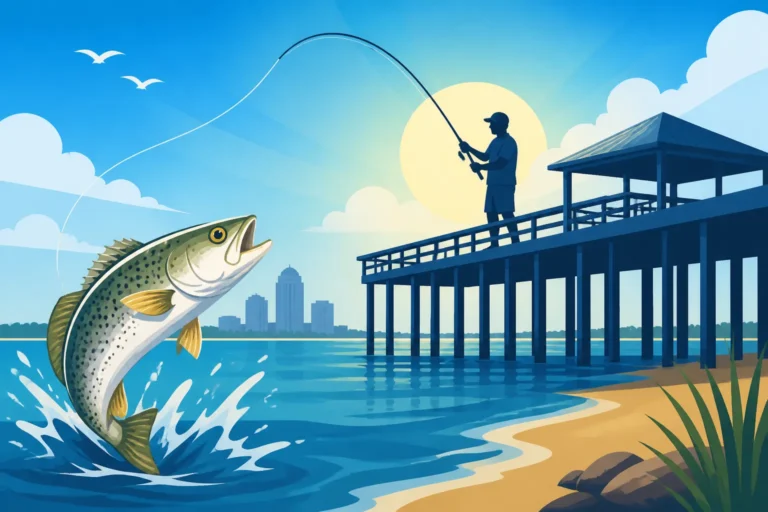
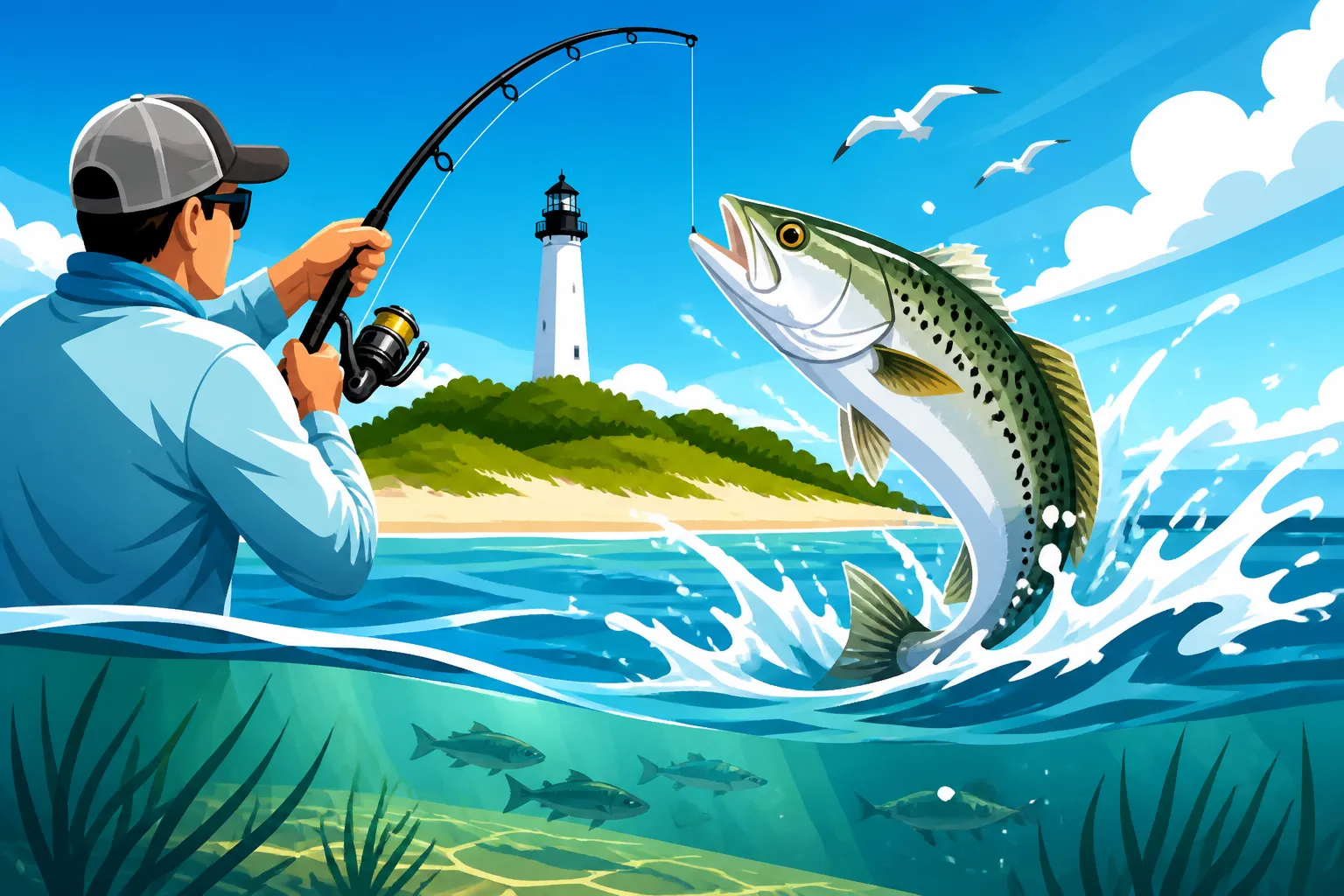
These two species are the undisputed stars of inshore fishing on the Mississippi Coast, and the waters around Ship Island are absolute hotbeds for them. Speckled trout (often just called "specs" or "trout") love clear, moving water, especially around grass beds and oyster reefs. On the northern, Sound-facing side of Ship Island, you'll find extensive seagrass flats that are perfect for them. Early mornings and late evenings, particularly during the cooler months of spring and fall, are prime times to target these beautiful, hard-fighting fish. They're often found ambushing baitfish like pilchards or shrimp.
Redfish (or "red drum") are another fantastic target. They're known for their powerful runs and incredible fight. Redfish tend to hang out in slightly shallower water than trout, often cruising the edges of marsh grass, oyster beds, and sandy flats, particularly where current brings them an easy meal. Look for them tailing in shallow water during high tides, or congregating in deeper holes when the tide falls. Both species respond well to live bait such as shrimp or mullet, and a variety of artificial lures like soft plastics, topwater plugs, and spoons. For a deep dive into specific tactics, check out our guide on Speckled Trout Fishing Techniques or Redfish Fishing Techniques on the Mississippi Coast.
Flounder, Sheepshead, and Other Bottom Dwellers
Beyond the dynamic duo of trout and reds, Ship Island offers excellent opportunities for various bottom-dwelling species that provide steady action and delicious fillets. Flounder, with their unique flat bodies and ambush predators, are prevalent in the sandy bottoms and around structure like submerged debris or jetties. They love to bury themselves in the sand, waiting for an unsuspecting baitfish or shrimp to swim by. Targeting flounder often involves jigging soft plastics or drifting live bait slowly across the bottom. Knowing where the sandy patches meet a drop-off or shell hash can be incredibly productive for these tasty fish.
Sheepshead, often called "convict fish" due to their striped patterns, are another common catch, especially around any structure like old pilings, rock jetties, or artificial reefs. They have a mouth full of human-like teeth, perfectly adapted for crushing barnacles, oysters, and crabs. Fishing for sheepshead typically involves using small hooks baited with fiddler crabs, shrimp, or pieces of oyster, and a sensitive rod to feel their notoriously subtle bites. You can learn more about Sheepshead Fishing on the Mississippi Coast for detailed tips. Don't be surprised to also pull up a black drum, a larger cousin to the redfish, which also feeds on shellfish and crabs near the bottom.
Pelagic Species Further Offshore
While Ship Island is fantastic for inshore action, the slightly deeper waters just beyond the barrier island, heading into the open Gulf, open up opportunities for pelagic species. During the warmer months, Spanish mackerel are abundant, zipping through schools of baitfish. They are a blast to catch on light tackle, often hitting fast-retrieved spoons or small jigs. Trolling can also be very effective for them.
Further out, in waters ranging from 20 to 50 feet deep, you might encounter king mackerel, especially if there's significant baitfish activity or structure. These powerful fish require heavier tackle and often hit trolled baits or large spoons. You might also stumble upon juvenile cobia, particularly around channel markers or floating debris. While Ship Island isn't typically considered a deep-sea fishing destination, these nearshore pelagic encounters add an exciting dimension to fishing this unique area.
Effective Fishing Techniques and Gear for Ship Island
Having the right approach and equipment can make all the difference when fishing the diverse waters around Ship Island. What works for a Redfish on a shallow flat might not cut it for a Sheepshead on a barnacle-encrusted piling. Understanding the nuances will put more fish in your cooler.
Inshore Tactics: Live Bait and Artificial Lures
For the prevalent speckled trout and redfish in the shallow waters, a combination of live bait and artificial lures will cover most situations. Live shrimp, live mullet, or fingerling pogies (menhaden) are perennial favorites. You can fish them under a popping cork, which creates a "chug" sound that attracts fish, or free-line them with a small weight to drift naturally. Fishing a live shrimp under a popping cork, letting it drift over a grass bed, is a classic and highly effective method for both trout and reds.
When it comes to artificials, soft plastics rigged on jig heads are incredibly versatile. Colors like chartreuse, white, and clear with glitter are often productive. Work them with a slow retrieve, bouncing them along the bottom or swimming them just above the grass. Topwater plugs are exhilarating, especially at dawn and dusk, eliciting explosive strikes from aggressive fish. Spoons are also excellent for covering water and mimicking fleeing baitfish. If you're looking for Best Bait for Crappie in Mississippi, that's a different game entirely, but for saltwater, shrimp are king!
A good inshore setup would typically be a 7-foot medium-light to medium-action spinning rod paired with a 2500-3000 series reel spooled with 10-15 lb braided line, topped with a 2-3 foot fluorocarbon leader. This combination offers sensitivity, casting distance, and enough backbone to handle a decent fish.
Nearshore and Offshore Approaches
When venturing slightly deeper or targeting species like Spanish mackerel or smaller cobia, your techniques will shift. Trolling small spoons, Gotcha plugs, or Duster baits behind a boat can be incredibly effective for Spanish mackerel. Look for bird activity or diving pelicans, as they often indicate baitfish schools, which the mackerel will be aggressively feeding on. For king mackerel, a larger spoon or a rigged dead cigar minnow trolled at a faster speed is often the ticket.
Bottom fishing with heavier tackle is essential for sheepshead and larger black drum around structure. A stout rod with a 4000-5000 series spinning reel or a conventional reel spooled with 20-30 lb monofilament or braid is appropriate. Use a Carolina rig or a dropper rig with fresh shrimp, fiddler crabs, or pieces of cut bait. Accuracy is important here; you want your bait right up against the structure where these fish feed. Always be ready for a strong pull, as these fish can be surprisingly powerful for their size.
Essential Gear Checklist
Beyond your rods and reels, a few other items are absolute must-haves for a successful Ship Island fishing trip:
- Cooler with Ice: Essential for keeping your catch fresh and your drinks cold.
- Sun Protection: Sunscreen (SPF 50+ is not overkill!), a wide-brimmed hat, sunglasses, and long-sleeved fishing shirts are critical. The sun reflecting off the water can be intense.
- Pliers/Forceps: For hook removal.
- Net or Lip Grippers: To safely land fish.
- Cutting Board and Fillet Knife: If you plan on cleaning your fish on the boat or shore (check local regulations for fish cleaning station rules).
- First-Aid Kit: Small cuts, scrapes, or hook pokes are common.
- Trash Bag: Pack out everything you pack in. Let's keep Ship Island beautiful.
- Navigation Tools: GPS, charts, and a compass, even if you have a chart plotter.
- Anchor and Rope: Crucial for holding position over a productive spot.
- Emergency Contact Info & Float Plan: Always tell someone where you're going and when you expect to return, especially if you're boating solo.
Here's a quick reference table for popular Ship Island species and common bait/lure pairings:
| Fish Species | Preferred Habitat | Common Bait | Effective Artificial Lures |
|---|---|---|---|
| Speckled Trout | Seagrass beds, oyster reefs, clear moving water | Live shrimp, live mullet | Soft plastics (jigs), topwater plugs, spoons |
| Redfish | Shallow flats, marsh edges, oyster beds, deeper holes | Live shrimp, cut mullet, crabs | Soft plastics (jigs), spoons, topwater plugs |
| Flounder | Sandy bottoms, near structure, channel edges | Live minnows, live shrimp | Soft plastics (jigs), Gulp! baits |
| Sheepshead | Pilings, jetties, oyster reefs, rock structure | Fiddler crabs, live shrimp, pieces of oyster | Small jigs (rarely artificials) |
| Spanish Mackerel | Open water, bait schools, near passes | Live pilchards, cigar minnows | Spoons (trolled or cast), Gotcha plugs |
| Black Drum | Deeper channels, oyster reefs, muddy bottoms | Crabs, shrimp, cut bait | Rarely artificials |
Navigating Regulations and Safety on Ship Island
Fishing Ship Island is an incredible experience, but it’s essential to remember that it's still part of a regulated fishery, and safety is always paramount. Ignorance of the rules won't exempt you from penalties, and the Gulf waters demand respect. Always prioritize safety first.
Licensing and Creel Limits
First and foremost, you absolutely need a valid Mississippi fishing license. There are no exemptions just because you're on an island. Whether you're a resident or a tourist, make sure you've purchased the correct license for saltwater fishing. You can easily obtain one online through the MDWFP website, or at many local bait and tackle shops. For non-residents, there are various options including annual and short-term licenses. Our guide on the Mississippi Saltwater Fishing License Guide can help you determine exactly what you need.
Beyond the license, it’s critical to be aware of the daily creel limits and size restrictions for all species you intend to keep. These regulations are in place to protect fish populations and ensure sustainable fishing for generations to come. For example, speckled trout and redfish have specific slot limits and daily bag limits. Keeping undersized or oversized fish can result in hefty fines. It's your responsibility to know the rules before you cast a line. The Mississippi Department of Wildlife, Fisheries, and Parks (MDWFP) website is the definitive source for current regulations, including Mississippi Fishing Regulations Explained. A quick look at the regulations prior to each trip is always a good idea, as they can change seasonally or annually.
Weather Awareness and Boating Safety
The weather on the Gulf Coast can be unpredictable, especially during certain times of the year. A beautiful, calm morning can quickly turn into a choppy, stormy afternoon. Always check the marine forecast before heading out to Ship Island, and keep an eye on radar throughout the day. If you see dark clouds building or hear distant thunder, it's wise to head back early. A general rule of thumb: if you're questioning whether to go out, don't.
Boating safety is non-negotiable. Ensure your vessel has all the required safety equipment, including life jackets for everyone on board (especially kids!), flares, a whistle or horn, a fire extinguisher, and a throwable flotation device. Let someone on shore know your float plan – where you're going, who's with you, and when you expect to return. Should an emergency arise, this information can be vital for rescue efforts. Cell phone service can be spotty around the barrier islands, so consider carrying a VHF marine radio for reliable communication. Even if you're not planning to go far, currents can be strong, and unexpected changes in weather or mechanical issues can turn a fun day into a dangerous situation quickly.
Maximizing Your Ship Island Fishing Experience
To truly make the most of your fishing trip to Ship Island, a little extra planning and local insight can go a long way. Beyond just knowing what fish are there, understanding the best times to go and when to lean on local expertise can elevate your experience from good to absolutely unforgettable.
Best Times to Visit
While you can technically fish around Ship Island year-round, certain seasons offer optimal conditions and hotter bites for specific species.
- Spring (March-May): This is arguably one of the best times. The water temperatures are rising, bringing baitfish into the Sound, and both speckled trout and redfish become very active after the cooler winter months. It's a fantastic time for inshore action, and migratory species like Spanish mackerel also start making an appearance. The weather is generally pleasant, making for comfortable days on the water.
- Summer (June-August): Fishing can still be excellent, but you'll need to adjust your tactics for the heat. Early mornings and late evenings are prime. Trout often move to deeper grass beds or channels for cooler water, while redfish can still be found in the shallows during low light. Offshore opportunities for king mackerel and cobia are strong. Be prepared for afternoon thunderstorms.
- Fall (September-November): Another phenomenal season, often rivaling spring. The famous "fall run" sees baitfish moving out of the marshes and into the Sound, creating feeding frenzies for trout and redfish. Cooler temperatures mean fish are often more aggressive and active throughout the day. This is also a great time for flounder.
- Winter (December-February): While colder, winter can offer some surprisingly productive fishing, especially for larger trout and redfish that move into deeper bayous and protected areas. Sheepshead are also more prevalent around structure. It requires patience and different tactics, but the rewards can be big. You might find some excellent deals on charters during this slower period, too! For more seasonal advice, you might find our Mississippi Fishing Seasons Calendar helpful.
Hiring a Local Guide or Charter
For many, especially those unfamiliar with the area or without their own boat, hiring a local fishing guide or charter is the smartest way to experience the best of Ship Island fishing. These professionals live and breathe these waters. They know the subtle nuances of the tides, the seasonal patterns of the fish, and where the secret hot spots are – often spots you'd never find on your own. A good guide can save you countless hours of trial and error, getting you straight to the fish.
When choosing a guide, look for captains who specialize in inshore or nearshore saltwater fishing. Many operate out of Biloxi, Gulfport, or Bay St. Louis and routinely run trips to Ship Island and the surrounding barrier islands. A reputable guide will provide all the necessary tackle, bait, and often even clean your catch for you. Plus, many operate under a blanket license, meaning you might not need your own individual license, though it's always best to confirm this beforehand. Websites like FishingBooker can be an excellent resource for finding and booking experienced local captains who know the waters around Ship Island like the back of their hand. They offer detailed profiles, reviews, and booking options that make planning your trip incredibly easy. This is particularly useful if you're interested in Inshore Fishing Charters on the Mississippi Coast or want to understand Mississippi Fishing Charter Prices.
Hiring a guide isn't just about catching fish (though you'll likely catch more!); it's about learning the local ecosystem, understanding techniques, and experiencing the waters with someone who has decades of experience. It's an investment in a memorable and educational fishing adventure.
Disclaimer
Please be aware that fishing regulations, conditions, and best practices can change. Always consult the official Mississippi Department of Wildlife, Fisheries, and Parks (MDWFP) website or a local tackle shop for the most current information regarding licenses, creel limits, and safety guidelines before heading out on your fishing trip. This guide is for informational purposes only and should not be considered legal advice or an exhaustive list of all regulations.