Lake Washington Fishing Guide
Lake Washington, a sprawling oxbow lake nestled in the Mississippi Delta, can be an incredibly rewarding fishing destination, but it often presents a unique set of challenges that can leave anglers scratching their heads. Its vastness, cypress-studded waters, and sometimes murky conditions can make finding fish feel like searching for a needle in a haystack for those unfamiliar with its secrets. This comprehensive guide is designed to cut through the confusion, offering a realistic, in-depth look at how to successfully navigate Lake Washington's waters and consistently land your target species, ensuring your next trip is filled with bent rods and tight lines.
Understanding Lake Washington's Unique Character
Lake Washington isn't just another body of water; it's a living, breathing ecosystem with its own rhythm and personality. Born from an ancient bend of the Mississippi River, this oxbow lake carries with it a rich history and a distinctive environment that profoundly influences its fishing potential. To truly master angling here, you first need to grasp what makes this lake tick.
Geographical Layout and Key Features
Imagine a crescent moon carved out of the Mississippi Delta – that's Lake Washington. Located primarily in Washington County near Glen Allan, it's one of the largest oxbow lakes in the state, boasting an impressive surface area. Unlike many man-made reservoirs with clear-cut channels and uniform depths, Lake Washington is characterized by its shallow average depth, which typically hovers around 6 to 8 feet, though some deeper holes can be found, especially in the remnants of the old river channel.
The most iconic features of Lake Washington are undoubtedly its dense stands of cypress trees, many of which are ancient giants, their knees protruding from the water like natural navigational markers. These cypress trees, along with vast beds of lily pads and other aquatic vegetation, create an incredible amount of cover and structure. This heavy cover provides perfect ambush points for predators and safe havens for baitfish, but it can also be a nightmare for anglers trying to navigate or present baits effectively. You'll often find yourself having to pick apart specific pockets within these dense areas, rather than just casting blindly.
Water Conditions and Clarity
The water in Lake Washington typically ranges from stained to moderately murky, a direct influence of its connection to the Mississippi River system and the rich, silty soils of the Delta. While it might not be crystal clear like some hill country lakes, this stained water actually offers advantages, providing excellent camouflage for fish and often making them less wary of anglers. However, it also means that visual fishing cues are limited, making electronics and understanding fish behavior even more crucial.
The lake's water levels can fluctuate, particularly during periods of heavy rainfall or when the Mississippi River is exceptionally high, which can lead to backwater effects. These fluctuations can impact fish patterns, pushing them further into or pulling them out of flooded vegetation. Understanding these dynamic conditions and how they change throughout the year is key to adapting your approach and finding success on Lake Washington.
Primary Game Fish Species
Lake Washington is a multi-species angler's dream, offering fantastic opportunities for several popular freshwater fish. While you might not find the same species diversity as the Gulf Coast, what it lacks in variety, it makes up for in the quality and quantity of its main inhabitants. Knowing what to expect and what each species prefers will greatly improve your chances.
Largemouth Bass
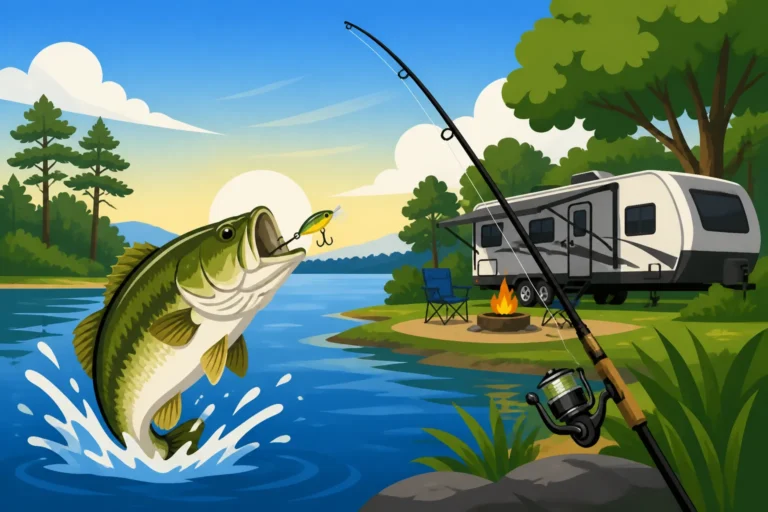
If there's one fish that truly embodies the spirit of Lake Washington, it's the largemouth bass. This lake is renowned for producing both numbers of bass and genuine trophy-sized fish. The abundance of shallow cover – from those iconic cypress trees to vast lily pad fields and submerged timber – creates an ideal environment for bass to thrive. They love to ambush prey from tight cover, and Lake Washington offers an endless supply of such hideouts.
Anglers targeting largemouth bass here should be prepared for power fishing techniques. Flipping and pitching jigs or soft plastics into dense cover, working spinnerbaits and chatterbaits through sparse grass, and throwing topwater lures over the lily pads during low light conditions are all highly effective strategies. Remember, these bass are often sitting in incredibly thick stuff, so heavy line and stout rods are a must to pull them out. Pay close attention to subtle changes in vegetation density or slight depth breaks around cypress stumps. For more insights on how to land these green giants, our guide on Largemouth Bass Fishing in Mississippi offers excellent statewide advice that applies perfectly here.
Crappie (White and Black)
Lake Washington is a crappie fishing paradise, especially for those seeking slab-sized white and black crappie. The lake's shallow, fertile waters, coupled with extensive submerged cover, create perfect conditions for these popular panfish. Crappie here are often found relating to structure, whether it's the root systems of cypress trees, brush piles placed by anglers, or deeper submerged ledges and channels.
During the spring spawn, crappie move into incredibly shallow water, often right up against the bank or amidst the cypress trees, making them accessible to bank anglers and boaters alike. As the water warms, they'll retreat to slightly deeper water, often suspending in brush piles or congregating around the subtle drops. Vertical jigging with small jigs or live minnows is a go-to technique, as is slow trolling (often called "spider rigging") multiple lines with jigs or minnows to cover broader areas and locate schools. Check out our detailed article on Crappie Fishing Techniques for Mississippi Lakes for more universal tips that are sure to boost your success on Lake Washington.
Catfish
For those who love the fight and the table fare of catfish, Lake Washington does not disappoint. Channel catfish are abundant throughout the lake, and bigger blue and flathead catfish can also be found, particularly in the deeper sections and the old river channel. Catfish are less finicky about water clarity and thrive in the rich, nutrient-filled waters of oxbow lakes.
You'll find catfish almost everywhere, but key areas include the deeper holes, along the edges of the main lake channel, and around submerged structures like log jams and brush piles. Bank anglers can have great success with bottom rigs near points or deeper cuts. For boat anglers, anchoring over a deeper hole and presenting baits on the bottom is often the most productive method. Popular baits include cut bait, chicken livers, stink baits, and nightcrawlers. If you're passionate about targeting these bottom dwellers, our Catfish Fishing Techniques guide provides a wealth of information applicable to Lake Washington.
Bream and Bluegill
Rounding out the popular species are bream, including bluegill and redear sunfish (often called shellcrackers). These panfish provide fantastic action for anglers of all ages and are particularly fun for families or beginners. Like crappie, bream thrive in the shallow, vegetated areas of Lake Washington.
They can be found almost anywhere there's cover, from the base of cypress trees to thick lily pad fields and even open water patches. Light tackle is the name of the game for bream fishing. A simple cane pole, a spinning rod with light line, and a small hook under a bobber with crickets, worms, or small artificial jigs will bring plenty of action. Look for them schooling around any type of woody structure or thick vegetation, especially during their spawning season when they create visible beds in shallow areas. These small but mighty fighters are a joy to catch and provide excellent eating.
Top Fishing Spots and Structures
Lake Washington is vast, and knowing where to focus your efforts is paramount to a successful day on the water. While fish can be found almost anywhere, certain areas consistently hold more fish due to the presence of preferred structure, depth changes, or proximity to food sources.
Cypress Tree Forests and Knees
The iconic cypress trees are more than just scenic; they are central to the ecosystem and fishing on Lake Washington. These ancient trees, some submerged, some with their gnarled trunks and "knees" breaking the surface, provide extensive cover for all species. Bass often hide in the dense root systems and beneath the overhead canopy, waiting to ambush prey. Crappie suspend around the deeper roots, especially during the colder months, and bream forage directly among the shallower knees.
When fishing these areas, don't just cast to the nearest tree. Look for clusters of trees, small pockets or openings within denser stands, and any trees that are slightly larger or appear to have more complex root systems. Target the shaded sides during bright conditions. Flipping jigs, creature baits, or Texas-rigged worms into the thickest cover is a prime bass strategy. For crappie, slowly jigging a minnow or a small plastic jig vertically around the submerged portions of the trees is often deadly. Precision casting is crucial here to avoid snags and present your bait effectively.
Lily Pad Fields and Aquatic Vegetation
Beyond the cypress, Lake Washington boasts expansive fields of lily pads and other emergent and submerged vegetation. These green mats provide shade, oxygen, and a rich feeding ground for baitfish and insects, making them irresistible to game fish. Largemouth bass, in particular, are drawn to these areas, especially during the warmer months.
Fishing the edges of these lily pad fields can be productive, but don't shy away from fishing directly into them. Topwater frogs, hollow-bodied lures, and weedless soft plastics like senkos or swimbaits can be skipped or cast directly onto the pads and then worked across them or dropped into any open pockets. Look for irregularities in the vegetation, such as points, open lanes, or slight changes in density, as these are often key ambush points. For bream, popping bugs or small jigs fished on the surface near the pads can lead to explosive strikes.
Main Lake Channels and Ledges
While Lake Washington is generally shallow, it does have a discernible main lake channel, which is the remnant of its origin as an oxbow of the Mississippi River. This channel and its associated ledges and drops can provide crucial deeper water access for fish, especially during extreme heat or cold. These areas act as highways and holding zones for larger fish.
Using your depth finder is essential when exploring these channels and ledges. Look for sudden depth changes, submerged humps, or scattered brush piles along the breaks. Crappie and catfish are particularly fond of these deeper areas, often suspending or holding tight to the bottom structure. For crappie, slow trolling jigs and minnows along the contours of the channel can be very effective, while for catfish, anchoring and fishing cut bait or stink bait on the bottom will yield results. Even bass will utilize these deeper structures, especially in winter or when heavy fishing pressure pushes them off the shallower cover.
Brush Piles and Submerged Timber
Beyond the natural structures, many dedicated anglers (and even the MDWFP) have strategically placed brush piles throughout Lake Washington. These man-made structures are magnets for crappie, bass, and catfish, offering concentrated cover in otherwise featureless areas or enhancing existing ones. Submerged timber, leftover from fallen trees or past logging operations, serves a similar purpose.
Finding these brush piles often requires a good fish finder and a keen eye. Once located, fish them thoroughly. For crappie, vertical jigging a minnow or small jig right in the heart of the brush pile is usually the ticket. Bass can be caught by pitching jigs or soft plastics into the snags. Be prepared for hang-ups, as this is part of fishing dense cover. However, the reward of pulling a big fish from one of these hidden havens is well worth the occasional lost lure. Platforms like FishingBooker can sometimes help you connect with local guides who are intimately familiar with the locations of these productive brush piles. Our guide, How to Use a Fish Finder to Locate Crappie Brush Piles, offers excellent advice on making the most of your electronics in these scenarios.
Seasonal Fishing Strategies
Fish behavior on Lake Washington, like any body of water, is heavily dictated by the changing seasons. Understanding how different times of the year affect fish patterns will allow you to adapt your techniques and increase your success.
Springtime Spawning Frenzy
Spring is arguably the most exciting time to fish Lake Washington. As water temperatures begin to rise from the low 50s into the 60s and 70s, the entire lake comes alive. This is when the fish move shallow for their annual spawning rituals, making them more accessible and aggressive.
- Largemouth Bass: Bass move into the shallowest, protected coves and backwaters, often around cypress trees, lily pads, and thick grass beds. Look for them on beds or cruising the shallows. Spinnerbaits, chatterbaits, shallow-diving crankbaits, and soft plastics (like senkos or creature baits) are excellent choices. Concentrate on areas with a slight dark bottom, which warms faster.
- Crappie: Crappie swarm into incredibly shallow water, often just a foot or two deep, around any available cover. Cypress tree roots, boat docks, and brush piles are prime targets. Use small jigs or live minnows under a bobber, dipping them directly into the cover. This is a fantastic time for both boat and bank anglers. Our article on Mississippi Crappie Spawning Season Closure Rules explains the legalities of this prolific period.
- Bream: Bream also move shallow to spawn, often creating large beds that you can sometimes see as light-colored depressions in the lake bottom. Crickets, redworms, or small poppers fished on light tackle will result in non-stop action.
Summer Heat and Deeper Retreats
As Mississippi's intense summer heat sets in and water temperatures climb into the 80s and even 90s, fish patterns shift dramatically. While early morning and late evening bites can still be fantastic in the shallows, the midday sun often pushes fish into deeper, cooler water or denser shade.
- Largemouth Bass: During the brightest parts of the day, bass will seek the thickest overhead cover – deep under lily pads, beneath dense cypress canopies, or tucked into heavy brush. Topwater baits (frogs, buzzbaits) are effective at dawn and dusk over pads. During the day, flip heavy jigs or Texas-rigged worms into dense cover, or target the edges of the main lake channel or deeper brush piles with crankbaits or Carolina rigs.
- Crappie: Crappie move away from the super-shallow spawning grounds and will often suspend in deeper brush piles, along channel edges, or in the shade of dense cypress trees. Slow trolling or "spider rigging" with minnows and jigs becomes very effective for covering water and finding schools. Look for fish suspended at various depths using your electronics.
- Catfish: Catfish remain active throughout the summer. They'll frequent deeper holes, channel bends, and areas with current, if present. Night fishing for catfish can be particularly productive during the summer, as they become more active when temperatures cool.
Autumn's Abundance and Feeding Frenzies
Fall is a transition period on Lake Washington, often offering some of the best fishing of the year. As water temperatures begin to cool, baitfish become more active, and game fish go on a feeding binge to prepare for winter.
- Largemouth Bass: Bass follow baitfish into shallower waters again, often congregating around points, creek mouths, and the edges of vegetation. Spinnerbaits, crankbaits, and topwater lures can be incredibly effective during the fall "shad run." Pay attention to schooling baitfish, as bass won't be far behind.
- Crappie: Crappie fishing picks up significantly as they become more aggressive and scatter from their summer haunts. They can be found in a variety of depths, from shallow cypress trees to deeper brush piles and channel edges. Trolling or casting jigs and minnows are both productive. Look for them feeding heavily on schools of shad.
- Bream: Bream remain active in the shallow, vegetated areas throughout the fall, providing consistent action until the water gets truly cold.
Winter's Slow Pace
Winter fishing on Lake Washington can be challenging, but it can also offer opportunities for catching large, lethargic fish that are less pressured. The key is to slow down your presentation and focus on deeper, more stable water.
- Largemouth Bass: Bass will move to deeper, more stable water, often congregating in main lake channels, deeper pockets within cypress forests, or large brush piles. Jigs, slow-rolled spinnerbaits, and deep-diving crankbaits are effective, but presentation must be much slower. Fishing during warmer fronts can stimulate a brief feeding window.
- Crappie: Crappie will be tightly schooled in deeper brush piles, especially those near the main channel. They often suspend at specific depths. Vertical jigging small jigs or live minnows directly into these schools, with a very subtle presentation, is the most effective method. Use your electronics to pinpoint their exact depth.
- Catfish: Catfish also move to deeper holes and channels, often grouping up. Fishing large cut baits on the bottom in these deep areas can yield big blue and flathead catfish.
Essential Gear and Baits for Lake Washington
Having the right tackle can make all the difference between a frustrating day of snags and a productive day of landing fish. Given Lake Washington's unique characteristics – heavy cover, stained water, and diverse species – a thoughtful approach to gear is essential.
Rod and Reel Combinations
For largemouth bass, a stout medium-heavy to heavy action casting rod (7' to 7'6") paired with a baitcasting reel spooled with 15-20 lb fluorocarbon or 30-50 lb braided line is ideal. This setup provides the power needed to muscle bass out of thick cover. You might also want a medium-heavy spinning rod with 10-15 lb fluorocarbon for more open water techniques or finesse presentations.
For crappie, light to medium-light spinning rods (6' to 7') are perfect. Spool with 4-6 lb monofilament or fluorocarbon. If you're spider rigging, longer trolling rods (8-14 feet) are beneficial for spreading out your lines. Many anglers also use specialized crappie jigging rods, often 9-10 feet, for vertical presentations in dense cover.
For catfish, a medium-heavy to heavy action spinning or baitcasting rod (7' to 9') paired with a reel capable of holding 20-30 lb monofilament or 50-80 lb braided line is recommended, especially if you're targeting the larger blue or flathead cats. You want something with enough backbone to handle a powerful fight.
Lures and Baits
For Bass:
- Jigs: Flipping jigs (1/4 oz – 1 oz) in black/blue, green pumpkin, or brown are deadly in cypress and lily pads.
- Soft Plastics: Texas-rigged worms, creature baits, senkos (dark colors like junebug, black/blue flake). Weightless senkos are great for skipping under cover.
- Topwater: Frogs (especially over lily pads), buzzbaits, poppers for early morning/late evening.
- Spinnerbaits/Chatterbaits: White, chartreuse, or black/blue for working edges of vegetation or sparse cover.
- Crankbaits: Medium to deep-diving crankbaits (shad or crawfish patterns) for targeting ledges and deeper cover.
For Crappie:
- Live Minnows: The undisputed king of crappie bait. Use them on a simple hook under a bobber or on a jig head.
- Jigs: Small (1/32 oz – 1/8 oz) tube jigs, curly tail grubs, or spider jigs in chartreuse, white, black/chartreuse, or pearl.
- Hair Jigs: A classic choice, often preferred for their subtle action.
For Catfish:
- Cut Bait: Shad, skipjack, or commercial cut baits are excellent for blue and flathead catfish.
- Chicken Livers: A time-tested favorite for channel cats.
- Stink Baits: Prepared baits designed to attract catfish by scent.
- Nightcrawlers/Redworms: Good all-around bait, especially for smaller channel cats and also bream.
For Bream:
- Live Crickets: The absolute best bait for bream.
- Redworms/Worms: Always a solid choice.
- Small Jigs/Poppers: Micro jigs (1/64 oz) or small topwater poppers can be very effective on a fly rod or light spinning gear.
Here's a quick reference table for popular Lake Washington baits:
| Fish Species | Preferred Live Baits | Recommended Artificial Lures | Ideal Water Clarity |
|---|---|---|---|
| Largemouth Bass | Large Shiners (Live) | Flipping Jigs, Soft Plastics, Frogs, Spinnerbaits, Crankbaits | Stained to Murky |
| Crappie | Live Minnows | Small Jigs (Tube, Curly Tail), Hair Jigs | Stained to Murky |
| Catfish | Cut Bait (Shad, Skipjack), Chicken Livers, Nightcrawlers | Stink Baits, Large Soft Plastics (for Flatheads) | Murky |
| Bream (Bluegill, Redear) | Crickets, Redworms, Small Worms | Small Poppers, Tiny Jigs, Beetle Spins | Stained |
Electronics and Navigation
Given Lake Washington's depth and dense cover, a good fish finder is an invaluable tool. Side imaging and down imaging can help you locate submerged brush piles, timber, and identify the main lake channel edges. GPS functionality is crucial for marking productive spots and navigating safely, especially when the weather turns or during low-light conditions.
Consider carrying reliable mapping software on your phone or fish finder to understand the lake's contours and historical river bends. Also, be sure to have a good trolling motor to navigate silently through tight cover and hold your position in windy conditions. Many anglers book guides through services like FishingBooker specifically to leverage their local knowledge and advanced electronics on challenging lakes like Washington.
Tips for a Successful Trip to Lake Washington
Fishing Lake Washington isn't just about throwing a line in the water; it's about preparation, adaptation, and respecting the unique environment. Here are some seasoned tips to make your outing more productive and enjoyable.
Preparing for the Conditions
Lake Washington, being in the heart of the Delta, can experience extreme weather. Summers are hot and humid, requiring plenty of water, sunscreen, and appropriate clothing to protect from the sun. Insect repellent is also a non-negotiable item, especially during warmer months. Winters can be surprisingly cold, so layering is key. Always check the weather forecast before heading out.
The lake can get choppy in windy conditions, particularly due to its open stretches. Ensure your boat is properly equipped with all safety gear, and always wear your life jacket, especially if you're navigating the cypress trees in rougher water. Familiarize yourself with Mississippi Boat Fishing Regulations before you launch.
Mastering Cover Presentations
The sheer amount of cover on Lake Washington is both its blessing and its curse. To truly succeed, you must learn to fish it effectively and efficiently. This means not being afraid to get your lure into the thick stuff.
- Patience is Key: Don't rush your retrieves. Let jigs and soft plastics sink slowly into pockets in the cypress or through the lily pads. Fish often bite on the fall.
- Heavy Gear: As mentioned, use heavy line and stout rods to pull fish out of snags. Braided line is particularly useful for cutting through vegetation and providing direct contact.
- Weedless Rigs: Employ Texas rigs for worms and creature baits, and use weedless hooks for jigs or frogs to minimize snags. It's frustrating to constantly re-tie, but it's part of the game here.
- Angle of Approach: Sometimes, approaching a piece of cover from a different angle can elicit a strike. Don't be afraid to make multiple casts to the same target from various positions.
Finding Local Expertise
While this guide provides a solid foundation, there's no substitute for local knowledge. If you're new to Lake Washington, consider hiring a local guide for your first trip. A guide can teach you the subtle nuances of the lake, show you productive spots (including those hidden brush piles), and help you refine your techniques for its specific conditions. Services like FishingBooker are excellent resources for finding reputable, experienced local fishing guides who specialize in Lake Washington. They can save you hours of trial and error and significantly boost your catch rate.
Even if you don't hire a guide, talking to local bait shop owners or fellow anglers at boat ramps can provide invaluable, up-to-the-minute insights into current patterns and hot spots. Don't be shy about asking questions!
Respecting the Ecosystem
Lake Washington is a natural treasure, and it's essential that all anglers do their part to preserve its beauty and bounty. Practice catch-and-release, especially for larger breeding fish, if you're not planning on eating them. Always pack out everything you pack in, leaving no trace behind. Be mindful of prop scars in shallow areas and avoid damaging the fragile cypress trees or vegetation. Adhering to Mississippi Fishing Regulations Explained and all creel and size limits is not just a legal requirement, but a commitment to sustainable fishing for future generations. Knowing these rules ensures you contribute positively to the health of the lake.
Final Thoughts on Lake Washington Fishing
Lake Washington stands as a testament to Mississippi's rich fishing heritage. Its unique blend of history, natural beauty, and challenging fishing conditions makes it a destination that captivates anglers. It’s not always the easiest lake to fish, especially for first-timers, but the rewards are significant – from hefty largemouth bass lurking in the cypress shadows to abundant crappie schooling in brush piles, and powerful catfish prowling the old river bends.
The key to unlocking Lake Washington’s potential lies in understanding its character, adapting your approach to the season, and focusing on the structures that consistently hold fish. With the right gear, a bit of patience, and a willingness to learn from the lake itself, you'll soon find yourself mastering this Mississippi Delta gem. So pack your bags, spool up your reels, and get ready to experience some truly memorable fishing on Lake Washington. And remember, a valid Mississippi Fishing License Guide is your ticket to enjoying all the amazing fishing opportunities the state has to offer.
Disclaimer
The information provided in this guide is for general informational purposes only and is subject to change. Fishing regulations, conditions, and fish behavior can vary. Always consult the latest official regulations from the Mississippi Department of Wildlife, Fisheries, and Parks (MDWFP) before your trip. Exercise caution and practice safe boating habits while on the water.