Difference Between Commercial and Recreational Fishing in Mississippi
Navigating the waters of Mississippi fishing regulations can sometimes feel like trying to untangle a stubborn fishing line, especially when you're trying to figure out the exact difference between what's allowed for a weekend warrior and what requires a commercial operation. It’s easy to get confused, and the stakes are much higher if you accidentally cross lines. This guide aims to clear up that confusion, offering a comprehensive look at the distinct worlds of commercial and recreational fishing in our beautiful state.
Understanding the Core Distinctions: Intent and Scale
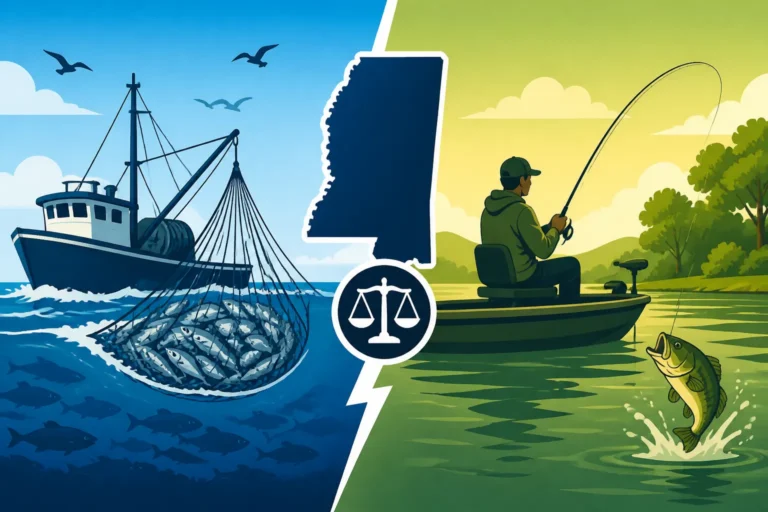
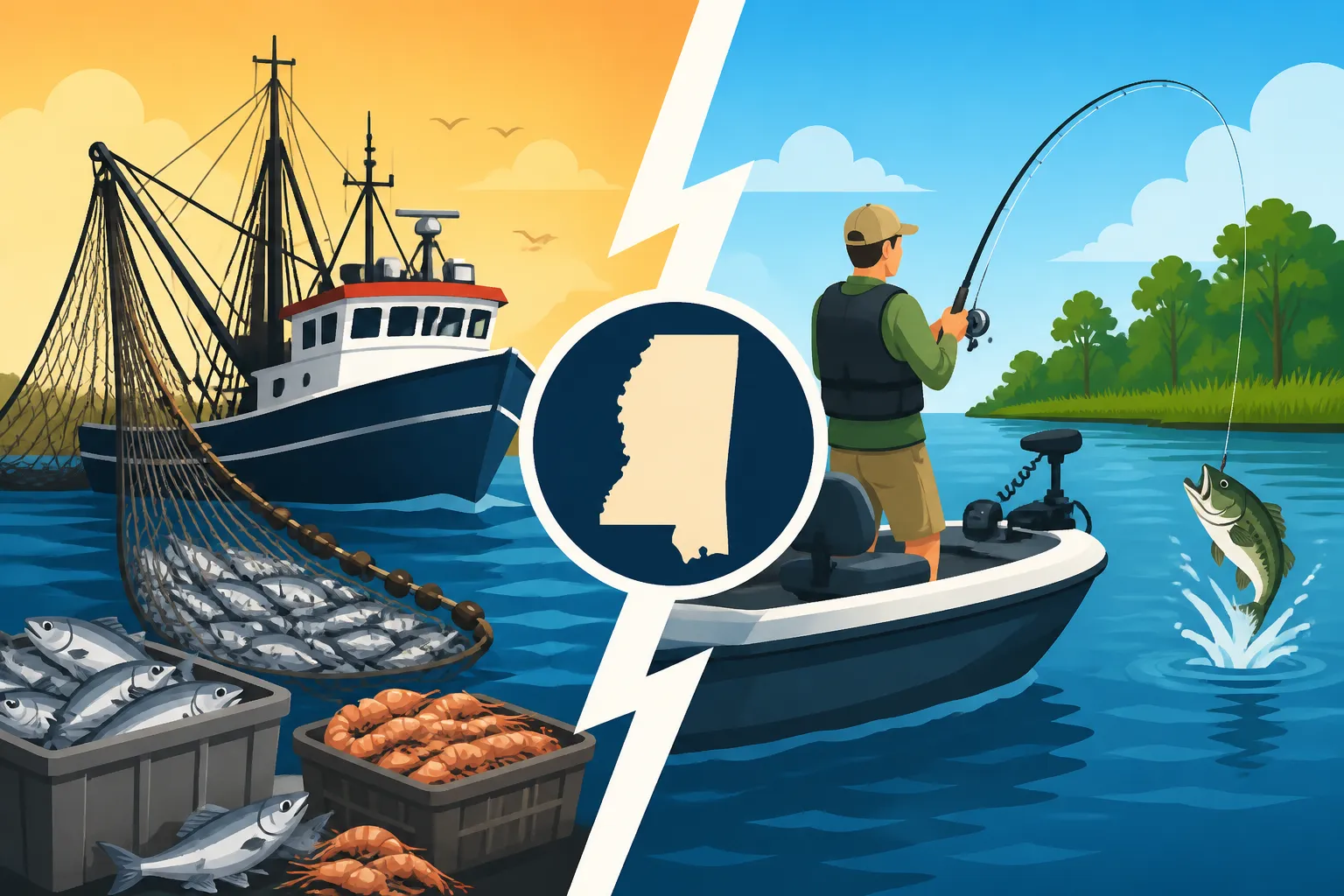
At its heart, the difference between commercial and recreational fishing in Mississippi boils down to two main things: why you're fishing and the scale at which you're doing it. For most folks, fishing is a beloved pastime, a way to relax and connect with nature. But for others, it's a livelihood, a full-time job that puts food on their tables and in our markets. Understanding this fundamental separation is crucial before you even cast a line or set a trap.
Recreational Fishing: The Joy of the Catch
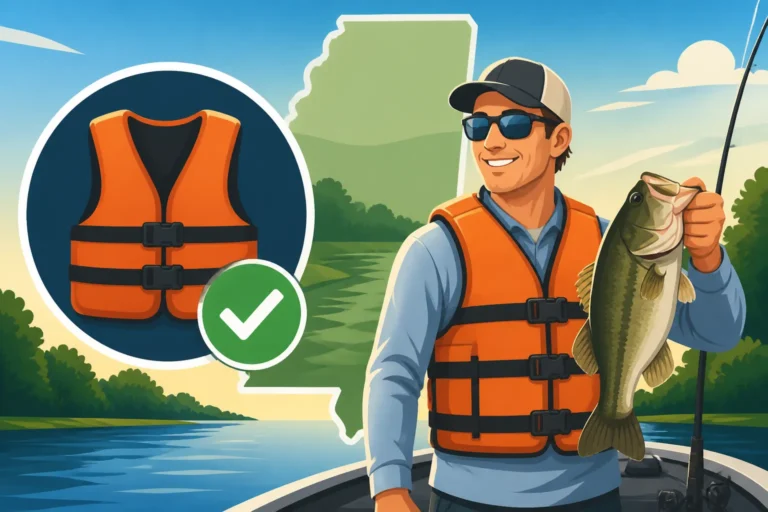
Recreational fishing, for the vast majority of us, is all about the experience. It's the thrill of a tug on the line, the peace of being out on the water, and the satisfaction of reeling in a few fish for a delicious dinner with family and friends. The primary intent here is personal consumption, sport, or simple leisure. Whether you're teaching your grandchild to bait a hook at Ross Barnett Reservoir, enjoying a quiet morning on Sardis Lake, or trying to land a trophy bass, you're engaging in recreational fishing.
This type of fishing is characterized by its personal scale. You're typically using standard rod and reel setups, perhaps a small cast net for bait, and you're not going out with the intention of selling your catch. It’s about the joy, the challenge, and the delicious reward of fresh fish without turning it into a business venture. The rules are designed to ensure fair chase and sustainable populations for everyone to enjoy.
Commercial Fishing: Business on the Water
Commercial fishing, on the other hand, is a serious business. The intent is purely for profit – catching fish or seafood to sell to restaurants, markets, or distributors. This isn't about a weekend hobby; it's a profession that often involves significant investment in specialized gear, larger vessels, and dedicated crews. Think of the shrimp boats you see along the Mississippi Gulf Coast, or the folks who make their living harvesting oysters or setting vast numbers of crab traps.
The scale of commercial operations is inherently much larger than recreational efforts. Commercial fishermen often employ sophisticated techniques and gear designed for efficiency and volume. Because their livelihood depends on their catch, they operate under a completely different set of rules, quotas, and monitoring systems. Their activities are vital to the seafood industry and local economies, providing fresh Mississippi seafood to consumers far and wide.
Navigating the Legal Landscape: Licenses, Permits, and Regulations
The biggest practical distinction between commercial and recreational fishing becomes incredibly clear when you look at the legal requirements. Both types of fishing require licenses, but the complexity, cost, and specific permits involved are vastly different. Skipping these steps, for either type, can lead to some serious trouble.
Recreational Licensing in Mississippi
For recreational anglers, obtaining a license in Mississippi is a relatively straightforward process. Generally, if you're between the ages of 16 and 64 and you plan to fish in public waters, you’ll need a license. This applies whether you're targeting freshwater species like bass and crappie or trying your luck in the saltwater marshes and bays of the Gulf Coast. You can easily get a Mississippi Fishing License Guide online through the MDWFP website, at various retail locations like Walmart or local tackle shops, or even directly from sites like Amazon if you're looking for specific gear and want to check on license availability from official vendors.
There are specific scenarios where you might be exempt, for instance, if you're fishing in a private pond that you own or have permission to fish, or during certain designated Free Fishing Days in Mississippi. However, it’s always best to assume you need one and check the specific rules. Understanding Do You Need a License to Fish in Mississippi? is crucial for every angler to avoid penalties. Different options exist for residents versus non-residents, and even for short trips, like a Mississippi 1-Day and 3-Day Fishing Licenses.
Commercial Licensing and Permitting Requirements
Now, if you're venturing into commercial fishing, prepare for a significantly more complex and rigorous licensing process. It's not just about a single license; it's often a stack of specific permits tied to the type of seafood you're harvesting, the gear you're using, and even the body of water you're operating in. For instance, a commercial shrimper needs different permits than an oyster harvester or someone setting commercial crab traps. Many of these permits are highly regulated, sometimes limited in number, and can be quite costly.
Beyond state-specific commercial fishing licenses, federal permits might be required for certain species caught in federal waters. This labyrinth of paperwork ensures that commercial harvests are closely monitored for sustainability and economic impact. Unlike recreational licenses, commercial licenses and permits are renewed with much scrutiny and require detailed reporting of catches. This deep dive into regulations truly highlights the distinction of Mississippi Commercial vs Recreational Fishing Rules. Individuals considering becoming guides, while not strictly commercial fishermen, often need specific certifications and licenses as well, touching upon aspects of Mississippi Fishing Guide License Requirements.
Gear, Methods, and Catch Limits: How They Differ
The equipment used and the amount of fish allowed to be harvested further underscore the fundamental differences between the two types of fishing. While both aim to catch fish, the means to that end and the limits placed upon them are worlds apart.
Recreational Angling Equipment and Techniques
For recreational anglers, the gear is generally pretty standard. A good rod and reel setup is paramount, often complemented by a tackle box full of lures, hooks, and weights. Many anglers also carry a small cast net to catch baitfish, or perhaps a dip net for scooping up minnows. You might be casting from the bank, wading into a stream, or trolling from a small boat. The thrill comes from the skill of the angler, the choice of bait, and the fight of the fish.
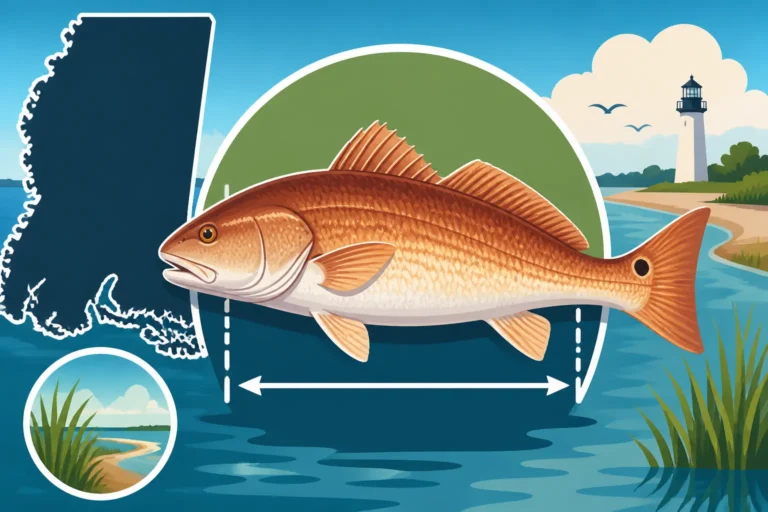
The most critical aspect for recreational fishermen, however, is understanding and adhering to Mississippi Fishing Creel and Size Limits. These limits are strictly enforced to protect fish populations and ensure healthy breeding stocks. For example, there are specific Mississippi Black Bass Regulations concerning the number and size of bass you can keep, which vary depending on the body of water. Similarly, Mississippi Crappie Regulations by Lake might dictate different limits for popular spots like Grenada Lake compared to Sardis Lake. On the Gulf Coast, anglers must be aware of Mississippi Redfish and Speckled Trout Limits to avoid heavy fines. These regulations ensure that recreational fishing remains a sustainable activity for generations to come.
Commercial Fishing Gear and Harvest Strategies
Commercial fishing employs a vast array of specialized gear, often far removed from a simple rod and reel. This can include large gill nets designed to catch specific sizes of fish, elaborate trotlines that can stretch for hundreds of feet with countless hooks for targeting catfish, massive trawls for shrimping, or a multitude of traps for crabs and other shellfish. The emphasis is on efficiency and volume, maximizing the catch while minimizing effort per fish. Many of these items might be specialized, but you can find a vast selection of commercial-grade fishing equipment and tools, from specific lines to netting material, often available through platforms like Amazon.
Harvest strategies in commercial fishing are equally sophisticated, often involving careful planning based on seasonal migrations, market demand, and strict quotas. For certain species, commercial fishermen operate within specific seasons or geographical zones. The Mississippi Catfish Regulations, for example, might have different provisions for commercial harvest compared to recreational, reflecting the difference in scale. Even traditional methods like Mississippi Trotline and Jug Fishing Rules often have more stringent commercial applications and reporting requirements than for a casual recreational user. These operations are typically capital-intensive, requiring significant investment in boats, gear, and fuel, highlighting the business aspect.
| Feature | Recreational Fishing | Commercial Fishing |
|---|---|---|
| Primary Intent | Personal consumption, sport, leisure | Profit, sale, trade |
| Scale of Operation | Small, personal, limited equipment | Large, industrial, specialized vessels & gear |
| Licensing | General fishing license (fresh/salt), relatively simple | Multiple specific permits by gear/species, complex |
| Cost of Licenses | Lower annual fees | Significantly higher, often annual and per permit |
| Gear Used | Rods, reels, cast nets, hook and line | Trawls, gill nets, longlines, traps, dredges |
| Catch Limits | Strict daily bag and size limits (creel limits) | Quotas, specific seasons, often much higher volume |
| Reporting | Generally not required | Mandatory, detailed catch reports and logs |
| Vessel Size | Small boats, kayaks, bank fishing | Large vessels, sometimes ocean-going |
| Purpose of Catch | Personal consumption, trophy, catch & release | Sold to markets, restaurants, processors |
Penalties and Enforcement: What Happens When You Cross the Line
Both commercial and recreational fishing are subject to laws and regulations, but the consequences of violating those rules differ dramatically, reflecting the scale and intent of the activity. It’s critical to understand these implications to ensure you’re always on the right side of the law.
Recreational Violations and Consequences
For the recreational angler, common infractions include fishing without the proper license, exceeding daily bag limits, keeping undersized fish, or fishing in restricted areas or out of season. These might seem like minor missteps, but they can still lead to significant penalties. Getting caught fishing without a license, for example, can result in a fine, confiscation of your catch, and potentially your gear. You can find detailed information on Mississippi Fishing License Penalties and Fines from the MDWFP.
It's not uncommon for folks to simply forget to renew their license, or to misunderstand a specific rule about a certain lake or species. While the intent might not be malicious, ignorance of the law is generally not a defense. Therefore, staying informed about the latest Mississippi Fishing Regulations Explained is paramount for every recreational fisherman. A quick check of the MDWFP website before heading out can save you a lot of headache and expense down the road.
Commercial Fishing Violations and Severe Ramifications
When it comes to commercial fishing, the penalties for violations are exponentially more severe. Because commercial operations deal with larger volumes of fish, have a greater impact on fish stocks, and are directly tied to economic activity, infractions are treated with extreme seriousness. Violations can range from fishing without the correct federal or state permits, misreporting catch numbers, using illegal gear, fishing in closed areas, or exceeding quotas.
The consequences can include massive fines, which can easily run into the tens of thousands of dollars, forfeiture of valuable equipment (including boats and gear), and the permanent revocation of commercial fishing licenses and permits. For a commercial fisherman, losing a license means losing their livelihood, which can be a devastating blow to them and their families. Enforcement agencies, including state wildlife departments and federal bodies like the National Oceanic and Atmospheric Administration (NOAA) Fisheries, have significant resources dedicated to monitoring and prosecuting commercial fishing violations, emphasizing the critical importance of strict adherence to all regulations.
Economic and Environmental Impacts: A Broader View
Both recreational and commercial fishing contribute significantly to Mississippi's economy and play a role in environmental stewardship, albeit in different ways. Understanding these broader impacts helps appreciate why distinct regulatory frameworks are necessary.
The Role of Recreational Fishing in Mississippi's Economy
Recreational fishing is a powerhouse for Mississippi's tourism and outdoor recreation economy. Anglers spend money on everything from gas and bait to boats, tackle, lodging, and dining. Imagine all the small businesses around lakes like Grenada or the coastal towns of Biloxi and Gulfport that thrive on the influx of fishermen. Tackle shops, marinas, boat dealerships (like those offering brands found on Amazon for smaller accessories), restaurants, and hotels all see a boost from anglers.
Furthermore, the fees collected from How Mississippi Fishing License Fees Are Used directly fund conservation efforts, fisheries management, habitat restoration, and stocking programs. This means that every time you buy a license, you're directly contributing to the health and sustainability of the very fisheries you enjoy. This creates a positive feedback loop: healthy fish populations attract more anglers, who then contribute more to conservation, ensuring the future of Mississippi fishing.
The Commercial Fishing Industry's Contribution and Challenges
Mississippi's commercial fishing industry is a vital component of the state's economy, particularly along the Gulf Coast. It provides fresh, local seafood to consumers, supports processing plants, and creates numerous jobs, from the fishermen themselves to those involved in distribution and retail. Shrimp, oysters, crabs, and various finfish are harvested and contribute to a rich culinary tradition and a significant export market for Mississippi.
However, the commercial sector also faces unique challenges. Balancing economic viability with ecological sustainability is a constant tightrope walk. Issues such as bycatch (unintended species caught), habitat impact from certain gear types, and the management of shared fish stocks across state and federal waters require careful regulation and ongoing scientific assessment. Striking this balance is crucial to ensure that commercial fishing remains productive for generations without depleting natural resources. It’s a complex dance between providing food for tables and protecting the very ecosystems that provide that food.
Disclaimer
The information provided in this guide is for general informational purposes only and does not constitute legal advice. Fishing regulations in Mississippi can change, and specific rules may vary by location, species, and time of year. Always consult the official Mississippi Department of Wildlife, Fisheries, and Parks (MDWFP) website or directly contact them for the most current and accurate regulations before engaging in any fishing activity.