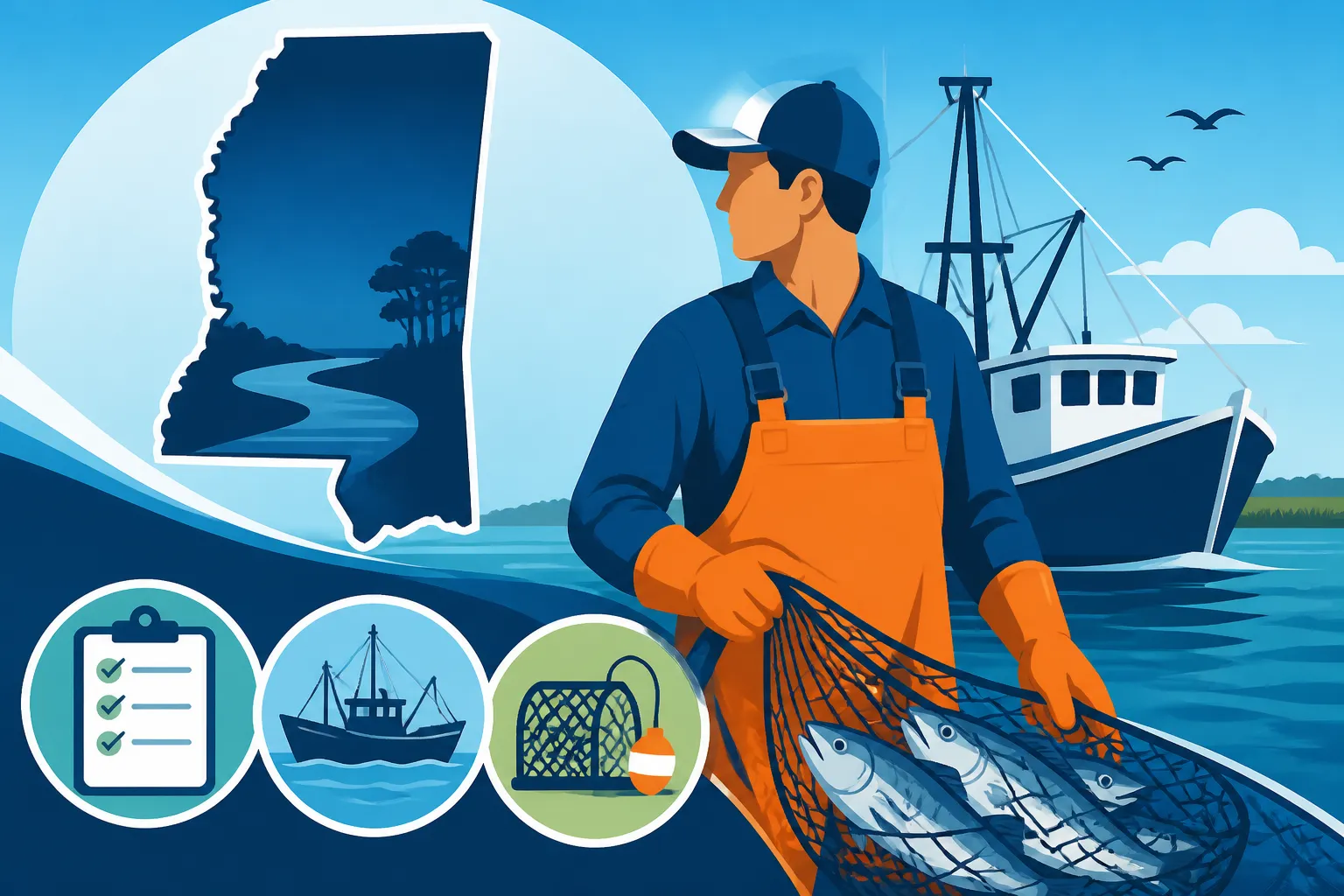
Mississippi Commercial Fishing License Requirements
Trying to navigate the maze of Mississippi's commercial fishing license requirements can feel like trying to untangle a hundred snagged lines in the dark. It's not just about knowing how to fish; it's about understanding a complex system of permits, regulations, and fees that can change year to year. This comprehensive guide will meticulously break down everything you need to know, helping you successfully secure and maintain your commercial fishing license in the Magnolia State so you can focus on what you do best: bringing in the catch.
Understanding the Need for a Commercial Fishing License in Mississippi
For anyone looking to make a living, or even just supplement their income, from the bountiful waters of Mississippi, whether it's the rich freshwater lakes and rivers or the teeming Gulf Coast, a simple recreational fishing license just won't cut it. The state takes its natural resources seriously, and commercial activities come with a different level of scrutiny and regulation. It’s not about making things difficult; it’s about ensuring sustainability and fair play for everyone involved in the industry.
Who Exactly Needs a Commercial License?
This is perhaps the most crucial distinction to understand. If your intent is to sell any portion of your catch, whether it's to a local restaurant, a seafood market, or even directly to consumers from a roadside stand, you are engaged in commercial fishing. This applies regardless of the scale. You might think catching a few extra catfish from the Mississippi River and selling them to a friend doesn't warrant a full-blown commercial license, but by the state's definition, it absolutely does.
The Mississippi Department of Wildlife, Fisheries, and Parks (MDWFP) and the Mississippi Department of Marine Resources (MDMR) are the primary agencies that define and enforce these rules. They differentiate clearly: if the fish leaves your possession for monetary gain, you're a commercial operator. This doesn't just cover the act of fishing itself, but also things like selling bait that you've caught, or even some aquaculture operations if they involve wild-caught brood stock or direct sales of certain species. Understanding the nuances here is vital to avoid potential legal trouble and penalties, which can be significant. For a broader overview, you might find it helpful to compare this with the details in our guide on Mississippi Commercial vs Recreational Fishing Rules.
Why the State Requires Commercial Licensing
The reasons behind Mississippi’s stringent commercial licensing requirements are multifaceted, touching on everything from conservation to economic stability. Primarily, it's about managing finite natural resources. Commercial fishing, by its nature, involves larger volumes and more intensive methods than recreational angling. Without proper oversight, there's a real risk of overfishing specific species, disrupting ecosystems, and ultimately harming the very resources that sustain the industry.
Beyond conservation, licensing helps the state collect vital data. By tracking who is fishing commercially, what species they're targeting, and in what quantities, agencies like MDWFP and MDMR can make informed decisions about quotas, seasons, and management strategies. This data ensures that fishing remains viable for future generations of commercial fishermen. Additionally, these licenses contribute to the state's economy, with fees helping to fund conservation efforts, fisheries research, and enforcement. It also helps in maintaining a level playing field, ensuring that all commercial operators adhere to the same standards, preventing unfair competition, and contributing to the overall health and reputation of Mississippi's seafood industry.
Different Types of Mississippi Commercial Fishing Licenses
Mississippi doesn't have a one-size-fits-all commercial fishing license. The type of license or permit you need is heavily dependent on where you plan to fish (freshwater or saltwater), what species you intend to target, and even the specific gear you'll be using. It's crucial to identify your exact fishing operations to ensure you obtain all the necessary authorizations, as operating without the correct endorsements can lead to severe fines.
General Commercial Fishing License
This is often the baseline for commercial activities. In freshwater, for instance, you'd typically need a general commercial fishing license to sell finfish caught by legal means. This license grants you the general authority to engage in commercial fishing, but it usually doesn't cover specialized activities or highly regulated species. For saltwater operations on the Gulf Coast, a similar general commercial license or dealer license is often required, which might then be complemented by specific endorsements for particular fisheries. The exact nomenclature can vary slightly between MDWFP (for freshwater) and MDMR (for saltwater), so always check with the relevant agency based on your fishing grounds. Think of this as your entry ticket; it gets you in the door, but you might need additional passes for specific attractions. You can learn more about general requirements in our Mississippi Fishing License Guide.
Species-Specific Commercial Permits
Many valuable commercial species in Mississippi are managed with individual permits due to their economic importance or conservation status. For example, if you're planning to harvest and sell oysters, shrimp, or crabs along the Mississippi Gulf Coast, you'll need specific permits from the MDMR that authorize you to do so. These permits often come with their own set of unique regulations regarding seasons, catch limits, and designated harvesting areas. Freshwater examples might include specific permits for mussel harvesting or even specialized permits for certain non-game fish species that are commercially valuable.
These species-specific permits are vital because they allow the state to manage each fishery independently, responding to biological data and market demands. For instance, the oyster season might open and close based on water quality and spatfall reports, independent of finfish seasons. Failing to have the correct species permit, even if you hold a general commercial license, is a serious violation. Always confirm the specific permits required for your target species before you drop a line or deploy a trap.
Gear-Specific Endorsements
Just as species dictate certain permits, so too does the type of gear you plan to employ. Commercial fishing often involves methods not permitted for recreational anglers, and these specialized tools require specific endorsements or licenses. For freshwater, this could include licenses for using trotlines, seines, gill nets, or commercial hoop nets. Each of these gears often has very precise regulations regarding their construction, deployment, tagging, and allowable fishing areas.
On the saltwater side, gear-specific endorsements might be necessary for things like trawls used in shrimping, crab traps, or oyster dredges. These regulations are designed not only to manage the harvest of target species but also to minimize bycatch and reduce environmental impact. For example, specific mesh sizes might be mandated for nets to allow smaller, non-target fish to escape. It's a complex system, and often, the gear you use determines how and where you can fish, as well as the permits you'll need. Always ensure your gear complies with all state regulations and that you have the appropriate endorsements; ignorance is no defense in the eyes of enforcement officers. You can find more specific rules regarding gear in our guide on Mississippi Fishing Regulations Explained.
Here's a quick overview of common requirements:
| Requirement Category | Details for Commercial License Applicants |
|---|---|
| Residency Proof | Valid Mississippi driver's license or state ID is typically required. |
| Identification | State-issued ID, sometimes requires Social Security Number or Tax ID. |
| Vessel Registration | Copy of current boat registration (if applicable to your operation). |
| Previous Violations | May require disclosure; significant infractions could impact eligibility. |
| Species Endorsements | Specific permits needed for certain species (e.g., oysters, crabs, shrimp, specific finfish). |
| Gear Endorsements | Specific permits required for commercial gear (e.g., gill nets, trawls, hoop nets, trotlines). |
| Business License | A general state or local business license may also be required, separate from fishing permits. |
The Application Process for a Mississippi Commercial Fishing License
Getting your commercial fishing license in Mississippi isn't a simple trip to the local bait shop like buying a recreational one. It involves specific applications, proof of eligibility, and a clear understanding of where and how to submit everything. The process can seem daunting, but breaking it down into manageable steps makes it much clearer.
Where and How to Apply
For freshwater commercial fishing, you'll primarily be dealing with the Mississippi Department of Wildlife, Fisheries, and Parks (MDWFP). Their headquarters in Jackson is a central point, but many of the permits can also be handled through regional offices or, increasingly, online through their official portal. For saltwater commercial operations, including all Gulf Coast fisheries, your primary point of contact will be the Mississippi Department of Marine Resources (MDMR), typically through their offices in Biloxi or by utilizing their online services.
It's highly recommended to visit the official websites for both MDWFP and MDMR directly. They will have the most current forms, instructions, and contact information. While you might find third-party vendors selling some recreational licenses, commercial licenses almost always require direct application through the state agencies. Before you even start filling out forms, a quick phone call to the relevant department can save you a lot of headaches by clarifying which specific licenses and endorsements you truly need for your intended activities.
Required Documentation and Eligibility
The state wants to ensure that those engaging in commercial fishing are legitimate residents, responsible operators, and not just casual hobbyists looking to turn a quick buck without proper oversight. Therefore, you'll need to provide solid documentation. This typically includes proof of Mississippi residency, such as a valid Mississippi driver's license or state ID. Non-residents may also be eligible for commercial licenses, but they often come with significantly higher fees and sometimes different restrictions.
Beyond basic identification, you'll likely need your Social Security Number or a Federal Tax ID (Employer Identification Number, EIN) if you operate as a business. If you'll be fishing from a vessel, expect to provide current vessel registration documents. Depending on the specific license, there might also be requirements related to your fishing history, any prior convictions for fishing violations, or even participation in specific educational programs. It's a good idea to gather all these documents beforehand to avoid delays in your application. For those interested in becoming guides, a different set of requirements apply, which you can read about in our Mississippi Fishing Guide License Requirements Explained article.
Understanding License Fees and Renewal Cycles
Commercial fishing licenses in Mississippi are not free, and their costs vary significantly depending on the type of license, species endorsements, and whether you are a resident or non-resident. These fees are typically annual and contribute directly to the management and conservation of Mississippi's fisheries. For instance, a general freshwater commercial license might cost one amount, while a specific oyster dredge permit will have its own distinct fee. Non-resident fees are often several times higher than resident fees, reflecting the state's prioritization of its own citizens who contribute to the local economy year-round. You can explore general costs in our Mississippi Fishing License Costs guide.
Renewal cycles are just as important as the initial application. Most commercial licenses operate on an annual basis, often expiring at the end of a calendar year or a specific state fiscal year (e.g., June 30th). It's your responsibility to know your license's expiration date and renew it promptly. Lapsed licenses can result in temporary inability to fish commercially and, if you're caught operating with an expired license, significant fines. Some specialized permits, especially for highly seasonal fisheries like shrimp or oysters, might have different or shorter terms. Always keep accurate records of your licenses and their expiration dates, perhaps by setting up reminders on your phone or in your calendar. You might even consider having a physical folder or digital backup of all your license documents, readily accessible.
Key Regulations and Compliance for Commercial Fishermen
Obtaining your commercial fishing license is just the first step. The ongoing challenge for every commercial fisherman in Mississippi is to remain in strict compliance with the myriad of regulations governing their activities. These rules are put in place to ensure fair harvests, protect fish populations, and maintain the integrity of the ecosystem. Ignorance of the law is never an excuse, and staying informed is crucial for a sustainable and profitable operation.
Commercial Fishing Seasons, Creel, and Size Limits
Unlike the often generous recreational limits, commercial fishing typically operates under much tighter restrictions on seasons, daily creel (catch) limits, and minimum/maximum size limits for various species. These regulations are dynamic, often changing annually or even mid-season based on scientific stock assessments, environmental conditions, and market demands. For example, the Mississippi Gulf Coast redfish and speckled trout fisheries have specific slot limits and daily creel numbers that commercial anglers must adhere to, which you can dive deeper into with our Mississippi Redfish and Speckled Trout Limits article. Similarly, freshwater catfish regulations, while robust, will have commercial specific limits on total poundage or numbers of fish depending on the gear used, differing from those for recreational anglers.
It’s paramount to stay constantly updated on these changes. MDWFP and MDMR typically publish annual regulation books and frequently update their websites. Subscribing to their email newsletters or following their social media accounts can be an excellent way to receive timely notifications. Always double-check the current regulations before heading out, especially if you're targeting a species known for fluctuating stock levels or a particularly valuable commercial fishery.
Permitted Gear and Prohibited Practices
As we touched on earlier, specific commercial gear requires specific endorsements. However, even with the right endorsements, there are strict rules about how and where that gear can be used. For instance, certain net types might be legal only in specific freshwater districts, or only during certain hours. Trawling gear in saltwater might have restrictions on proximity to sensitive habitats or designated conservation zones. Using unpermitted gear, or using permitted gear in a prohibited manner or location, is a surefire way to incur serious penalties.
Furthermore, certain fishing practices are universally prohibited for both recreational and commercial anglers because they are inherently destructive or unethical. This can include dynamiting, poisoning, or shocking fish. While most legitimate commercial operators would never resort to such methods, it's part of the comprehensive regulatory framework. Additionally, things like not properly tagging gear (e.g., trotlines, crab traps) with your license number and address can also lead to citations and seizure of equipment. Ensure you understand all the rules for your specific gear, as detailed in guides like Mississippi Freshwater Fishing Rules or Mississippi Saltwater Fishing License Guide, and strictly adhere to them. You can find essential gear and resources, including regulation guidebooks or specialized tools for commercial use, on platforms like Amazon.
Reporting Requirements and Enforcement
One of the most significant differences for commercial fishermen compared to recreational anglers is the obligation to report their catch. These reporting requirements are not optional; they are a critical component of fisheries management. Commercial operators are often required to submit trip tickets, dealer reports, or logbooks detailing their catch, including species, quantity, date, location, and gear used. This data is invaluable for state agencies to assess fish stocks, understand fishing effort, and make informed management decisions.
The penalties for non-compliance with reporting requirements, or for fishing without the proper licenses and endorsements, can range from significant monetary fines to the confiscation of gear and catch, and even suspension or revocation of your commercial fishing privileges. For a clear understanding of the repercussions, read our article on Mississippi Fishing License Penalties and Fines. Enforcement is carried out by MDWFP conservation officers and MDMR marine patrol, who are highly trained and regularly patrol Mississippi’s waters. It's in every commercial fisherman's best interest to maintain meticulous records, understand their reporting obligations, and always fish within the bounds of the law. A reputation for compliance helps everyone in the industry and ensures the continued health of Mississippi's incredible aquatic resources.
Disclaimer
Please note that fishing regulations and license requirements are subject to change. While this guide provides comprehensive information, it is always recommended to consult the official websites of the Mississippi Department of Wildlife, Fisheries, and Parks (MDWFP) and the Mississippi Department of Marine Resources (MDMR) or contact them directly for the most current and accurate information before engaging in any commercial fishing activities.