Do You Have to Report Your Catch in Mississippi?
It's a common question that pops up in conversations among anglers at the boat ramp or during a quiet evening at the fish camp: "Do I actually have to report my catch in Mississippi?" The truth is, the answer isn't a simple yes or no, and misunderstanding it can lead to confusion or, in some specific cases, even legal trouble. This guide will meticulously break down the nuances of catch reporting in Mississippi, outlining when it's absolutely necessary, when it's a good idea, and what happens if you overlook the rules.
General Rules for Recreational Anglers in Mississippi
Many anglers, especially those new to the state or those who have fished in other regions with stricter reporting, often wonder if Mississippi requires them to log every fish they keep. It's a valid concern, particularly when you want to make sure you're following all the rules.
Most Recreational Catches: No Formal Report Required
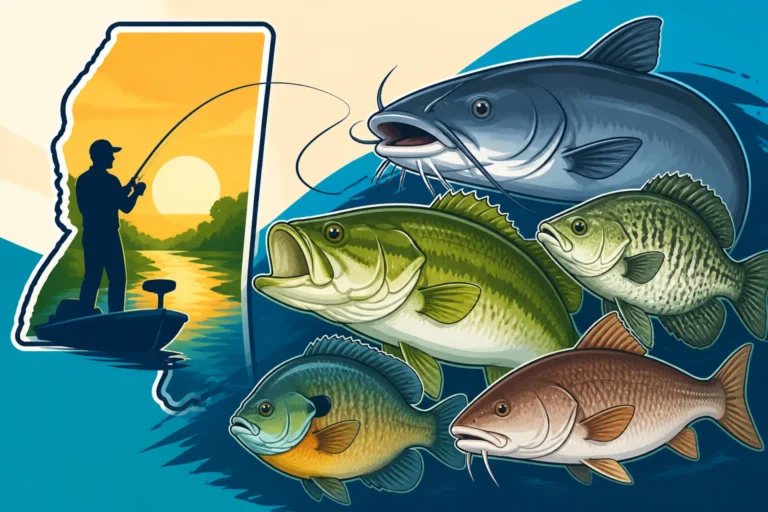
For the vast majority of recreational anglers enjoying a day on the water in Mississippi, there is no blanket requirement to formally report every single fish they catch and keep. You won't find yourself needing to fill out a daily creel report form or call a state hotline after every successful fishing trip. Whether you’re pulling a mess of crappie from Sardis Lake, battling a feisty largemouth bass on Ross Barnett Reservoir, or reeling in catfish from the Mississippi River, the state generally trusts anglers to abide by established size and creel limits without needing individual catch reports for typical harvests.
This hands-off approach for everyday recreational fishing is largely designed to make fishing accessible and enjoyable without burdensome bureaucracy. Imagine having to document every bluegill you catch for supper – it would quickly become an administrative chore rather than a relaxing pastime! Most of what the Mississippi Department of Wildlife, Fisheries, and Parks (MDWFP) needs to manage the state's diverse aquatic resources comes from surveys, biological sampling, and public input, rather than individual catch logs from every angler. However, this doesn't mean you're entirely off the hook when it comes to understanding the regulations. It's crucial to be familiar with the comprehensive guide to Mississippi Fishing Regulations Explained to ensure you're always in compliance with limits, seasons, and legal methods.
When Formal Reporting Becomes Necessary
While the general rule is "no reporting," there are indeed specific situations and certain types of fishing where formal reporting becomes not just a suggestion, but a mandatory requirement. These instances are typically tied to high-value conservation efforts, scientific research, or special harvest opportunities that require close monitoring. Ignoring these specific reporting mandates can lead to penalties, so it’s essential to be aware of the exceptions.
These exceptions usually fall into categories like pursuing state record fish, participating in specific regulated seasons for unique species, or engaging in certain types of commercial or guided activities. It's not about the everyday catch; it's about those moments or activities that have a larger impact on fish populations or provide critical data for MDWFP. We'll dive into these specific scenarios in more detail, ensuring you know exactly when you need to put down the rod and pick up the phone or fill out a form.
Specific Instances Where Reporting is Mandatory or Highly Encouraged
Navigating the waters of Mississippi fishing regulations can sometimes feel like trying to untangle a particularly stubborn fishing line. While daily reporting isn't typically required, there are crucial situations where your actions, or inactions, could have significant implications. These are the times when reporting moves from a helpful suggestion to a legal or ethically vital step.
State Record Fish and Trophy Catches
Catching a potential state record fish is the dream of many anglers, the kind of story that gets retold for generations. But when that dream becomes a reality, there’s a very specific protocol you need to follow to ensure your trophy is officially recognized. It's not enough to just tell your buddies; you need to formally report it to the MDWFP. This process involves precise measurements, accurate weights, and often requires verification by a state biologist. The MDWFP has clear guidelines on how to submit a potential state record, which typically includes:
- Prompt Notification: Contacting the MDWFP within a very short timeframe after the catch, usually within 24-48 hours.
- Certified Weight: Having the fish weighed on a certified scale, such as those found at grocery stores or marinas, with witnesses present.
- Accurate Measurements: Providing exact length and girth measurements.
- Photographic Evidence: High-quality photos of the fish, ideally with the angler and the measuring device.
- Species Verification: Often, a state biologist will need to visually inspect the fish to confirm the species, especially for similar-looking fish like different types of bass or catfish.
Failing to follow these steps means your impressive catch, no matter how big, might never make it onto the official Mississippi State Record Fish List. It's a rigorous process, but it's essential for maintaining the integrity of state records and celebrating true angling achievements.
Tagged Fish and Research Programs
Sometimes, when you reel in a fish, you might notice something unusual: a small tag attached to its fin or body. These aren't just random trinkets; they are vital tools used by fisheries biologists in research programs aimed at understanding fish migration patterns, growth rates, population dynamics, and overall fish health. If you catch a tagged fish, reporting it is incredibly important.
The tag will usually have contact information, such as a phone number or email address, and a unique identification number. When you report a tagged fish, you’ll typically be asked for:
- The tag number.
- The species of the fish.
- The date and location of the catch.
- The length and weight of the fish (if measured).
- Whether you released the fish or harvested it.
This information helps scientists piece together the life story of individual fish and provides invaluable data for managing the fishery sustainably. Without angler participation in reporting tagged fish, many research efforts would be severely hampered. It's a simple act that has a huge positive impact on conservation.
Specific Regulated Species
While most commonly targeted species don't require individual catch reports, there are a few highly regulated species where special permits and reporting mandates are in place. A prime example in Mississippi is the Alligator Gar. These prehistoric giants are closely managed due to their unique biology and vulnerability. Anglers wishing to harvest Alligator Gar often need a special permit and are typically required to report their catch to the MDWFP within a specific timeframe after harvest. This allows the state to carefully track harvest numbers, ensuring sustainable populations.
It's similar for other rare or specially protected species; if there's a specific tag or permit required for harvest, you can almost always expect a mandatory reporting component. Always check the latest edition of the Mississippi Freshwater Fishing Rules or consult the MDWFP website if you plan to target any unusual or highly regulated species. This often includes details found in resources like the Alligator Gar Fishing in Mississippi guide.
Tournament Regulations
Many fishing tournaments, from local club events to large professional competitions, require participants to report their catches. This reporting isn't usually for state regulatory purposes directly, but rather for the tournament organizers to accurately score the competition, award prizes, and collect valuable data. Anglers often weigh in their catches, or provide photos with specific identifiers, and the data (species, weight, length, time of catch) is recorded.
This information is crucial for the tournament itself, allowing organizers to track catches, ensure fair play, and crown winners. Beyond the competition, this data can also provide useful insights into the health of a specific fishery, especially if it's shared with state wildlife agencies (though this isn't always mandatory for tournament organizers). Always review the specific rules of any tournament you enter to understand their unique catch reporting requirements.
Commercial and Guide Requirements
It's worth noting the distinction for commercial fishermen and licensed fishing guides. These individuals operate under a different set of rules entirely. Commercial fishermen are almost universally required to report their catches, often with detailed logs, gear used, and harvest locations. This stringent reporting is essential for managing commercial fisheries and understanding their economic and ecological impact.
Similarly, while a recreational angler might not report their catch, a professional fishing guide operating in Mississippi, even if their clients are recreational, has specific licensing and sometimes reporting obligations tied to their business operations, rather than individual fish caught. This is covered in guides such as Mississippi Fishing Guide License Requirements, which outlines the professional obligations for those leading fishing trips.
The Value of Personal Catch Records and Data Contribution
Even when not explicitly required by law, keeping track of your fishing adventures can be incredibly beneficial, both for you as an angler and for the broader health of Mississippi's fisheries. It's a proactive step that transforms a simple day on the water into a valuable learning experience and a contribution to conservation.
Why Your Data Matters to Wildlife Management
While the MDWFP doesn't demand a daily report from recreational anglers, the data collected from all sources, including voluntary angler contributions, is absolutely critical for effective wildlife and fisheries management. Imagine a scenario where a particular lake's crappie population seems to be declining, or perhaps the average size of bass is shrinking. Without good data, fisheries biologists are essentially flying blind.
When anglers volunteer information, participate in surveys (like creel surveys conducted by biologists at boat ramps), or simply keep accurate personal logs, that data helps MDWFP:
- Understand Population Trends: Are certain species thriving or struggling?
- Assess Habitat Health: How do environmental changes affect fish populations?
- Set Appropriate Regulations: This data directly influences decisions about Mississippi Fishing Creel and Size Limits, as well as the creation of the Mississippi Fishing Seasons Calendar. For instance, data showing declining crappie sizes in a particular lake might prompt the MDWFP to adjust the size limit or daily creel limit for that specific body of water, like they might for Mississippi Black Bass Regulations.
- Optimize Stocking Programs: Knowing which species are being successfully caught and where helps guide stocking efforts, ensuring resources are allocated effectively.
- Gauge Angler Effort and Success: This helps understand fishing pressure and overall recreational value.
Essentially, every piece of information helps MDWFP make informed decisions that benefit all anglers and ensure healthy fisheries for future generations. The fees collected from your fishing license, as explained in How Mississippi Fishing License Fees Are Used, directly support these vital conservation and management efforts.
Tools for Tracking Your Catches
Gone are the days when a crumpled piece of paper in your tackle box was the only way to track your fishing success. Today, there's a wealth of tools available to help you maintain detailed catch records, making the process easy and even enjoyable.
- Fishing Logbooks/Journals: These are fantastic for the angler who enjoys the tactile experience of writing things down. You can record everything: date, time, location, weather conditions (temperature, wind, barometric pressure), lunar phase, water depth, bait or lure used, species caught, size, weight, and even a small sketch or notes about the retrieve. Many attractive and functional fishing logbooks can be found readily on online retailers like Amazon.
- Smartphone Apps: For those who prefer digital solutions, numerous fishing apps offer robust catch tracking features. Apps like Fishbrain, Angler's Log, or ANGLR allow you to quickly log catches, add photos, geo-tag your spots, record weather data automatically, and even analyze trends over time. Many of these apps also have social components, allowing you to share your successes (or frustrations) with a community of fellow anglers.
- Simple Notebooks or Spreadsheets: You don't need fancy tools. A waterproof notebook and a pen can do the trick. For the more organized, a spreadsheet on your computer can be customized to track any data points you find relevant.
The beauty of keeping personal catch records isn't just about contributing to science; it's about making you a better angler. By consistently logging your efforts, you can start to identify patterns. What lures work best on certain lakes during specific times of year? How does a cold front affect the bite? Which depths are most productive for crappie in the summer? These personal insights can dramatically improve your success rate and deepen your understanding of the fish you pursue.
What Happens If You Don't Report When Required?
While most recreational fishing in Mississippi doesn't require catch reporting, it's crucial to understand the implications when it is mandatory. Failing to adhere to specific reporting requirements, particularly for highly regulated species or specialized permits, can have serious consequences that go beyond simply missing out on a state record.
Potential Penalties and Fines
When a catch report is a legal requirement, such as for specific tagged fish or during a regulated season for species like Alligator Gar, failing to submit that report is considered a violation of state regulations. This isn't just a minor oversight; it's a legal infraction that can carry real penalties.
The consequences for such violations can vary depending on the specific regulation broken and the discretion of the enforcing officer and the courts. Generally, you could face:
- Monetary Fines: Expect a financial penalty. These fines can range from modest to significant, especially for repeated offenses or for violations involving protected species.
- Confiscation of Catch and/or Gear: Wildlife enforcement officers have the authority to confiscate illegally harvested fish, and in some cases, fishing gear used in the commission of the offense.
- Suspension or Revocation of Fishing Privileges: For more serious or repeated violations, your fishing license could be suspended or even permanently revoked, preventing you from legally fishing in Mississippi.
- Criminal Charges: While rare for typical recreational anglers, severe violations, particularly those involving poaching or intentional disregard for conservation laws, could lead to more serious criminal charges.
It’s vital to remember that ignorance of the law is generally not considered a valid excuse. As an angler, it’s your responsibility to be aware of and comply with all state fishing regulations. To get a broader understanding of the repercussions for various infractions, a good resource to review is our guide on Mississippi Fishing License Penalties and Fines. Always check the current MDWFP regulations before heading out, especially when targeting less common species or participating in specialized seasons.
Broader Impact on Conservation Efforts
Beyond the personal legal ramifications, a lack of reporting, particularly for species that are closely managed, has a significant negative impact on broader conservation efforts. Fisheries management relies heavily on accurate data to make informed decisions about fish populations and habitat.
- Skewed Data: If a significant number of mandatory catches go unreported, the MDWFP's data becomes incomplete and potentially inaccurate. This skewed data can lead to misjudgments about population health, harvest rates, and the effectiveness of current regulations.
- Poor Management Decisions: Based on incomplete data, biologists might implement management strategies that are either too lenient or too restrictive. For example, if harvest rates are underestimated due to non-reporting, a species could be overfished without the MDWFP realizing the extent of the problem until it's too late. Conversely, if certain populations appear lower than they actually are due to lack of reporting, unnecessary restrictions might be imposed, limiting recreational opportunities without cause.
- Resource Misallocation: Conservation resources, including funding, personnel, and stocking efforts, are allocated based on perceived needs. If data is flawed, these precious resources might not be directed to the areas or species that need them most.
Ultimately, every angler plays a role in the health of Mississippi's fisheries. By diligently following reporting requirements when they apply, you're not just avoiding a fine; you're actively contributing to the sustainable management of these valuable natural resources, ensuring that the next generation of anglers can enjoy the same opportunities we have today.
Summary of Catch Reporting in Mississippi
Here’s a quick overview to help clarify when you generally need to report your catch and when you don’t, for recreational fishing in Mississippi.
| Situation | Requirement for Recreational Anglers | Details |
|---|---|---|
| Typical Daily Fishing Trip | Generally NOT Required | For common species like crappie, bass, catfish, bream, etc., fished within established creel and size limits, no formal report to MDWFP is needed. |
| Catching a State Record Fish | MANDATORY | Must contact MDWFP promptly, follow strict verification protocols (certified weight, measurements, species ID), and submit documentation. Failure to do so means it won't be recognized. |
| Catching a Tagged Fish | Highly Encouraged (often MANDATORY) | Report tag number, species, date, location, size/weight, and whether released or harvested to the contact info on the tag. This is crucial for scientific research programs. |
| Harvesting Specific Regulated Species | MANDATORY (if permit required) | Species like Alligator Gar may require a special permit and subsequent catch reporting within a specific timeframe after harvest. Always check specific regulations for unique species. |
| Participating in Fishing Tournaments | MANDATORY (to organizers) | Most tournaments require reporting catches to the organizers for scoring and competition purposes. This is separate from state reporting. |
| Commercial Fishing Operations | MANDATORY | Commercial fishermen have extensive and strict mandatory reporting requirements to the MDWFP for all harvested species, gear used, and locations. (This guide focuses on recreational, but important distinction). |
| Keeping Personal Fishing Logs/Journals | Voluntary, but Highly Recommended | No state requirement, but tracking your catches (species, size, location, bait, conditions) helps you become a better angler and contributes valuable informal data that can aid conservation when shared in surveys. Digital apps or physical logbooks (available on Amazon) are excellent tools. |
Disclaimer
The information provided in this guide is intended for general informational purposes only and does not constitute legal advice. Fishing regulations can change frequently. It is the responsibility of every angler to consult the latest official regulations issued by the Mississippi Department of Wildlife, Fisheries, and Parks (MDWFP) before engaging in any fishing activity. Always verify current rules, limits, and reporting requirements to ensure full compliance.