Mississippi Fishing Guide License Requirements
Navigating the world of fishing regulations can feel like trying to untangle a particularly stubborn bird's nest of fishing line, especially when you're looking to turn your passion into a profession. Many aspiring guides in Mississippi find themselves scratching their heads, wondering exactly what permits, licenses, and certifications they need to legally and safely take clients out on the water for a fee. This guide is here to untangle that mess, providing you with a clear, comprehensive breakdown of all the Mississippi fishing guide license requirements, from state to federal mandates, so you can confidently embark on your guiding journey.
Understanding the Foundation of Mississippi Fishing Guide Licenses
Becoming a professional fishing guide in Mississippi is more than just knowing where the fish are biting; it involves a clear understanding of the legal framework that ensures safety, professionalism, and conservation. It's a commitment that protects both you and your clients.
Who Needs a Fishing Guide License in Mississippi?
If you're thinking about taking people out fishing on Mississippi's beautiful lakes, rivers, or coastal waters and charging them money for the experience, then yes, you absolutely need a fishing guide license. This isn't just a suggestion; it's a legal requirement designed to regulate the for-hire fishing industry, ensure guides are knowledgeable about local laws, and uphold safety standards. Whether you're specializing in teaching folks how to land a trophy bass on Ross Barnett Reservoir or showing tourists the best spots for speckled trout on the Gulf Coast, if a financial transaction is involved, a guide license is typically mandatory. This "for-hire" distinction is the critical element.
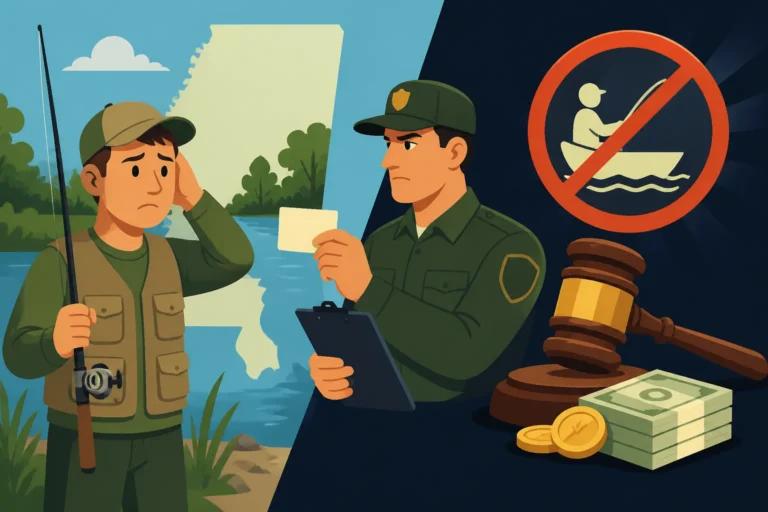
However, it's important to clarify when a license isn't needed. If you're simply taking friends, family, or other non-paying guests out for a casual day of fishing, you typically don't need a specific guide license. The moment money changes hands for your expertise and the use of your vessel or equipment for a fishing trip, you cross the line into commercial activity. This is where the Mississippi Department of Wildlife, Fisheries, and Parks (MDWFP) steps in with its requirements, ensuring that anyone profiting from guiding adheres to a set standard. Trying to operate as a guide without the proper credentials can lead to significant penalties, including hefty fines and even confiscation of equipment, which can quickly put a damper on your guiding dreams. Always remember, if you're offering your services for pay, you're expected to be licensed.
Key Regulatory Bodies Involved
When it comes to being a fishing guide in Mississippi, you're often looking at a dual regulatory system: state and federal. Understanding which body governs what aspect of your operation is crucial for full compliance.
The primary state authority you'll interact with is the Mississippi Department of Wildlife, Fisheries, and Parks (MDWFP). This agency is responsible for managing all aspects of fishing within the state, including setting Mississippi Fishing Regulations Explained for species, limits, and seasons, and issuing the necessary state-level fishing guide licenses. They ensure that guides are familiar with these rules, promoting sustainable fishing practices and protecting Mississippi's natural resources. The MDWFP also oversees the general well-being of the state's fish populations and aquatic habitats, making your role as a guide integral to their conservation efforts.
Beyond state waters, especially if you plan to operate on larger navigable waterways like the Mississippi River or head out into the Gulf of Mexico, the U.S. Coast Guard (USCG) comes into play. The USCG's primary concern is maritime safety and security. For "for-hire" operations, particularly those involving larger vessels or trips into federal waters, the USCG will have specific requirements for your vessel's safety equipment, your personal boating credentials (like a Merchant Mariner Credential), and often, regular vessel inspections. The interplay between these two entities means that some guides, particularly those running charter boats on the coast, will need to satisfy requirements from both the MDWFP and the USCG, which can sometimes feel like navigating two separate but equally important rivers.
Specific Requirements for a Mississippi Fishing Guide License (MDWFP)
Let's dive into the nuts and bolts of what the MDWFP expects from you to become a licensed fishing guide in the Magnolia State. These requirements are in place to ensure you're not only a skilled angler but also a responsible and safe operator.
General Eligibility and Application Process
Before you even start filling out forms, there are some fundamental criteria you need to meet to be eligible for a Mississippi fishing guide license. Typically, you must be at least 18 years of age. While residency isn't always a strict requirement for a guide license itself (non-residents can often apply, though they may face different fee structures, similar to a Mississippi Nonresident Fishing License Guide), having a valid Mississippi hunting or fishing license is usually a prerequisite. Furthermore, you'll generally need a clean record, meaning no significant wildlife or boating violations that could indicate a disregard for regulations or safety.
The application process for a Mississippi fishing guide license with the MDWFP is fairly straightforward, designed to be accessible. You can usually apply online through the MDWFP's official website, which is often the most convenient method. Alternatively, you might be able to visit a local MDWFP office or a licensed agent to complete the application in person. When applying, be prepared to provide personal identification, proof of age, and details about your current fishing license. It's always a good idea to gather all your documents, including your driver's license, ahead of time to ensure a smooth application.
Regarding fees, a Mississippi fishing guide license comes with an associated cost, which can vary based on residency status and the type of guiding you intend to do (e.g., freshwater vs. saltwater, or if you're bundling it with other licenses like a Sportsman's License). These fees are crucial for funding MDWFP's conservation efforts and administrative costs. Payment is usually accepted via credit card for online applications or cash/check/card at physical locations. Always check the current fee schedule on the MDWFP website or by calling their customer service to ensure you have the most up-to-date information before you apply for your Mississippi Fishing License Guide.
Crucial Safety Certifications
One of the most critical aspects of being a professional fishing guide is ensuring the safety of your clients. This is why the MDWFP, and often the USCG, require specific safety certifications before you can legally guide. These aren't just bureaucratic hurdles; they are vital skills that could make all the difference in an emergency.
Foremost among these are First Aid and Cardiopulmonary Resuscitation (CPR) certifications. Imagine a scenario: a client hooks themselves with a lure, or perhaps someone experiences a sudden medical issue while out on the water. Being certified in First Aid means you know how to assess the situation, provide immediate care, and potentially stabilize a person until professional medical help can arrive. Similarly, CPR training equips you with the life-saving skills needed if someone's heart stops or they stop breathing. These aren't just good skills to have; they are non-negotiable for a professional responsible for others' well-being.
Obtaining these certifications is quite accessible. Organizations like the American Red Cross and the American Heart Association offer widely recognized courses, both online and in-person, that cover both First Aid and CPR. Look for courses that include hands-on training, as practical experience is invaluable. These certifications typically need to be renewed every one to two years, so it's your responsibility to keep them current. Often, the MDWFP will require you to submit proof of these active certifications with your guide license application or renewal. Always carry proof of your current certifications with you when guiding.
Insurance and Liability Considerations
Beyond safety certifications, protecting yourself and your business with appropriate insurance is paramount. Operating a for-hire fishing guide service, much like running any commercial venture, comes with inherent risks, and understanding liability is key.
Liability insurance is not just a good idea; it's often a mandatory requirement for fishing guides in Mississippi. This type of insurance protects you financially in the event a client is injured during a trip, or if your actions (or inactions) result in property damage. Even with the utmost care and safety precautions, accidents can happen on the water. A slip on a wet deck, a hook in the wrong place, or an unexpected mechanical issue can lead to injury or damage, and without proper insurance, you could face devastating financial repercussions.
When looking for liability coverage, it's wise to seek out policies specifically designed for outdoor adventure guides or charter operators. These policies understand the unique risks associated with fishing trips. While specific minimum coverage amounts might not always be explicitly mandated by the MDWFP for all guide licenses, many reputable insurers will recommend, and many marinas or booking platforms may even require, a certain level of coverage, often starting around $1 million. You want to ensure your policy covers accidental injury to clients, damage to their property, and potentially even environmental damage in some cases. Don't just settle for the cheapest option; review the policy details carefully to understand what is and isn't covered.
Finding specialized guide insurance can be done through various independent insurance brokers who work with providers like American Special Risk or Global Rescue, which cater to the outdoor industry. You can also start with a quick online search for "fishing guide insurance Mississippi" to find local agents. Remember, investing in comprehensive liability insurance is an investment in your peace of mind and the longevity of your guiding career, providing a crucial safety net against unforeseen events that could otherwise sink your business.
Additional Federal Requirements for Charter Boat Operators
If your guiding aspirations extend beyond a small johnboat on a local pond and involve taking clients on larger bodies of water or offshore, then federal regulations, specifically those from the US Coast Guard, become an essential part of your compliance puzzle. This is especially true if you plan on operating a charter boat.
US Coast Guard Merchant Mariner Credential (MMC)
For any individual operating a vessel "for hire" on federally regulated navigable waters, which includes most large rivers, major reservoirs connected to interstate waterways, and certainly the Gulf of Mexico, a US Coast Guard Merchant Mariner Credential (MMC) is a must-have. This credential is often referred to by its most common iteration for guides: the OUPV (Operator of Uninspected Passenger Vessels) or "6-pack" license. This allows you to carry up to six paying passengers on uninspected vessels. If you plan on carrying more than six passengers, or operating a larger inspected vessel, you'll need a higher-level Master License.
Obtaining an MMC is a more rigorous process than a state guide license. It involves demonstrating sea time (documented hours spent on a vessel), passing a comprehensive written exam covering navigation, rules of the road, safety, and seamanship, and undergoing a physical examination, drug test, and background check. The sea time requirement usually entails at least 360 days of documented experience on a vessel, with a portion of that needing to be within the last three years. The "6-pack" is often the entry point for most fishing guides. Many aspiring captains choose to attend a USCG-approved course, which can help prepare them for the exam and streamline the application process. These courses can be found across the country, often with locations near major coastal or inland port cities.
Vessel Safety and Equipment Inspections
Beyond your personal credentials, the vessel you use for your charter operation will also be subject to stringent US Coast Guard regulations and inspections. The goal here is to ensure that your boat is safe and properly equipped for the number of passengers you intend to carry, particularly in the event of an emergency.
For OUPV (6-pack) licensed operators, while your vessel isn't "inspected" in the same way a larger passenger ferry might be, you are still required to carry specific safety equipment, and the USCG can conduct random boardings and safety checks. These checks ensure you meet minimum requirements for things like life jackets (one for every person on board, including children, easily accessible and in good condition), visual distress signals (flares, orange flag), sound-producing devices (horn, whistle), fire extinguishers, and navigation lights. You'll also need a functioning VHF radio if operating offshore, and a proper First Aid kit (you can find well-stocked options on platforms like Amazon to ensure you have all the necessary supplies).
Maintaining vessel compliance isn't a one-time event; it's an ongoing responsibility. Regularly check your equipment to ensure it's in good working order and hasn't expired (especially flares). Staying current with Mississippi Boat Fishing Regulations and any specific USCG updates is paramount. The USCG Auxiliary often offers free vessel safety checks, which are a fantastic, non-punitive way to ensure your vessel meets all the necessary federal safety requirements before you even think about taking paying clients out.
Maintaining Your Guide License and Staying Compliant
Getting your guide license is a huge accomplishment, but it's not a set-it-and-forget-it kind of deal. Being a professional guide means continuously upholding your responsibilities and staying current with all the necessary legal and safety requirements.
Annual Renewals and Continuing Education
Just like your personal Mississippi Fishing License Guide needs regular renewal, so does your fishing guide license. These licenses typically operate on an annual cycle, meaning you'll need to renew them each year to continue legally operating. The MDWFP will usually send out reminders, but it's ultimately your responsibility to know your renewal deadline and submit your application on time. Renewals can often be completed online, making the process fairly convenient.
A critical part of maintaining your license is ensuring all your supporting certifications, like your First Aid and CPR, remain active. These often have a shorter renewal cycle than your guide license, so you'll need to keep track of their expiration dates and retake courses as necessary. While the MDWFP doesn't typically require formal "continuing education" credits in the same way some other professions do, staying informed about changes in fishing techniques, conservation efforts, and new safety protocols is a mark of a truly professional guide. You might consider attending workshops, seminars, or even just regularly reviewing updated Mississippi Fishing Regulations Explained to keep your knowledge sharp.
Understanding and Adhering to Fishing Regulations
As a licensed fishing guide, you're not just a boat driver; you're an ambassador for responsible angling and conservation. This means you have a profound responsibility to not only know but also strictly adhere to all current Mississippi fishing regulations. This includes Mississippi Fishing Season Dates and Limits, specific Mississippi Freshwater Fishing Rules, creel limits, size limits, and any special regulations for particular lakes or rivers. For example, knowing the specific crappie regulations for Grenada Lake or the bass limits for Ross Barnett Reservoir is non-negotiable.
Your role extends to educating your clients. Many people who book guides might be visiting from out of state or simply unfamiliar with the nuances of local rules. It's your job to clearly communicate these regulations, explain why they exist, and ensure that everyone on your boat complies. This might mean demonstrating how to properly measure a fish, explaining "catch and release" protocols, or making sure anglers understand daily bag limits. This level of professionalism not only protects the resource but also enhances your reputation as a knowledgeable and ethical guide.
The consequences of violating fishing regulations can be severe, not just for your clients, but especially for you as the licensed guide. Fines can be substantial, and repeated violations could lead to the suspension or revocation of your guide license, effectively ending your career. Always double-check the latest regulations on the MDWFP website or pick up a current copy of the Mississippi Outdoor Digest. Being proactive in your knowledge and compliance is the best way to avoid any issues and ensure the longevity of your guiding business.
Benefits and Challenges of Becoming a Licensed Fishing Guide
Deciding to become a licensed fishing guide in Mississippi is a significant step, one that brings both immense rewards and considerable challenges. It's important to have a realistic view of what this journey entails.
The Upsides of a Licensed Guiding Career
There's a real sense of pride and legitimacy that comes with being a fully licensed fishing guide. When clients book a trip with you, they're not just paying for a boat ride; they're paying for your expertise, your adherence to safety standards, and your commitment to operating legally and ethically. Having that official backing from the MDWFP and potentially the USCG instantly builds trust and positions you as a professional in the field. This professional image can significantly boost your booking rates and help you stand out in a competitive market.
Beyond client trust, holding a valid license can open doors to better business opportunities. Insurers are often more willing to provide comprehensive liability coverage to licensed guides, sometimes at more favorable rates, because they see a lower risk. Being licensed also makes it easier to market your services through official tourism boards, fishing forums, and reputable booking platforms, many of which require guides to be licensed and insured. Furthermore, there's the profound satisfaction of sharing your deep passion for Mississippi fishing with others, teaching them new techniques, and seeing the joy on their faces when they land a prized catch. It's a career that combines your love for the outdoors with the rewarding experience of helping others connect with nature.
Common Hurdles for Aspiring Guides
While the upsides are compelling, becoming a fishing guide is not without its obstacles. The initial financial investment can be substantial. You'll need to factor in the costs of various licenses and permits, including your state guide license, potentially a US Coast Guard credential, and your annual Mississippi Fishing License Costs. Then there are the mandatory safety certifications like First Aid and CPR, which also come with a fee. Crucially, securing adequate liability insurance is an ongoing expense that can run into thousands of dollars annually, depending on your operation's scope. Additionally, ensuring your boat is up to snuff with all the necessary safety equipment, or upgrading to a vessel suitable for guiding, can be a significant outlay.
The time commitment is another significant hurdle. The process of acquiring an MMC, if required, involves documenting extensive sea time and dedicating hours to studying for demanding exams. Even the state-level requirements for First Aid and CPR courses take time away from your regular schedule. Beyond the initial licensing, building a strong client base takes consistent effort in marketing, reputation management, and excellent customer service. You'll need to develop a website, manage social media, and actively solicit reviews, which can be a full-time job in itself.
Ultimately, the responsibility of client safety and strict regulatory compliance rests squarely on your shoulders. You are responsible for every person on your boat, every piece of safety equipment, and every fish caught within legal limits. This level of responsibility can be demanding, but for those who are truly passionate and prepared, it's a rewarding challenge.
Guide License Requirements Comparison
To help clarify the multi-faceted requirements for Mississippi fishing guides, here's a handy table outlining the key elements from both the state (MDWFP) and federal (USCG) perspectives. This should give you a clear overview of what you'll need to consider depending on your intended operation.
| Requirement/Credential | Issuing Body | Applies To | Key Details & Purpose |
|---|---|---|---|
| Fishing Guide License | MDWFP | All "for-hire" fishing activities in MS waters | Legally required to charge clients for fishing trips. Ensures compliance with state Mississippi Fishing Regulations Explained and conservation. Annual renewal. |
| Personal Fishing License | MDWFP | All anglers, including guides (unless exempt) | Basic license for personal fishing privileges. Often a prerequisite for the guide license. Check options like the Mississippi Sportsman's License Explained. |
| First Aid/CPR Certifications | Accredited Providers (e.g., Red Cross) | All "for-hire" guides, usually state & federal | Essential life-saving skills. Mandatory for client safety. Must be kept current (typically 1-2 year renewal). |
| Liability Insurance | Private Insurers | Highly recommended for all guides, often mandatory | Protects the guide from financial liability in case of client injury or property damage. Provides peace of mind and professionalism. Specific coverage details vary by provider. |
| USCG Merchant Mariner Credential (MMC) | USCG | Operating "for-hire" on navigable federal waters | Required for charter boat operators (e.g., OUPV/6-pack for up to 6 passengers). Demonstrates sea time, knowledge of navigation/safety. More rigorous application, exam, medical/drug testing. This is covered in more detail in the Mississippi Charter Boat Fishing License Rules guide. |
| Vessel Safety Equipment | USCG | All "for-hire" vessels on navigable federal waters | Mandatory equipment like life jackets, flares, fire extinguishers, sound devices. Subject to USCG safety checks. Ensures vessel is safe for commercial operation. |
Disclaimer
The information provided in this guide is intended for general informational purposes only and does not constitute legal advice. Fishing regulations and licensing requirements can change, and it is the sole responsibility of the individual to verify all current rules and regulations with the Mississippi Department of Wildlife, Fisheries, and Parks (MDWFP) and the U.S. Coast Guard (USCG) before engaging in any fishing guide activities. Always consult the official government websites or contact the relevant agencies directly for the most up-to-date and accurate information.