Can You Clean Fish at the Boat Ramp in Mississippi?
It’s a scenario many of us anglers face: you’ve just had an incredible day on the water, your cooler is full, and you pull up to the boat ramp with visions of fresh fillets dancing in your head. But then the question hits you – can you actually clean your fish right here, or are you just asking for trouble? This guide is here to untangle the often confusing rules and etiquette surrounding fish cleaning at Mississippi’s boat ramps, ensuring you stay on the right side of the law and respect your fellow outdoor enthusiasts.
Understanding Mississippi’s Stance on Fish Cleaning at Public Ramps
The urge to clean your catch immediately after leaving the water is completely understandable. It saves time, keeps your boat cleaner, and you can get straight to the cooking. However, Mississippi, like many states, has specific regulations and unspoken rules about where and how you can process your fish, especially in public areas like boat ramps. These aren't just arbitrary rules; they're in place to protect our waterways, manage public spaces, and ensure proper conservation practices.
The Letter of the Law: MDWFP Regulations
When it comes to the official stance, the Mississippi Department of Wildlife, Fisheries, and Parks (MDWFP) is pretty clear: generally, you are not permitted to clean fish at undesignated public boat ramps or dispose of fish carcasses into the water or onto the banks there. The primary reason for this restriction is often tied to the state's efforts to prevent the spread of aquatic invasive species and to maintain water quality. If everyone cleaned their fish at the ramp, the cumulative effect of discarded guts and scales could quickly degrade the local environment and attract unwanted pests.
Furthermore, these regulations are also about upholding the integrity of fishing limits. Imagine a conservation officer checking your cooler. If your fish are already filleted, it becomes incredibly difficult to verify size and creel limits for certain species. For instance, if you're fishing for species like crappie or bass that have specific length and daily limits, presenting them whole is often a requirement until you're back home or at a designated cleaning station. You can find detailed information on these rules by checking out the guide on Mississippi Fishing Regulations Explained. Ignoring these can lead to fines and other penalties, as outlined in Mississippi Fishing License Penalties and Fines.
Why These Rules Exist Beyond Simple Convenience
The regulations aren’t just about making things difficult; they serve multiple crucial purposes. Firstly, conservation is paramount. Discarding fish carcasses, especially if the fish was caught in another body of water, risks introducing diseases or parasites into a new ecosystem. Secondly, it's about public health and sanitation. Decomposing fish parts create foul odors, attract flies, raccoons, and other scavengers, and can make public access areas unpleasant and unsanitary for everyone else. No one wants to launch their boat into water littered with fish guts or step onto a ramp slimy with scales.
Finally, proving compliance with fishing limits is a huge factor. Many game fish, particularly black bass, crappie, and some saltwater species like redfish and speckled trout, have specific size and daily bag limits. Officers need to be able to identify the species and measure them to ensure you haven't exceeded these limits. If your fish are already filleted, it becomes a guessing game, and that's not something the MDWFP wants to contend with, nor should you put yourself in a position where your catch can't be legally verified. Always consult resources like Mississippi Statewide Creel Limits to be sure of the current regulations.
Navigating Designated Fish Cleaning Stations in Mississippi
While cleaning fish at an undesignated boat ramp is generally a no-go, Mississippi does offer dedicated facilities where anglers can properly process their catch. These designated fish cleaning stations are a fantastic resource, designed to accommodate your needs while adhering to environmental and public health standards.
What Makes a "Designated" Cleaning Station?
A designated fish cleaning station is specifically built and maintained for processing fish. You’ll usually find them at popular fishing destinations, such as major reservoirs, state parks, and coastal marinas. These stations typically feature stainless steel cleaning tables with running water, sometimes even with grinders to dispose of entrails into a proper septic system or collection bin. The key is that they are built with appropriate plumbing and waste management systems to handle the byproducts of fish cleaning responsibly, preventing pollution and odors.
For example, large reservoirs like Ross Barnett Reservoir often have excellent facilities, particularly at popular marinas or campgrounds. You can explore a comprehensive guide to fishing this area and its amenities by looking into Ross Barnett Reservoir Fishing Guide. Similarly, along the Mississippi Gulf Coast, many marinas that cater to charter boats and recreational anglers will have these types of stations to serve the high volume of saltwater catches. Knowing the specific locations of these facilities is crucial, so a resource like Mississippi Fish Cleaning Station Locations can be incredibly helpful for planning your trip.
Where You Can Find These Facilities
Mississippi has made efforts to provide these convenient facilities at many of its premier fishing locations. For instance, if you're fishing the crappie mecca that is Grenada Lake, you'll find designated cleaning stations at places like Graysport, North Graysport, and South Graysport boat ramps. These are well-maintained and allow anglers to clean their catches responsibly. A deeper dive into these fishing opportunities can be found in the Grenada Lake Fishing Guide.
Another excellent example is Sardis Lake, particularly popular for its bass and crappie fishing. Its main ramps and recreation areas often boast good cleaning facilities. Knowing these spots ahead of time can make your post-fishing routine much smoother. The Sardis Lake Fishing Guide can provide further details. Along the coast, marinas in areas like Biloxi, Gulfport, and Bay St. Louis usually offer cleaning stations, especially for those returning from a successful day of inshore or offshore fishing. If you're planning a trip down to the coast, the Mississippi Gulf Coast Fishing Guide is a must-read for all local amenities and fishing hotspots. These dedicated spots ensure that waste is handled correctly, keeping our beautiful state clean and enjoyable for everyone.
The Contrast: Cleaning in Undesignated Areas
The difference between using a designated station and cleaning fish in an undesignated area is stark. At a proper station, waste is managed, and the area is designed for easy cleanup. In an undesignated area, such as a random spot at a launch ramp that lacks proper disposal, you're essentially leaving an unsanitary mess. This mess then attracts wildlife, causes unpleasant odors, and can pollute the water as fish guts and blood wash back into the lake or river.
Beyond the immediate visual and olfactory impacts, improper disposal has ecological ramifications. It can introduce non-native pathogens, create nutrient overload in the water leading to algae blooms, and generally disrupt the natural balance of the ecosystem. It's a small act with potentially large negative consequences, which is why the MDWFP takes these rules seriously and why it's vital for every angler to be aware and responsible.
The Repercussions of Improper Fish Cleaning
Ignoring the rules about cleaning fish at undesignated boat ramps in Mississippi isn’t just a minor faux pas; it carries real consequences, both legally and environmentally. As responsible anglers, understanding these potential impacts is key to preserving our fishing heritage and maintaining our beautiful natural resources.
Legal Penalties and Enforcement
Mississippi game wardens and local law enforcement actively patrol boat ramps and fishing access points. If you're caught cleaning fish in an undesignated area, or disposing of carcasses improperly, you could face citations and fines. The exact penalty can vary depending on the severity of the offense and the specific local ordinances, but it’s always an unwelcome surprise that can sour an otherwise great day of fishing. This isn't just a slap on the wrist; these fines can be substantial, and repeated offenses could even lead to more severe actions, such as the suspension of your fishing privileges.
Moreover, if you've already filleted your fish and an officer needs to verify species, size, or creel limits, it could lead to complications. Without the whole fish, you might be presumed to be in violation, and proving otherwise can be incredibly difficult. This is a common issue with species that have slot limits or strict daily possession limits. Imagine having a cooler full of crappie fillets and being unable to prove you didn't exceed the daily limit for your chosen lake – it’s a headache you definitely want to avoid. Always prioritize knowing the rules for the body of water you're fishing.
Environmental Degradation and Public Health Concerns
The environmental impact of improper fish cleaning is far-reaching. When fish guts and scales are discarded directly into the water or left on the bank, they decompose, consuming oxygen from the water column. This reduction in dissolved oxygen can harm aquatic life, particularly fish, leading to stress or even fish kills in sensitive areas. The decaying organic matter also contributes to nutrient pollution, which can fuel harmful algal blooms, further degrading water quality and making the water unsuitable for swimming or other recreational activities.
Beyond the aquatic ecosystem, improper disposal on land creates unsanitary conditions. Piles of decaying fish attract pests like flies, rats, and raccoons, which can spread diseases and create a health hazard for other visitors. The foul odor can linger for days, ruining the experience for families picnicking or simply enjoying the outdoors. It also gives anglers a bad name, perpetuating the stereotype of irresponsible sportsmen. We all share these public spaces, and it's our collective responsibility to keep them clean and healthy.
Social Impact and Community Perception
Finally, there’s the social aspect. Public boat ramps and fishing access points are shared resources. When an angler leaves a mess behind, it impacts everyone who uses that facility. Other boaters trying to launch, families coming to enjoy the scenery, or even just other anglers who arrive after you will be confronted with the unsightly and unsanitary remnants of your catch. This creates a negative perception of the fishing community as a whole.
No one wants to be "that guy" who leaves a mess. By cleaning fish improperly, you're not just breaking a rule; you're undermining the respect and goodwill that the vast majority of responsible anglers work hard to build. Maintaining a clean and respectful presence at our public access points ensures that these facilities remain available and enjoyable for all, fostering a positive relationship between anglers and the wider community.
Responsible Practices for Mississippi Anglers
As anglers, we have a responsibility to not only enjoy our sport but also to protect the environments we fish in and respect the public spaces we share. While cleaning fish at undesignated boat ramps is a no-go, there are plenty of responsible ways to handle your catch after a successful day on the water.
Transporting Your Catch Legally and Safely
The simplest and most recommended approach is to transport your fish whole, or at least in a state that allows for legal identification and measurement, until you reach a proper cleaning location. This means keeping them on ice in a cooler to maintain freshness. You’ll want a good quality cooler that can hold ice for extended periods, especially during Mississippi’s hot summers. For tips on keeping your fish in prime condition until you get home, check out our guide on Best Way to Keep Fish Fresh on a Hot Day.
When transporting, make sure your fish are covered and contained to prevent any leakage or odor in your vehicle. Some anglers even use extra-large heavy-duty trash bags inside their coolers as an additional layer of protection. This practice ensures that if you are stopped by a game warden, all your fish are intact and verifiable, saving you potential headaches and proving you are adhering to all Mississippi Fishing Regulations Explained.
Utilizing Home Cleaning Stations
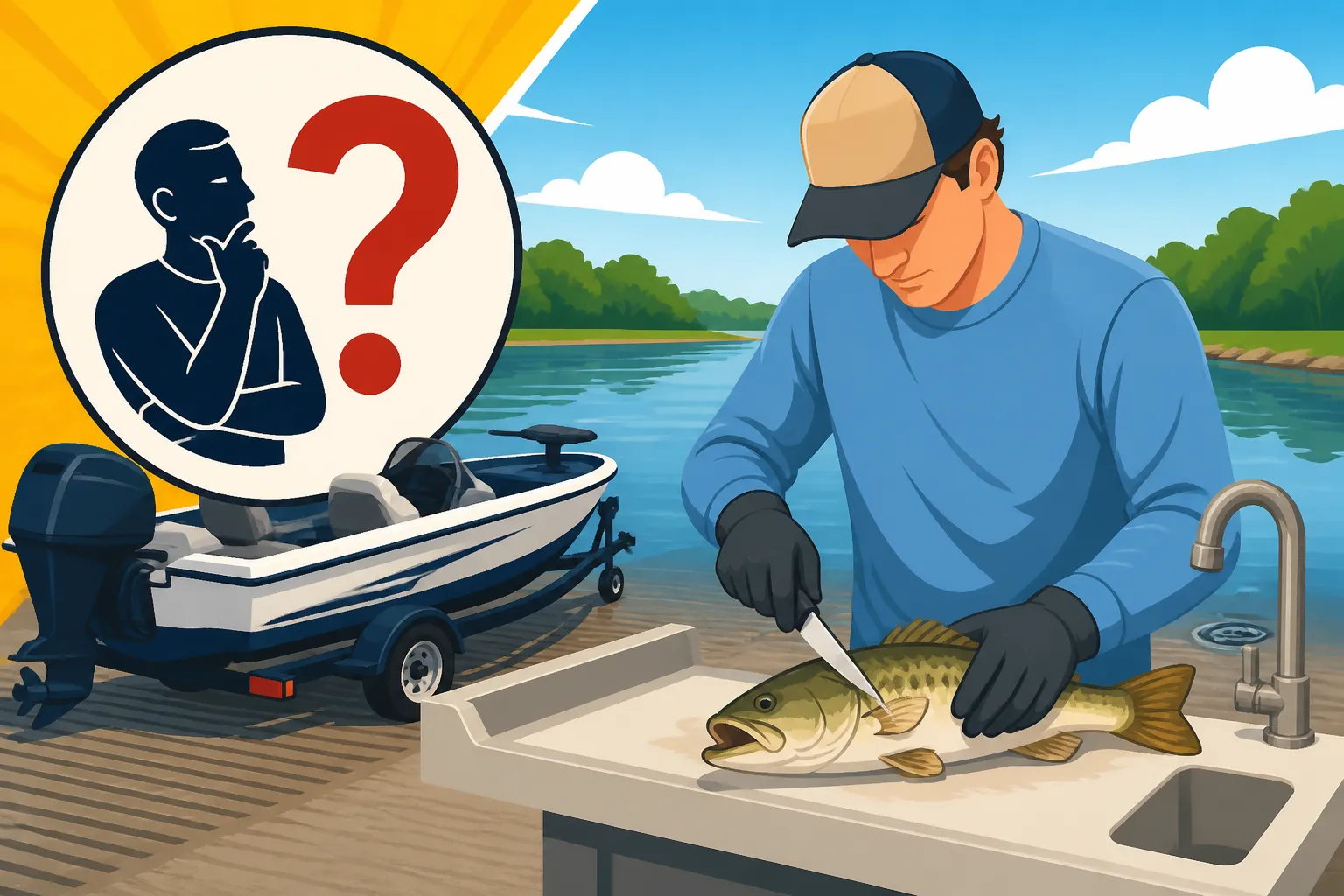
For many dedicated anglers, setting up a home cleaning station is the ultimate solution. This can be as simple as a sturdy plastic table in your backyard or garage, hooked up to a garden hose. Some even invest in dedicated fish cleaning tables made from durable, easy-to-clean materials like high-density polyethylene, often available from retailers like Amazon. These tables often feature a sink, drain, and a tall faucet, making the process much more efficient and sanitary.
At home, you have complete control over waste disposal. Fish guts and scraps can be double-bagged and put out with your regular trash, composted if you have a proper setup, or even used as fertilizer in your garden (though be mindful of attracting pests with this method). This method ensures that all byproducts are handled responsibly, keeping public areas clean and minimizing environmental impact. You can also equip your home station with high-quality fillet knives and electric knives, many of which are easily found and purchased on Amazon, making the cleaning process quicker and more enjoyable.
Portable Cleaning Solutions
What if you're camping or staying at a vacation rental without a dedicated cleaning station? There are portable options available. Smaller, foldable cleaning tables can be purchased from various outdoor retailers, including Amazon, that allow you to set up a temporary station. These are great for campsites or cabins where you can connect a hose and manage waste properly. The key is still responsible waste disposal. After cleaning, collect all entrails and dispose of them securely in a trash receptacle, away from waterways and public view.
Another portable solution involves simply cleaning your fish over a bucket or tub to collect all the scraps. Once collected, these scraps can then be double-bagged and disposed of in appropriate trash bins. Always bring heavy-duty trash bags with you for this purpose. This is especially useful for remote fishing trips or when fishing at smaller access points that clearly lack any public cleaning amenities. Items like a good sturdy bucket and strong waste bags are staples that can be conveniently purchased online from sites like Amazon.
Respecting Others and the Environment
Ultimately, responsible angling comes down to respect: respect for the fish, respect for the environment, and respect for your fellow outdoor enthusiasts. Always leave public access points cleaner than you found them. Pick up any litter you see, even if it’s not yours. By being a steward of our natural resources, you contribute to a positive image for all anglers and help ensure that Mississippi’s fantastic fishing opportunities remain vibrant and accessible for generations to come.
Remember, the goal is to enjoy the bounty of Mississippi’s waters without leaving a negative footprint. Planning ahead for fish cleaning is just as important as planning your bait and tackle.
| Feature | Designated Fish Cleaning Station (e.g., State Park, Marina) | Undesignated Boat Ramp/Bank |
|---|---|---|
| Legality | Generally Permitted | Generally Prohibited |
| Facilities | Often includes running water, sinks, grinders, waste disposal | None |
| Waste Disposal | Managed via septic, grinding, or designated collection | Improper disposal into water or on land |
| Environmental Impact | Minimal, designed to manage waste responsibly | High risk of pollution, odor, pest attraction |
| Public Health | Maintained for sanitation | Unsanitary, health hazard |
| Convenience | High, purpose-built for efficient cleaning | Low, creates a mess and risk of fines |
| Regulatory Compliance | Easier to prove size/creel limits if required, as stations are for post-verification | Difficult to prove size/creel limits, potential for fines |
Disclaimer
The information provided in this guide is for general informational purposes only and does not constitute legal advice. Fishing regulations in Mississippi can change, and specific rules may vary by body of water or season. Always consult the most current regulations published by the Mississippi Department of Wildlife, Fisheries, and Parks (MDWFP) or local authorities before planning your fishing trip and cleaning your catch. Compliance with all state and local laws is the angler's responsibility.