Charter Fishing for Beginners in Mississippi
So, you've heard the whispers of Mississippi's incredible fishing, perhaps seen some impressive catches on social media, and now you're wondering if charter fishing is for you. It's easy to feel a bit overwhelmed when you're new to the idea of booking a guided trip – what do you need, where do you go, and how do you even pick a captain? This comprehensive guide is designed to ease those beginner jitters, walking you through everything you need to know to confidently book and enjoy your very first charter fishing adventure in the Magnolia State.
Demystifying Charter Fishing: What Exactly Is It?
For many, the word "charter" conjures images of luxury yachts and seasoned pros. While those certainly exist, charter fishing, at its heart, is simply hiring a professional fishing guide or captain along with their boat and equipment for a dedicated fishing trip. It’s an immersive experience tailored to help you catch fish, learn new techniques, and enjoy the beauty of Mississippi’s waterways without the hassle of owning all the gear or knowing all the best spots.
The Concept of a Guided Fishing Experience
Think of a fishing charter as having a local expert lead your expedition. These captains and guides spend countless hours on the water, understanding fish patterns, local regulations, and the best times and places to cast a line. They’re not just providing a boat; they’re offering their expertise, their knowledge of the local ecosystem, and a curated experience designed for success and enjoyment. It’s like hiring a hiking guide for a challenging trail – they know the route, the hidden gems, and how to keep you safe and comfortable.
For a beginner, this is invaluable. You don't have to worry about navigation, understanding complex marine electronics, or figuring out what bait works best on a given day. The captain handles all of that, allowing you to focus purely on the thrill of the catch. They'll show you how to cast, how to retrieve, and how to fight a fish properly, often sharing stories and tips that only come from years on the water. It’s an educational experience rolled into an exciting outing.
Why Beginners Love Charters
The appeal of charter fishing for someone new to the sport is immense. One of the biggest hurdles for new anglers is the sheer investment in gear: rods, reels, tackle, bait, a boat, and all the safety equipment. With a charter, all that is provided. You show up, hop on the boat, and everything is ready. This removes a significant barrier to entry, letting you test the waters (literally!) before committing to expensive purchases.
Beyond the gear, there's the knowledge factor. Imagine trying to find the best fishing spots on Ross Barnett Reservoir Fishing Guide or the Gulf Coast without any prior experience. It would be like looking for a needle in a haystack. Charter captains have that needle located, often marking specific brush piles, oyster reefs, or channel drop-offs where fish congregate. They also monitor weather patterns, tides, and fish behavior, adjusting plans to maximize your chances of success. It's a low-stress, high-reward way to experience fishing at its best, especially when you're just starting out and want to ensure a positive first impression of the sport.
The Allure of Mississippi's Waters: Why Charter Here?
Mississippi offers an incredibly diverse fishing landscape, from the vast freshwater reservoirs and mighty rivers of the north to the vibrant estuaries and deep-sea waters of the Gulf Coast. Choosing to charter here means tapping into this rich biodiversity and the deep knowledge of local professionals who call these waters home.
Access to Prime Fishing Grounds
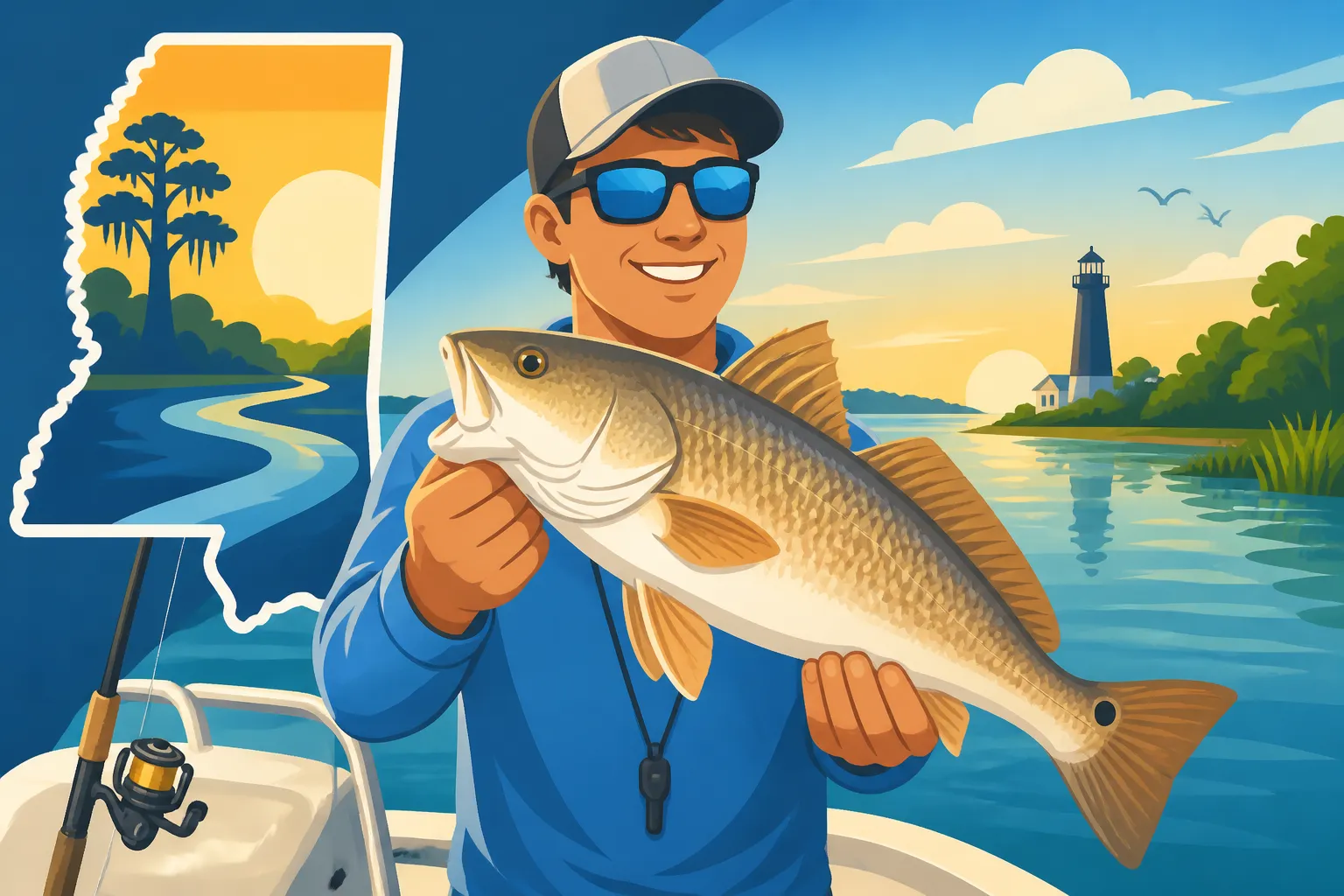
Mississippi's fishing grounds are legendary for certain species. On the Gulf Coast, anglers flock for the abundant Redfish Fishing on the Mississippi Coast and Speckled Trout Fishing on the Mississippi Coast in the bays and marshes, or head offshore for snapper, grouper, and even pelagics. Up north, lakes like Grenada and Sardis are crappie paradises, while Ross Barnett Reservoir offers fantastic bass fishing. Without a charter, gaining access to some of these prime spots, especially offshore or deep in the marsh, can be difficult, if not impossible, for the average recreational angler.
Charter captains possess specialized boats that are designed for specific types of fishing and terrains. A shallow-draft bay boat is perfect for navigating the skinny waters of coastal marshes, while a larger, offshore vessel is built to handle the open Gulf. These boats are equipped with powerful motors, advanced sonar, GPS, and comfortable seating, all of which contribute to a safer, more efficient, and more enjoyable trip. They know the contours of the bottom, the hidden structure, and the subtle changes in current that signal a productive area.
Expert Knowledge and Specialized Gear
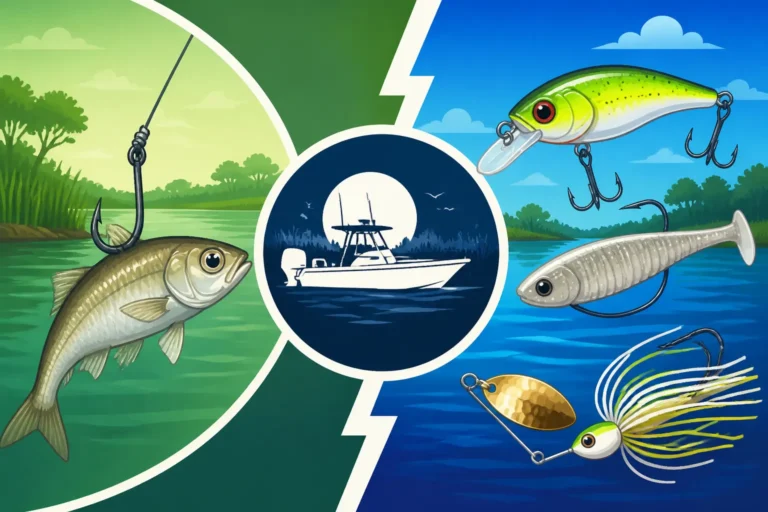
One of the biggest advantages a charter offers is the sheer expertise of the captain and crew. They've spent years learning the nuances of Mississippi's fisheries. They know what lures work best for Largemouth Bass Fishing in Mississippi on a hot summer day, what live bait crappie prefer during the spawn, and how to target deep-water catfish in the river. This isn't just general fishing knowledge; it's hyper-local, real-time information that can make or break a trip.
Moreover, charters come with all the specialized gear you could possibly need. This includes high-quality rods and reels perfectly matched to the target species, a vast array of lures and baits, and all the necessary terminal tackle. For a beginner, this is fantastic. You don't have to worry about buying the wrong line, using the wrong hook size, or fumbling with unfamiliar equipment. The captain will often rig your lines, bait your hooks, and even demonstrate casting techniques, making it incredibly easy to get straight into the action. They'll also explain why certain baits or techniques are effective, turning your trip into a valuable learning experience.
Safety and Convenience on the Water
Let's be honest, boating can be intimidating, especially for those without much experience. Navigating unfamiliar waters, understanding weather forecasts, and handling emergencies are all responsibilities that fall on the boat operator. With a charter, you're placing yourself in the hands of a licensed and experienced professional who prioritizes your safety. They are trained in first aid, know local navigational hazards, and are equipped with all required safety gear, from life jackets to communication devices.
The convenience factor is also huge. No need to launch and retrieve a boat, clean it afterwards, or worry about fuel and maintenance. Your captain handles all the logistics. You simply show up at the designated time and place, step onto the boat, and your fishing adventure begins. This eliminates all the potential stress points, allowing you to relax and fully immerse yourself in the experience. Whether it's a calm day in the back bays or navigating some chop on the sound, you can trust that your captain is skilled and prepared. This peace of mind is truly priceless, especially for first-timers.
Navigating the Options: Types of Mississippi Fishing Charters
Mississippi's diverse waterways mean you have a fantastic range of charter options. Understanding the differences is key to choosing the right experience for your first trip.
Inshore and Nearshore Charters: Gulf Coast Wonders
If you're heading to the Mississippi Gulf Coast, you'll likely encounter a wide array of inshore and nearshore charter opportunities. Inshore charters typically focus on the protected waters of the bays, bayous, estuaries, and barrier islands like Horn Island or Ship Island. These areas are teeming with popular species such as speckled trout, redfish, flounder, and sometimes even drum or sheepshead. The waters are generally calmer, making it an excellent choice for families, beginners, or those prone to seasickness. The boats used are often smaller, shallower draft vessels, perfect for navigating tight spaces and oyster beds.
Nearshore charters venture a bit further out, typically within a few miles of the coast, often targeting artificial reefs, wrecks, and structures. Here, you might find species like Spanish mackerel, king mackerel, cobia, or even small snapper. While slightly more exposed to open water conditions, these trips are still relatively close to shore and offer a great blend of variety and comfort. Many Biloxi Fishing Charters Guide and Gulfport Fishing Charters Guide offer a mix of inshore and nearshore options, allowing you to explore the rich ecosystems close to the coast.
Offshore and Deep Sea Adventures
For those craving a true open-water adventure, offshore and Deep Sea Fishing Charters in Mississippi are the ticket. These trips head many miles out into the Gulf of Mexico, often targeting deep-water structures, oil rigs, and natural bottom formations. The target species are typically larger and more powerful, including red snapper, grouper, amberjack, triggerfish, and various pelagic species like tuna or mahi-mahi. These trips require larger, more robust boats capable of handling potentially rougher seas and longer travel times.
Deep-sea charters usually last a full day, or even overnight, due to the distances involved. While the fishing can be incredible, it's important to note that these trips are generally more physically demanding and less suitable for those prone to severe seasickness or very young children. However, the thrill of battling a big red snapper or a powerful amberjack offshore is an unforgettable experience for many anglers, especially if you're looking for that "bucket list" catch.
Freshwater Guides: Reservoirs and Rivers
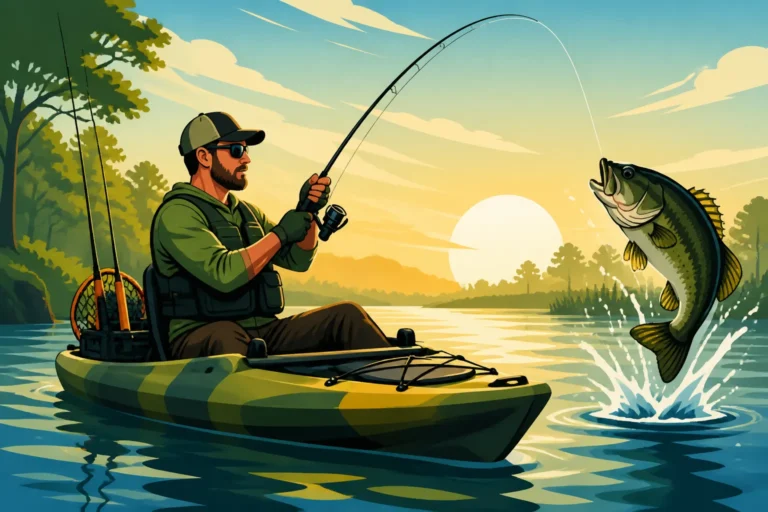
Don't forget that Mississippi is also home to incredible freshwater fishing. If your interests lie in lakes and rivers, a freshwater guide is your best bet. These guides specialize in locations like the massive Ross Barnett Reservoir Fishing Guides, the famed crappie lakes like Grenada and Sardis, or the mighty Mississippi River. They target species such as largemouth bass, crappie, catfish, and sometimes even hybrid striped bass.
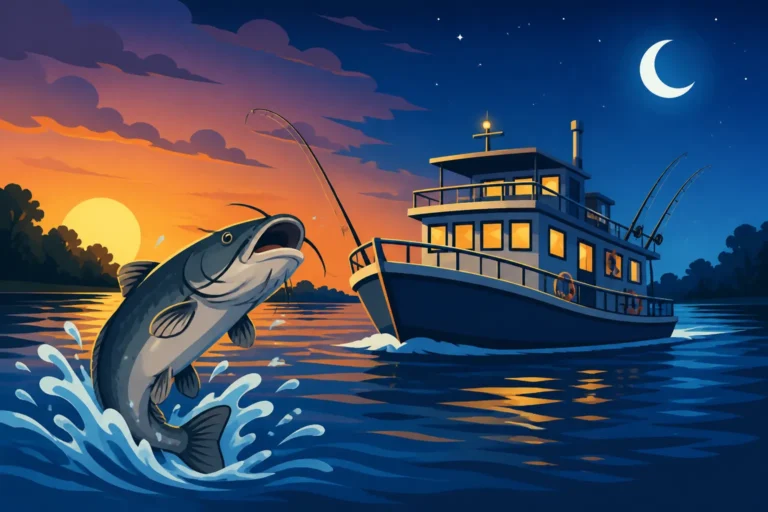
A Mississippi Freshwater Fishing Guides trip offers a different kind of charm. You might be navigating stump fields for crappie, casting into lily pads for bass, or anchoring in river currents for giant blue catfish. These guides are experts in their specific bodies of water, understanding seasonal patterns and fish movements intimately. Like saltwater charters, they provide all the necessary gear, bait, and knowledge, ensuring a productive and enjoyable day on the lake or river.
Party Boats vs. Private Charters
When booking, you'll generally have two main choices: a private charter or a party boat (also known as a head boat or open boat).
-
Private Charters: This is what most people envision when they think of a charter. You book the entire boat for your group, typically ranging from 1 to 6 anglers. This allows for a completely personalized experience. You can communicate directly with the captain about what species you want to target (within reason and season), how long you want to fish, and the general pace of the trip. It's more expensive per person than a party boat, but the individualized attention, flexibility, and comfort are often worth it, especially for a first-time experience or if you have specific goals in mind. Many Mississippi charters, especially those listed on platforms like FishingBooker, operate as private charters.
-
Party Boats: These are larger vessels that take many anglers, often 20-50 people or more, out on a single trip. You pay per person ("by the head"), making them a more budget-friendly option. While you don't get the same level of individual attention or flexibility as a private charter, they can be a great way to experience deep-sea fishing if you're on a tighter budget or don't have a large group. The crew will assist everyone, but the focus is more on getting fish to the boat for the group rather than tailoring the experience to individuals. They are more common for deep-sea trips out of coastal ports.
Preparing for Your Maiden Voyage: What to Expect
Booking your first charter is exciting, but a little preparation goes a long way in ensuring a smooth and enjoyable trip. Knowing what to expect will help you relax and make the most of your time on the water.
Booking Your Trip: The Essentials
The first step, of course, is booking. Most captains and charter companies now have online booking systems, and platforms like FishingBooker make it incredibly easy to compare options, read reviews, and secure your date. When you book, be prepared to provide information about your group size, preferred dates, and any specific target species you have in mind. It's always a good idea to confirm details like departure time, meeting location, and what's included in the price. Don't be shy about asking questions beforehand; a good captain wants you to feel comfortable and informed.
Before the trip, you'll want to address the all-important fishing license. A common question is Does a Mississippi Fishing Charter Include the License?. Generally, for individual recreational anglers, you will need your own Mississippi Fishing License Guide. This is a critical point, as fishing without a proper license can lead to penalties. Check with your captain or the Mississippi Department of Wildlife, Fisheries, and Parks (MDWFP) website to confirm the specific requirements for your trip type and duration.
What to Bring and What's Provided
Most charters are very inclusive, providing the boat, fuel, tackle, rods, reels, and sometimes even bait. However, there are a few essentials you should always plan to bring yourself. Think about personal comfort items:
- Sun Protection: Sunscreen, a wide-brimmed hat, sunglasses (polarized are a huge plus for seeing fish!), and long-sleeved, light clothing are crucial, even on cloudy days. The sun reflecting off the water can be intense.
- Food and Drinks: While some high-end charters might offer snacks or drinks, it’s best to bring your own. Pack a cooler with water, sodas, and easy-to-eat snacks or a sandwich. Avoid anything too messy.
- Rain Gear/Layers: Weather in Mississippi can change quickly. A lightweight rain jacket and extra layers, even on a warm day, can make a big difference in comfort, especially if you're out early morning or late evening.
- Cooler for Your Catch: If you plan on keeping fish, bring a separate cooler to transport your fillets home. The boat will usually have a cooler for drinks and a fish box for catches, but your personal cooler for the ride home is a must.
- Camera: To capture those memorable moments!
For a more comprehensive list, check out resources like What to Bring on a Mississippi Fishing Charter.
Onboard Etiquette and Safety Briefings
When you board the boat, the captain or mate will typically give a brief safety overview. Pay attention to this. It will cover where life jackets are, emergency procedures, and how to move safely around the boat. Respect the captain's authority; their word is law on their vessel. They are responsible for your safety and the success of the trip.
As for general etiquette, here are a few pointers:
- Listen to instructions: The crew is there to help you catch fish and ensure safety. Follow their guidance on casting, baiting, and handling fish.
- Be patient: Fishing sometimes requires patience. There will be downtime, and that's okay. Enjoy the scenery and the company.
- Respect the equipment: The gear is expensive. Treat it carefully. If you break something, let the crew know immediately.
- Keep the boat tidy: Use trash cans, and try not to leave gear or personal items strewn about where they could be tripped over.
- Ask for help: If you're struggling with a tangled line, need help with a fish, or feel unwell, don't hesitate to ask the crew. That's what they're there for.
Remember, a good attitude goes a long way in making your first charter a positive experience for everyone on board.
Choosing Your Perfect Match: Selecting a Beginner-Friendly Charter
With so many options, how do you pick the right charter for your first foray into Mississippi fishing? It comes down to a few key considerations that will ensure a comfortable and successful outing tailored to a beginner's needs.
Researching Captains and Their Specialties
Not all captains are created equal, and some specialize in catering to beginners and families. Look for captains who explicitly state they welcome novices or family groups. These captains tend to be more patient, offer more hands-on instruction, and prioritize a fun, low-pressure experience over strictly trophy hunting (though they're certainly capable of that too!). You can often find this information on their websites or booking profiles. For example, many captains listed on platforms like FishingBooker will highlight their family-friendly trips or beginner focus in their descriptions.
Consider the captain's personality as well. Reading reviews can give you a good sense of how they interact with clients. Do people praise their patience, their teaching style, or their sense of humor? A friendly, encouraging captain can make a world of difference for a first-timer. Think about what kind of experience you want: a quiet, focused trip or a lively, chatty one? This introspection will help narrow down your choices.
Considering Trip Length and Target Species
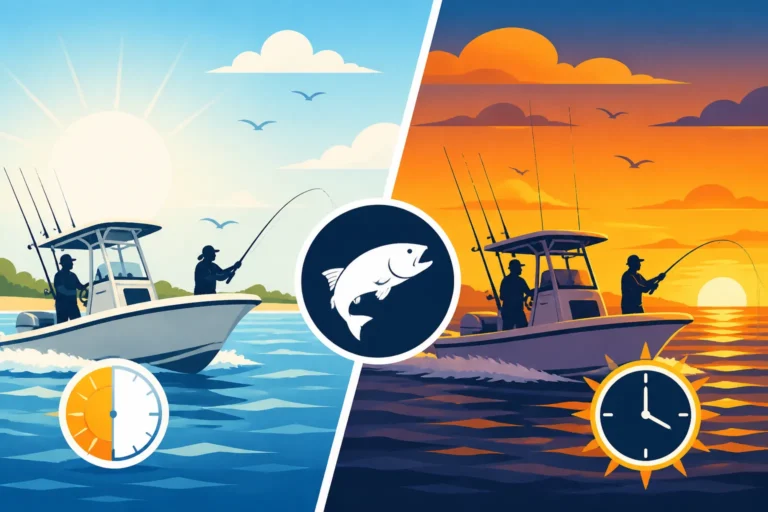
For a beginner, a shorter trip is often a wise choice. A half-day (4-hour) charter is usually sufficient for your first time out. It gives you enough time to experience the thrill of fishing, learn some basics, and potentially catch some fish, without becoming overly tired or overwhelmed. Full-day trips can be fantastic but might be a bit much for someone who's not sure how they'll handle being on the water for extended periods.
Also, think about the target species. Some fish are easier to catch for beginners than others. For example, inshore speckled trout and redfish on the Gulf Coast often provide consistent action, as do crappie and bream in freshwater lakes. Targeting species that are generally abundant and active can lead to more bites and therefore more excitement for a new angler. If a charter focuses on a species known for being particularly elusive or requiring advanced techniques, it might be better to save that for a later trip once you have more experience under your belt.
Reading Reviews and Asking Questions
The internet is your friend when it comes to choosing a charter. Spend time reading reviews on booking sites and social media. Pay attention to what past clients say about the captain's teaching ability, their patience, the condition of their equipment, and whether the trip met expectations. Were they good with kids? Did they make the experience fun for everyone, regardless of skill level? This qualitative feedback is incredibly valuable.
Once you've narrowed down your choices, don't hesitate to reach out to the captain or charter company directly with any questions you might have. You might ask:
- "Is this trip suitable for someone who's never fished before?"
- "What's your typical success rate for catching fish on a half-day trip?"
- "Do you provide all bait and tackle?"
- "What are the chances of seasickness on this particular trip?"
A reputable captain will be happy to answer your questions thoroughly and honestly, helping you feel confident in your choice. It's their business to provide an enjoyable experience, so they should be transparent about what you can expect. This proactive communication will help you manage your own expectations and ensure a fantastic first outing.
Maximizing Your Catch and Your Memories: Tips for Charter Success
You've booked your trip, shown up prepared, and the boat is leaving the dock. Now it's time to focus on enjoying the experience and making the most of your time on the water.
Being Open to Learning and Following Instructions
One of the best attitudes you can bring to a charter trip is an openness to learn. Your captain and crew are literally a wealth of information. They'll show you how to cast correctly, how to feel for a bite, and how to reel in a fish without breaking the line or letting it get away. Don't be afraid to ask "Why?" when they suggest a particular technique or bait. Understanding the reasoning behind their methods will not only help you catch more fish on this trip but also build your own fishing knowledge for future adventures.
Remember that fishing can be nuanced, and conditions change. What worked yesterday might not work today. Trust your captain's judgment when they suggest moving to a different spot or switching up tactics. They are constantly reading the water, the sonar, and the behavior of the fish. Being coachable and receptive to their guidance will significantly increase your chances of success and make the overall experience more collaborative and enjoyable for everyone.
Managing Expectations and Enjoying the Experience
While charter fishing significantly increases your chances of catching fish, it's still fishing, not catching. There will be days when the fish just aren't biting as aggressively, or the weather turns unexpectedly. It's crucial to manage your expectations. Go into the trip with the mindset of enjoying the entire experience – the boat ride, the scenery, the company, and the thrill of being on the water – rather than solely focusing on a trophy catch.
Even on slower fishing days, a good captain will work hard to put you on fish and ensure you still have a memorable time. Celebrate every bite, every fish, no matter the size. Take photos, enjoy the camaraderie, and appreciate the beauty of Mississippi's natural environment. Sometimes, the most memorable trips aren't about the biggest fish, but about the unexpected moments and the shared laughter. Remember that even experienced anglers have slow days; it's part of the sport.
Tipping Your Crew: A Gesture of Appreciation
After a fantastic trip, it's customary and greatly appreciated to tip your captain and crew. These professionals work incredibly hard, often starting their day long before you arrive and finishing long after you depart, preparing the boat, maintaining gear, and ensuring your safety and enjoyment. A general guideline for tipping is 15-20% of the trip's total cost, especially if they worked hard, provided excellent service, and helped you catch fish.
If the crew went above and beyond – perhaps they were incredibly patient with your kids, taught you a lot, or worked tirelessly despite challenging conditions – consider leaning towards the higher end of that percentage. It's a direct way to show your gratitude for their hard work and dedication. You can hand the tip directly to the captain or mate at the end of the trip. For more detailed insights into this important aspect, refer to Tipping Etiquette for Mississippi Fishing Guides.
Ultimately, your first charter fishing experience in Mississippi should be a positive, fun, and educational introduction to the sport. By understanding what charters entail, preparing appropriately, and approaching the day with an open mind, you're set for an unforgettable adventure on the beautiful waters of the Magnolia State.
| Charter Type | Typical Location | Primary Target Species | Best for Beginners? | Key Benefit |
|---|---|---|---|---|
| Inshore | Bays, Estuaries, Marshes | Speckled Trout, Redfish, Flounder, Drum | Yes | Calmer waters, consistent action |
| Nearshore | Within a few miles of coast | Spanish/King Mackerel, Cobia, Snapper | Good | Mix of variety and moderate challenge |
| Offshore/Deep Sea | Gulf of Mexico (far out) | Red Snapper, Grouper, Amberjack, Tuna | No (more advanced) | Large fish, bucket-list experience |
| Freshwater (Lakes) | Ross Barnett, Grenada, Sardis | Largemouth Bass, Crappie, Bream, Catfish | Yes | Diverse species, learning lake patterns |
| Freshwater (Rivers) | Mississippi River, Pearl River | Catfish, Bass, Gar | Yes | Unique river fishing challenges |
| Party Boat | Gulf of Mexico (deep sea) | Snapper, Grouper, various reef fish | Yes (budget-friendly) | Low cost per person, group dynamic |
Disclaimer
This article is for general informational purposes only and does not constitute professional advice. Laws, prices and regulations vary by location and change over time. Consult a qualified professional for guidance on your specific situation.