Is Shark Fishing Catch and Release Only in Mississippi?
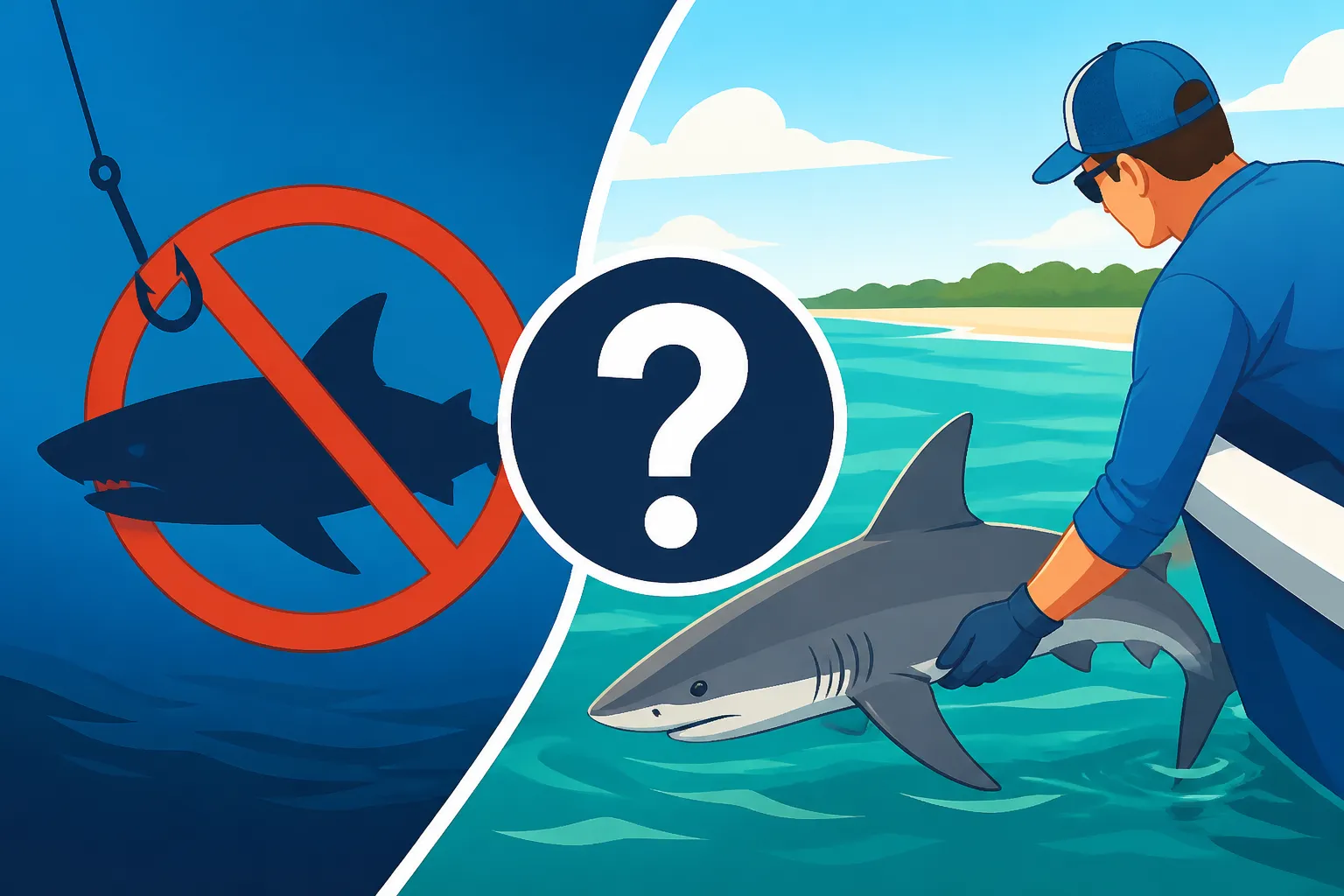
It’s a question that many enthusiastic anglers visiting Mississippi’s beautiful Gulf Coast ponder: when you’re out there battling a powerful shark, are you automatically committed to a catch-and-release scenario, or is there a chance you can bring one home? The reality is, Mississippi's shark fishing regulations aren't a simple yes or no; they involve a nuanced set of rules designed to balance the thrill of the catch with the vital need for conservation. This guide will walk you through the specifics of shark fishing in Mississippi, clarifying what's catch and release, what's not, and how to enjoy this exciting pursuit responsibly.
The General Rule for Shark Fishing in Mississippi Waters
When you head out to target sharks in Mississippi's coastal waters, it’s easy to assume that all sharks are strictly catch-and-release. After all, the majestic nature of these predators often leads to a desire to protect them at all costs. However, the truth is a bit more complex. While conservation is a significant focus, not every shark species you encounter is off-limits for harvest. Mississippi, like other coastal states, works with federal guidelines to manage shark populations, and these regulations can vary widely depending on the specific species. It’s absolutely crucial for every angler, from the seasoned veteran to the curious newcomer, to understand which sharks fall into the "release only" category and which have specific harvest limits. Failing to know the difference could lead to a hefty fine and a really disappointing day on the water.
Why Catch and Release is Often Encouraged for Sharks
Even for species where harvest is permitted, catch-and-release is often highly encouraged and for very good reasons. Sharks, unlike many other fish species, tend to grow slowly and mature late. They also have relatively few offspring, meaning their populations are much more vulnerable to overfishing. When you consider the life cycle of a shark, it becomes clear why every effort to release them unharmed is so important.
Think about a bull shark, for instance. A female might not reproduce until she's over a decade old, and then only produce a limited number of pups every couple of years. If too many of these mature breeding sharks are removed from the population, it can take many, many years for the numbers to recover, if they ever do. Mississippi Fishing Regulations Explained delves into the general framework for managing fish populations in the state, and sharks are certainly a prime example of species requiring careful management. Furthermore, many shark species play crucial roles as apex predators in their ecosystems, helping to maintain the health and balance of marine life. Removing too many can have cascading negative effects throughout the food chain. So, while the thrill of landing a big shark is undeniable, the long-term health of our oceans benefits immensely when anglers prioritize a careful and swift release.
Specific Regulations on Shark Species: Protected vs. Permitted
The distinction between protected and permitted shark species is where the rubber meets the road. You can't just keep any shark you catch; some are strictly off-limits. For example, species like Goliath Grouper or Atlantic Tarpon are often catch-and-release only in many areas, and the same applies to certain sharks. In Mississippi waters, species like the sand tiger shark, dusky shark, or great white shark are typically protected and must be released immediately and unharmed. These are often rarer species, or those identified as being particularly vulnerable.
On the other hand, there's a list of permitted shark species, often referred to as "recreational harvestable species," which can be kept if they meet specific size and bag limits. This typically includes species like blacktip, spinner, finetooth, and sometimes certain types of hammerheads or bull sharks, though these specific regulations can change. It's not enough to just know the species; you also need to know its length. If you're going after sharks, you absolutely need to have a current copy of the Mississippi Department of Wildlife, Fisheries, and Parks (MDWFP) saltwater fishing regulations, or check their website just before your trip. These rules are put in place not to frustrate anglers, but to ensure that the thrill of shark fishing remains sustainable for generations to come.
Understanding Shark Retention Limits and Permitted Species
Alright, so we've established that not all sharks are catch and release. Now let's talk about the ones you can keep and, more importantly, how you can keep them. This isn't a free-for-all, folks. The regulations around retaining sharks are pretty strict, and for good reason. It’s all about maintaining healthy populations while still allowing for recreational opportunities. If you’re planning on bringing a shark home, you absolutely need to be meticulous about checking the current rules, as they can be updated frequently by state and federal authorities.
What Sharks You Can Keep and When
The ability to keep a shark often hinges on two main factors: the specific species and its size. The MDWFP, in coordination with federal fisheries, classifies shark species into different management groups. For instance, "small coastal sharks" and "large coastal sharks" often have different rules. Generally, species like Blacktip Sharks, Finetooth Sharks, and Spinner Sharks are commonly found on the "can keep" list in Mississippi, provided they meet the minimum size requirements. Bull Sharks and certain Hammerhead species might also be permitted, but again, always verify.
It’s not just about identification; it's also about knowing if a particular species is subject to seasonal closures or special considerations. Sometimes, a species might be open for harvest for part of the year and then become catch-and-release only during its breeding season. This is why having your Mississippi Fishing Season Dates and Limits information handy is critical. These rules are designed to protect vulnerable periods in a shark's life cycle. If you're on a charter trip, your captain will be an invaluable resource, as they are typically well-versed in the very latest regulations. However, as an angler, the ultimate responsibility for knowing and following the rules falls on you.
Size and Bag Limits: It's Not a Free-for-All
Even for permitted species, you’re not allowed to just haul in as many as you can or keep a shark of any size. There are strict size limits and bag limits in place. A "bag limit" refers to the maximum number of fish of a particular species or group that an individual angler can keep in a single day. For sharks, this is often quite restrictive, sometimes as low as one shark per person per day, or even one per vessel, depending on the species group. The "size limit" dictates the minimum length a shark must be to be legally harvested. This is often measured from the tip of the nose to the fork of the tail.
Here’s a simplified example of what you might see, but remember, these are illustrative and you must check current MDWFP regulations:
| Shark Type | Typical Bag Limit (per person/vessel) | Illustrative Minimum Size Limit (inches) | Special Notes |
|---|---|---|---|
| Blacktip, Finetooth, Spinner | 1 per person or 1 per vessel (whichever is less) | 54 inches (fork length) | Often grouped as 'Small Coastal Sharks' |
| Bull, Lemon, Tiger Sharks | 1 per vessel | 64 inches (fork length) | May have additional federal restrictions |
| Great Hammerhead, Scalloped Hammerhead, Smooth Hammerhead | 1 per vessel (with specific length limits) | 78 inches (fork length) | Can be heavily regulated due to conservation concerns |
| Sandbar Shark | Catch & Release ONLY | N/A | Federally prohibited for recreational harvest |
| Other Protected Species | Catch & Release ONLY | N/A | Immediate release required |
Always confirm current regulations with the Mississippi Department of Marine Resources or MDWFP before fishing.
The purpose of these limits is clear: to ensure that enough sharks survive to reproduce and maintain healthy populations. Harvesting only larger, mature sharks, for example, allows younger sharks to grow and contribute to the population before being potentially caught. Understanding Mississippi Fishing Creel and Size Limits is essential for all anglers, not just those targeting sharks. Ignoring these rules can result in significant penalties, including fines and the loss of your fishing privileges. Reputable charter companies, which you can often find listed on platforms like FishingBooker, will always operate strictly within these legal parameters, which is a good reason to choose a professional guide for shark fishing.
Best Practices for Ethical Shark Fishing and Release
Okay, so whether you're planning on keeping a legally harvestable shark or releasing one that's protected, ethical angling practices are paramount. Shark fishing, by its very nature, involves powerful animals that demand respect and careful handling. Minimizing stress and injury to the shark, especially if it's going to be released, is not just good practice—it's essential for conservation and the future of the sport. Every angler has a responsibility to ensure that the experience is as humane as possible.
Gear Considerations for Minimizing Harm
When you're rigging up for sharks, your gear choices are incredibly important. You’re not just trying to land the fish; you're also trying to ensure its well-being. The first rule of thumb is to use appropriately heavy tackle. This means a strong rod, a reel with a good drag system, and line that's robust enough to handle the fight without unduly prolonging it. A long fight can exhaust a shark, making its chances of survival post-release much lower. If you’re targeting big sharks with light gear, you’re doing a disservice to the fish.
Next, let's talk about hooks. Circle hooks are your best friend when shark fishing. Unlike J-hooks, which can often be swallowed and cause internal damage, circle hooks are designed to hook in the corner of the shark's mouth. This greatly increases the chances of a clean, external hookset, making unhooking much easier and less traumatic for the fish. In many areas, circle hooks are actually mandated by law for shark fishing, so be sure to check your Mississippi Freshwater Fishing Rules or saltwater specific guidelines. Heavy leaders, often made of monofilament or fluorocarbon, are also crucial. Not only do they prevent the shark’s sharp teeth from cutting your line, but they also give you a strong point to safely grab the leader for control during the release process. A long pair of pliers or bolt cutters should also be part of your gear, specifically for cutting the hook if it's deeply set and cannot be easily removed, or to aid in unhooking.
Safe Handling and Release Techniques
Once you've got a shark alongside the boat, the real work of safe handling and release begins. The goal is to get the fish back in the water quickly and with as little stress as possible. Avoid bringing the shark into the boat unless you absolutely must for documentation (e.g., if it's a legal keeper and you need to measure it). Even then, keep it on a wet surface, protect its eyes, and work quickly.
For sharks you're releasing, try to keep them in the water as much as possible. If you need to bring it close to the boat, use a dehooking tool or a long pair of pliers to remove the hook while the shark is still in the water. If the hook is deeply swallowed or cannot be easily removed, it's often better to cut the leader as close to the hook as possible. Circle hooks, being made of carbon steel, will typically rust out over time, causing minimal harm. Avoid lifting large sharks by their tails alone, as this can cause internal damage. Support their body weight if possible, or use a tail rope to guide them.
When releasing, ensure the shark is revived. If it seems sluggish, hold it gently by the tail and jaw in the water, facing into the current or moving the boat slowly forward to force water over its gills. This helps the shark regain oxygen and strength before swimming off. Seeing a healthy shark power away after a careful release is one of the most rewarding parts of ethical shark fishing. Always remember, the quicker and gentler the release, the better the shark's chances of survival. For those interested in expanding their fishing knowledge, topics like Choosing the Right Rod and Reel for Mississippi Fishing can provide further insights into equipping yourself properly for various species.
Where to Find Regulatory Information and Guided Trips
Navigating the world of shark fishing regulations can feel like a maze, but thankfully, there are clear paths to accurate information and experienced professionals who can guide you. It's not just about knowing the rules; it's about making sure you're operating within the legal framework and contributing to responsible fishing practices.
Official Resources for Current Regulations
The single most authoritative source for current shark fishing regulations in Mississippi is the Mississippi Department of Marine Resources (MDMR) and the Mississippi Department of Wildlife, Fisheries, and Parks (MDWFP). While MDWFP generally handles freshwater, MDMR is the primary authority for saltwater regulations. These agencies publish annual fishing digests and update their websites with any changes. Before every shark fishing trip, you should make it a habit to:
- Visit the MDMR Website: Look for their recreational fishing regulations section. They will have detailed information on shark species, legal gear, size limits, and bag limits.
- Check for Federal Regulations: Many shark species are also managed by federal agencies, like the National Oceanic and Atmospheric Administration (NOAA) Fisheries, especially in federal waters (beyond state territorial limits). MDMR regulations will often align with or incorporate these federal guidelines.
- Download the Current Fishing Digest: Most states provide a downloadable PDF or an interactive online version of their latest fishing regulations. Keep a copy on your phone or print one out.
Remember, laws can change. What was legal last year might not be this year, or even next month. Don't rely on word-of-mouth or outdated information. Take responsibility for knowing the most current rules. If you're planning any fishing trip in the state, whether it's for sharks or speckled trout, always check the current Mississippi Fishing License Guide to ensure you're properly licensed, which is your first step to legal angling.
Booking a Shark Fishing Trip with Knowledgeable Guides
If you're new to shark fishing, or just want to ensure you're going out with someone who lives and breathes the regulations, booking a guided trip is an excellent option. Professional fishing guides and charter captains are required to be licensed and stay current on all state and federal regulations. They have the right gear, the experience to handle sharks safely, and the expertise to put you on fish while adhering to all conservation guidelines.
When you're looking for a shark fishing charter on the Mississippi Gulf Coast, consider using platforms like FishingBooker. This service helps connect anglers with reputable charter captains who specialize in various types of fishing, including shark excursions. You can often see reviews, details about their boats and gear, and what species they target. A good charter captain will not only ensure you have a thrilling experience but will also educate you on proper identification, measuring techniques, and catch-and-release best practices. They’ll also have the necessary Mississippi Saltwater Sportfishing License for their vessel and clients, and will explain Does a Mississippi Fishing Charter Include the License? rules.
Choosing a guide found on FishingBooker or similar platforms can give you peace of mind that you're fishing with a professional who understands the local ecosystem and the importance of responsible angling. They can teach you how to identify different shark species, which ones are protected, and how to measure a shark accurately for compliance. This makes for a much more enjoyable, educational, and legal fishing adventure. So, whether you’re heading out for deep sea fishing in Mississippi or sticking closer to shore for a different kind of challenge, a knowledgeable guide is always a smart investment.
Disclaimer
This article is for general informational purposes only and does not constitute professional advice. Laws, prices and regulations vary by location and change over time. Consult a qualified professional for guidance on your specific situation.