Ross Barnett Reservoir Fishing Guides
Let's be real, stepping onto a vast body of water like the Ross Barnett Reservoir for the first time, or even the tenth time, can feel like trying to find a needle in a haystack – especially when you're after specific fish. It's easy to get overwhelmed by the sheer size and all the variables, from water levels to weather patterns. This comprehensive guide is here to shed light on how a professional fishing guide on Ross Barnett Reservoir can turn a potentially frustrating day into a memorable, successful outing, simplifying the complexities so you can just enjoy the fishing.
Why Consider a Fishing Guide on Ross Barnett Reservoir?
You might be an experienced angler with years under your belt, or perhaps you're brand new to the sport. Either way, the "Rez" presents its own unique challenges. It’s not just a big lake; it’s a dynamic ecosystem with moods that change with the seasons, the weather, and even the time of day. Trying to decipher all that on your own can eat up precious fishing time and leave you scratching your head instead of reeling in fish. That's where a local expert truly shines.
Navigating a Large and Complex Lake
Ross Barnett Reservoir spans over 33,000 acres, boasting miles of shoreline, countless creeks, stumps, channels, and submerged structures. It’s a labyrinth of fishing opportunities, but also a place where you can spend an entire day crisscrossing without a single bite if you don't know where to look. Imagine trying to find a specific brush pile or a subtle channel swing in water you've never fished before – it’s a monumental task.
A guide knows these waters intimately. They know the subtle contours, the hidden hazards, and the best routes to get to prime fishing locations efficiently and safely. They've spent years, sometimes decades, learning the nuances of the reservoir, from navigating the often-treacherous stump fields in the upper reaches to understanding the deep-water haunts near the dam. This local knowledge isn't something you can easily glean from a map or a quick internet search; it's earned through countless hours on the water.
Beyond just knowing where to go, a guide understands when to go there. Fishing success isn't just about location; it's also about timing. They can tell you how the wind, current, and recent rain might affect specific areas and adapt on the fly, saving you from wasted hours in unproductive water. This expertise in reading the water and conditions is invaluable, particularly on a body of water as expansive and diverse as Ross Barnett.
Unlocking Local Knowledge and Hotspots
Every lake has its secrets, and Ross Barnett is no exception. While public fishing reports can offer general advice, nothing beats the real-time, hyper-local insights of a guide who's out there day after day. They're constantly scouting, tracking fish movements, and adapting their strategies based on current conditions. This means they know where the crappie are staging before the spawn, where the big bass are hiding during the summer heat, or which channels the catfish are running after a rain.
Think about it: you might get a tip about a good spot, but a guide will know why that spot is good right now, what bait is working best, and how the fish are likely positioned. They understand the patterns that emerge throughout the Mississippi Fishing Seasons Calendar and can quickly put you on fish when you might otherwise be struggling to figure things out. This isn't just about catching fish; it's about understanding the fishery itself.
They also have a deep understanding of the forage base and how it influences fish behavior. Whether it's the shad migration in the fall or the prevalence of bluegill in certain areas, a guide can translate these ecological factors into actionable fishing strategies. This kind of nuanced understanding comes from experience and a true passion for the reservoir, allowing them to consistently find the bite even when conditions are tough.
Saving Time and Frustration
Let's be honest, we all have limited time for fishing. Spending a precious weekend or vacation day struggling to find fish, getting tangled in unfamiliar brush, or feeling lost on the water can quickly turn a fun outing into a frustrating one. A fishing guide eliminates much of that guesswork and stress, allowing you to focus on the joy of fishing.
From the moment you step onto their boat, all the logistics are handled. The guide provides the boat, often specialized equipment, and a deep understanding of the current bite. You don't have to worry about launching your boat, navigating, finding bait, or even tying the right knot. They streamline the entire experience, maximizing your time with a line in the water and minimizing the potential for frustration. This is especially beneficial for those visiting from out of state or new to boat fishing.
Furthermore, a guide can fast-track your learning curve. Instead of trial and error over multiple trips, you get immediate feedback and instruction. You'll learn effective techniques, how to read your electronics, and even subtle nuances of casting or presentation that would take months or years to master on your own. It's an investment not just in catching fish for a day, but in improving your skills for future trips. This guided experience can really accelerate your understanding of Bass Fishing Techniques for Mississippi Anglers or Crappie Fishing Techniques for Mississippi Lakes.
Types of Fishing Guides Available
Just like there are different types of fish in Ross Barnett Reservoir, there are different types of guides. Some are generalists, capable of putting you on a variety of species, while others are highly specialized, focusing their entire business on perfecting the techniques for one or two particular game fish. Knowing the difference can help you book the perfect trip for your angling goals.
Crappie Fishing Specialists
Crappie are arguably the most popular panfish in Ross Barnett Reservoir, drawing anglers from all over. These elusive "slab" crappie are a blast to catch, but they can be finicky. Crappie specialists have often dedicated their careers to understanding these fish, their seasonal movements, and the most effective techniques for targeting them. They are masters of the delicate touch required for crappie fishing.
These guides will typically employ a range of techniques, from spider rigging with multiple poles in open water to slow trolling jigs along contour lines or even dropping live minnows into dense brush piles. They'll have a deep knowledge of the reservoir's submerged timber, brush piles, and creek channels where crappie congregate. If your dream is to fill a cooler with some tasty Ross Barnett crappie, a dedicated crappie guide is your best bet. They understand how factors like water temperature affect Crappie Spawning and Egg Production and can guide you to productive areas accordingly.
They're also usually equipped with state-of-the-art electronics, including side imaging and forward-facing sonar, which are crucial for locating crappie schools and the cover they relate to. A crappie guide can teach you how to read these electronics, offering insights into interpreting structure and fish arches. This specialized knowledge and equipment means a significantly higher chance of success compared to going it alone, especially if you're targeting specific areas like Ross Barnett Reservoir Crappie Fishing.
Largemouth Bass Experts
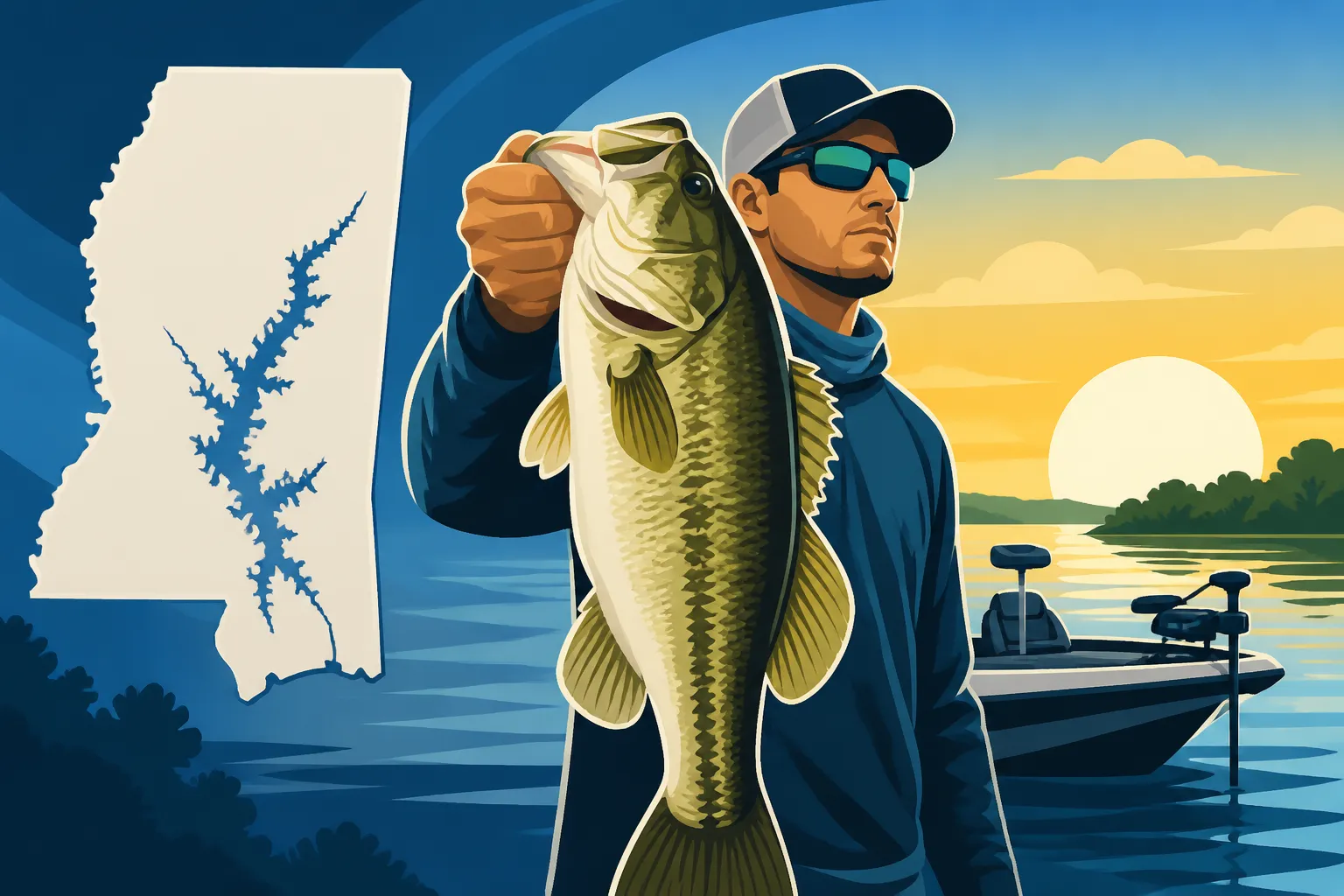
For many anglers, the thrill of a hard-fighting largemouth bass is what fishing is all about. Ross Barnett is renowned for its fantastic largemouth bass fishery, producing some truly impressive fish. Bass experts on the reservoir are often competitive tournament anglers or lifelong bass fanatics who know every trick in the book for coaxing these apex predators to bite.
These guides excel at patterning bass, understanding how they relate to different types of structure and cover throughout the year. Whether the bass are shallow in the lily pads, suspended over deep points, or hunkered down in creek channels, a good bass guide will have a strategy. They'll be proficient in a wide array of techniques, from flipping and pitching heavy jigs into dense cover to throwing topwater frogs over matted grass or cranking deep ledges. They can teach you how to effectively fish specific baits and present them in a way that triggers a strike.
A bass guide often focuses on trophy potential, helping you understand the nuances of Largemouth Bass Size and Growth in Mississippi and how to target bigger fish. They can guide you to famous bass hotspots like Pelahatchie Bay or lesser-known areas that consistently produce. If you're looking to improve your bass fishing skills or land that personal best largemouth, spending a day with a bass expert on Ross Barnett can be an incredibly rewarding experience. They often have insights into particular areas like Where to Catch Bass at Ross Barnett Reservoir.
Catfish and Other Species Guides
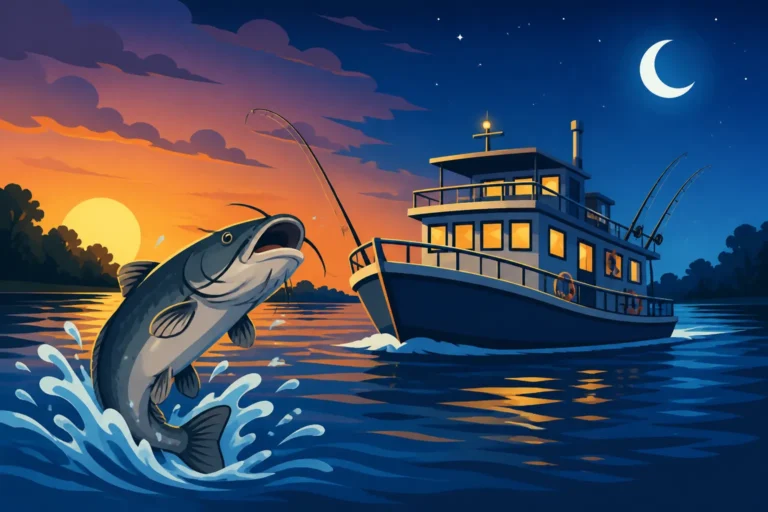
While crappie and bass often grab the headlines, Ross Barnett Reservoir is also home to a fantastic catfish population, including channel, blue, and flathead catfish. Some guides specialize in targeting these powerful bottom-dwellers, offering a different kind of angling adventure. Catfish guides typically employ techniques like drift fishing with cut bait, anchoring on river channels, or setting trotlines or jug lines (where legal and permitted).
These guides know the deep holes, channel swings, and current breaks where big catfish congregate. They understand the best baits for different species and conditions, from fresh cut shad for blues to live perch for flatheads. A catfish trip can be a more laid-back affair, but don't let that fool you – reeling in a trophy blue cat from the Rez can be an epic battle. For those looking for a strong fight and a delicious meal, a catfish guide offers a unique and enjoyable experience.
Beyond the main three, a few guides might offer trips targeting other species, such as bream (bluegill and redear sunfish) or even the elusive striped bass that can be found in certain parts of the reservoir. While less common, these specialized trips cater to anglers with very specific interests. Always clarify with your potential guide what species they primarily target and what kind of experience you're looking for before booking.
What to Expect from a Ross Barnett Reservoir Guide Trip
So, you've decided to book a guide – excellent choice! But what does a typical day look like? What's included, and what should you prepare for? Knowing what to expect can help you make the most of your investment and ensure a smooth, enjoyable outing.
Typical Trip Inclusions
When you book a fishing guide on Ross Barnett Reservoir, you're not just paying for a boat ride; you're paying for expertise, equipment, and a curated fishing experience. Generally, a guide trip will include the boat, fuel, and all necessary fishing tackle. This means rods, reels, line, and a variety of lures and baits tailored to the target species and current conditions. You won't need to bring your own gear unless you specifically prefer to.
Most guides also provide a cooler with ice, so you can bring your own drinks and snacks. Some might even offer bottled water as part of the package. Life jackets will always be provided, especially for children, as safety is paramount. The guide will also typically handle the cleaning and bagging of your catch at the end of the day, making it easy for you to take your fish home. It's these small details that truly enhance the overall experience and allow you to focus solely on the fishing.
What's usually not included is your fishing license and gratuity for the guide. You'll need to secure your Mississippi Fishing License Guide ahead of time. While some charter boats on the coast have a blanket license, freshwater guides operate differently, and each individual angler needs their own. It's always a good idea to confirm these details when you book your trip, ensuring there are no surprises on the day of your outing.
A Day on the Water: What it Looks Like
Your guided trip will typically start early in the morning, often at first light, to take advantage of prime fishing hours. You'll meet your guide at a pre-arranged boat ramp or marina on Ross Barnett Reservoir. After a brief introduction and safety talk, you'll head out onto the water. The guide will have already scouted conditions and have a plan for the day, but they're also adaptable, ready to change locations or techniques if the fish aren't cooperating.
During the trip, the guide will actively work to put you on fish. This might involve constantly moving to new spots, positioning the boat perfectly, or demonstrating different retrieve methods. They'll also provide instructions, tips, and insights, acting as your personal fishing coach. Expect to learn a lot about the reservoir, fish behavior, and effective techniques. It's not just about catching fish, but about the process and the education that comes with it.
Depending on the length of your trip (half-day, full-day, etc.), you might break for a quick snack or lunch on the water. Towards the end of the trip, you'll head back to the ramp, where the guide will clean your fish. This is also a great time to ask any final questions and perhaps schedule a follow-up trip! Understanding what to wear on the boat is also key, as conditions can change rapidly on the water.
Boat and Equipment Considerations
Fishing guides on Ross Barnett Reservoir typically operate well-maintained boats specifically outfitted for fishing. For crappie and bass, you'll often find them using spacious bass boats or versatile bay boats equipped with powerful outboard motors and advanced electronics like GPS, fish finders, and trolling motors. These boats are designed for comfort, stability, and efficiency on a large inland lake.
For catfish trips, guides might use larger, more stable center console boats that can handle heavier currents and larger fish. Regardless of the target species, expect a boat that is clean, safe, and equipped with all the necessary safety gear, including life vests, first-aid kits, and navigation lights. Many guides take pride in their vessel, ensuring it's a comfortable and productive platform for their clients.
The fishing tackle provided will also be top-notch. Guides invest in quality rods and reels that are matched to the specific species and techniques they employ. This means sensitive crappie rods for detecting light bites, stout bass rods for muscling fish out of cover, or heavy-duty catfish rods for battling giants. They'll have a vast selection of lures, baits, and terminal tackle, ensuring they have exactly what's working on any given day. You don't need to worry about bringing your own; the guide has you covered.
Choosing the Right Guide for Your Needs
With several excellent guides operating on Ross Barnett Reservoir, how do you pick the one that's right for you? It's not just about finding someone available; it's about finding a guide whose expertise, personality, and trip style align with your expectations.
Experience and Reputation Matters
When looking for a guide, experience is often a key indicator of consistent success and safety. A seasoned guide will have a deeper understanding of the reservoir's seasonal patterns, fish behavior, and how to adapt to changing conditions. They've likely seen it all – high water, low water, extreme heat, cold fronts – and know how to find fish no matter the challenge. Don't be shy about asking how long they've been guiding on Ross Barnett specifically.
Reputation goes hand-in-hand with experience. Look for guides with positive reviews and testimonials. Platforms like FishingBooker often feature reviews from past clients, providing valuable insights into a guide's professionalism, fishing success, and overall demeanor. Word-of-mouth recommendations from local tackle shops or fellow anglers are also incredibly helpful. A guide with a strong reputation is one who consistently delivers positive experiences for their clients.
Think about what kind of success you're hoping for. Are you chasing a trophy fish, or simply looking to catch a lot of fish for a fish fry? Some guides might specialize in quantity, while others focus on quality. Be clear about your goals when researching, as a guide's reputation often reflects their area of expertise. Learning more about Mississippi Fishing Guide License Requirements can also give you peace of mind that you're booking a legitimate professional.
Matching Your Target Species and Style
As we've discussed, some guides specialize in crappie, others in bass, and some in catfish. Before you even start looking, decide what kind of fishing experience you're after. Do you want to feel the thump of a big bass on a Texas rig? Or are you hoping to fill a cooler with crappie for a family meal? Once you know your target species, you can narrow down your search to guides who are experts in that particular fishery.
Beyond species, consider your preferred fishing style. Do you enjoy active casting all day, or would you prefer a more relaxed approach like spider rigging for crappie or drift fishing for catfish? Some guides are excellent at teaching specific techniques, making them perfect for beginners or those looking to expand their skill set. Others might be more focused on simply putting a seasoned angler on fish using their preferred methods. Communicate your preferences clearly during the booking process to ensure a good match.
If you're bringing children or new anglers, look for guides who emphasize patience and a family-friendly atmosphere. Not all guides are equally adept at teaching or entertaining younger guests, so finding one with a reputation for being great with kids can make a huge difference in their enjoyment of the trip. Many guides are passionate about introducing new generations to the sport.
Communication and Personality Fit
A guided fishing trip is often several hours spent in a relatively small boat with another person. Therefore, the guide's personality and communication style are incredibly important for a positive experience. You want someone who is friendly, patient, knowledgeable, and genuinely enjoys spending time on the water with clients.
When you first contact a potential guide, pay attention to their responsiveness and clarity. Do they answer your questions thoroughly? Are they easy to talk to? A good guide will take the time to understand your expectations and clearly explain what they can offer. This initial interaction can tell you a lot about whether your personalities will mesh well on the water.
Ultimately, you want a guide who is not only a great angler but also a great host. Someone who can share stories, provide insights without being condescending, and make you feel comfortable and engaged throughout the day. While FishingBooker can help you find guides and read reviews, a quick phone call can often give you the best sense of a guide's personality and whether they're the right fit for your group.
Preparing for Your Guided Trip
Once you've booked your guide, a little preparation on your part can go a long way in ensuring a successful and enjoyable trip. This isn't just about what you bring, but also understanding the practicalities and etiquette of a guided outing.
What to Bring: Essentials and Extras
Even though your guide provides most of the fishing gear, there are several essential items you should bring to ensure your comfort and safety on Ross Barnett Reservoir. Sun protection is paramount in Mississippi, regardless of the season. Bring sunscreen (preferably non-spray to avoid getting residue on the boat's surfaces, which can make them slick), sunglasses (polarized if you have them, as they help you see into the water), and a wide-brimmed hat.
Appropriate clothing is also crucial. Dress in layers, as mornings can be chilly even if the afternoon turns warm. Rain gear, even if the forecast looks clear, is always a good idea – Mississippi weather can be unpredictable. Comfortable, non-slip shoes are a must for safety on the boat. Don't forget any personal medications you might need.
For snacks and drinks, bring what you like to keep you fueled throughout the day. Your guide will likely have a cooler with ice, so you just need to pack your items. If you have a specific lucky lure or a favorite rod you want to try, ask your guide if it's okay to bring it along. Most are happy to accommodate, as long as it doesn't interfere with their primary setup.
Understanding Licensing Requirements
This is a big one and something you absolutely cannot overlook. Every angler aged 16 and older needs a valid Mississippi fishing license to fish on Ross Barnett Reservoir. Your guide will not be able to provide one for you, and fishing without one can result in significant fines. It's crucial to purchase your license well in advance of your trip.
You can typically purchase a How to Buy a Mississippi Fishing License Online through the Mississippi Department of Wildlife, Fisheries, and Parks (MDWFP) website. There are various options, including annual resident or nonresident licenses, as well as shorter-term licenses like 1-day or 3-day options which can be perfect for visitors. Make sure to purchase the correct license type for freshwater fishing.
It's also wise to carry a physical or digital copy of your license with you on the boat, just in case a game warden checks. Your guide will likely remind you of this, but it’s ultimately your responsibility. Being prepared with your license means one less thing to worry about on the morning of your trip, ensuring a smooth start to your fishing adventure. For more details, check out Mississippi Fishing License Guide.
Tipping Etiquette and Appreciation
Tipping your fishing guide is standard practice and a way to show your appreciation for their hard work, expertise, and effort. Guides rely on tips as a significant part of their income, similar to service industry professionals. While there's no strict rule, a common guideline is to tip 15-20% of the total trip cost for a good experience. If the guide went above and beyond, or if you had an exceptional day, a larger tip is always welcome.
Consider the effort involved: the guide spent time preparing for your trip, scouting, maintaining their boat and equipment, and then working hard all day to put you on fish. They often clean the fish afterward, too. Even on days when the fish aren't biting as well, if the guide worked tirelessly, shared their knowledge, and made the experience enjoyable, a good tip is still deserved.
Presenting the tip directly to the guide in cash at the end of the trip is usually preferred. It's a personal gesture of gratitude and ensures they receive the full amount. Don't be shy about asking your guide if you're unsure about the local tipping customs, though most will simply be gracious for whatever you offer. It’s a small way to acknowledge the value they add to your fishing experience.
Booking Your Ross Barnett Reservoir Guide
With your preparations in mind, it's time to talk about the actual booking process. How do you find a guide, what does it cost, and what information do you need to confirm?
Online Platforms and Direct Booking
The digital age has made finding and booking fishing guides much easier than in the past. Online platforms have become popular tools for connecting anglers with guides. For instance, FishingBooker is a well-known platform where you can search for fishing guides on Ross Barnett Reservoir, view their profiles, check availability, compare prices, and read client reviews. This can be a great starting point, especially if you're not familiar with the local guide scene.
Many guides also have their own websites or active social media pages where you can find information, photos of recent catches, and direct contact details. Booking directly with a guide can sometimes offer more flexibility in terms of trip customization or scheduling, and it allows for direct communication before you commit.
Regardless of whether you use an online platform or book directly, it’s always a good idea to communicate directly with the guide beforehand. This allows you to ask specific questions about the trip, discuss your expectations, and ensure you're both on the same page. This initial conversation is crucial for a successful outing.
Understanding Availability and Pricing
Fishing guides are popular, especially during peak seasons like the spring crappie spawn or prime bass fishing months. It's highly recommended to book your guide well in advance, sometimes several weeks or even months ahead, particularly if you have specific dates in mind or are traveling during a busy holiday period. Waiting until the last minute can lead to disappointment, as the best guides often get booked up quickly.
Regarding pricing, the Ross Barnett Reservoir Fishing Guide Cost can vary depending on several factors: the length of the trip (half-day, full-day), the number of anglers, and the guide's experience and reputation. Longer trips for more people will naturally cost more. Always confirm the total price, what's included, and any potential extra costs (like live bait if it's not specified).
Most guides will require a deposit to secure your booking, with the remaining balance due on the day of the trip. Understand their cancellation policy, especially regarding weather. Reputable guides will have a clear policy for rescheduling or refunds in case of unsafe weather conditions. Make sure you're comfortable with these terms before confirming your reservation.
| Trip Type | Duration | Typical Inclusions (Generally) | Key Considerations |
|---|---|---|---|
| Half-Day | 4-5 hours | Boat, fuel, tackle, guide's expertise, fish cleaning, cooler with ice (for your items) | Great for beginners, families, or a quick morning/afternoon trip |
| Full-Day | 7-9 hours | All half-day inclusions, more fishing time, often more ground covered | Maximize chances for various spots/species, more comprehensive learning |
| Specialized | Varies | Specific gear for target species (e.g., spider rigging setup for crappie) | Targeted experience for specific fish, might be longer/shorter |
Note: Specific prices and inclusions vary by guide. Always confirm details directly with your chosen guide before booking.
Confirming Your Reservation Details
Once you've chosen your guide and discussed the details, ensure you receive a clear confirmation of your reservation. This should include the date and time of your trip, the agreed-upon meeting location (a specific boat ramp, marina, or even a local landmark), the total cost, and any deposit paid. It's also wise to get the guide's direct phone number in case you need to contact them on the day of the trip for any reason.
Double-check the number of anglers confirmed for your trip. Most guides price their trips based on a certain number of people (e.g., 1-2 anglers), with an additional charge for each extra person up to their boat's capacity. Make sure these details are accurate to avoid any confusion or unexpected charges.
A day or two before your trip, it's a good practice to send a quick message or make a call to your guide to reconfirm everything. This helps to ensure there are no last-minute misunderstandings and allows the guide to provide any updated information regarding weather, water conditions, or a slight change in meeting time. This simple step can prevent a lot of potential headaches and sets the stage for a smooth day on the water.
Maximizing Your Guided Fishing Experience
Booking a guide is just the first step. To truly get the most out of your time on Ross Barnett Reservoir, approach the trip with an open mind and a willingness to engage. This is your chance to learn, improve, and create lasting memories.
Active Learning and Asking Questions
One of the greatest benefits of hiring a guide is the opportunity to learn from an expert. Don't just sit back and reel in fish; engage with your guide! Ask questions about why they're fishing a particular spot, what kind of structure they're targeting, or how they're presenting the bait. Inquire about their choice of lures, lines, and knots. This is your chance to pick their brain and gain insights you might not get anywhere else.
A good guide loves to share their knowledge and passion. Ask about the seasonal patterns, how to Read a Fish Finder for Crappie, or Best Water Temperature for Crappie Fishing. Even if you consider yourself an experienced angler, there's always something new to learn from someone who spends hundreds of days a year on the same body of water. Take mental notes or even jot down key takeaways after the trip. This active learning approach will not only enhance your current trip but also make you a better angler in the long run.
Pay attention to their techniques, from how they cast to how they work a lure. Observe how they read their electronics and interpret the conditions. Don't be afraid to ask for help or clarification if you're struggling with a particular presentation. Remember, they are there to help you succeed and learn.
Practicing Catch and Release or Keeping Your Catch
Before your trip, discuss your preferences regarding keeping or releasing fish with your guide. Ross Barnett Reservoir has specific Mississippi Fishing Creel and Size Limits for different species, and your guide will always adhere to these regulations. If you're hoping for a fish fry, let your guide know so they can help you keep legal fish. If you prefer to practice catch and release, especially for trophy-sized fish, communicate that as well.
Many anglers enjoy the thrill of catching a big fish and then releasing it to fight another day, contributing to the health of the fishery. Guides are often passionate about conservation and will be happy to assist with proper handling techniques for releasing fish safely. They can show you how to quickly unhook, handle, and release fish with minimal stress, increasing their chances of survival.
If you plan to keep fish, your guide will clean and bag them for you at the end of the trip. Bring a separate cooler to transport your fillets home. Be mindful of the limits – a guide will never allow you to keep more than the legal daily creel limit, so respect the regulations set forth by the MDWFP. This ensures sustainable fishing for everyone.
Following Up and Future Trips
After your guided trip on Ross Barnett Reservoir, consider leaving a review for your guide on platforms like FishingBooker or their personal website. Sharing your positive experience helps other anglers find reputable guides and acknowledges the guide's hard work. If you captured some great photos of your catch, consider sending them to your guide; they often appreciate seeing their clients' success and using them for their own promotional materials.
If you had a fantastic time and are already thinking about your next outing, don't hesitate to book another trip with the same guide. Building a relationship with a guide can lead to even better experiences in the future, as they'll get to know your preferences and skill level. They might even offer you insights or suggestions for improving your fishing between trips.
Even if you don't book immediately, staying in touch or following their social media can keep you informed about current fishing conditions, hot bites, and available dates. A great guided trip isn't just a one-time event; it can be the start of a long and rewarding connection with the waters of Ross Barnett Reservoir and the passionate professionals who help us explore them.
Common Fish Species Targeted by Guides on Ross Barnett
While many species call Ross Barnett home, guides typically focus on the most popular and abundant game fish that provide consistent action and trophy potential. Understanding these key species will help you communicate your fishing goals to your guide.
Targeting Trophy Largemouth Bass
The largemouth bass is undeniably the king of freshwater game fish for many anglers, and Ross Barnett Reservoir consistently ranks among Mississippi's top bass fisheries. Guides here are expert at finding and enticing these aggressive predators. Bass fishing on the Rez can be incredibly diverse, ranging from shallow-water power fishing in dense hydrilla or lily pads to deep-water finesse presentations on offshore ledges and humps.
A guide targeting trophy bass will often focus on specific patterns and locations known to hold larger fish. This might involve throwing big swimbaits, deep-diving crankbaits, or flipping heavy jigs into thick cover. They understand how factors like the Best Barometric Pressure for Fishing or the nuances of the Mississippi Spring Fishing Guide affect bass behavior. The goal isn't just to catch numbers, but to find that one exceptional fish that truly makes a trip memorable.
You'll learn about reading the water for subtle signs of bass activity, understanding the nuances of different lure presentations, and how to effectively use your electronics to pinpoint bass-holding structure. Whether you're a seasoned bass angler or looking to catch your first trophy, a guide specializing in largemouth bass on Ross Barnett can dramatically increase your chances of success. They can pinpoint Best Time of Year to Fish Ross Barnett Reservoir for big bass.
Finding Slab Crappie
Crappie, both white and black, are a beloved species on Ross Barnett, famous for their delicious table fare and challenging bite. "Slab" crappie, referring to exceptionally large individuals, are a common target for guides on the reservoir. These panfish are known for schooling up, and when a guide finds a school, the action can be fast and furious.
Crappie guides employ various tactics throughout the year. In spring, they might target shallow spawning areas in creeks and bays. During summer, crappie often move to deeper water, suspending over submerged brush piles or congregating in creek channels. Fall sees them chasing baitfish, and even in winter, guides can find them deep in predictable patterns. Techniques can range from tight-lining jigs or minnows vertically over structure to slow trolling multiple lines or "spider rigging."
A good crappie guide will have an intimate knowledge of the reservoir's submerged timber, artificial brush piles they've placed, and natural creek channels. They'll use their advanced electronics to locate these fish-holding structures and precisely position the boat. If you're looking for a consistent bite and a cooler full of fresh fish, a crappie guide on Ross Barnett is an excellent choice. You might even learn about Deep Water Crappie Fishing Techniques for the dog days of summer.
Chasing Big Catfish
For anglers who prefer a strong pull and a less finicky bite, the diverse catfish population of Ross Barnett Reservoir offers an exciting alternative. The reservoir is home to healthy populations of channel, blue, and flathead catfish, with some individuals reaching impressive sizes. Chasing these powerful fish provides a different kind of challenge and reward.
Catfish guides on Ross Barnett often focus on the main river channels, deep holes, and current breaks where these bottom-dwellers prefer to live. They might use heavy rods and reels, deploying fresh cut bait, live shad, or other traditional catfish baits. Techniques can include anchoring the boat and soaking baits in prime locations, drift fishing across flats, or checking trotlines or jug lines set in advance (where regulations allow).
A guided catfish trip is often a more relaxed experience, but don't underestimate the fight a big blue or flathead can put up. These guides know the subtle signs of a catfish bite and how to properly set the hook. If you're looking to put some serious bending in your rod and perhaps take home a substantial amount of delicious fish, a dedicated catfish guide on Ross Barnett Reservoir can provide an unforgettable experience. They often know the Best Bait for Catfish in Mississippi and the best times for a Night Fishing for Catfish adventure.
Disclaimer
This article is for general informational purposes only and does not constitute professional advice. Laws, prices and regulations vary by location and change over time. Consult a qualified professional for guidance on your specific situation.