Mississippi’s Official State Fish
It’s funny how we often take things for granted, isn't it? We live, work, and play in this beautiful state of Mississippi, perhaps even fish our hearts out every weekend, but do we truly know the official symbols that represent us? Many anglers, new and seasoned, might wonder if Mississippi even has a state fish, or which one it is, and why it holds such an honored spot. Well, you're in the right place, because this guide is all about diving deep into Mississippi's official aquatic emblem and celebrating its significance to our angling community and natural heritage.
The Pride of the Pond: Mississippi's Official State Fish
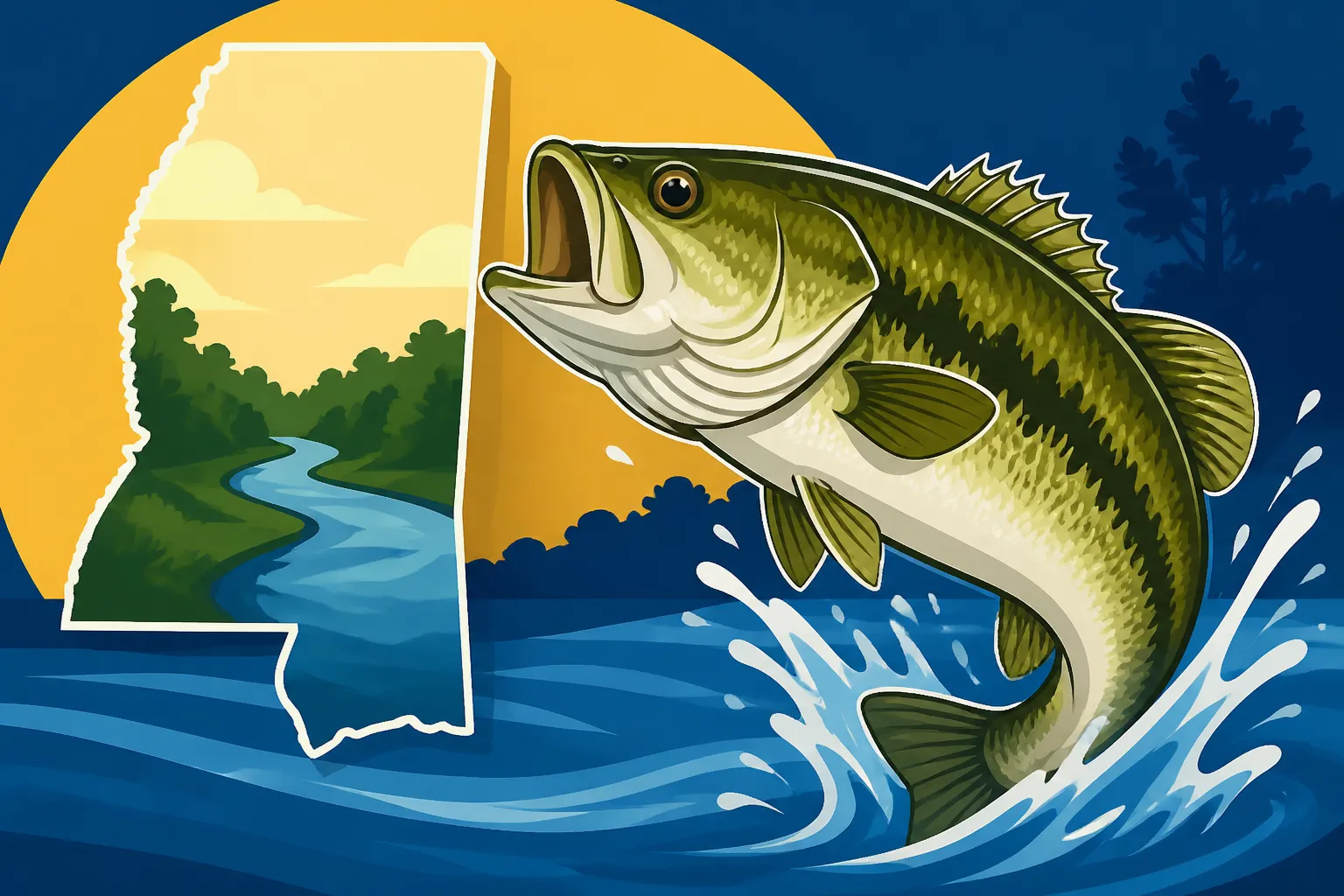
Every state has symbols that represent its unique culture, history, and natural beauty, and Mississippi is no different. From our state flower to our state bird, each emblem tells a story. When it comes to the underwater world, the choice for Mississippi's official state fish is one that resonates deeply with countless anglers across the Magnolia State: it's the Largemouth Bass. This wasn't just some arbitrary decision; it's a recognition of a species that has shaped our recreational identity and contributed significantly to our outdoor economy.
A Storied Designation for a Beloved Fish
The Largemouth Bass, known scientifically as Micropterus salmoides, received its official designation as Mississippi's state fish back in 1974. This wasn't a surprise to anyone who spends time on our lakes, rivers, and ponds. This fish isn't just common; it's iconic. It’s the target species for countless fishing tournaments, backyard pond adventures, and family outings that create lifelong memories. The designation solidified its place not just in our waters, but in our collective hearts, acknowledging its role as a premier game fish that brings joy and challenge to anglers of all skill levels. It's a symbol of the vibrant freshwater ecosystems we're so fortunate to have.
More Than Just a Symbol: An Economic and Cultural Driver
When we talk about the Largemouth Bass, we’re not just talking about a pretty fish that got a fancy title. This species is a powerhouse for Mississippi's economy and a cornerstone of our outdoor culture. Think about all the tackle shops, boat dealerships, bait stores, and even the local diners that thrive on the influx of anglers chasing these green monsters. Every time someone buys a new rod, a fresh pack of worms, or fills their boat with gas, the ripple effect of the Largemouth Bass is felt. It drives tourism to our larger reservoirs like Ross Barnett or Sardis Lake, bringing in visitors who spend money and support local businesses. For many Mississippians, fishing for bass is a rite of passage, a weekend tradition passed down through generations. It’s about spending quality time outdoors, teaching patience and respect for nature, and forging bonds that only time on the water can create. This fish isn't just part of our ecosystem; it's part of our identity.
Why the Largemouth Bass Holds Such Esteem in Mississippi
The decision to elevate the Largemouth Bass to state fish status wasn't made lightly. It was a testament to its pervasive presence, its angling popularity, and its overall contribution to the state's natural resources and recreational landscape. Other fish are popular, sure, but none quite capture the spirit of Mississippi freshwater fishing like the Largemouth.
Unparalleled Recreational Value
For recreational anglers in Mississippi, the Largemouth Bass is the undisputed king. There's a thrill that comes with feeling that distinctive "thump" on your line, setting the hook, and battling a powerful bass as it tries to throw your lure. These fish are known for their aggressive strikes and acrobatic jumps, making every catch an exciting experience. From the competitive world of bass tournaments, which draw anglers from all over the country to our lakes, to a quiet morning spent on a farm pond with a cane pole, the Largemouth provides endless opportunities for fun and challenge. It's accessible to everyone, whether you're a seasoned pro with a fully equipped bass boat or a kid casting from the bank. This widespread appeal is a major reason why it stands out. You can find excellent resources and even Bass Fishing Techniques for Mississippi Anglers to hone your skills for this prized species.
Significant Economic Impact on Local Communities
The Largemouth Bass is a significant economic engine for Mississippi. When anglers travel to fish, they don't just fish and leave. They stay in motels, eat in restaurants, buy groceries, and stock up on gear. Imagine a major bass tournament happening at Grenada Lake or Pickwick Lake. Hotels are booked solid, bait and tackle shops see a surge in sales, and local gas stations and convenience stores are bustling. This influx of money supports countless jobs and businesses, especially in smaller, rural communities that might otherwise struggle. The demand for fishing licenses, boats, motors, and all manner of tackle – from high-end rods and reels to simple plastic worms that you can easily find on Amazon – all contribute to a thriving industry centered around this single species. Organizations like the Mississippi Department of Wildlife, Fisheries, and Parks also benefit from license sales, which in turn fund conservation and stocking efforts, ensuring future generations can enjoy the same opportunities.
A Focus for Conservation and Habitat Preservation
Because the Largemouth Bass is so important both recreationally and economically, it naturally becomes a focal point for conservation efforts throughout the state. Maintaining healthy bass populations requires careful management of aquatic habitats. This means initiatives to improve water quality, protect critical spawning grounds, and manage invasive species that could impact bass health. Biologists continuously monitor bass populations, implement stocking programs where necessary, and set Mississippi Fishing Creel and Size Limits to ensure sustainable fishing practices. Anglers themselves play a crucial role by practicing catch-and-release, respecting size limits, and advocating for responsible environmental stewardship. It's a symbiotic relationship: we value the bass, so we protect its home, and in return, it continues to provide us with incredible fishing experiences. Learning about Largemouth Bass Diet and Feeding Habits can also help anglers understand the ecological role this fish plays.
Getting to Know the Largemouth Bass: Anatomy, Habitat, and Habits
To truly appreciate Mississippi's state fish, it helps to understand a bit more about the creature itself. The Largemouth Bass is a fascinating predator, perfectly adapted to its environment, and knowing its habits can significantly improve your chances of a successful day on the water.
Distinctive Physical Characteristics
The Largemouth Bass is easily recognizable by its elongated body, dark green to olive coloration, and a prominent lateral line that often appears as a dark, irregular stripe running along its sides. But the most defining feature, and the one that gives it its name, is its mouth. When closed, the upper jaw (maxillary) extends well beyond the rear edge of its eye, giving it that characteristic "largemouth" appearance. They have a spiny dorsal fin followed by a soft-rayed dorsal fin, which are usually separated by a noticeable notch. Their eyes are typically gold to olive, and their scales are large. These fish can vary widely in size depending on their age, diet, and habitat, but a healthy Largemouth is a strong, formidable opponent on the end of a line. For more on how they compare to other species, check out Largemouth Bass vs Spotted Bass Differences.
Preferred Habitats in Mississippi Waters
Largemouth Bass are masters of adaptation and can be found in a wide variety of freshwater environments across Mississippi. They thrive in warm, relatively clear to moderately stained waters. You'll find them in large reservoirs like Ross Barnett and Grenada, smaller state fishing lakes, slow-moving rivers and creeks, oxbow lakes, and even farm ponds. The key to finding them often lies in locating structure and cover. They love areas with submerged vegetation (lily pads, hydrilla, coontail), brush piles, fallen trees, docks, rock piles, and points. These areas provide ambush points for hunting prey, shade from the sun, and protection from predators. Shallow, murky areas might hold them during certain times, while deep, clear main lake points are ideal during others. Understanding Best Structure to Fish for Bass in a Reservoir is crucial for consistent success.
Diet and Feeding Habits of a Top Predator
As apex predators in their freshwater habitats, Largemouth Bass have a diverse and voracious diet. Juvenile bass start by eating zooplankton and insect larvae, but as they grow, their diet shifts dramatically. Adult Largemouth Bass primarily feed on smaller fish such as shad, minnows, bluegill, and even smaller bass. They also readily consume crayfish, frogs, snakes, and even small rodents or birds that fall into the water. They are opportunistic feeders, meaning they'll eat whatever is available and easy to catch. Their feeding behavior is heavily influenced by water temperature, time of day, and season. They are most active during dawn and dusk, or on cloudy days, using their keen eyesight and lateral line to detect vibrations from prey. This predatory nature is what makes them so much fun to catch on various lures and baits.
Strategies for Angling Mississippi's State Fish
So, you're ready to go out and try your luck for Mississippi's official state fish? Fantastic! Whether you're a beginner or a seasoned pro, there are always new tips and tricks to learn to increase your chances of landing a trophy Largemouth Bass.
Top Baits and Lures for Largemouth Bass
The world of bass fishing lures is vast and sometimes overwhelming, but a few standbys consistently produce results in Mississippi. Your choice often depends on the season, water conditions, and the specific habitat you're fishing.
| Lure Type | Description | Best Conditions | Retrieval Style |
|---|---|---|---|
| Plastic Worms | Soft plastic imitations of worms, often rigged Texas or Carolina style. | Versatile, great for cover, any depth. Ideal for finesse. | Slow drag, twitch, lift-drop. |
| Jigs | Lead head with a skirt, often paired with a soft plastic trailer. | Heavy cover, deep water, mimicking crawfish or baitfish. | Hop, drag, twitch. |
| Crankbaits | Hard-bodied lures with a bill that causes them to dive. | Open water, covering ground, targeting specific depths. | Steady retrieve, occasional twitch. |
| Spinnerbaits | Wire frame with one or more spinning blades and a skirted body. | Around cover, windy conditions, active fish. | Steady retrieve, stop-and-go. |
| Topwater Lures | Designed to float and create commotion on the surface (poppers, buzzbaits). | Low light, calm water, shallow areas. Exciting strikes! | Pop, walk-the-dog, buzz. |
| Swimbaits | Realistic soft or hard plastic baitfish imitations. | Clear water, targeting larger, more aggressive bass. | Steady retrieve, occasional pause. |
You can find a massive selection of these lures, along with tackle boxes and other essential gear, on Amazon. It's smart to have a diverse tackle box to adapt to different conditions. Experimenting with Best Bait for Largemouth Bass will definitely lead to more success.
Seasonal Strategies for Consistent Catches
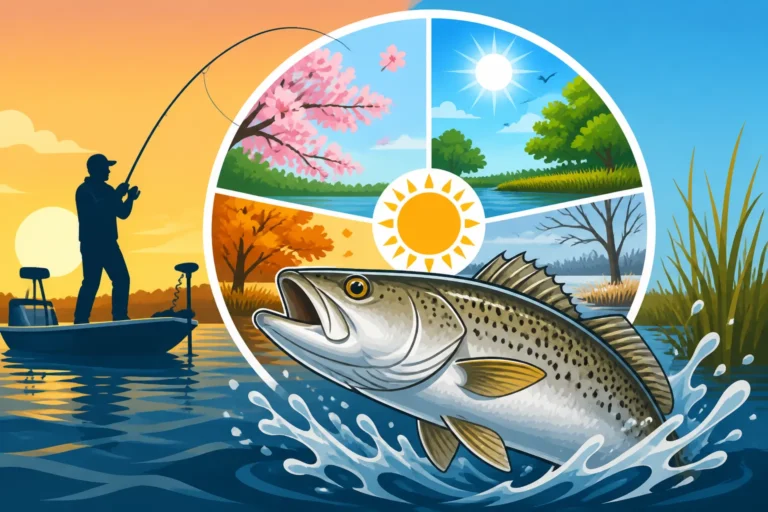
Largemouth Bass behavior changes significantly with the seasons, mainly due to water temperature and spawning cycles.
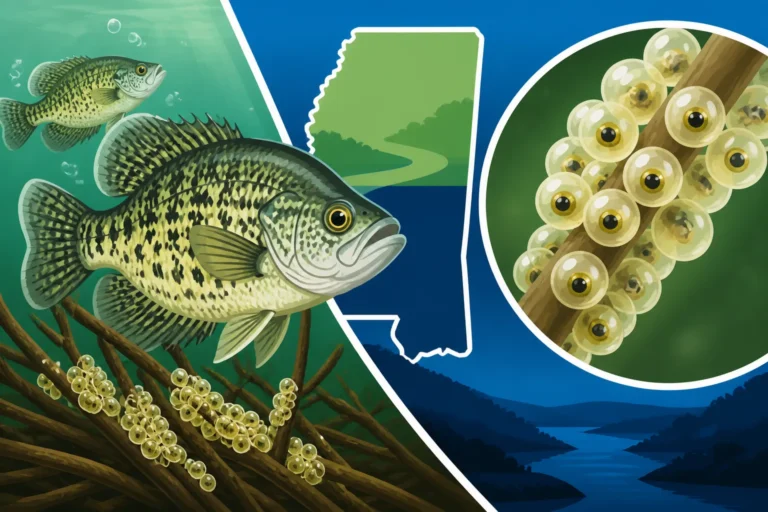
- Spring (Pre-spawn & Spawn): This is often considered prime time! As water temperatures rise into the 50s and 60s Fahrenheit, bass move to shallower waters to feed heavily before spawning. They'll be found around shallow cover, points, and coves. During the actual spawn (60-70 degrees), they'll be on beds, aggressively guarding their eggs. Soft plastics, jigs, and spinnerbaits are excellent choices. For deeper understanding, refer to When Do Bass Spawn in Mississippi?.
- Summer: The heat of Mississippi summer drives bass deeper during the day, often suspending over structure or hunkering down in thick vegetation where water is cooler and oxygen levels are stable. Early mornings and late evenings can see them move shallower. Deep-diving crankbaits, jigs, and slow-moving worms are effective. Night fishing for bass can also be incredibly productive during summer.
- Fall: As temperatures cool, bass become very active, feeding aggressively to build up reserves for winter. They'll often follow baitfish into creek arms and coves. Crankbaits, spinnerbaits, and topwater lures can be excellent during the fall shad run.
- Winter: Bass slow down significantly in colder water, becoming less active. They typically congregate in deeper holes, channels, and around significant vertical structure. Finesse techniques, like drop-shot rigs with small plastics or slow-jigging spoons, are often most effective. Patience is key in winter.
Always remember to consult local fishing reports and understand the specific patterns of the lake or river you're fishing. Different lakes might have slightly different peak seasons or techniques.
Essential Gear for the Dedicated Bass Angler
Having the right gear makes a huge difference in your bass fishing success and enjoyment. While you don't need the most expensive equipment to get started, quality gear can enhance your experience.
- Rods and Reels: A good medium-heavy action rod (6'6" to 7'6") paired with a baitcasting reel is preferred by many serious bass anglers for accuracy and power. Spinning gear with a medium-light to medium action rod is also very versatile, especially for lighter lures or for beginners. It's often recommended to have a few different setups for various techniques. If you're just starting, consider a good quality combo like those readily available on Amazon.
- Fishing Line: Monofilament, fluorocarbon, and braided lines all have their place. Monofilament is stretchy and forgiving, good for topwater. Fluorocarbon is nearly invisible underwater and has less stretch, ideal for crankbaits and jigs. Braided line is strong with no stretch, perfect for heavy cover and punching through vegetation.
- Tackle Box: A well-organized tackle box or bag is crucial for keeping your lures, weights, hooks, and tools easily accessible.
- Basic Tools: Don't forget essentials like needle-nose pliers for hook removal, line cutters, a fishing scale to weigh your catches, and a tape measure.
- Personal Comfort & Safety: Sunscreen, polarized sunglasses (essential for spotting fish and structure), a hat, appropriate clothing for the weather, and a life jacket are paramount. A good quality waterproof bag for your electronics and valuables can also be a lifesaver.
Whether you're exploring the vast Ross Barnett Reservoir Fishing Guide or a quiet local pond, having the right setup can greatly enhance your day chasing Mississippi's official state fish.
Disclaimer
This article is for general informational purposes only and does not constitute professional advice. Laws, prices and regulations vary by location and change over time. Consult a qualified professional for guidance on your specific situation.