What a Gizzard Shad Is Used For
You might look at a gizzard shad and wonder, "What in the world is that thing even for?" They’re silvery, deep-bodied, often overlooked, and sometimes even dismissed as a nuisance fish. But if you’re a serious angler here in Mississippi, someone always on the hunt for a true trophy catch, then overlooking the gizzard shad is a massive mistake. This guide is going to pull back the curtain on this unsung hero of our waterways, revealing exactly why and how gizzard shad are one of the most effective tools in your bait arsenal.
Gizzard Shad: More Than Just a Forage Fish
For many years, gizzard shad have quietly fueled the incredible fisheries we enjoy across Mississippi. While they might not be the prettiest fish in the lake or the biggest fight on the end of a line, their importance to the ecosystem and to successful angling simply cannot be overstated. Understanding their role is the first step in appreciating their value.
The Foundation of the Food Chain
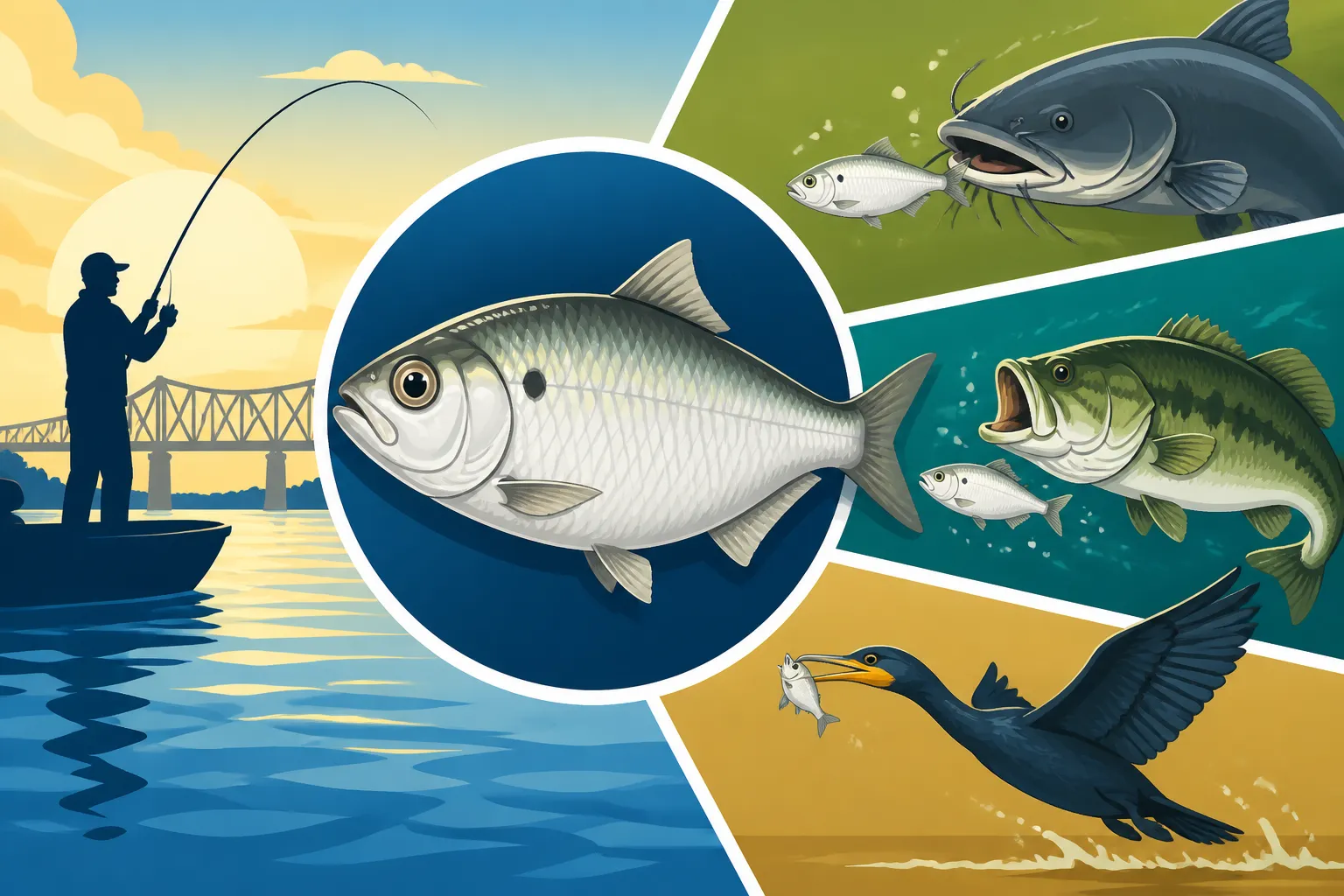
Imagine our lakes and rivers as bustling cities, and gizzard shad are the tireless workers keeping everything running. These fish are absolute prolific spawners, producing vast numbers of offspring each year, which means they are almost always abundant. This abundance makes them a primary food source for nearly every predatory game fish swimming in our waters – from the smallest crappie to the largest blue catfish, and especially those monster largemouth bass we all dream about. Think of it this way: if big fish are looking for an easy meal that's packed with protein and fat, gizzard shad fit the bill perfectly. Their presence often dictates where and when trophy fish will feed. Learning how to effectively use gizzard shad is essentially learning how to "match the hatch" with nature's own perfect bait, giving you an undeniable edge on the water.
Identifying Gizzard Shad
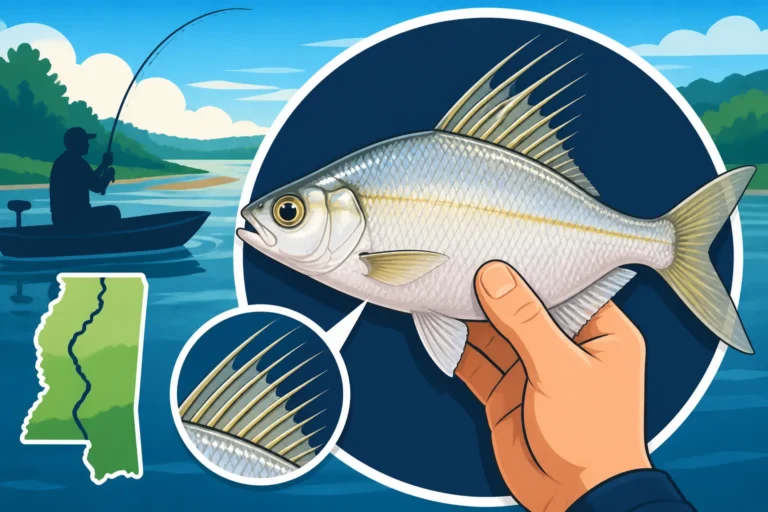
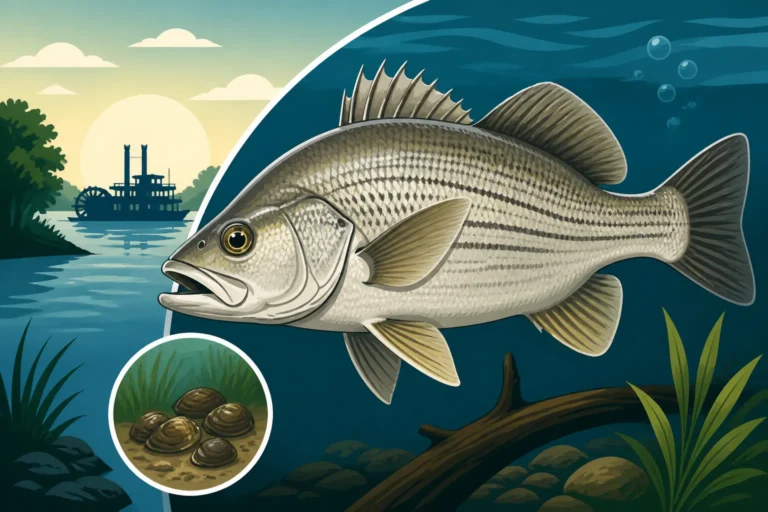
Before you can use them, you need to be able to spot them! Gizzard shad are fairly distinctive once you know what to look for. They have a deep, laterally compressed body, giving them a tall and thin profile. Their coloration is typically a silvery-white, sometimes with a slightly darker back, which helps them blend in with the open water they often inhabit. One of their most telling features is a long, whip-like last ray on their dorsal fin, which extends almost to their caudal fin (tail). They also have a small, toothless mouth adapted for filter-feeding plankton. You'll typically find them schooling in open water, often near the surface in the mornings or evenings, but they can also be found rooting around in muddy bottoms. If you've ever cast-netted in a Mississippi lake or river, chances are you've pulled up a net full of these guys.
Primary Uses of Gizzard Shad in Mississippi Fishing
Now for the exciting part: how do we turn this abundant forage fish into a secret weapon? Gizzard shad excel as both live bait and cut bait, each method targeting different species and fishing scenarios.
Live Bait for Trophy Fish
When it comes to targeting those truly enormous game fish, there's very little that can rival the appeal of a struggling, live gizzard shad. The natural swimming action, the frantic vibrations, and the sheer size of the bait can trigger strikes from fish that would ignore almost anything else.
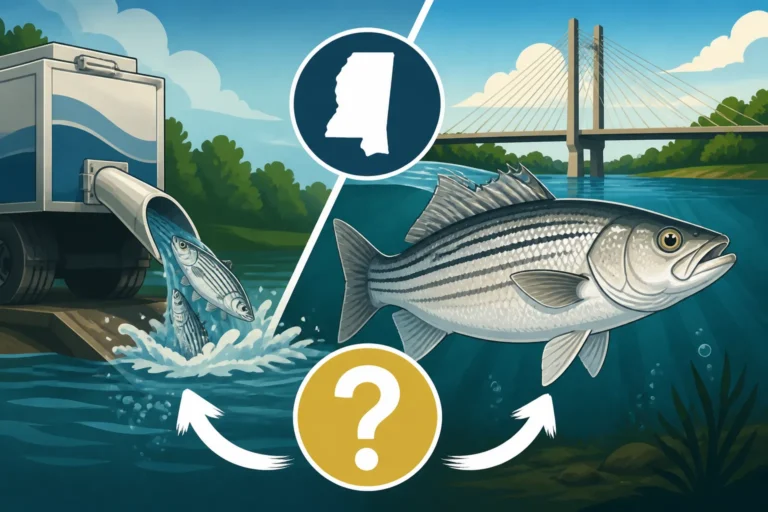
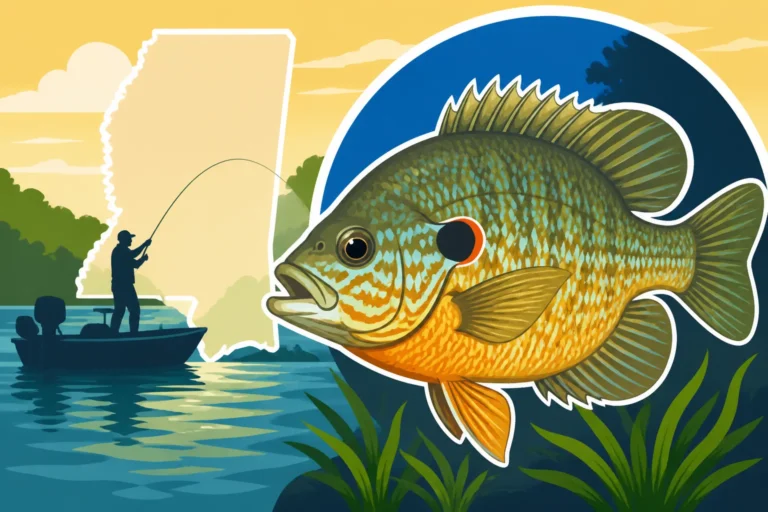
Consider a massive largemouth bass lurking in a submerged brush pile on Ross Barnett Reservoir. It's seen hundreds of artificial lures, but when a lively 6-8 inch gizzard shad swims by, thrashing and darting, instinct takes over. The bass sees an easy, high-calorie meal it can't resist. This is why many experienced anglers targeting Largemouth Bass Fishing in Mississippi swear by live shad. You can nose-hook a shad with a large circle hook (which you can find a great selection of on Amazon) and slow-troll it along ledges or drift it over deep humps. For Striped Bass Fishing in Mississippi or hybrid striped bass in our larger reservoirs, a frisky gizzard shad fished near schools of game fish is practically a guaranteed strike. Even big crappie, especially during their non-spawning phases when they're feeding aggressively in deeper water, will readily hit a smaller live shad. The key is to keep that shad alive and kicking for as long as possible, ensuring maximum appeal.
Cut Bait for Bottom Dwellers
While live shad are fantastic for triggering aggressive strikes from visual predators, cut gizzard shad are absolutely deadly for species that rely heavily on their sense of smell, particularly our abundant catfish. The oily, pungent flesh of a gizzard shad disperses a strong scent trail in the water, drawing in catfish from considerable distances.
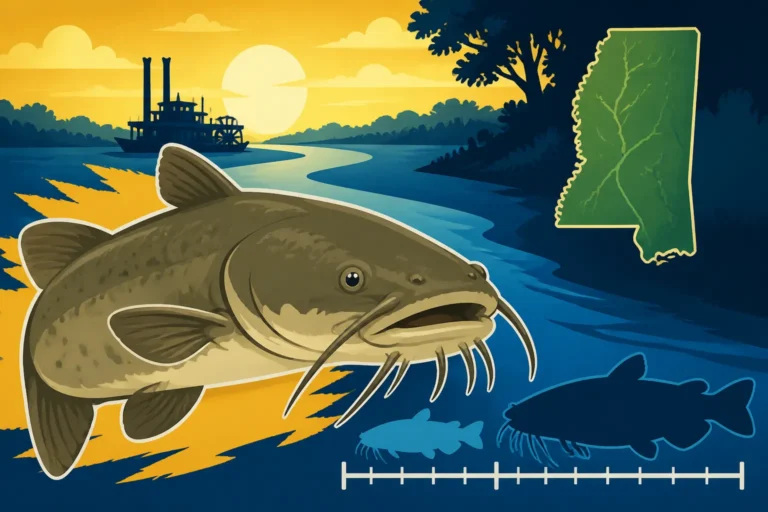
Whether you're targeting channel catfish in a local creek, monster blue catfish in the Mississippi River, or hefty flatheads in a deep river bend, cut shad is often the bait of choice. You can cut a shad into various sizes and shapes: small chunks for smaller channel cats, or large fillets and even entire heads and tails for the really big blues and flatheads. A Carolina rig or a simple three-way swivel rig works exceptionally well for presenting cut bait on the bottom. The smellier, the better! Some anglers even "juice up" their cut shad with commercial attractants, but the natural oils of the shad are usually enough. This is a tactic that proves incredibly effective for consistent catches of Catfish Fishing in Mississippi. If you're looking to upgrade your bait knife or a specialized cutting board for this, Amazon has plenty of options to make preparation easier.
Here's a quick comparison of live vs. cut shad effectiveness:
| Feature | Live Gizzard Shad | Cut Gizzard Shad |
|---|---|---|
| Primary Target | Largemouth Bass, Striped Bass, Hybrid Stripers, Big Crappie | Channel Catfish, Blue Catfish, Flathead Catfish |
| Key Appeal | Natural movement, visual trigger, erratic action | Strong scent trail, oily flesh, easy to find |
| Fishing Method | Slow trolling, drifting, free-lining | Bottom rigging (Carolina, three-way), jug fishing |
| Best Conditions | Active predatory fish, clear to stained water | Any water clarity, especially effective in turbid water |
| Effort to Prepare | Requires careful handling, aeration for survival | Simple cutting, can be frozen for later use |
Sourcing and Preparing Gizzard Shad
The biggest hurdle for many anglers wanting to use gizzard shad is actually getting their hands on them. They aren't typically sold in bait shops like minnows or worms. But with a little effort and the right gear, you can easily gather your own.
Catching Your Own Shad
The most common and effective way to catch gizzard shad is with a cast net. You'll want a decent-sized net, perhaps 6-8 feet in diameter, with a mesh size small enough to effectively trap these slender-bodied fish. The best times to find shad are often during dawn or dusk, when they're actively feeding or moving. Look for them in shallow flats, creek mouths, protected coves, or around submerged structures like brush piles. Sometimes you'll see them "flipping" on the surface, which is a dead giveaway to their presence.
Casting a net takes a bit of practice, but once you get the hang of it, you can quickly fill a bait well. Remember, the goal is not just to catch them, but to catch them without injuring them too much if you plan to use them live. Gently shake them out of the net into a bucket of water. If you're serious about this, investing in a high-quality cast net from a retailer like Amazon will pay dividends in the long run.
Keeping Shad Alive and Fresh
This is perhaps the most challenging aspect of using live gizzard shad: keeping them alive. Shad are notoriously delicate. They require ample oxygen, stable water temperatures, and minimal handling. An aerated livewell is an absolute necessity. Make sure your livewell is clean and that the water is circulating well. Avoid overcrowding the livewell, as this quickly depletes oxygen and stresses the fish. Some anglers even use shad-specific additives to help calm the fish and remove harmful chemicals like chlorine from municipal water sources if they're not using lake water. Read up on Best Livewell Tips for Keeping Bait Alive for more in-depth advice.
For cut bait, the process is much simpler. Once you've caught your shad, you can dispatch them, cut them into desired pieces, and use them immediately. Any unused portions can be frozen. Many anglers vacuum-seal their cut shad before freezing to prevent freezer burn and preserve their scent. When you're ready to use them, simply thaw and deploy. Some even salt their cut bait before freezing, believing it toughens the flesh and enhances its scent-releasing properties.
Regulations and Best Practices for Using Shad
While gizzard shad are common, it's crucial to be aware of the rules and best practices surrounding their use as bait in Mississippi. The Mississippi Department of Wildlife, Fisheries, and Parks (MDWFP) has regulations in place to protect our fisheries.
Understanding MDWFP Rules
In Mississippi, gizzard shad are generally considered a legal baitfish. However, you must always verify the current Mississippi Fishing Regulations Explained before heading out. There might be specific rules regarding the size of cast nets allowed, or limitations on where you can possess or transport live baitfish to prevent the spread of aquatic invasive species or diseases. For instance, moving live bait from one watershed to another might be restricted. Always make sure you have your Mississippi Fishing License Guide in order, as harvesting any fish, even bait, falls under these regulations. While there typically aren't specific creel or size limits on gizzard shad for bait, ethical harvesting means only taking what you need for your fishing trip.
Ethical Use and Conservation
Being a responsible angler extends beyond just having a license. When using gizzard shad, think about conservation. Only harvest the amount of bait you reasonably expect to use. Never, ever release unused live bait from one body of water into another, especially if you caught it elsewhere. This can introduce diseases or non-native species, causing significant harm to the local ecosystem. If you have leftover live shad, it's best to either use them up, give them to another angler, or humanely dispatch them and dispose of them properly.
The gizzard shad is a remarkable fish, providing an invaluable food source for our prized game fish. By understanding its biology, mastering the techniques for catching and keeping them, and adhering to ethical fishing practices, you can unlock a new level of success in your Mississippi fishing adventures. Whether you're chasing the next state record bass or filling a cooler with delicious catfish, giving the humble gizzard shad a starring role in your bait strategy is a choice you won't regret.
Disclaimer
This article is for general informational purposes only and does not constitute professional advice. Laws, prices and regulations vary by location and change over time. Consult a qualified professional for guidance on your specific situation.