Can You Use Live Bluegill as Bait in Mississippi?
There’s nothing quite like the thrill of seeing a trophy fish inhale a live bait, especially when that bait is something you’ve caught yourself. For many anglers in Mississippi, the thought naturally turns to bluegill. They’re plentiful, hardy, and undeniably look like a tasty snack to a big predator. But the question always lingers: is it actually legal to use live bluegill as bait in Mississippi, and if so, how can you do it effectively and ethically? This guide will cut through the confusion and give you the definitive answers, along with practical tips for making the most of this natural bait.
Understanding Mississippi's Baitfish Regulations
It can be incredibly frustrating trying to decipher all the rules and regulations that govern fishing, especially when it comes to what you can and can't use for bait. You just want to get out on the water and fish, not spend hours poring over a rulebook written in legalese. However, when it comes to using live bait, understanding these rules is crucial, not just to stay on the right side of the law, but also for the health of our fisheries.
General Regulations for Baitfish
Mississippi, like many states, has specific rules about what can be used as live bait. The main concern, and rightly so, is preventing the introduction of undesirable species or diseases into new water bodies. Imagine accidentally bringing a harmful pathogen from one lake to another just by using baitfish! It's a real threat, and that's why these regulations exist. Generally, legal baitfish must be native to Mississippi waters and, importantly, sourced from the same body of water where you plan to fish, or from a licensed bait dealer. This helps ensure that you're not moving anything foreign around.
When we talk about "baitfish," we're often thinking of minnows or shad. But the definition can sometimes extend to other smaller fish. For anglers wanting to stay compliant, it's always wise to familiarize yourself with the full scope of what's permitted. The state's Department of Wildlife, Fisheries, and Parks (MDWFP) website is your best friend here, offering detailed insights into Mississippi Fishing Regulations Explained. This knowledge isn't just about avoiding a ticket; it's about being a responsible steward of our natural resources.
Specific Rules for Game Fish as Bait
Now, let's get to the heart of the matter: bluegill. Bluegill are undeniably a popular panfish, and they fall under the category of "game fish" in Mississippi. This is where things can get a little tricky for some folks. The good news is, yes, in Mississippi, you generally can use legally caught game fish, including bluegill, as live bait, provided they adhere to all existing size and creel limits for that species. This means if the bluegill you're using as bait is too small to legally keep, you shouldn't be using it as bait either. Similarly, if you've already caught your daily limit of bluegill for consumption, you can't then catch more to use as bait.
This regulation ensures that anglers aren't circumventing catch limits by re-designating their catch as bait. It's a common-sense approach designed to protect the overall fish population. So, when you're out there catching a few bluegill to use as bait for a monster bass, remember to measure them and count them as part of your daily Mississippi Fishing Creel and Size Limits. Always check the most current Mississippi Freshwater Fishing Rules before you head out, as regulations can occasionally be updated. This practice keeps our fisheries healthy and ensures future generations can enjoy the same great fishing opportunities.
Why Bluegill Make Excellent Live Bait
If you've ever watched a large bass or a hungry catfish cruise through a shallow area where bluegill are schooling, you'll understand intuitively why these panfish are such effective bait. They're not just any fish; they're a natural and preferred food source for many of the biggest predators swimming in Mississippi's waters. Using them as bait taps directly into the food chain.
Natural Prey and Target Species
Bluegill are a staple in the diet of many predatory fish. Think about it: they're abundant, relatively easy to catch (for a bigger fish, anyway!), and represent a high-protein meal. This makes them incredibly attractive to species like largemouth bass, which are often found prowling the same shallows and structures where bluegill hide. A frisky bluegill struggling on a hook sends out distress signals and vibrations that are like a dinner bell to a lurking lunker. Using bluegill as bait for Largemouth Bass Fishing in Mississippi is a time-honored technique for a reason – it works!
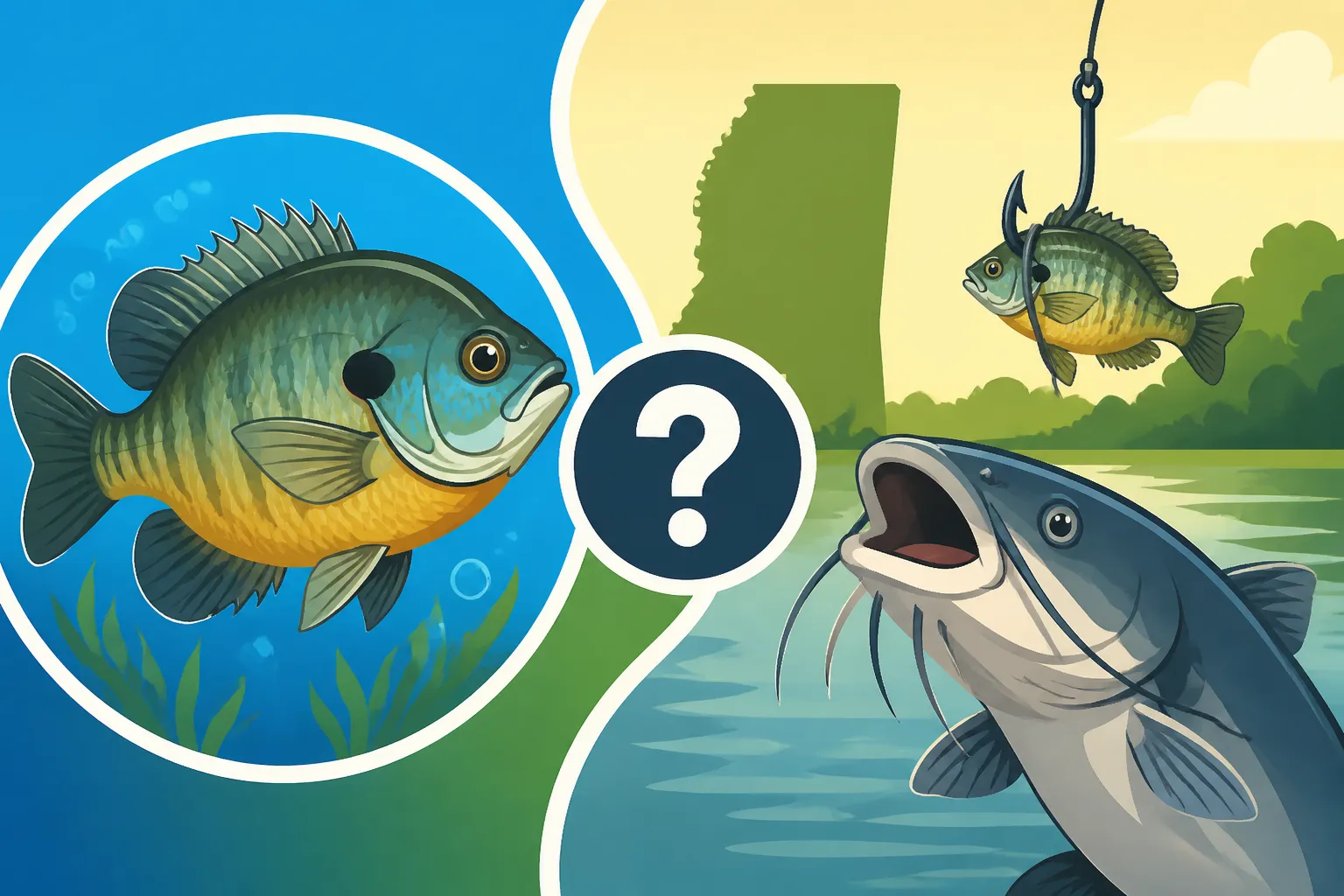
It's not just bass, either. Giant blue catfish and flathead catfish are also huge fans of a live bluegill presentation. These bottom-dwelling titans will readily engulf a struggling panfish. Imagine a massive flathead, perfectly camouflaged in a log jam, just waiting for an unsuspecting bluegill to swim by. Using a live bluegill allows you to mimic this natural encounter, making your offering almost irresistible. Many experienced anglers swear by bluegill when targeting trophy-sized catfish. If you're serious about Catfish Fishing in Mississippi, especially for the really big ones, live bluegill should definitely be in your arsenal. The natural movement and scent of a live bluegill are hard for any predator to ignore.
Sourcing and Keeping Bluegill as Live Bait
Okay, so you're convinced that bluegill are the way to go. How do you get them and keep them alive? The most straightforward way is to catch them yourself, usually with a smaller hook and some worm pieces or crickets. This method ensures your bait is fresh and accustomed to the water you're fishing. You can easily catch bluegill in most Mississippi lakes, ponds, and rivers. Just remember those size and creel limits we talked about earlier!
Once caught, keeping them alive and lively is paramount. A good bait bucket or livewell is essential. For longer trips, consider an aerator to keep the water oxygenated. You can find excellent portable aerators and insulated bait buckets on Amazon that will make a world of difference. Change the water regularly, especially if it gets warm, to maintain freshness. A healthy, energetic bluegill will swim more naturally and attract more attention than a sluggish, stressed one. Proper care ensures your bait stays in prime condition, ready to entice that next big bite.
Practical Considerations and Best Practices
Using live bait might seem simple, but there are definitely tips and tricks that can increase your success and ensure you're doing it responsibly. It’s not just about hooking the bait; it’s about presenting it naturally and respecting the ecosystem you’re fishing in.
Hooking and Rigging Live Bluegill
When rigging a live bluegill, your goal is to keep it alive and active while ensuring a solid hook-set when a fish bites. There are a few common methods, and the best choice often depends on what you're targeting and how you're fishing.
One popular method is to hook the bluegill lightly through the back, just in front of the dorsal fin. Be careful not to hit the spine, as this will stun or kill the fish. This allows the bluegill to swim naturally, making it incredibly appealing to predators. This technique is fantastic for free-lining the bait or fishing it under a bobber. Another option, especially when targeting larger catfish that tend to swallow bait whole, is to hook the bluegill through both lips, from bottom to top. This keeps the hook clear of the fish's mouth and allows for easier deployment, but it restricts the bluegill's natural swimming action slightly less than a back-hooked presentation. You can also fish a bluegill on a Carolina rig for bottom-feeding species. For this, hooking through the lips often works best, allowing the bluegill to struggle against the weight and attract attention.
| Hooking Method | Best For | Action of Bait | Target Species | Notes |
|---|---|---|---|---|
| Through the Back | Free-lining, Bobber Fishing | Most Natural, Active | Bass, Larger Crappie, Stripers | Avoid spine; ensures lively movement. |
| Through Both Lips | Bottom Rigs, Trolling | Moderate | Catfish, Striped Bass, Large Bass | Durable, good for aggressive strikes. |
| Behind Dorsal Fin | Pitching, Structure Fishing | Good | Bass, Pike (if present) | Keeps bait away from snags, good for cover. |
Ethical Angling and Conservation
As anglers, we have a responsibility to protect the environments we enjoy. Using live bait, particularly game fish like bluegill, comes with ethical considerations. First and foremost, never transport live bluegill (or any live baitfish) from one water body to another. This is critical to prevent the spread of aquatic invasive species, diseases, and parasites that could devastate local fish populations. Always catch your bait from the same lake or river you plan to fish, or use certified bait from a local bait shop. If you end up with leftover live bait, release it back into the water it came from, or dispose of it responsibly, never into a different watershed.
Additionally, handle your baitfish with care. While they are ultimately bait, minimizing stress and injury until they are on the hook is both humane and makes for a more effective, lively bait. Using a small dip net to transfer them from your bait bucket to your hook, rather than bare hands, can help protect their slime coat. Being mindful of these practices ensures that we're not only successful in our fishing endeavors but also contributing to the long-term health and vitality of Mississippi's incredible fisheries.
Alternatives to Live Bluegill Bait
While live bluegill can be incredibly effective, they aren't always the most convenient option, and sometimes regulations might be different depending on where exactly you're fishing. It's always a good idea to have a few other tricks up your sleeve or be aware of other productive options. Variety can be the spice of life, and fishing is no exception!
Other Live Bait Options
Mississippi offers a plethora of other fantastic live bait options that can be just as deadly, depending on your target species and fishing conditions. Minnows, for instance, are a classic choice for crappie and smaller bass. You can often buy them in bulk from local bait shops, and they are generally easier to keep alive than larger bluegill. Earthworms and nightcrawlers are also universally effective, attracting everything from bream and bluegill to catfish and even smaller bass. They're cheap, readily available, and incredibly easy to manage.
If you're targeting catfish, specifically, other excellent live bait options include shad and smaller sunfish like shiners. Sometimes, even cut bait, like chunks of skipjack herring or shad, can be more effective for truly enormous blue cats and flatheads, as the scent trail they emit is powerful. You can delve deeper into what works best by checking out resources like Best Bait for Crappie in Mississippi or Best Bait for Catfish in Mississippi. Knowing your options gives you flexibility and ensures you're always prepared for what the fish are biting on.
Artificial Lures Mimicking Bluegill
For anglers who prefer the challenge of artificial lures, or simply want a less messy and more convenient option than live bait, there are countless lures designed to imitate bluegill. These artificial options are a fantastic way to capitalize on the natural prey instinct of predatory fish without the hassle of keeping live bait. Swimbait is a prime example; these soft plastic or hard-bodied lures are designed with incredibly realistic bluegill patterns and actions, making them highly effective for fooling big bass. Crankbaits with bluegill-like color schemes and profiles can also be incredibly productive, especially when fished around submerged timber or rock piles where bluegill would naturally congregate.
Jerkbaits and even some spinnerbaits come in bluegill colors that can trigger aggressive strikes. Modern lure technology, with its incredibly lifelike finishes and swimming actions, means you can present an almost identical "bluegill" to a hungry predator. Many of these excellent artificial options are widely available, and you can browse a huge selection on Amazon to find the perfect bluegill imitation for your tackle box. Exploring Best Lures for Largemouth Bass will show you just how many fantastic artificial options are out there to mimic a bluegill and trick that trophy fish into biting. They offer a rewarding challenge and can be just as effective as the real thing in the right hands.
Disclaimer
This article is for general informational purposes only and does not constitute professional advice. Laws, prices and regulations vary by location and change over time. Consult a qualified professional for guidance on your specific situation.