Red Snapper Size in the Gulf
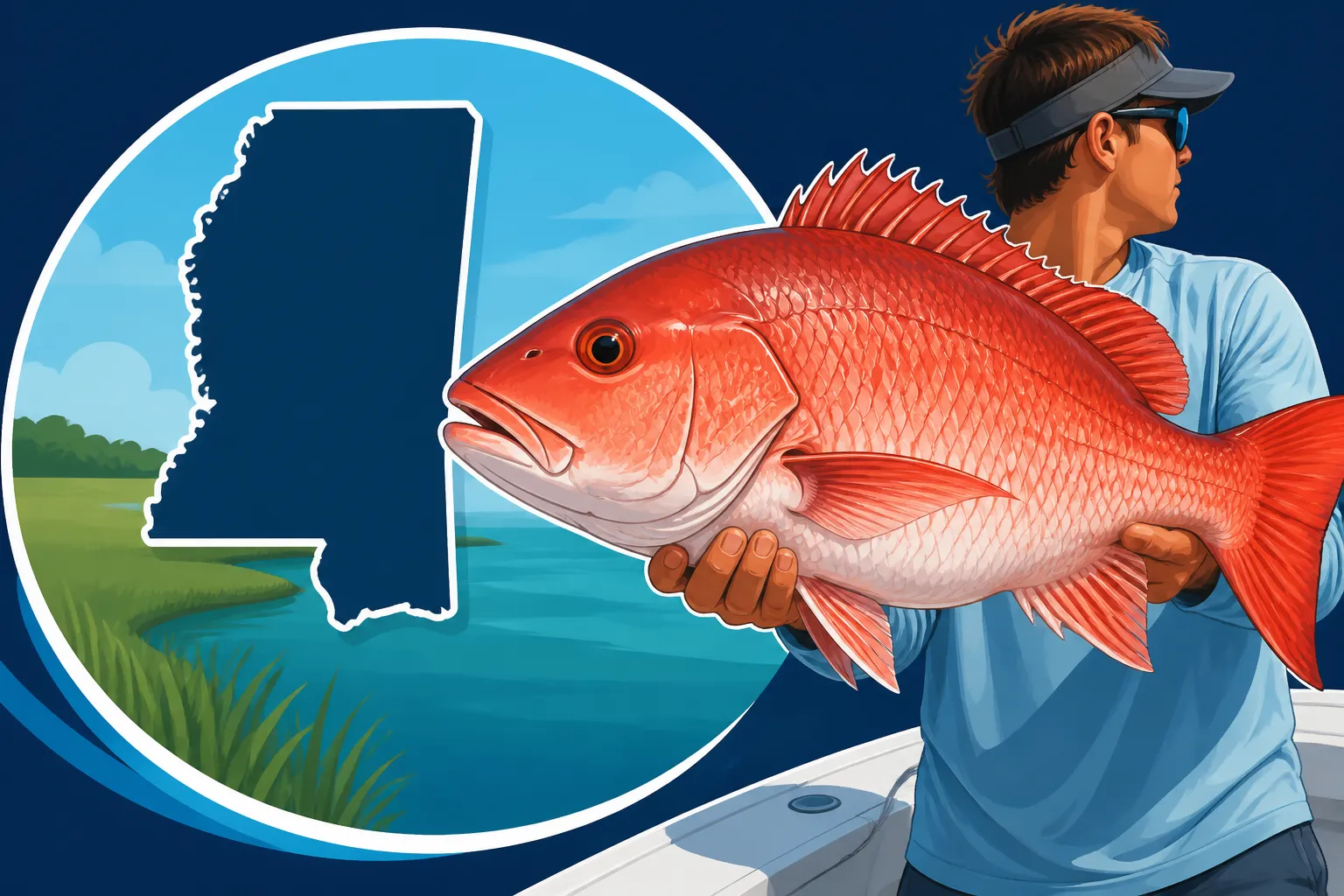
Oh, the elusive Red Snapper! There are few fish in the Gulf that ignite as much passion, or as much confusion, among anglers as the magnificent Red Snapper. One of the biggest headaches we all face when chasing these beauties is trying to keep track of the ever-changing size regulations, especially when you’re out on the water, heart pounding with a potential keeper on the line. This guide is dedicated to demystifying Red Snapper size limits in the Gulf, helping you understand the rules, measure your catch correctly, and ultimately, bring home some delicious, legal snapper.
Understanding the Red Snapper Challenge: Why Size Matters So Much
Red Snapper fishing isn't just about the thrill of the fight or the delicious fillets; it's also deeply tied to conservation. Anglers, especially those of us who have spent years chasing these fish, understand the importance of healthy fish populations. That's why navigating the rules, particularly those concerning size, is such a critical part of the experience. It can be incredibly frustrating to hook into a gorgeous fish, fight it to the boat, only to realize it's just a hair under the legal limit and has to go back. But every one of those released fish plays a part in ensuring we have snapper to catch for years to come.
The Importance of Conservation in Red Snapper Management
Let’s be honest, there was a time when Red Snapper populations faced some serious challenges. Overfishing in the past led to depleted stocks, and that’s why the regulations we deal with today are so strict and, at times, seem a bit complicated. The goal of all these rules, including minimum size limits and bag limits, is to allow enough fish to reach maturity and reproduce, ensuring a sustainable fishery for the future. It's a delicate balancing act, trying to provide fishing opportunities while protecting the species. Without these measures, we wouldn't have the incredible Red Snapper fishing we enjoy now, even if it does mean making some tough decisions on the boat when a fish comes up short. Knowing your Red Snapper Season Limit in Mississippi is just as vital as knowing the size.
The science behind these limits is extensive, involving biologists who study everything from growth rates to spawning patterns. They're trying to figure out the sweet spot where anglers can enjoy their sport, and the fish population can continue to thrive. So, when you release that undersized snapper, you're not just following a rule; you're directly contributing to the long-term health of the Gulf fishery. It’s part of our responsibility as anglers to be good stewards of the resource, and sometimes that means making sacrifices for the greater good of the species and for future generations who will want to experience the thrill of Red Snapper fishing.
Federal vs. State Waters: A Tale of Two Jurisdictions
Here’s where a lot of the confusion can really set in for Red Snapper anglers along the Mississippi Gulf Coast. You see, the Gulf of Mexico isn't just one big, open fishing ground with a single set of rules. It’s divided into state waters and federal waters, and these two zones often have different regulations when it comes to Red Snapper. It's not uncommon for the season to be open in one and closed in the other, or for size and bag limits to differ.
Mississippi state waters typically extend out to nine nautical miles from the coastline. Beyond that, you enter federal waters, which are managed by federal agencies. This distinction is crucial because the rules you follow depend entirely on where your boat is when you drop your line. Imagine heading out from Biloxi or Gulfport for a day of fishing. If you stay close to shore, within those nine miles, you'll adhere to Mississippi's specific Red Snapper regulations. But if you venture further out, say to some of those fantastic offshore reefs, you'll be under federal guidelines. This is why many experienced anglers and Mississippi Gulf Coast Fishing Charters will always clarify which waters they'll be fishing in, as it dictates everything from your license requirements to the size of fish you can legally keep. It's enough to make your head spin sometimes, but understanding this geographical divide is step number one to staying compliant.
Navigating Red Snapper Size Limits in Mississippi
So, you're rigged up, bait is in the water, and you've got a good feeling. But before that rod bends, it's essential to have a clear picture of the specific size limits. These aren't just suggestions; they're legal requirements designed to protect the future of the Red Snapper fishery. It’s a bit like driving – you need to know the speed limit before you put your foot on the gas!
Mississippi State Waters Regulations: What You Need to Know
When you're fishing for Red Snapper within Mississippi's state waters (that's typically up to nine nautical miles offshore, remember?), you'll be subject to the Mississippi Department of Marine Resources' regulations. While exact numbers can fluctuate from year to year, typically, Mississippi has a minimum size limit for Red Snapper. This limit is usually measured as "total length," meaning from the tip of the jaw to the end of the longest lobe of the tail, with the tail pinched to get the maximum measurement. Sometimes, "fork length" is specified, which is from the tip of the jaw to the fork of the tail, but total length is more common for Red Snapper.
For instance, historically, Mississippi state waters might have a minimum size of, say, 16 inches total length. This means if your snapper measures 15 and a half inches, it goes back in the water. No exceptions, no "almosts." It can be a real heartbreaker, especially when you've just wrestled a feisty one to the boat, but it's vital for conservation. Always, always double-check the most current regulations before you head out, as they can and do change annually based on stock assessments and federal allocations. A quick check of the MDMR website is always a good idea, or simply confirm with your Deep Sea Fishing Charters in Mississippi captain if you're going with a pro.
Federal Waters Regulations: The Deeper Dive
Now, let's talk about those federal waters, which extend beyond Mississippi's nine-nautical-mile line out into the vast Gulf of Mexico. The regulations here are set by the Gulf of Mexico Fishery Management Council and enforced by the National Oceanic and Atmospheric Administration (NOAA) Fisheries. The federal minimum size limit for Red Snapper is often different from the state limit and, in many cases, is a bit larger.
For example, while Mississippi state waters might have a 16-inch total length minimum, federal waters could require a 18-inch total length. This difference means you can't just assume the rules are the same everywhere. If you're planning an offshore trip, especially if you're targeting Red Snapper specifically, you absolutely need to be aware of the federal guidelines. These federal seasons are often much shorter and the size limits more restrictive, reflecting the broader management strategy for the entire Gulf stock. Offshore Red Snapper Charters in Mississippi specialize in navigating these complex federal rules, ensuring you have the best chance at a legal catch while staying compliant. It’s their job to know, but it’s our responsibility as anglers to be informed too.
Here's a simplified look at how Red Snapper limits might compare between state and federal waters, but remember, these numbers are examples and change frequently:
| Jurisdiction | Typical Minimum Size (Total Length) | Notes |
|---|---|---|
| Mississippi State | 16 inches | Applies within 9 nautical miles of Mississippi coastline. Seasons and bag limits set by MDMR. |
| Federal Waters | 18 inches | Applies beyond 9 nautical miles into the Gulf of Mexico. Seasons and bag limits set by NOAA Fisheries, often shorter and more restrictive. |
| Important Note | Always Verify Current Regulations | These are illustrative examples only. Red Snapper regulations, including size limits, bag limits, and season dates, are subject to frequent change. Consult current MDMR and NOAA Fisheries guidelines before fishing. |
Measuring Your Catch: Tips for Accuracy on the Water
Okay, so you’ve got a Red Snapper on deck, and you think it might be a keeper. How do you measure it correctly to avoid any issues with game wardens or, more importantly, to ensure you're fishing responsibly? It’s simpler than it sounds, but there are a few key things to remember.
First, you need a reliable measuring device. Forget the worn-out tape measure from your toolbox; you want something sturdy and accurate. Many tackle shops, and even online retailers like Amazon, sell specialized fish measuring boards or stick-on rulers designed for boats. These are usually rigid, clearly marked, and often have a "stop" at the zero end to butt the fish's nose against.
Here’s the process for measuring total length, which is the most common method for Red Snapper:
- Lay the fish flat: Place the fish on a flat surface or a measuring board.
- Nose to zero: Gently push the nose of the fish against the stop at the zero end of your measuring device.
- Pinch the tail: With one hand, gently squeeze the tail lobes together (this is called "pinching the tail") to get the maximum possible length.
- Read the measurement: Note the mark on the ruler where the pinched tail ends.
It’s crucial to be honest and accurate. A fish that measures 17 and three-quarters inches is not 18 inches. It's better to be safe than sorry. If there's any doubt, especially if it's very close to the minimum, it's always best practice to release the fish. A good rule of thumb is to measure quickly and carefully. The quicker you can measure and either keep or release, the better for the fish’s health if it’s going back in the water. Understanding Mississippi Fishing Regulations Explained in their entirety will keep you out of trouble, and that definitely includes proper measurement.
Beyond the Minimum: Seeking Trophy Red Snapper
While adhering to size limits is about compliance and conservation, there’s also the personal quest for that truly impressive catch – the trophy Red Snapper. Many anglers dream of landing a snapper that not only meets the legal requirement but blows past it, offering a picture-worthy moment and bragging rights for years.
What Constitutes a "Trophy" Red Snapper?
When we talk about a "trophy" Red Snapper in the Gulf, we're generally looking at fish that are significantly larger than the minimum legal size. While an 18-inch snapper is a respectable catch, a trophy might start to be considered anything in the 25-inch range and upwards. Fish pushing 30 inches or more are truly exceptional, often tipping the scales at 20, 30, or even 40 pounds! These are the giants of the reef, the seasoned veterans that have managed to avoid hooks for years.
The Gulf holds state records for Red Snapper that are astonishingly large, often exceeding 35 pounds. While you might not be breaking state records every trip, landing a snapper in the upper 20-inch class or one that breaks the 15-pound mark is definitely something to celebrate. These larger fish are typically older, more experienced, and often have a different fighting style than their smaller counterparts, making the battle even more memorable. They're also often found in specific habitats, which leads us to how you might target them.
Techniques for Targeting Larger Snapper
Catching a truly massive Red Snapper isn't always about luck; it's often about strategy, patience, and using the right gear. Big fish typically require bigger bait, more robust tackle, and a willingness to explore deeper, less pressured spots.
- Bait Selection: Forget the small chunks of squid if you're after a monster. Larger snapper are opportunistic predators. Whole dead baits like cigar minnows, threadfin herring, or even small mullet are excellent choices. Live baits, such as pinfish, pogies, or larger pilchards, are also irresistible to big snapper. Presenting a large, natural bait is key to attracting the attention of those dominant, older fish.
- Heavy-Duty Tackle: A small freshwater rod just won’t cut it. You need a stout rod and a reel capable of handling heavy drag and a strong fish. Think conventional setups with 50-80 pound braided line and a matching fluorocarbon leader of similar strength. When a 20-pound snapper takes a dive into the structure, you need the stopping power to turn its head. You can find robust offshore rods and reels, as well as high-quality braid and leaders, on platforms like Amazon or at specialty tackle shops.
- Location, Location, Location: Trophy snapper often prefer deeper water and significant structure. Look for natural rock formations, artificial reefs, shipwrecks, and oil rigs. These structures provide cover, food sources, and sanctuary for larger fish. The biggest snapper aren't typically found in heavily fished, shallow areas. This is where a good sonar and GPS are invaluable for identifying promising spots.
- Slack Tide Advantages: Many experienced anglers prefer to target larger snapper around slack tide. This is the period of minimal current, which makes it easier for your heavy baits to get down to the bottom where the big fish are, and it can also make it easier for the fish to feed without fighting a strong current.
Combining these techniques with persistence and a solid understanding of fish behavior will greatly increase your chances of hooking into that Red Snapper of a lifetime. Plus, while you're out there, keep an eye out for other magnificent species like those featured in our Cobia Fishing on the Mississippi Coast guide – you never know what else might be lurking in those deeper waters!
The Broader Impact: Why Every Inch Counts
The act of fishing, especially for a highly regulated species like Red Snapper, carries with it a responsibility. Every decision we make on the water, from the bait we choose to how we measure our catch, has an impact. It's not just about the fish in your cooler; it's about the bigger picture of marine ecosystems and the future of the sport.
Ensuring Future Generations of Red Snapper
Think about it: every undersized Red Snapper that is carefully released has a chance to grow larger, reproduce, and contribute to the overall population. This is the cornerstone of sustainable fishing. When minimum size limits are set, they're designed to protect juvenile fish, allowing them to reach sexual maturity and spawn at least once, or ideally multiple times, before they become legal harvest size.
As anglers, we play a direct role in this cycle. Practicing responsible catch-and-release, especially for fish that are clearly undersized, is paramount. This means minimizing their time out of the water, handling them gently, and using dehooking tools when necessary to reduce stress and injury. Sometimes, even legal-sized fish are released if an angler has already met their bag limit, or simply prefers to let a certain fish go. These choices, multiplied across thousands of anglers, significantly impact the health and abundance of Red Snapper for decades to come. Securing your Mississippi Saltwater Sportfishing License Guide is the first step in ensuring you're contributing to this vital effort.
Avoiding Penalties: The Cost of Non-Compliance
Let’s be real, no one wants to deal with a game warden, especially when you’re out trying to relax and enjoy a day on the water. However, the enforcement of fishing regulations, including size limits, is a critical part of the conservation effort. Game wardens are diligent, patrolling both state and federal waters, and they are trained to spot violations.
The penalties for violating Red Snapper size limits can be significant. We're not just talking about a stern lecture. Depending on the severity and frequency of the offense, you could face hefty fines, confiscation of your catch (which means all that hard work was for nothing!), or even the loss of your fishing privileges. Imagine spending a significant amount of money on Mississippi Fishing License Guide and gear, taking time off, and then losing your catch and getting a fine because you were a quarter-inch off on a measurement. It’s a frustrating scenario that's entirely avoidable.
Always carry a current copy of the regulations (many anglers keep a screenshot on their phone or a printed copy in their tackle box), measure carefully, and if in doubt, release the fish. It’s far better to err on the side of caution than to face the consequences. Our waterways are shared resources, and respecting the rules ensures everyone can continue to enjoy the incredible fishing opportunities Mississippi has to offer.
Disclaimer
This article is for general informational purposes only and does not constitute professional advice. Laws, prices and regulations vary by location and change over time. Consult a qualified professional for guidance on your specific situation.