Redear Sunfish vs Bluegill Differences
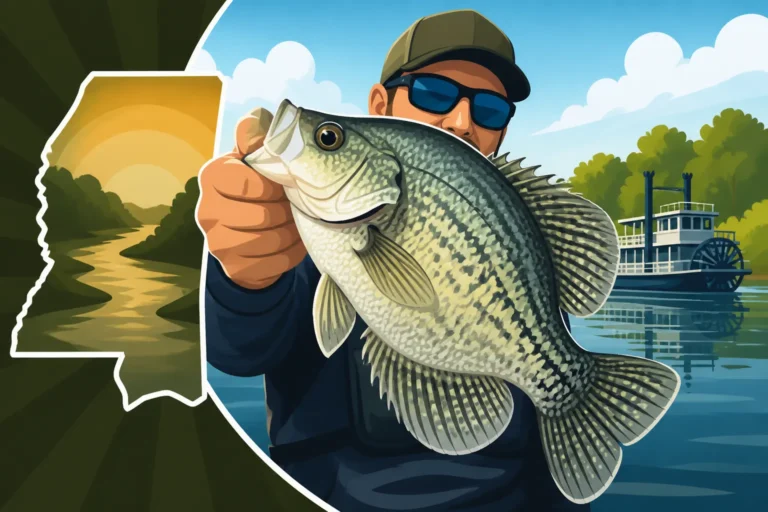
It’s a common scenario: you’ve spent a relaxing afternoon by a quiet Mississippi pond or slow-moving creek, catching what you think are bluegill, only to have a seasoned angler casually mention, "Nice shellcracker you got there!" Suddenly, you're left scratching your head, wondering if you’ve been misidentifying your catches all along. This guide is here to clear up that confusion, diving deep into the subtle yet significant differences between redear sunfish and bluegill, so you can confidently identify and target these popular panfish.
The Ever-Present Panfish Question: Why Knowing Your Species Matters
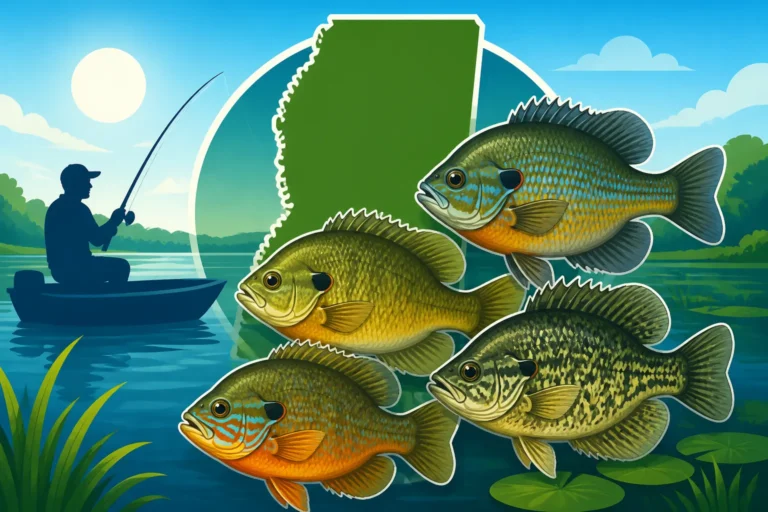
For many of us who love dropping a line in Mississippi's abundant waters, panfish are where it all began. They're accessible, they're feisty, and they're delicious on the dinner table. But when you’re talking about sunfish, it can sometimes feel like a bewildering array of look-alikes. Bluegill and redear sunfish are two of the most popular, often found in similar habitats, and frequently mistaken for one another. Understanding their distinct characteristics isn't just about showing off your fish identification skills; it can actually help you become a more effective angler. Different species often have different feeding habits, preferred depths, and even fighting styles, so knowing what you’re casting for can lead to a much more successful and enjoyable day on the water.
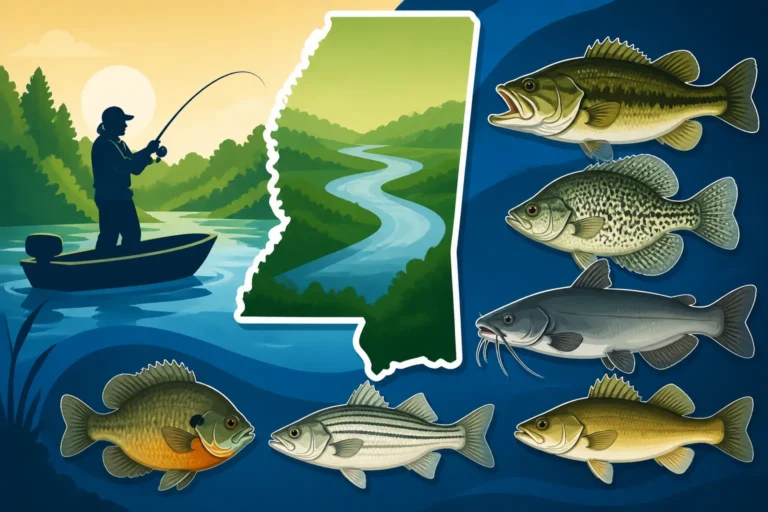
This distinction becomes even more important when you consider regulations, though for most panfish in Mississippi, the general limits are quite generous. Still, as a responsible angler, knowing your fish is part of the experience. It also helps appreciate the biodiversity thriving in our beautiful state. Many folks just lump them all under "bream," which is fine for general conversation, but there's a world of fascinating detail waiting to be explored when you look closer. Mississippi Freshwater Fish Species Guide offers a broader look at what swims in our lakes and rivers, but let's narrow our focus to these two beloved panfish.
Validating the Confusion: It's Not Just You
Seriously, you're not alone if you sometimes mix these up. Especially as juveniles, bluegill and redear can look incredibly similar, sporting those classic sunfish shapes and iridescent scales. Add in the fact that their coloring can vary wildly depending on water clarity, diet, and even their mood, and it's a recipe for confusion. A dark, stained-water bluegill might look completely different from one pulled from a clear-water pond. The same goes for redear sunfish; a "shellcracker" from a muddy river will often lack the vibrant hues of one from a pristine lake. It takes a keen eye and a bit of practice, but once you know what to look for, the differences become much clearer. Think of it like learning to tell apart different kinds of oak trees – they all have acorns, but the leaves and bark tell a distinct story.
Meet the Bluegill: Mississippi's Widespread Sunny Favorite
Ah, the bluegill! This is arguably the most iconic panfish across the United States, and certainly a staple in Mississippi fishing. Known for their spirited fight on light tackle and their delicious white meat, bluegill are often the first fish many of us ever catch. They are truly the everyman's fish, found in nearly every body of freshwater imaginable, from sprawling reservoirs to tiny farm ponds. They're a fantastic fish for beginners and seasoned anglers alike, offering consistent action and a rewarding experience.
Bluegill Identification: The Key Features
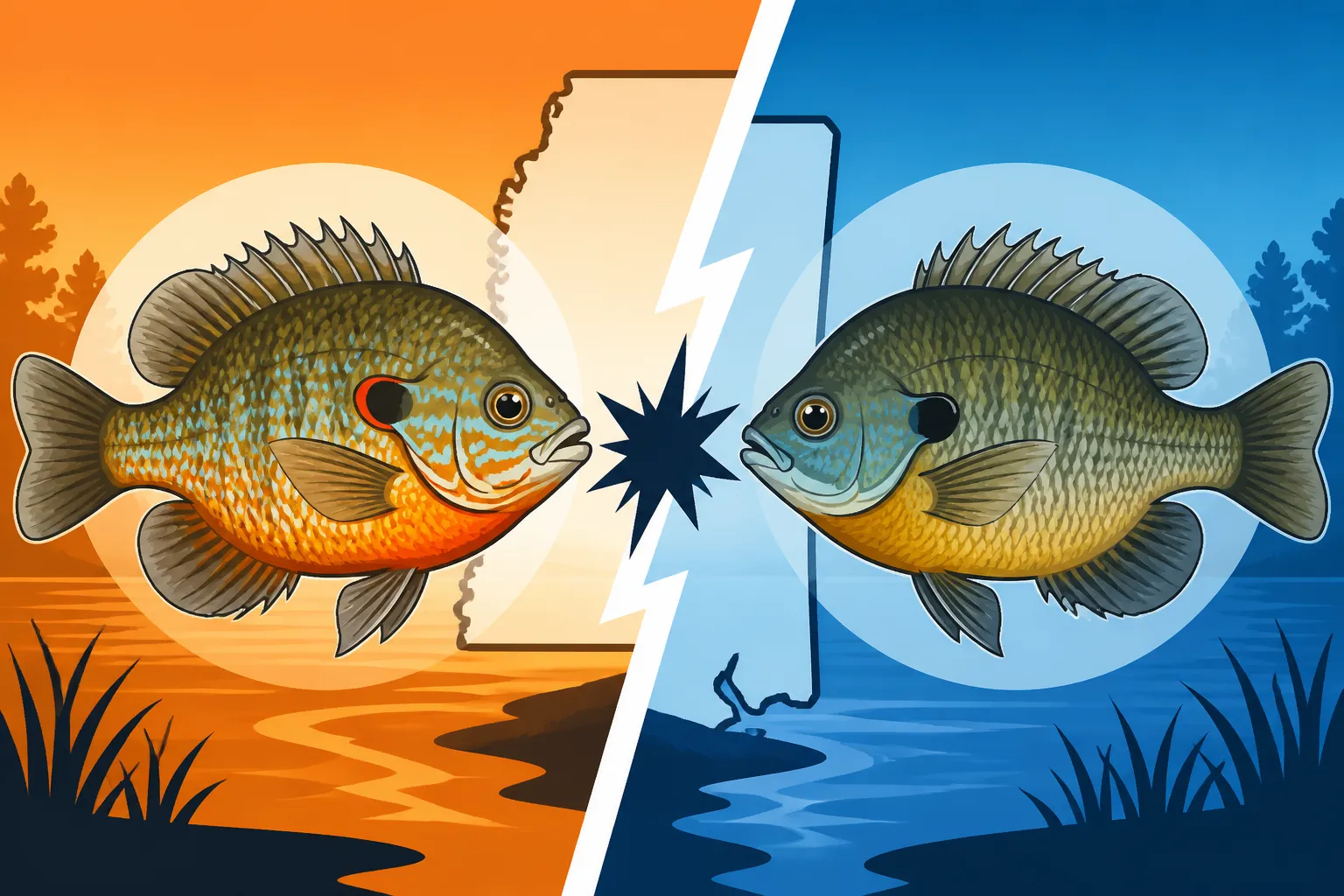
When you pull a bluegill from the water, there are a few tell-tale signs that will immediately clue you in. The most prominent feature, and the one that gives them their name, is the dark blue or black "ear flap" on the gill cover. This flap is usually solid black, with no distinct trim or spot of color. Their bodies tend to be deeply compressed, almost disc-shaped, with a small mouth. The overall coloration can be highly variable, ranging from olive-green or dark blue on the back to yellowish on the belly. Males, especially during spawning season, often display brilliant orange or reddish chests and vertical bars on their sides.
Another characteristic to look for is the dark spot at the base of the dorsal fin, which is pretty common on bluegill. They also tend to have distinct, dark vertical bars on their sides, though these can fade or be less pronounced depending on the individual fish and its environment. Their pectoral fins are long and pointed. When you hold one, you'll notice how thin and flat their body is, making them incredibly agile swimmers in dense cover. For more specific details on catching these beauties, check out Bream and Bluegill Fishing in Mississippi.
Bluegill Habitat and Behavior
Bluegill are incredibly adaptable and thrive in a wide range of freshwater environments. You'll find them in lakes, ponds, slow-moving rivers, and even larger streams across Mississippi. They love structure – think submerged logs, brush piles, docks, lily pads, and aquatic vegetation. These areas provide cover from predators and ambush points for their prey. They are social fish, often schooling in groups, which is fantastic news for anglers because if you find one, you've likely found a whole mess of them!
Their diet is quite diverse. Young bluegill feed on zooplankton, while adults primarily eat insects, insect larvae, small crustaceans, and even tiny fish. They're opportunistic feeders, which is why they'll readily hit a wide variety of baits. They are notorious for building nests in shallow water during the warmer months, often in colonies. You’ll see the males fanning out saucer-shaped depressions on the bottom, guarding them fiercely. It’s quite a sight to behold and explains why they're so easy to catch from the bank during certain times of the year.
Fishing for Bluegill: Tips and Tricks
Targeting bluegill is often straightforward and incredibly fun, making them perfect for family outings. Light tackle is key – a small ultralight spinning rod or even a cane pole is ideal. Tiny hooks (sizes 8-12) are usually sufficient.
- Baits: Live bait like crickets, worms, and small minnows are consistently effective. If you’re using artificials, small jigs (1/32 to 1/16 ounce) tipped with a tiny plastic grub or a piece of Berkley Gulp! will get their attention. Small spinnerbaits and flies also work wonders. Best Bait for Bream in Mississippi has even more ideas!
- Locations: Focus on areas with cover: fallen trees, weed lines, docks, and submerged brush. In deeper lakes, they might suspend over brush piles.
- Techniques: A simple bobber setup with a cricket or worm suspended a few feet deep is classic. If you're using jigs, a slow retrieve or gentle jigging motion near structure will entice bites. For kids, a cane pole and a worm provide instant gratification. Many of our Best Small Lakes for Family Fishing Near Jackson are brimming with bluegill!
Getting to Know the Redear Sunfish: The Shellcracker's Appeal
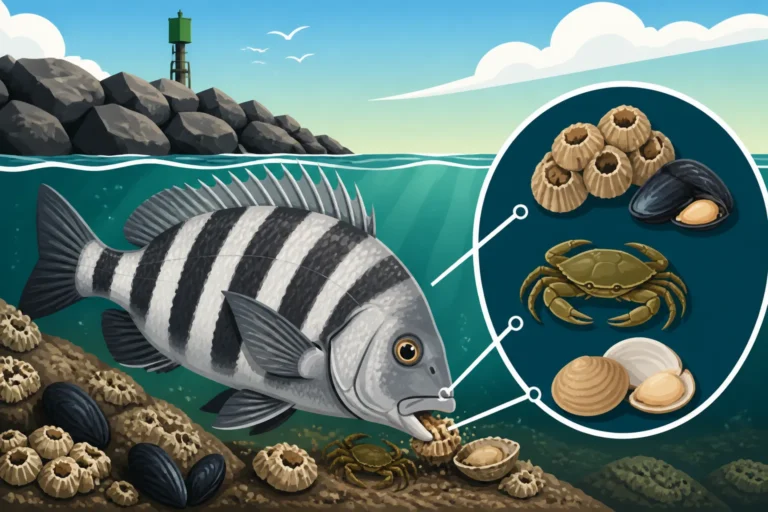
Now, let's talk about the redear sunfish, often affectionately called "shellcrackers" or "stumpknockers" here in Mississippi. While they share the sunfish family traits, redear have some distinct characteristics and habits that set them apart from their bluegill cousins. They're named for the vivid red or orange trim on their gill flap, a feature that makes them stand out, especially in clear water. Redear are renowned for their diet of snails and mollusks, which gives them their "shellcracker" moniker, and contributes to their firm, delicious flesh.
Redear Sunfish Identification: What to Look For
The most distinctive feature of the redear sunfish is, as its name suggests, the prominent red or orange margin on the opercular (gill) flap. This is the clearest visual differentiator from the bluegill's solid black flap. Unlike bluegill, redear usually lack the distinct vertical bars on their sides, instead having a more uniform, often golden or olive-green coloration with scattered dark spots. Their bodies are typically less disc-shaped than a bluegill, appearing slightly more elongated, and their mouth is a bit larger and more downward-pointing, adapted for crushing shells.
Another characteristic is their pectoral fins, which are usually shorter and more rounded than the bluegill's. While bluegill have that distinct dorsal fin spot, redear sunfish do not. Instead, you might notice a slightly mottled pattern on their sides. The Panfish Species Found in Mississippi article delves into the broader sunfish family, but the redear's red ear-flap and lack of vertical bars are your primary clues.
Redear Sunfish Habitat and Behavior
Redear sunfish prefer clear, calm waters with abundant aquatic vegetation and, crucially, a bottom substrate that supports snail populations. This includes sandy or gravelly bottoms, often near weed beds, stumps, or submerged logs. They are commonly found in the same lakes and ponds as bluegill but tend to frequent slightly deeper areas or areas with harder bottoms where snails are prevalent. They use the specialized crushing plates in their throats to crack open the shells of snails, making them unique foragers.
Like bluegill, redear sunfish are also social and can be found in schools, though perhaps not in the same dense concentrations as bluegill. They too build circular nests in shallow water during the spawning season, often preferring slightly harder bottom areas than bluegill. Their penchant for snails often means they spend more time rooting around on the bottom, making them a fun challenge for anglers who want to target a specific type of panfish. For an in-depth look at chasing these particular panfish, check out Redear Sunfish (Shellcracker) Fishing in Mississippi.
Fishing for Redear Sunfish: Mastering the Approach
Because of their diet and bottom-dwelling habits, fishing for redear sunfish often requires a slightly different approach than bluegill. You'll still use light tackle, but presenting your bait on or near the bottom is usually key.
- Baits: The best baits for shellcrackers are live baits that mimic their natural food sources. Worms (especially red wigglers and nightcrawlers) are king, as are crickets and small pieces of shrimp. Many anglers also have success with small jigheads tipped with a Berkley Gulp! maggot or scented soft plastic, fished slowly along the bottom. You can find a wide array of small hooks and weights perfect for this kind of bottom fishing on Amazon.
- Locations: Look for areas with hard bottoms, shell beds, stumps, and submerged timber. Often, this means fishing slightly deeper than you might for bluegill, or along drop-offs near vegetation.
- Techniques: A Carolina rig or a simple bottom rig with a small weight and hook is excellent for keeping your bait on the bottom. Slip bobber setups also work well, allowing you to present bait at a precise depth. Gently dragging a jig along the bottom can also provoke strikes. Patience is often rewarded, as shellcrackers can be a bit more subtle in their bite than aggressive bluegill.
Side-by-Side Comparison: Bluegill vs. Redear Sunfish
To really drive home the differences, let's put them side-by-side. While they are both fantastic members of the sunfish family, appreciating their individuality makes fishing for them even more rewarding.
Visual Distinctions at a Glance
This table should help you quickly spot the difference the next time you reel one in!
| Feature | Bluegill ( Lepomis macrochirus ) | Redear Sunfish ( Lepomis microlophus ) |
|---|---|---|
| Opercular (Ear) Flap | Solid black or dark blue, no distinct colored edge | Dark with a prominent red or orange margin |
| Body Shape | Deeply compressed, very round/disc-shaped | Slightly more elongated, less round |
| Side Markings | Often has distinct dark vertical bars | Generally lacks vertical bars, more mottled/uniform |
| Dorsal Fin Spot | Often present (dark spot at base) | Absent |
| Pectoral Fins | Long and pointed | Shorter and more rounded |
| Mouth | Smaller, upturned | Slightly larger, more downward-pointing |
| Overall Coloration | Olive-green to dark blue back, yellowish belly, often vibrant orange chest on males | Golden to olive-green, sometimes speckled, lighter belly |
These visual cues are your best friends in the field. Remember that environmental factors can influence color, so always look for a combination of these traits, especially the ear flap and body markings.
Behavioral and Habitat Differences
Beyond looks, how these fish behave and where they prefer to hang out also sets them apart. This is crucial for successful targeting.
Bluegill, being more generalist feeders, are often found higher in the water column or suspended within dense cover. They're more likely to aggressively strike at baits presented mid-water or on the surface, particularly smaller insects or larvae. Their social nature often means finding one leads to finding many. They're the champions of crowded brush piles and lily pad fields.
Redear sunfish, on the other hand, are specialized bottom feeders. Their unique diet of snails means they're constantly foraging along the lakebed. This makes them less likely to come up for surface baits and more inclined to hit offerings presented directly on the bottom. They often prefer slightly cleaner, harder bottoms compared to bluegill, though there's certainly overlap. While still social, you might find them in smaller, more spread-out groups, diligently rooting for their next meal. You can see how this affects fishing techniques when you’re out on the water. Sunfish Species Found in Mississippi Lakes delves into the preferences of other sunfish species too.
Fishing Strategy Adjustments
Knowing these differences empowers you to fine-tune your fishing strategy. If you're seeing lots of bluegill activity – small splashes, quick bites – you might want to switch to a bobber and a tiny worm or cricket. Cast towards weed lines, docks, and submerged timber. Focus on shallower waters, especially during the spring and early summer when they're nesting.
If you suspect redear are present, particularly if the water is clear and you know there are shell beds or gravelly areas, change your approach. Ditch the bobber or set it very shallow if using a slip bobber to get your bait on the bottom. Use a small split shot or a light Carolina rig. Target those harder bottom areas, stumps, and deeper edges of weed lines. You'll often find that the bite from a redear is a bit more subtle, a gentle tap rather than an aggressive tug. They're great fighters once hooked, though! Remember that the Average Bluegill Size might often be smaller than a typical shellcracker, which often grows to impressive sizes thanks to its protein-rich diet.
Ultimately, whether you're chasing bluegill or redear, the joy is in the pursuit. Understanding these differences simply enhances that experience, allowing you to appreciate the diversity of Mississippi's fisheries and become a more knowledgeable and successful angler. So grab your light tackle, a bucket of worms, and head out to enjoy our incredible panfish action! If you're bringing the kids, make sure to check out How to Choose a Fishing Rod for Kids for the perfect setup. And when you get back, knowing how to clean your catch is essential, so perhaps a refresher on How to Fillet a Crappie could be useful for any panfish you bring home.
Disclaimer
This article is for general informational purposes only and does not constitute professional advice. Laws, prices and regulations vary by location and change over time. Consult a qualified professional for guidance on your specific situation.