What Catfish Eat in Mississippi Rivers
Ever wonder what those big whiskered beauties in Mississippi rivers are really munching on when you're not around? It’s a common frustration for anglers: you've got your line in the water, but the bites just aren't coming. Often, it's because we're not quite matching what our target fish are naturally seeking out. Understanding what catfish eat in Mississippi's expansive river systems – from the mighty Mississippi itself to the Pearl and Pascagoula – is key to unlocking more consistent success on the water, helping you choose the right bait and tactics.
The Opportunistic Appetite of Mississippi River Catfish
Catfish in Mississippi rivers are the ultimate survivors, characterized by their incredible adaptability and an almost insatiable, opportunistic appetite. They aren't picky eaters, which is a big part of their success and why they thrive in such diverse environments. Their feeding strategy is largely driven by their highly developed senses and their position as bottom dwellers and scavengers, though they are certainly capable predators as well.
These fish are equipped with an impressive array of sensory tools that allow them to locate food in murky waters or at night, when many other species are less effective. Their barbels, often called "whiskers," are packed with taste buds, allowing them to detect subtle chemical cues in the water. Imagine tasting the water for dinner – that’s what a catfish does! Their lateral line system is also incredibly sensitive, picking up vibrations and movements of prey, even small insects or baitfish struggling in the current. This means even if they can't see their meal, they can certainly feel and taste it. This keen sensory perception means they aren't just waiting for food to float by; they are actively seeking it out, whether it’s a morsel on the bottom or a struggling baitfish near the surface. The river environment provides a constant buffet, from washed-in terrestrial insects after a rain to decaying plant matter and a wide variety of aquatic life.
Species-Specific Diets in Mississippi Rivers
While all catfish are generally opportunistic, the specific species found in Mississippi rivers often have preferred diets based on their size, mouth structure, and hunting habits. We're primarily talking about Channel Catfish, Blue Catfish, and Flathead Catfish here, each with their own culinary preferences. You can learn more about Catfish Identification Chart to better identify these species.
Channel Catfish: The Omnivorous Scavengers
Channel catfish are arguably the most widespread and popular catfish species in Mississippi's rivers, and for good reason: they'll eat just about anything! They have a more slender body and a forked tail, making them quite agile. Their diet is incredibly varied, truly making them omnivores. You'll find them scavenging on the bottom for detritus, which includes decaying plant matter and small invertebrates. They also love insects – everything from aquatic insect larvae found in the substrate to grasshoppers and crickets that fall into the water from the banks. Worms are a huge favorite, and minnows and small baitfish are also frequently on their menu.
One of the reasons channel catfish are so popular with recreational anglers is their willingness to hit a wide array of baits. Stink baits, cut bait, chicken livers, and even hot dogs are common choices, precisely because these baits mimic the strong scents of decaying organic matter or offer a potent, appealing aroma that their sensitive barbels can't ignore. This adaptability in diet is what makes them so resilient and prevalent throughout the state's river systems. Understanding their diverse diet is a crucial step in Catfish Fishing Techniques.
Blue Catfish: The Apex Predators of the River
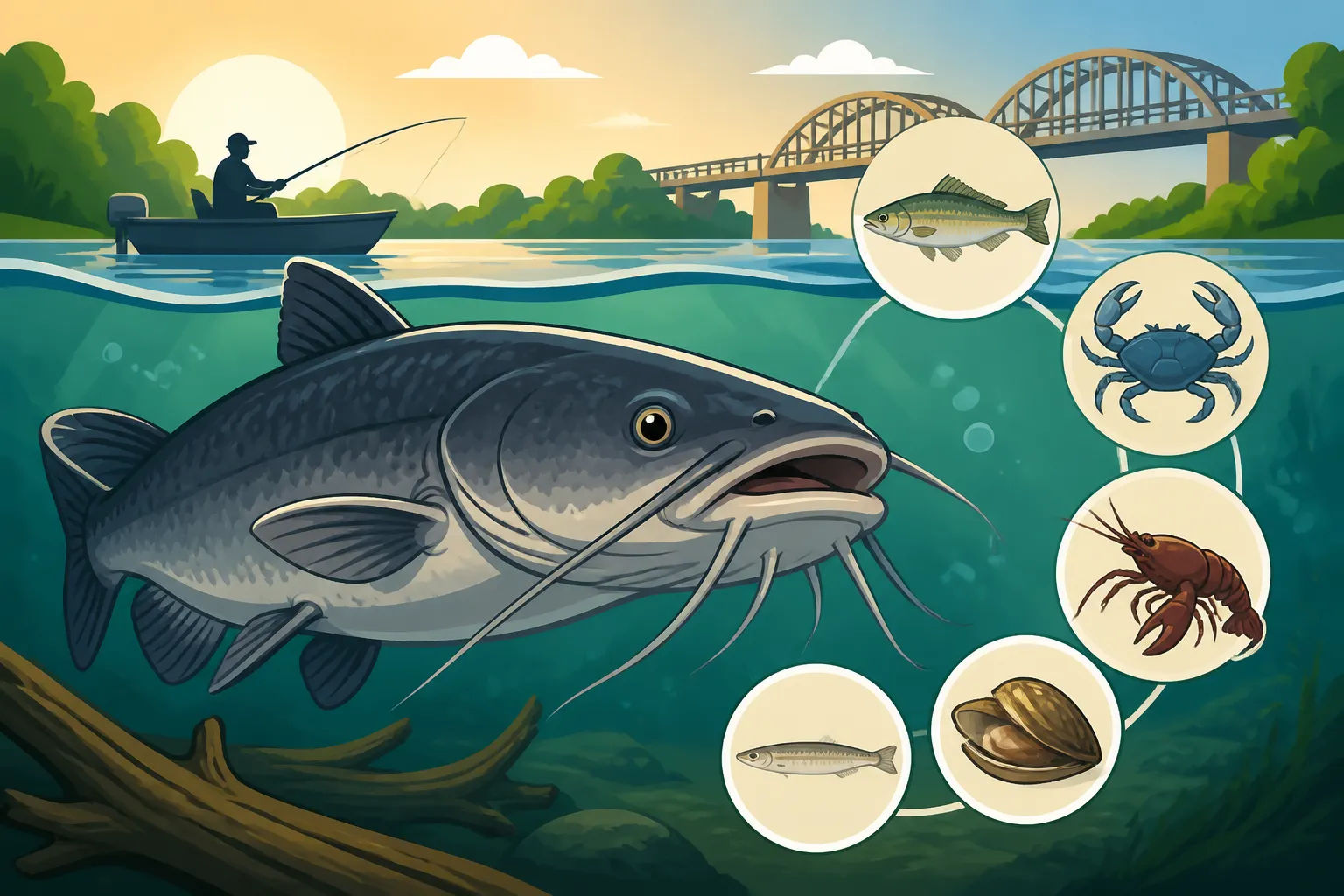
Blue catfish are the giants of Mississippi's river systems and are true apex predators, especially as they grow larger. While juveniles might feed on insects and crustaceans like their channel cat cousins, adult blue catfish shift dramatically to a predominantly piscivorous (fish-eating) diet. They are powerful swimmers with a large mouth, perfect for engulfing baitfish. Common prey includes shad, herring, minnows, skipjack, and even smaller carp or drum. They'll also readily consume crawfish, mussels, and occasionally, other small aquatic animals.
Big blue cats are known to gorge themselves when baitfish schools are plentiful, often holding in deep holes and channels, waiting to ambush their prey as it passes by. This preference for live or fresh cut bait is why anglers targeting trophy blue catfish will often use large chunks of gizzard shad, skipjack herring, or even whole smaller fish. The fresher the bait, the better, as the blood and oils released into the water create a potent scent trail that attracts these big predators. If you're looking for Trophy Catfish in Mississippi Waters, big blue catfish are often the target.
Flathead Catfish: The Ambush Specialists
Flathead catfish are distinct from their channel and blue counterparts in both appearance and diet. They have a broad, flattened head, a lower jaw that protrudes, and a square or slightly rounded tail. Unlike channel cats and blues, flatheads are almost exclusively piscivorous from a relatively young age and prefer live prey. They are ambush predators, often hiding in submerged logjams, brush piles, or undercut banks, waiting for an unsuspecting baitfish or crawfish to swim by. They have an almost predatory gaze, sitting patiently before lunging with surprising speed.
Their diet primarily consists of live baitfish such as sunfish (bream), shiners, suckers, and small carp. They also have a strong affinity for crawfish. You won't typically find flatheads responding to traditional stink baits or cut baits that blue and channel cats adore. Anglers targeting flatheads almost exclusively use live bait, often presenting a lively bluegill or a substantial crawfish right near known flathead cover. They prefer a fresh, struggling meal over anything else, making them a more challenging but incredibly rewarding catch. Learning about their diet can inform strategies like Mississippi Trotline and Jug Fishing Rules if you plan to use these methods.
Here's a quick comparison of their typical diets in Mississippi rivers:
| Catfish Species | Primary Diet | Secondary Diet | Preferred Bait for Anglers |
|---|---|---|---|
| Channel Catfish | Insects, worms, small minnows, crustaceans | Detritus, decaying plant matter, mussels | Stink baits, chicken liver, worms, cut bait, dough baits |
| Blue Catfish | Shad, skipjack, herring, minnows | Crawfish, mussels, smaller fish species | Fresh cut bait (shad, skipjack), live baitfish |
| Flathead Catfish | Live baitfish (bream, shiners), crawfish | (Rarely scavenges, almost exclusively live prey) | Live bait (bluegill, shiners, crawfish), occasionally whole dead baitfish if fresh |
Environmental Factors and Seasonal Influences on Catfish Diet
The diet of catfish in Mississippi rivers isn't static; it constantly shifts with the seasons and environmental conditions. Understanding these changes can significantly impact your fishing success.
Water Temperature and Metabolism
Water temperature is a huge driver of catfish activity and feeding. In the warmer months of late spring, summer, and early fall, catfish metabolism is high. They need to eat more frequently and are often more aggressive in their pursuit of food. This is when you'll find them actively chasing baitfish or rooting around in the bottom for worms and insects. Conversely, during the colder winter months, their metabolism slows down significantly. They become less active and might concentrate in deeper holes, feeding more sporadically on readily available, less mobile prey. How Hot Mississippi Water Gets in Summer definitely affects their feeding patterns.
Water Levels and River Flow
Mississippi rivers, by their very nature, experience fluctuating water levels and currents. High water events, often associated with heavy rains, can wash a tremendous amount of new food sources into the river from terrestrial environments. Think about worms, grubs, and insects that get flushed out of saturated soil along the banks. Catfish will often move into flooded areas or near feeder creeks to capitalize on this temporary buffet. Conversely, during low water periods, food sources might become more concentrated in specific areas, making it easier for catfish to find a meal, but also potentially making them more wary. Strong currents can also concentrate baitfish in eddies or slack water, creating prime ambush points for blue and flathead catfish.
Seasonal Availability of Prey
Just like us, catfish enjoy a seasonal menu! The availability of their preferred prey changes throughout the year. For example, during the spring, insect hatches can provide a bounty of food, and many baitfish species are spawning, making them more vulnerable. In the fall, the "shad run" – when schools of shad migrate and become highly active – is a prime time for large blue catfish to feed heavily. This is when anglers often find success using large pieces of fresh cut shad. Similarly, crawfish populations fluctuate throughout the year, influencing the diet of flatheads. Paying attention to what's naturally abundant in the river at any given time can give you a significant edge. You can often find regional fishing reports that detail what kind of forage is active, helping you adapt your bait choices.
Understanding Forage for Better Angling Success
Knowing what catfish eat isn't just academic; it's a practical tool for improving your catch rates. If you can "match the hatch" or present something that closely mimics their natural diet, you're much more likely to get a bite.
Matching the Hatch: Bait Selection
For channel catfish, their omnivorous nature means you have a wide range of options. If you're fishing after a rain, earthworms or nightcrawlers can be incredibly effective because the catfish are expecting them to be washed into the water. In areas with a lot of natural insect activity, prepared baits that mimic strong insect scents can work wonders. For blue catfish, especially the bigger ones, fresh cut bait is king. Many experienced anglers will catch their own shad or skipjack using cast nets, as the freshest possible bait will outperform frozen or older bait almost every time. You can also find high-quality bait knives and cutting boards on Amazon to make preparing your fresh bait easier right on the boat. Flathead catfish are the most particular; live bait is almost non-negotiable. Healthy, lively bluegill or shad, hooked carefully to remain active, are your best bet.
Location, Location, Location
Knowing what catfish eat also helps you understand where they'll be looking for food. Channel cats, being scavengers, might be found in a variety of depths, often near mudflats or areas where organic matter collects. Blue cats will often hold in deep river channels, bends, and scour holes, especially where current brings baitfish to them. Look for these areas using a depth finder. If you're fishing the Mississippi River Fishing Guide, knowing the deep holes and current breaks is paramount. Flatheads, the ambush predators, will be tight to cover – fallen trees, logjams, rock piles, or bridge pilings. They want a place to hide and dart out from. Using sonar to identify these structures can be a game-changer. There are many excellent sonar units available on Amazon that can help you pinpoint these hidden spots.
Time of Day and Year Considerations
Catfish, especially channel and blue cats, are often most active feeders during low-light conditions, such as dawn, dusk, and throughout the night. Their superior sensory systems give them an advantage over prey fish that rely more on sight. Flatheads, too, are primarily nocturnal hunters, making night fishing a popular and often highly effective strategy for them. As mentioned, seasonal changes dictate food availability. Targeting blue catfish with cut bait during a fall shad run will be more productive than trying it in the dead of winter. Conversely, smaller channel catfish might be more active on warmer winter days, scrounging for smaller bits of food. Always check the local conditions and forecasts. There are even specialized fishing weather apps, some of which you can download from app stores that integrate with Amazon accounts, that help predict optimal feeding times based on factors like barometric pressure and moon phase.
The Broader Ecosystem and Your Role
As anglers, understanding the diet of catfish in Mississippi rivers isn't just about catching more fish; it's also about appreciating the intricate ecosystem they inhabit. Every piece of advice from this guide, from choosing the right bait to understanding seasonal movements, is rooted in respecting and understanding the natural patterns of the river. When you do, you'll not only have better fishing days but also a deeper connection to the incredible waterways of Mississippi. Remember to always fish responsibly, respect creel and size limits, and consider catch-and-release, especially for larger breeding fish, to ensure these magnificent creatures continue to thrive for generations to come. You can find comprehensive guides on Mississippi Fishing Regulations Explained and Mississippi Fishing Creel and Size Limits to ensure you're always fishing within the rules. Always be prepared, and ensure you have all the necessary gear, from tackle to a good cooler, much of which can be found conveniently on Amazon.
Disclaimer
This article is for general informational purposes only and does not constitute professional advice. Laws, prices and regulations vary by location and change over time. Consult a qualified professional for guidance on your specific situation.