Blue Catfish Size in the Mississippi River
When you dream of fishing the mighty Mississippi River, what often comes to mind are those monstrous blue catfish. It's a common frustration to hear tales of giant fish, only to wonder if those truly exist for the everyday angler, or if they're just legends. This guide is here to cut through the hype and give you a realistic picture of blue catfish sizes in the Mississippi River, helping you understand what to expect, how to target bigger fish, and what makes this iconic river such a prime spot for trophy cats.
Understanding Blue Catfish in the Mississippi River
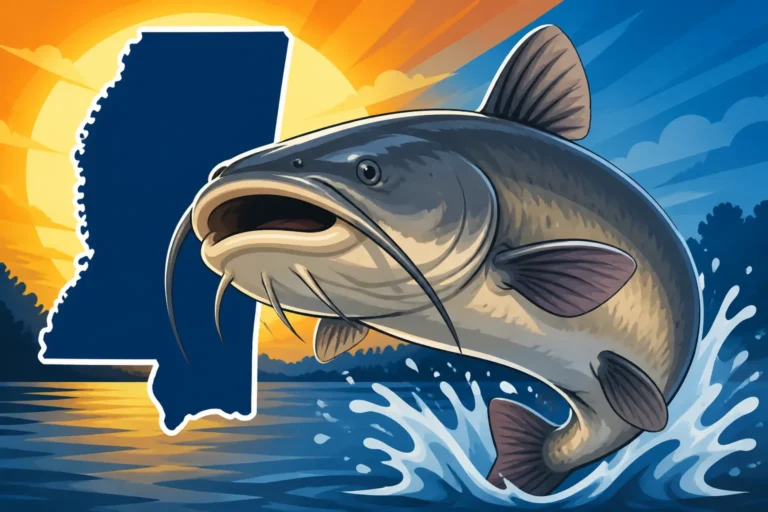
The Mississippi River isn't just a waterway; it's an ecosystem perfectly engineered for growing some of the largest freshwater fish in North America. When we talk about blue catfish, we're not just discussing a species, but a true leviathan that thrives in these expansive, nutrient-rich waters. Anglers from all over flock to this river system, specifically drawn by the allure of tangling with these incredible fish, many of which can reach truly astounding sizes.
Why the Mississippi River Grows Giants
So, what exactly is it about the Mississippi River that turns a modest blue catfish into a genuine monster? It really comes down to a perfect storm of environmental factors. First off, the sheer size and depth of the river provide vast, undisturbed habitats where these fish can grow old and large without intense pressure. Deep channels, massive scour holes, and sprawling current breaks offer ideal sanctuaries for them to thrive.
Beyond the real estate, the Mississippi is incredibly fertile. It's a highway of nutrients, constantly flushing down organic matter and baitfish from tributaries all along its length. This means an almost endless buffet for blue catfish. They have access to an incredible food supply, from shad and skipjack herring to smaller carp and even mussels, allowing them to pack on pounds at an impressive rate. The constant current also keeps these food sources moving, making feeding efficient for these opportunistic predators. All these elements combined create an environment where these fish don't just survive; they absolutely flourish.
The Lifespan and Growth Rate of Blue Catfish
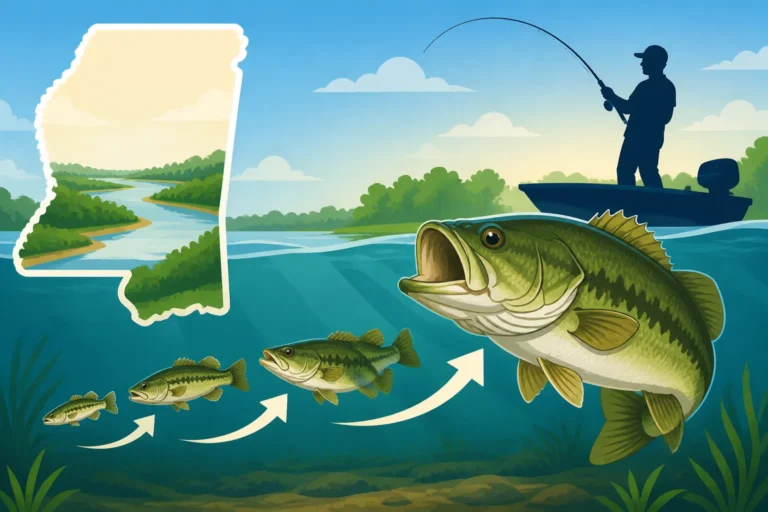
Blue catfish are known for their longevity, which directly contributes to their ability to reach colossal sizes. A blue catfish in the Mississippi River can easily live for 20 to 30 years, and some even longer in ideal conditions. Just imagine a fish that's been swimming and feeding in that powerful current for decades—it’s no wonder they can get so big! This extended lifespan allows them to continuously add weight and length, year after year.
Their growth rate, especially in their early years, is quite rapid when food is abundant. They don't just grow outward; they grow thick and muscular from constantly battling the river's flow. While they start small, by the time they reach adulthood, say around 5-7 years old, they are already respectable-sized fish. But it’s those older, wiser fish that truly become the giants we often hear about. They learn to hunt efficiently, find the best feeding lanes, and avoid predators and anglers, all contributing to their incredible size potential. Learning more about their life cycle can really help you understand what you're up against, and why they're such a prized catch, as detailed in Blue Catfish Fishing in Mississippi.
Average vs. Trophy Size Blue Catfish
When you head out onto the Mississippi, it's good to have realistic expectations, but also to understand the potential for that once-in-a-lifetime catch. There's a big difference between a typical day's haul and landing a true river monster. Knowing what qualifies as "average" versus "trophy" can help you set your goals and appreciate every fish you bring to the boat.
What to Expect on a Typical Trip
On an average day fishing the Mississippi River for blue catfish, especially if you're targeting them for a fish fry or just some solid action, you'll likely encounter fish ranging from a few pounds up to the 15-20 pound mark. These are healthy, hard-fighting fish that provide excellent sport and make for a great meal. You might even hook into a few in the 25-30 pound range, which are fantastic catches by any standard. This is particularly true if you're fishing areas with good structure and plenty of baitfish.
These average-sized cats are abundant and respond well to various Catfish Fishing Techniques. They’re feisty, put a good bend in your rod, and keep the adrenaline flowing. Don't underestimate them; even a 10-pound blue cat in the strong Mississippi current can feel like a much larger fish, testing your gear and your angling skills. It’s these consistent catches that make river catfishing such a popular pastime for so many.
Pursuing State Record and Trophy Catfish
Now, if you're aiming for those truly legendary fish—the ones that earn you bragging rights and maybe even a spot in the record books—you're talking about a different ballgame. A trophy blue catfish on the Mississippi River typically starts at 50 pounds and can go well over 100 pounds. The current state record, for example, is a testament to the river's potential. These aren't fish you catch every day; they require specific strategies, a lot of patience, and a bit of luck.
Targeting these giants often means using specialized heavy tackle, larger baits, and focusing on very specific, deep-water structure that holds these mature fish. Think about searching for Biggest Catfish Ever Caught in the Mississippi River spots, often in areas with strong current seams, deep holes, or submerged timber where these behemoths can ambush prey and conserve energy. It's a commitment, but the reward of battling a true river giant, feeling that raw power on the end of your line, is an unforgettable experience. Many anglers dedicate their entire season to pursuing just one or two of these magnificent creatures.
Factors Influencing Blue Catfish Size
It’s not just about being in the Mississippi River; several crucial factors combine to determine just how big a blue catfish can get. Understanding these influences can help you refine your fishing strategy and even predict where you might find the truly massive ones.
Food Availability and Diet
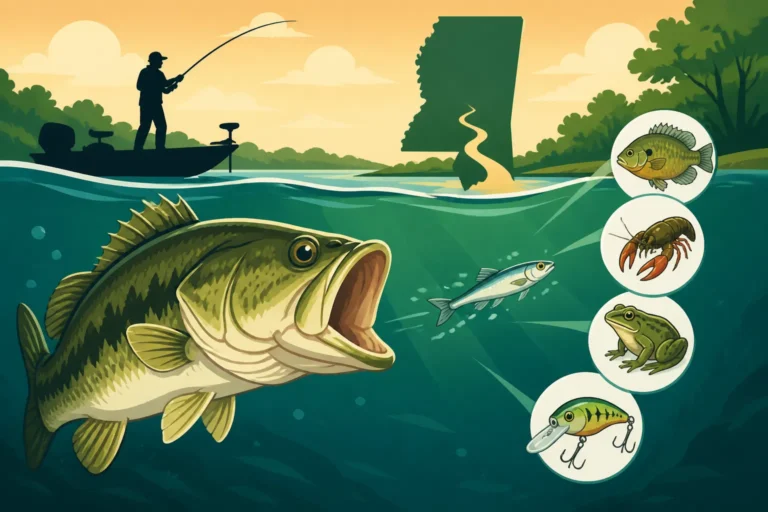
The old saying "you are what you eat" holds incredibly true for blue catfish. The sheer volume and variety of forage available in the Mississippi River are primary drivers of their growth. Blue catfish are opportunistic predators, and the river provides an endless buffet. Their diet largely consists of other fish, particularly shad species like gizzard shad and threadfin shad, as well as skipjack herring. These baitfish are plentiful in the Mississippi, and they are packed with the protein and fat necessary for rapid growth.
Beyond baitfish, blue cats will also consume crayfish, mussels, and even smaller carp. Essentially, if it fits in their mouth and is nutritious, they'll eat it. Areas with dense concentrations of these baitfish are always going to be hotspots for larger blue catfish, as they provide the consistent, high-calorie meals needed for exponential growth. This constant and diverse food source means that blue catfish don't have to expend excessive energy searching for food, allowing them to allocate more energy to growing bigger and stronger. To maximize your chances, understanding What Catfish Eat in Mississippi Rivers is key to choosing the right bait.
Habitat and Water Conditions
The physical environment of the Mississippi River plays an equally critical role in nurturing these colossal cats. The river offers an incredible diversity of habitats, from vast main channel depths to intricate backwater lakes and tributary junctions. Large blue catfish often prefer deeper, cooler water with good current, congregating around submerged structures like rock piles, deep scour holes, timber, and channel edges. These areas provide cover, ambush points for feeding, and protection from the elements.
Water conditions also matter immensely. Consistent oxygen levels, a stable food chain, and suitable water temperatures for metabolism are all vital. While blue catfish are incredibly resilient, periods of extreme water temperature or prolonged low oxygen can affect their health and growth. However, the Mississippi's massive flow generally buffers against these extremes, maintaining a relatively stable environment where these fish can thrive. The sheer volume of water also means plenty of room for large fish to roam without feeling constrained, reducing stress and allowing for optimal growth.
Angler Pressure and Conservation
While the Mississippi River is vast, angler pressure can still play a role in the size distribution of blue catfish, especially in more accessible or heavily fished areas. High fishing pressure, particularly if many larger fish are harvested, can potentially reduce the average size of fish in a localized population over time. However, many anglers who target trophy blue catfish practice catch-and-release to preserve these magnificent breeding fish for future generations.
Conservation efforts and responsible angling are critical to maintaining the health of the blue catfish population and ensuring the opportunity to catch truly large fish continues. Understanding and adhering to Mississippi Catfish Regulations is vital, as these rules are designed to protect the resource. By being mindful of creel and size limits, and considering releasing larger breeding females, anglers contribute to a sustainable fishery where giants can continue to grow and reproduce, ensuring that the dream of landing a monster blue cat remains a reality.
Equipment and Techniques for Big River Cats
You can't just show up to the Mississippi with a panfish rod and expect to land a 50-pound blue catfish. These fish are powerful, and the river itself demands serious gear and specific strategies. Getting your setup right is half the battle. If you're planning a trip to the Mississippi River Fishing Guide, you’ll want to be well-prepared.
Heavy-Duty Rods and Reels
When you're dealing with blue catfish that can weigh as much as a small person, your rod and reel combo needs to be robust. Think heavy-action rods, typically 7 to 9 feet long, with a strong backbone to handle the intense fight and the heavy leads needed to hold bottom in the current. Look for rods designed specifically for big catfishing or surf fishing, which can stand up to the abuse.
Pair these rods with large, durable baitcasting reels. Many anglers prefer conventional reels for their power and line capacity, allowing them to fight big fish in heavy current without fear of being spooled. You'll want reels with excellent drag systems that can be smoothly adjusted under pressure. Spool them up with strong braided line, often in the 60 to 100-pound test range, or heavy monofilament. The heavy line helps with abrasion resistance against submerged timber and rocks, and it gives you the stopping power needed for a truly massive fish. Don't skimp on quality; a broken reel or snapped line is a heartbreaker when a trophy is on the other end. You can find some excellent heavy-duty setups on platforms like Amazon, offering a wide range of options to suit your budget and preferences.
Best Baits for Large Blue Catfish
When it comes to bait, big blue catfish want big, bloody, and smelly offerings. Live or cut bait is king on the Mississippi. Shad, particularly gizzard shad and skipjack herring, are hands-down the top choice. These are native forage fish, and blue cats instinctively key in on them. If you can catch your own fresh shad or skipjack, you're at a significant advantage. Cut these baits into large chunks, ensuring they emit plenty of scent.
Other effective options include cut carp, buffalo, or even smaller live bluegills (where legal). The key is to use a bait size appropriate for the size of fish you're targeting—a smaller piece of cut bait might get you smaller cats, but a substantial chunk is what those 50+ pounders are looking for. Avoid small worms or shrimp if trophy cats are your goal; they simply don't offer enough scent or bulk to attract the giants. You'll find a deeper dive into this topic in Best Bait for Catfish in Mississippi.
Mastering River Catfishing Techniques
Fishing for big blue catfish in the Mississippi isn't just about dropping a line; it's about strategy. One of the most common and effective techniques is anchoring your boat upstream of structure (like a log jam, current seam, or deep hole) and fan-casting multiple lines downstream into the strike zone. You'll use heavy sinkers, often 8-12 ounces or more, to keep your bait pinned to the bottom in the strong current. Learning How to Anchor Properly for River Catfishing is paramount.
Another popular method, especially when fish are scattered or difficult to locate, is drift fishing. This involves letting your boat slowly drift downstream with the current, dragging baits along the bottom. This technique allows you to cover a lot of water and present your bait to a wider range of potential fish. Regardless of the method, always pay attention to your rod tips for the tell-tale "thump" of a blue cat picking up the bait. Be patient, but be ready; when a big one hits, it's often with surprising force! Remember, precise placement of your bait, often in areas where baitfish funnel or hold, can make all the difference, as discussed in How to Catch Big Blue Catfish in Rivers.
Here’s a quick overview of what you might expect when targeting blue catfish on the Mississippi:
| Category | Average Blue Catfish (Typical Trip) | Trophy Blue Catfish (Targeted Effort) |
|---|---|---|
| Weight Range | 5 – 25 pounds | 50+ pounds |
| Length Range | 20 – 35 inches | 40+ inches |
| Primary Habitat | Channels, current seams, deeper bends | Deepest holes, heavy submerged timber, major current breaks |
| Bait Size | Moderate cut bait (e.g., 1/2 shad) | Large cut bait (e.g., whole shad, large chunks of carp) |
| Gear Required | Medium-Heavy to Heavy rods, 30-50 lb line | Heavy to Extra-Heavy rods, 60-100 lb braided line |
| Likelihood of Catch | High, good numbers often present | Low, requires persistence and specific knowledge |
Remember, the Mississippi River offers an incredible experience for any angler, from those looking for a consistent bite to those with their sights set on a new personal best. Whether you're rigging up with gear bought conveniently from Amazon or preparing your own fresh cut bait, every trip out on the water is an adventure.
The blue catfish in the Mississippi River are a testament to the sheer power and productivity of this iconic waterway. While the average catch will certainly provide plenty of excitement, the potential for truly massive, arm-stretching giants is always there. It’s that dream of hooking into a fish of a lifetime that keeps so many of us coming back to the river, cast after cast. So gear up, study the river, and get ready for some serious fishing!
Disclaimer
This article is for general informational purposes only and does not constitute professional advice. Laws, prices and regulations vary by location and change over time. Consult a qualified professional for guidance on your specific situation.