Why Mississippi Doesn’t Have Ice Fishing
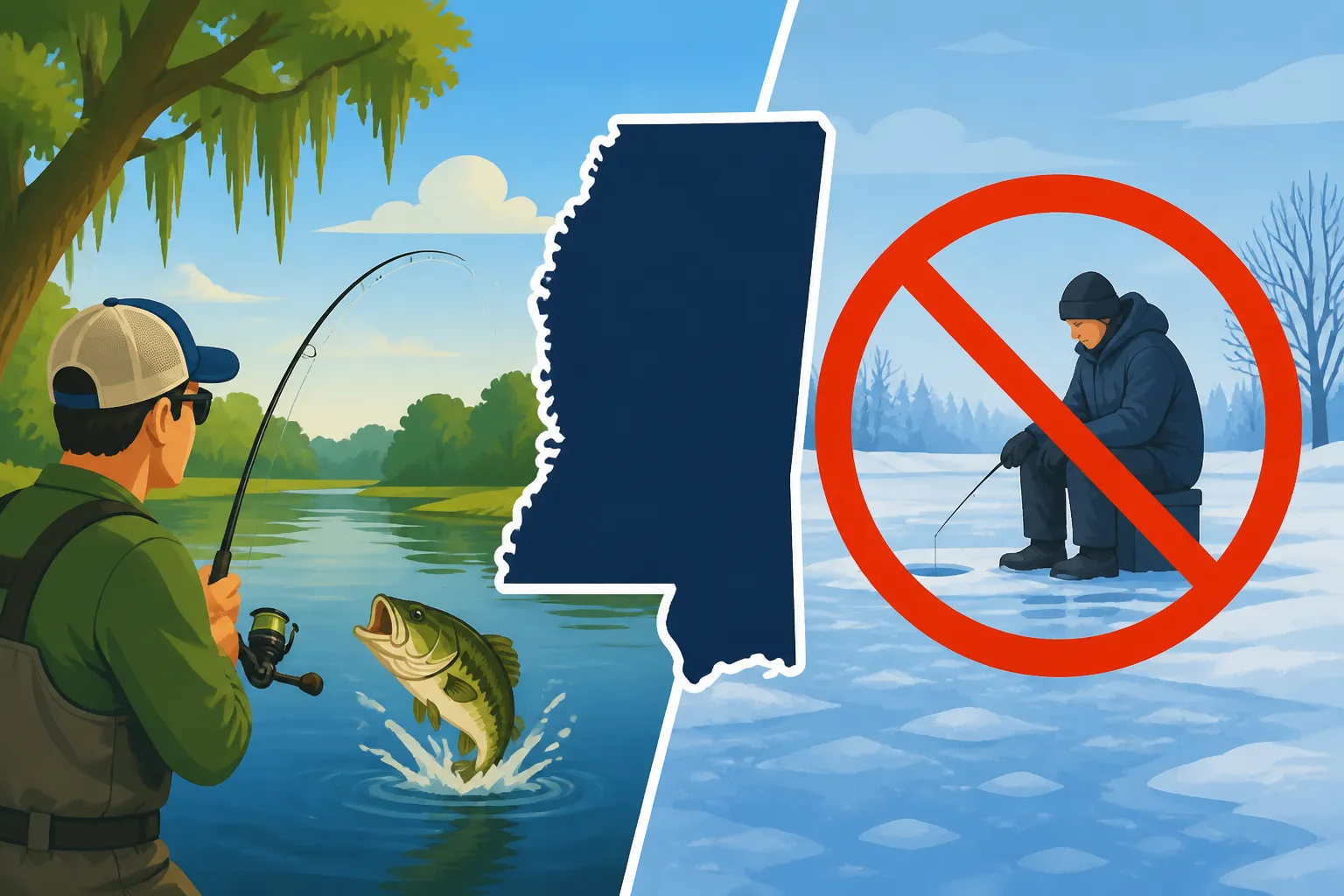
It's a common daydream for many anglers, especially if you've ever watched videos or heard stories from friends up north: bundling up, drilling a hole in a frozen lake, and pulling fish through the ice. There’s a certain rugged charm to ice fishing, a quiet solitude broken only by the crackle of the ice and the tug on your line. But if you've ever wondered why you don't see shanties popping up on Ross Barnett Reservoir or Grenada Lake when the temperatures dip, you're not alone. The truth is, ice fishing just isn't a thing here in Mississippi, and this guide will break down exactly why our beloved Magnolia State prefers open water, even in the dead of winter.
The Unforgiving Realities of Mississippi's Climate
Let's get straight to the heart of it: Mississippi's climate is simply not designed for safe, consistent ice formation. We're a southern state, and while we definitely get our fair share of chilly days, even a cold snap rarely lasts long enough to create the kind of solid, dependable ice needed for ice fishing. It’s a stark contrast to states further north, where sustained sub-freezing temperatures are the norm for weeks, if not months.
Brief Cold Snaps vs. Sustained Freezing
The biggest factor here is the duration of cold weather. In Mississippi, we might get a few nights where the thermometer dips into the low 20s or even teens, causing a thin skim of ice to form on smaller, shallower ponds or protected coves. It looks promising, doesn't it? You might even see a light dusting of snow, making everything feel perfectly wintery. But then, almost inevitably, a warm front rolls in, or the sun comes out strong the next day, and those icy hopes melt away faster than a snow cone in July.
For safe ice fishing, you don't just need a freeze; you need a sustained freeze. We're talking about days, even weeks, of temperatures well below freezing, ensuring that the ice isn't just a surface layer but a substantial, load-bearing sheet. Our average winter temperatures, even in January, hover in the 40s and 50s during the day, which is far too warm to maintain significant ice thickness. This means that while you might wake up to frost-covered landscapes, the chance of a lake freezing solid enough to walk on, let alone set up a shelter, is incredibly slim and fleeting.
Warm Water Inflows and Large Bodies of Water
Another critical element is the nature of our waterways. Many of Mississippi's prime fishing spots are large reservoirs or rivers with significant water flow. Moving water, especially deeper rivers like parts of the Mississippi River, is far more resistant to freezing than stagnant, shallow ponds. The constant current prevents the water from settling into a still, cold mass required for ice formation. Even our big lakes like Ross Barnett Reservoir, Grenada Lake, and Sardis Lake are simply too vast and deep, with too much thermal mass, to freeze completely and reliably.
These large bodies of water also often have warmer inflows from rivers and creeks, or even industrial discharges, that further disrupt any potential for stable ice. The sheer volume of water means it takes an extraordinary amount of sustained cold to cool the entire water column down to freezing point. So, while a small puddle in your backyard might freeze solid overnight, the idea of walking across a major Mississippi lake is simply not feasible or safe, given our typical winter conditions.
The Science of Safe Ice and Why Mississippi Doesn't Meet It
Ice fishing isn't just about finding a frozen surface; it's about finding a safe frozen surface. There's a whole science behind determining when ice is thick enough to support human weight, and Mississippi rarely, if ever, reaches these crucial benchmarks. Ignoring these safety guidelines can lead to tragic accidents, which is why state wildlife agencies in colder climates issue regular ice thickness reports.
Minimum Ice Thickness for Various Activities
Let's talk numbers, because when it comes to ice safety, specifics matter. These are general guidelines, and it's always critical to consult local authorities in areas where ice fishing is common.
| Activity | Minimum Ice Thickness (Inches) | What it Means for Mississippi |
|---|---|---|
| Ice fishing on foot | 4 | Extremely rare, very brief. |
| Snowmobile/ATV | 5-7 | Virtually unheard of. |
| Small car | 8-12 | Impossible. |
| Medium truck | 12-15 | Impossible. |
Even for just walking out to drop a line, you need a minimum of four inches of clear, solid ice. Not slush, not patchy ice, but consistently thick, strong ice. Think about how often we see four inches of ice here, even on the smallest, most protected ponds. It’s almost never. The kind of conditions that would produce that kind of ice are so infrequent and short-lived that it’s simply not a viable or advisable activity. Trying to venture out on anything less is incredibly dangerous, and Mississippi's climate simply doesn't allow for the consistent formation of such robust ice.
The Dynamics of Freezing and Thawing Cycles
Our winter weather often involves dramatic temperature swings. We might have a night that drops to 25°F, followed by a day that hits 55°F. These constant freeze-thaw cycles are the enemy of strong ice. When ice thaws and refreezes, its structural integrity is severely compromised. It becomes brittle, honeycombed, and unpredictable, often referred to as "rotten ice." This kind of ice might look thick in places, but it's incredibly weak and can give way without warning.
In Mississippi, the ice that does form is usually quite fragile to begin with, and our frequent temperature fluctuations ensure it never matures into the stable, safe platform needed for ice fishing. You might see a thin, milky film on a pond, but that’s not something you’d ever trust your weight on. The ice that does form is typically shallow, often cloudy from air bubbles, and extremely susceptible to rapid melting from even a few hours of sunshine or a slight increase in air temperature.
Embracing Mississippi's Year-Round Open Water Fishing
So, while we might not get to experience the unique thrill of ice fishing, Mississippi offers an incredible silver lining: fantastic year-round open water fishing! Instead of lamenting what we don't have, we get to celebrate the fact that our rods and reels never truly have to go into hibernation. Our milder winters mean the fish remain active, and dedicated anglers can find plenty of action throughout the cooler months.
Winter Fishing Opportunities: A Hidden Gem
Many anglers pack up their gear once autumn leaves start to fall, but that's a mistake in Mississippi! Winter fishing here can be incredibly rewarding. The crowds thin out, and often, the biggest fish of the year are caught during these cooler periods. Crappie, bass, and catfish are still very much on the bite, though their patterns might change. They'll often move to deeper structures, channel edges, or brush piles where water temperatures are more stable.
For crappie, spots like Grenada Lake and Sardis Lake are legendary even in winter. Anglers often find success slow-trolling jigs or minnows in deeper channels or around submerged timber. You can learn more about techniques in our guide to How to Catch Crappie in Cold Winter Water. Bass might be a bit more lethargic, but they still need to eat. Jerkbaits, slow-rolled spinnerbaits, or even jigs fished painstakingly slowly can entice bites from larger, colder-water bass. Even catfish remain active, often hugging the bottom in deeper holes in rivers and reservoirs.
This means that instead of drilling holes, you can launch your boat, cast from the bank, or even head out on a kayak. You can find a vast array of fishing tackle and cold-weather gear to keep you comfortable during these trips on platforms like Amazon. From insulated waders to waterproof jackets, having the right equipment makes all the difference for a comfortable and productive day on the water.
Species That Thrive in Cooler Waters
Several of our most popular game fish remain quite active even when the air gets crisp.
- Crappie: White and Black Crappie are notorious for schooling up in deeper water during winter, making them a prime target. Once you find a school, you can often catch several in one spot.
- Largemouth Bass: While their metabolism slows, bass still feed. Targeting them near steep drops, deep points, or even vertical structures can yield impressive results. Our Bass Fishing Techniques for Mississippi Anglers can offer more insights into this year-round pursuit.
- Catfish: Channel, Blue, and Flathead catfish are robust fish that tolerate colder temperatures well. They'll often concentrate in deep holes and channels in rivers like the Pearl River or the Mississippi River.
- Bream/Bluegill: Even our beloved panfish can be caught in winter, often in deeper water near structure, especially on warmer winter days.
Instead of ice shacks, imagine a quiet morning on a glassy lake, the mist rising as the sun breaks through, and you have the whole place to yourself. That's a typical winter fishing scene in Mississippi. And let's not forget the coastal opportunities! While the freshwater lakes are accessible, the Mississippi Gulf Coast offers a completely different experience with species like redfish and speckled trout remaining active throughout the milder winter months.
Preparing for Winter Fishing in Mississippi
Even without ice, fishing in Mississippi during the colder months requires a bit of preparation. The right gear and understanding how fish behave in cooler water can dramatically increase your success and comfort. You’ll want to be ready for anything our unpredictable winter weather throws at you.
Essential Gear for Cold Weather Comfort
Staying warm and dry is paramount when fishing in winter, even if it's not truly freezing. The air might be cool, but the water can be downright frigid.
- Layered Clothing: This is key. Start with a moisture-wicking base layer, add insulating layers like fleece, and finish with a waterproof and windproof outer shell. Brands often found on Amazon offer a wide range of suitable options.
- Insulated Boots: Wet, cold feet are miserable. Invest in good quality, insulated, waterproof boots.
- Warm Hat and Gloves: A significant amount of body heat is lost through your head and hands. A warm beanie and waterproof gloves are non-negotiable.
- Hot Beverages: A thermos with coffee, tea, or hot chocolate can be a game-changer for morale and warmth.
- Safety Gear: Always wear a life jacket, especially when fishing from a boat or kayak in cold water. Hypothermia is a serious risk if you were to fall in.
For those who enjoy bank fishing, consider a portable chair and maybe even a small, portable heater (safely used!) if you plan on extended sessions. Having access to warm snacks and drinks can make a long day much more enjoyable.
Adapting Your Techniques for Cooler Water
Fish react differently when the water temperature drops. Their metabolism slows down, making them less aggressive and less likely to chase a fast-moving lure.
- Slow Down Everything: This is the golden rule for winter fishing. Retrieve lures at a snail's pace, let baits sit longer, and pause frequently.
- Target Deeper Water and Structure: Fish will often seek out the most stable water temperatures, which are usually in deeper areas or around submerged structures like brush piles, ledges, and creek channels. Using your fish finder to locate these spots is crucial.
- Downsize Your Baits: Sometimes, a smaller, more subtle presentation is what it takes to get a bite from a sluggish fish. Think small jigs, tiny grubs, or finesse worms for bass.
- Live Bait Can Be King: Minnows for crappie, worms for bream, or cut bait for catfish are often irresistible to cold-water fish when artificial lures aren't producing. Many anglers will purchase fresh live bait from local tackle shops.
- Observe and Adapt: Pay close attention to subtle bites and patterns. What worked yesterday might not work today. Factors like barometric pressure and recent cold fronts can significantly impact fish behavior. Our Mississippi Fishing Seasons Calendar provides a general overview, but winter fishing often requires day-to-day adaptation.
Remember, Mississippi offers fantastic fishing year-round. While ice fishing might be a northern dream, our mild winters mean we can keep our lines wet and enjoy the peace and thrill of angling through every season. So, bundle up, grab your gear (perhaps a new lure or a comfy vest from Amazon!), and head out to enjoy the unique charm of winter fishing in the Magnolia State!
Disclaimer
This article is for general informational purposes only and does not constitute professional advice. Laws, prices and regulations vary by location and change over time. Consult a qualified professional for guidance on your specific situation.