Mississippi Spring Fishing Guide
Spring in Mississippi is a magical time for anglers, but let's be honest, it can also be a little overwhelming. The weather can be fickle, fish patterns shift faster than you can tie a knot, and knowing where to even begin can feel like a riddle. This guide is designed to cut through the confusion, offering a realistic, in-depth look at what to expect and how to maximize your success during Mississippi's vibrant spring fishing season, from our bustling freshwater lakes to the Gulf Coast's salty shores.
Understanding the Mississippi Spring Fishing Rush
When the calendar flips to March and the days start getting noticeably longer, something shifts in Mississippi. It's not just the azaleas blooming; it's a primal stir beneath the water's surface. This season, stretching through April and into May, represents a prime window of opportunity for anglers across the state, but it’s far from a set-it-and-forget-it scenario. Understanding the underlying biological drives of the fish and the environmental cues is key to unlocking consistent success.
The Biological Wake-Up Call: Why Spring is Prime Time
After the dormancy of winter, spring brings a resurgence of life and activity to Mississippi's waters. Rising water temperatures are the primary trigger, signaling to fish that it's time to feed aggressively and prepare for spawning. This metabolic boost means fish are often more active and willing to chase down a meal, making them more susceptible to angler presentations. Think of it like us after a long, cold winter; we're ready to get out, move around, and enjoy some good food! The warmer waters also kickstart the food chain, with baitfish becoming more active, insects hatching, and aquatic vegetation beginning to flourish, providing both cover and forage. It’s a complete ecosystem reset that puts everything in motion.
This period sees fish moving from their deeper winter haunts into shallower waters, often congregating in predictable areas where they can find warmth, food, and suitable spawning grounds. For many species, this means easy access for both boat and bank anglers. The shift from cold, sluggish behavior to active feeding and breeding makes spring arguably the most exciting time to be on the water. It's a race against the clock for these fish, and that urgency translates into fantastic fishing opportunities.
Anticipating the Spawn: Species by Species
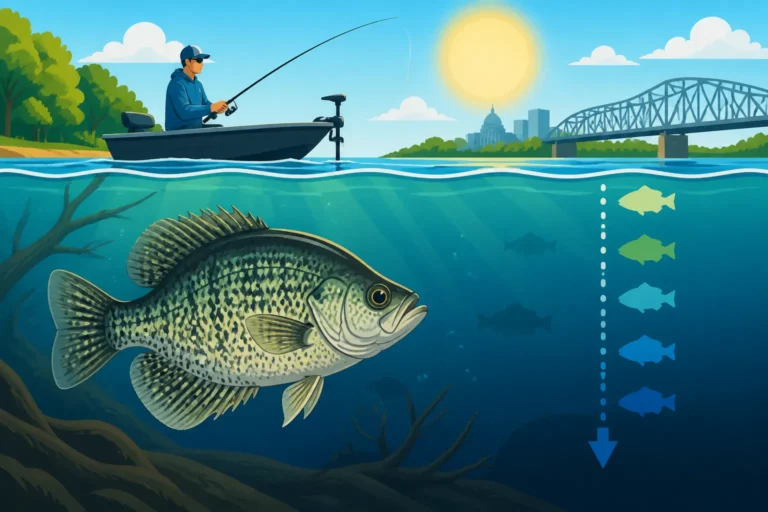
The spawn is the undeniable main event of spring fishing, and knowing when and where different species are preparing to breed is paramount. For crappie, the spawn often kicks off when water temperatures consistently hit the low to mid-60s Fahrenheit, usually starting in late February or early March in the southern parts of the state and progressing north through April. They'll move into incredibly shallow water, often around brush piles, submerged timber, or even lily pad stems, making them relatively easy to target. Understanding the local nuances for each lake is critical; for instance, you'll find different crappie patterns when comparing Grenada Lake vs Sardis Lake for Crappie.
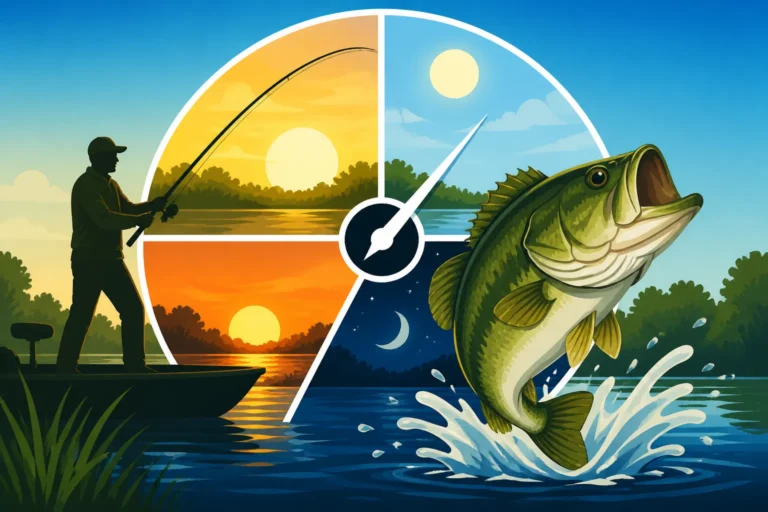
Largemouth bass, another Mississippi favorite, typically follow shortly after crappie, with their spawn beginning when water temperatures consistently reach the mid-60s to low 70s. This usually means April and early May for most of the state. They'll seek out hard bottoms in protected coves, pockets, and along gradual points, fanning out beds to lay their eggs. Knowing When Do Bass Spawn in Mississippi? can give you a significant advantage. Catfish, while spawning later in summer, will enter an intense pre-spawn feeding frenzy in spring, often found in staging areas near their eventual nesting sites like hollow logs or undercut banks. Even bream and bluegill begin their pre-spawn movements, becoming active in shallow, warmer water, providing excellent opportunities for light tackle anglers and families.
The Buzz and Bust: Managing Expectations
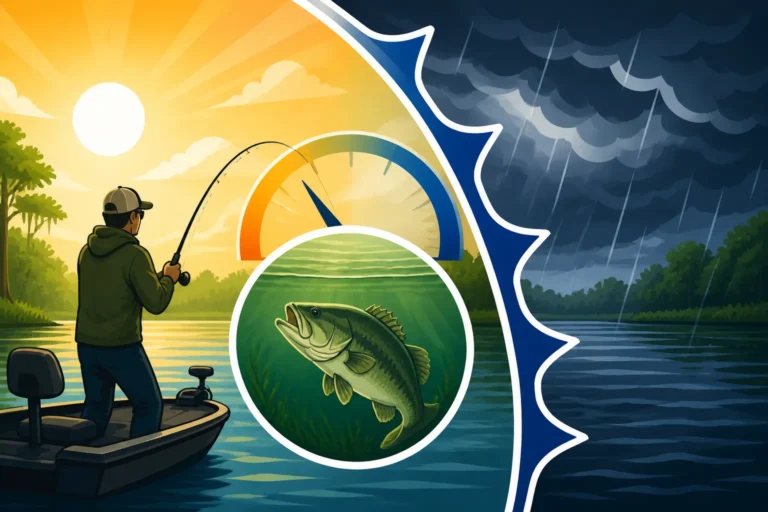
While spring is often heralded as the "best" time to fish, it's not without its challenges, and managing your expectations is crucial. The weather in Mississippi during spring can be notoriously volatile. One day you might be fishing in a t-shirt, and the next you're bundled up against a cold front, complete with pouring rain and dropping temperatures. These sudden shifts can cause fish to become lethargic and move back to deeper water, making them harder to locate and tempt. It's vital to stay updated on the local weather forecast and understand how to fish after a cold front.
Another factor is fishing pressure. Since everyone knows spring is prime time, popular spots can become crowded, especially on weekends. This increased pressure can make fish wary and more challenging to catch. Furthermore, not every day is a "banner" day, even in spring. Fish behavior is influenced by countless factors, and sometimes, despite your best efforts, they just won't cooperate. The key is to embrace the process, adapt your techniques, and remember that even a slow day on the water is better than a good day at work. Patience and persistence are your best allies during this dynamic season.
Freshwater Spring Fishing Hotspots and Species
Mississippi is blessed with an abundance of fantastic freshwater fishing opportunities, and spring truly brings these waters to life. From massive flood control reservoirs to winding river systems, there's a spring bite for every type of angler. Knowing where to go and what to target can make all the difference between a memorable day and a frustrating one.
Chasing Crappie in Mississippi's Big Lakes
Crappie are arguably the most sought-after fish in Mississippi during the spring, and for good reason. As the water warms, these slab-sided beauties move incredibly shallow to spawn, often in water so skinny you'd think only minnows lived there. The "Big Four" reservoirs – Grenada Lake, Sardis Lake, Enid Lake, and Arkabutla Lake – are world-renowned for their crappie fisheries, consistently producing both numbers and trophy-sized fish. You can find detailed information in the Grenada Lake Fishing Guide and the Sardis Lake Fishing Guide. These lakes are managed intensely by the Mississippi Department of Wildlife, Fisheries, and Parks (MDWFP) to maintain their status as crappie meccas.
Anglers often target them by slow trolling with multiple rods (spider rigging) just outside spawning areas, or by casting jigs and minnows directly into shallow cover once the fish move up. Popular areas include creek channels, flooded timber, and dense brush piles. Understanding the nuances of Mississippi Crappie Regulations by Lake is crucial, as limits and sizes can vary. Other fantastic crappie spots include Ross Barnett Reservoir, often overlooked but holding great crappie, and smaller state fishing lakes like Lake Washington and Eagle Lake. The key is to locate structure in shallow, protected bays or coves where the water can warm quickly, providing an ideal environment for crappie to stage and spawn.
Battling Bass in Reservoirs and River Systems
Spring is synonymous with big bass, as both largemouth and spotted bass become exceptionally active, feeding heavily in preparation for and during their spawn. Mississippi's reservoirs, particularly Ross Barnett Reservoir, Pickwick Lake, and Bay Springs Lake, offer incredible bass fishing. The shallow, warming waters of coves, pockets, and flats become prime real estate for staging and spawning bass. You'll find a wealth of information in the Ross Barnett Reservoir Fishing Guide. River systems like the Pearl River, Pascagoula River, and the upper reaches of the Tennessee-Tombigbee Waterway also host vibrant bass populations, with fish often found along current breaks, oxbows, and around log jams.
During the pre-spawn, bass will gorge themselves, making them aggressive hitters on a variety of lures. Once the spawn begins, sight fishing for bass on beds can be a thrilling challenge, though many anglers prefer to target the aggressive males guarding fry or the post-spawn females recovering nearby. Don't forget to review the Mississippi Black Bass Regulations, as daily limits and size restrictions are in place to protect these valuable fish. Whether you're targeting the heavy largemouth in a reservoir or the feisty spotted bass in a river, spring offers some of the best opportunities for trophy bass fishing in Mississippi.
Catfish and Bream: Underappreciated Spring Targets
While crappie and bass often steal the spring fishing spotlight, catfish and bream (bluegill, redear sunfish, and other panfish) offer fantastic and often less crowded opportunities. Catfish, including channel, blue, and flathead varieties, emerge from their winter sluggishness with a voracious appetite in the spring. They'll start moving into shallower areas of rivers and reservoirs, particularly along creek channels, points, and flats adjacent to deeper water, to feed heavily before their later summer spawn. Night fishing can be especially productive for catfish as they become more active under the cover of darkness.
Bream, on the other hand, begin their spawning rituals in late spring and will continue through summer, but their pre-spawn activity in April and May is excellent. These feisty panfish congregate in vast numbers in shallow, protected coves and along shorelines, especially around vegetation, docks, and submerged timber. They're an ideal target for anglers of all ages, offering consistent action and a delicious meal. Light tackle, a simple bobber, and a cricket or worm are all you need for a fantastic day of bream fishing. For more details on these species, check out Catfish Fishing in Mississippi and Bream and Bluegill Fishing in Mississippi. These fish provide a wonderful alternative to the crappie and bass craze, offering solitude and plenty of bending rods.
Coastal Spring Fishing Opportunities and Target Species
Beyond the freshwater riches, Mississippi's Gulf Coast truly shines in the spring. The warming waters of the Mississippi Sound and its bayous, bays, and offshore waters create a vibrant fishery, attracting both resident species and migratory visitors. It's a prime time to explore the diverse coastal environment and hook into some spectacular saltwater action. Be sure to understand the specific rules in the Mississippi Saltwater Sportfishing License Guide if you're planning a trip.
Inshore Excitement: Speckled Trout and Redfish Galore
Spring is hands down one of the best times of year to target speckled trout and redfish in the shallow, nutrient-rich waters of the Mississippi Sound and its associated estuaries. As water temperatures climb into the 60s and 70s, these game fish become incredibly active, staging in preparation for their summer spawning periods. They'll be found patrolling grass flats, oyster reefs, bayou mouths, and around structures like piers and jetties. Areas like Biloxi Bay, Bay St. Louis, and the Pascagoula River marshes are prime hunting grounds.
Anglers can have phenomenal success using a variety of techniques. Live shrimp under a popping cork is a classic and highly effective method, drawing strikes from both trout and redfish. Soft plastics, such as those made by Vudu Shrimp or Matrix Shad, jigged along the bottom or retrieved with a steady swim, are also deadly. For redfish, specifically, targeting marsh drains and points with weedless spoons or topwater lures during low light conditions can lead to explosive strikes. Remember to adhere to the Redfish Slot Limit on the Mississippi Gulf Coast and the Speckled Trout Size Limit in Mississippi, as these regulations are strictly enforced to protect these popular species. Catching a "double-digit" speck or a bull red on light tackle in these picturesque settings is a truly unforgettable experience.
Nearshore Action: Sheepshead, Flounder, and More
Just a bit further out from the protected inshore waters, the nearshore environment along the Mississippi Gulf Coast offers a different array of spring targets. As the Gulf waters warm, species that prefer slightly deeper or more structured habitats become more accessible. Sheepshead, with their distinctive striped patterns and human-like teeth, are a favorite challenge for many anglers. They're typically found around barnacle-encrusted pilings, bridge supports, and rock jetties. A small hook baited with live shrimp, fiddler crabs, or even pieces of oyster is often the key to enticing these wary biters.
Flounder also become more active in the spring, moving into shallower sandy areas, mud flats, and around the mouths of bayous. They're masters of camouflage, burying themselves in the bottom and ambushing unsuspecting baitfish. Targeting them with a jig-and-soft-plastic combination or a live finger mullet bounced along the bottom can be very productive. Additionally, various species of white trout, croaker, and ground mullet provide consistent action, particularly when fishing from piers or small boats near the beach. These nearshore opportunities offer a great blend of relaxation and steady catches, perfect for families or those looking for diverse action without venturing too far offshore. Check out the Mississippi Gulf Coast Fishing Guide for more localized tips.
The Offshore Promise: Early Season Red Snapper and Cobia
For the adventurous angler, spring can signal the start of exciting offshore opportunities, particularly with the highly anticipated red snapper season. While the exact dates for federal waters can vary year-to-year and are typically announced closer to summer, Mississippi's state waters often have a slightly different or extended season. Anglers should always check the latest Mississippi Fishing Regulations Explained before planning a trip. Red snapper are powerful, delicious fish that inhabit reefs, wrecks, and artificial structures in the Gulf. Heavy tackle, cut bait, or vertical jigs are standard fare for these deepwater brawlers.
Cobia, often called "ling," are another prized migratory species that begin to appear along the Mississippi Coast in spring. These hard-fighting fish are often found near channel markers, buoys, wrecks, and even patrolling rays or large sharks. They're curious and aggressive, often hitting bucktail jigs, live eels, or large swimbaits. Spotting a cobia cruising near the surface and making a perfect cast is an exhilarating experience. While offshore fishing requires more specialized gear, larger boats, and careful weather planning, the rewards of these early season trophy fish are well worth the effort for those seeking a true big-game challenge.
Essential Spring Fishing Techniques and Baits
Spring's dynamic conditions mean that no single technique or bait will rule them all. Successful spring fishing in Mississippi requires adaptability and a willingness to try different approaches. Fish can be shallow one day and deep the next, aggressive in the morning and finicky by afternoon. Having a versatile tackle box and a repertoire of techniques is your best bet.
Crappie Techniques: From Shallow Jigs to Spider Rigging
Crappie fishing in spring is a multi-faceted game. Early in the season, before the spawn fully kicks in, crappie might still be staging in deeper channels and creek bends. This is where methods like "spider rigging" become highly effective. This technique involves using multiple long rods (often up to eight per angler) rigged with jigs or minnows at various depths, fanning them out from the boat to cover a wide area. Slow trolling along contour lines or creek channels allows you to locate schools of staging fish. For optimal spider rigging, investing in good quality rod holders and a stable boat is key. You can find many of these items on Amazon.
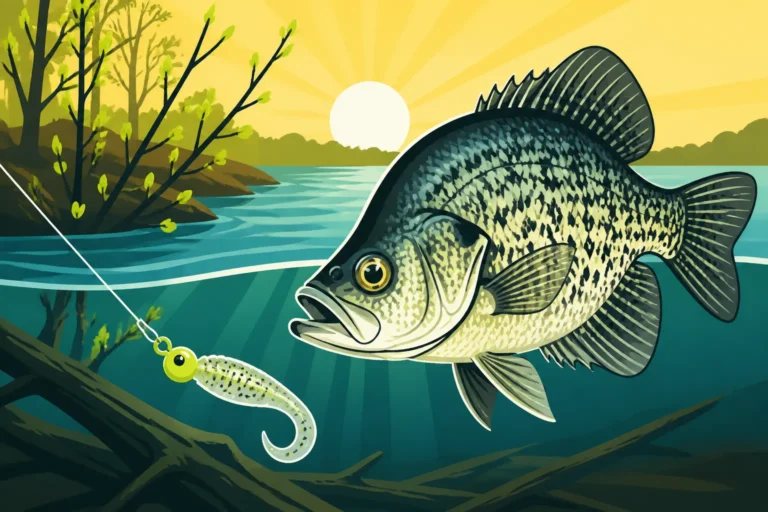
As crappie move shallow for the spawn, usually when water temperatures reach the mid-60s, a more active approach takes over. Casting small jigs (1/32 to 1/16 ounce) or live minnows under a bobber into brush piles, submerged timber, or even lily pad stems becomes incredibly productive. The key is to present your bait slowly and accurately, often just a foot or two beneath the surface in just a few feet of water. Don't be afraid to probe dense cover – that's where the big slabs often hide. For a deeper dive into these strategies, check out Crappie Fishing Techniques for Mississippi Lakes.
Bass Strategies: Lures for the Pre-Spawn and Spawn
Spring bass fishing offers some of the most exciting action of the year, driven by the pre-spawn feeding frenzy and the protective instincts during the spawn. In the early spring, when bass are still staging but feeding aggressively, lipless crankbaits (like a Rat-L-Trap) or bladed jigs (such as a ChatterBait) are excellent choices for covering water quickly and drawing reaction strikes. These lures are fantastic for targeting warmer, shallower pockets and points where bass are moving up.
As bass transition into the spawn, moving onto beds in protected coves, softer presentations become crucial. Jigs, creature baits, and Texas-rigged plastics are perfect for flipping or pitching into visible beds or thick cover where bass are guarding their nests. Many anglers will use specific soft plastic craws or lizards that mimic potential egg predators. During this time, bass aren't necessarily feeding out of hunger but out of aggression to protect their offspring. Post-spawn bass might be a bit lethargic but will recover quickly, often moving to nearby cover or offshore humps, where slower presentations like shaky heads, drop shots, or even topwater frogs in early morning can be highly effective. You can find a vast selection of Best Lures for Largemouth Bass on Amazon.
Baiting for Catfish and Bream Success
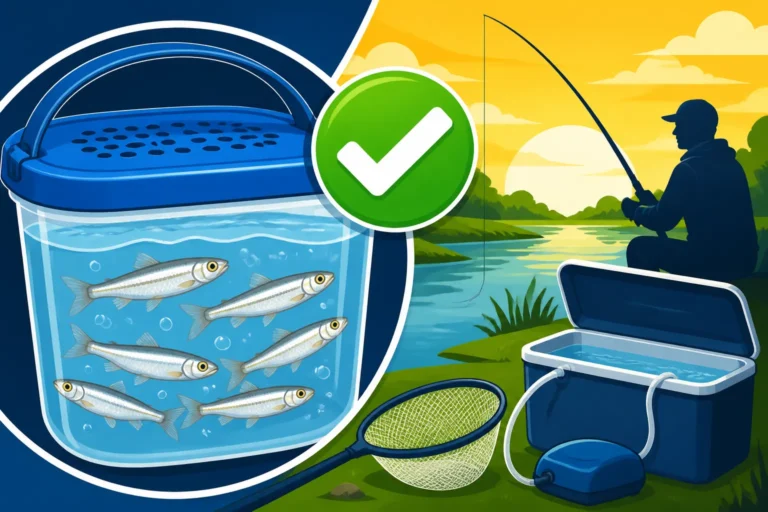
For catfish and bream, simplicity often reigns supreme, especially in the spring. For channel and blue catfish, cut bait is a consistent winner. Freshly cut shad, skipjack herring, or even chicken liver are potent attractants, particularly when fished on the bottom in creek channels, river bends, or deep holes in reservoirs. A simple Carolina rig or a three-way swivel rig works well. The strong scent trail from cut bait is irresistible to hungry spring catfish, which are actively searching for a hearty meal.
Bream, including bluegill and redear sunfish (shellcrackers), are less finicky. Live bait is almost always the best option for these panfish. Crickets are a time-honored favorite, fished under a small bobber near structure like docks, submerged timber, or lily pads. Earthworms and small red wigglers are equally effective. For shellcrackers, which prefer to feed on snails and mollusks, a small piece of worm fished on the bottom in hard-bottomed areas is often the ticket. Artificial options like tiny spinnerbaits or micro jigs can also tempt bream, adding an active dimension to your fishing. Remember that bream fishing is often best during the warmer parts of the day when they are most active in the shallows.
Navigating Weather and Water Conditions in Spring
Spring weather in Mississippi is a beautiful, yet unpredictable beast. One day it's glorious and sunny, the next it's a cold, rainy mess. These rapid shifts in atmospheric pressure, temperature, and water levels can dramatically influence fish behavior. Understanding these dynamics is critical for adapting your approach and still finding success.
Dealing with Spring Cold Fronts and Rain
Nothing can throw a wrench into a hot spring bite like a sudden cold front. When a cold front pushes through, barometric pressure typically rises rapidly, and air temperatures drop. This often causes fish to become lethargic and move from shallow spawning areas back to deeper, more stable water. If you've been on a fantastic shallow bite for crappie or bass, a cold front might mean those fish disappear overnight. Don't despair, just know what to expect. This is where patience truly pays off.
During and immediately after heavy spring rains, water levels can rise, and clarity often decreases dramatically, especially in river systems and reservoirs fed by large tributaries. Muddy water can disperse fish or push them into clearer feeder creeks. However, rising water can also draw fish into newly flooded cover, like grassy banks or timber lines. For bass, dark-colored jigs, spinnerbaits, or vibrating jigs that create a lot of vibration can be effective in stained water. For crappie, don't be afraid to use brighter jig colors or fish a bit slower and closer to cover. It's often a challenge, but adapting to "fishing after heavy rain" can still yield results.
Understanding Water Temperature and Its Impact
Water temperature is arguably the most critical factor influencing fish behavior in the spring. It dictates everything from metabolism to spawning cycles. In early spring, when water temperatures are just starting to climb into the 50s, fish will seek out the warmest water they can find – often shallow, dark-bottomed coves or north-facing banks that receive direct sunlight. This is when the pre-spawn feeding frenzies begin. As the water continues to warm, reaching the mid-60s for crappie and mid-to-high 60s for bass, the fish will move into their prime spawning zones.
Tools like a boat-mounted temperature gauge or even a simple handheld thermometer are invaluable for tracking these crucial temperature ranges. Knowing the Best Water Temperature for Crappie Fishing or When Do Bass Spawn in Mississippi? will help you pinpoint when and where to focus your efforts. A difference of just a few degrees can mean the difference between a barren flat and a productive spawning ground. Paying attention to these subtle temperature cues, especially after a cold front or a sunny stretch, will put you on fish more consistently.
Reading the Mississippi River's Spring Fluctuations
The mighty Mississippi River, and its major tributaries like the Pearl and Pascagoula, present their own unique challenges and opportunities in spring. River systems are highly susceptible to fluctuations in water level and current, driven by rainfall both locally and far upstream. High water in spring can spread fish out into flooded backwaters and oxbows, making them harder to find but potentially opening up new, rich feeding grounds. Conversely, stable or slowly falling water can concentrate fish in main river channels or along current breaks.
Understanding how to read current seams, eddies, and slack water areas is vital for river fishing. Fish will often hold just out of the main current, conserving energy while waiting for food to wash by. Log jams, undercut banks, and wing dams become prime holding spots. Mud lines, where clearer water meets turbid runoff, can also be fantastic ambush points. River conditions can change daily, so staying flexible and being prepared to adjust your strategy based on water clarity, current speed, and depth is the hallmark of a successful river angler. Even smaller rivers and creeks like the Leaf River and Pascagoula River require a keen eye for these subtle but important hydrological cues.
Spring Fishing Gear Essentials and Preparations
Having the right gear and making sure it's in top condition before you hit the water can prevent a lot of frustration and significantly improve your spring fishing success. You don't need to break the bank, but a few key items and proper maintenance go a long way.
Rods, Reels, and Lines for Spring Success
For crappie, light to medium-light action spinning rods, typically 6 to 9 feet long, paired with small spinning reels (1000-2000 size) spooled with 4-8 pound monofilament or fluorocarbon line are ideal. The longer rods help with casting light jigs and provide better leverage for spider rigging. For bass, a more diverse arsenal is beneficial. Medium-heavy action baitcasting rods (6'6" to 7'6") with matching baitcasting reels spooled with 12-20 pound fluorocarbon or braided line are great for jigs, plastics, and heavier moving baits. A medium-action spinning rod (6'6" to 7') with 8-12 pound fluorocarbon is excellent for finesse presentations like shaky heads or wacky worms, especially if fish are finicky. Many reputable brands offer quality rod and reel combos for various budgets, readily available through retailers like Amazon.
For catfish, medium-heavy to heavy action rods, usually 7 to 9 feet, paired with stout baitcasting or conventional reels spooled with 20-50 pound mono or braid are necessary for handling larger fish and heavy weights. Bream fishing is best on ultra-light spinning gear, sometimes even cane poles, with 2-4 pound test line, maximizing the fun of every bite. Before your first trip, always check your line for nicks and abrasions, and consider replacing it if it's been on your reel for a while. A fresh line can prevent heartbreaking break-offs.
Tackle Box Must-Haves: Baits, Hooks, and Weights
Your spring tackle box should be well-stocked and organized. For crappie, include a variety of small jigs (1/32 to 1/16 oz) in popular colors like chartreuse, black and chartreuse, white, and clear with glitter. Stock up on live minnows or Gulp! Alive minnow imitations. Small bobbers, split shot, and hooks (size 2-6 Aberdeen or J-hooks) are essential. For bass, ensure you have an assortment of plastics (worms, lizards, craws) in natural colors like green pumpkin and junebug, along with jig heads, Texas-rig weights (1/8 to 1/2 oz), and wide-gap hooks. Lipless crankbaits, spinnerbaits, and bladed jigs in shad patterns or chartreuse are also crucial.
Catfish anglers need robust hooks (circle hooks size 2/0 to 8/0 are excellent for avoiding gut hooks), heavy weights (1/2 oz to 2 oz pyramid or egg sinkers), swivels, and plenty of strong leader material. Bream fishing requires small hooks (size 6-10 bream hooks), small bobbers, and small split shot. Don't forget a good pair of pliers or forceps for hook removal, a sharp knife, and a ruler or bump board to measure your catch against Mississippi Fishing Creel and Size Limits. Organizing your tackle box by species or lure type can save you valuable fishing time.
Safety First: Apparel and Emergency Gear
Spring weather can change on a dime, so dressing in layers is paramount. A waterproof and windproof jacket is a non-negotiable item for protection against sudden rain showers or brisk winds. Base layers that wick moisture away from your skin, a mid-layer for warmth, and an outer shell for protection are ideal. Don't forget a hat for sun protection, polarized sunglasses to cut glare and spot fish, and waterproof footwear. You can find excellent quality rain gear and layering options on Amazon.
Beyond apparel, always prioritize safety. Ensure your boat's safety gear is up to date: correctly sized life jackets for everyone on board, a whistle or horn, navigation lights (if fishing near dawn/dusk), a fire extinguisher, and a first-aid kit. A fully charged cell phone (in a waterproof case), a portable battery bank, and a spare paddle or trolling motor are smart additions, especially if you venture far from the ramp. Let someone know your fishing plans – where you're going and when you expect to return. Always check local marine forecasts or weather apps before heading out, especially if planning a trip to the Mississippi Gulf Coast. Better safe than sorry when dealing with Mississippi's unpredictable spring weather.
Mississippi Spring Fishing Regulations and Seasons
Understanding and adhering to fishing regulations is not just about avoiding a penalty; it's about protecting Mississippi's precious fisheries for future generations. Rules can sometimes be confusing, with state-wide general limits and specific lake or river regulations. Always double-check the latest information from the Mississippi Department of Wildlife, Fisheries, and Parks (MDWFP). A great place to start is the Mississippi Fishing License Guide.
Key Statewide Spring Regulations to Remember
While specific rules vary by water body and species, several statewide regulations are consistently in place. First and foremost, anyone aged 16 to 64 (inclusive) must possess a valid Mississippi fishing license to fish in public waters. There are some exceptions, such as fishing on private ponds or during designated Free Fishing Days in Mississippi, but it's always best to assume you need one. You can easily purchase or renew your license through the MDWFP website or at authorized vendors. If you're a non-resident, be sure to check the Mississippi Nonresident Fishing License Guide for appropriate license options.
Beyond the license, be aware of general methods of take. Typically, only rod and reel, cane pole, or legal commercial fishing gear are permitted. Trotlines, jug lines, and other passive gear have specific regulations regarding marking, placement, and licensing. Noodling (hand-fishing) for catfish is legal for certain species during a specific season but has strict guidelines. It's also important to understand the statewide definitions of game fish versus non-game fish, as regulations for each category differ significantly. Always carry your license and identification with you when fishing, as game wardens frequently patrol popular spring fishing spots.
Species-Specific Limits and Seasons for Spring
Spring is prime time for many species, and their protection during vulnerable spawning periods is reflected in the regulations. For instance, while there isn't a "closed season" for most popular game fish like bass and crappie, there are daily creel limits (the number of fish you can keep per day) and sometimes size limits (minimum or slot sizes). For example, Mississippi Black Bass Regulations outline statewide limits, but specific lakes might have different rules, like a protected slot limit on largemouth bass to encourage growth of trophy fish.
Crappie limits are often generous but can also vary by lake, with some reservoirs having special length or bag limits during peak spawning season to manage populations. You can find comprehensive details in Mississippi Crappie Regulations by Lake. Catfish also have daily limits, though they are generally less restrictive than for bass and crappie. On the saltwater side, popular spring targets like speckled trout and redfish have strict size and creel limits to ensure sustainable populations. For example, the Redfish Slot Limit on the Mississippi Gulf Coast and Speckled Trout Size Limit in Mississippi are critical to know before you cast. Always consult the most current MDWFP regulations handbook or website, as these rules can be updated annually.
Understanding Border Water Rules
Mississippi shares border waters with several neighboring states, including Louisiana, Arkansas, and Alabama, particularly along the Mississippi River and the Gulf Coast. Fishing in these border waters can be tricky, as regulations might differ depending on which side of the imaginary line you're on. For the Mississippi River, there are often reciprocal agreements where a valid fishing license from either Mississippi or the bordering state (Louisiana or Arkansas) is honored for certain shared waters, usually within the main river channel itself. However, these agreements rarely extend to tributary streams or oxbow lakes fully within one state's boundary.
Along the Gulf Coast, fishing in the Mississippi Sound often requires a Mississippi saltwater license, but if you venture into Alabama waters, an Alabama license would be needed. It's crucial not to assume reciprocity. The best practice when fishing border waters is to possess a valid license for both states or to thoroughly research the specific border water agreement for that particular stretch of water. Ignorance of the law is not an excuse, and game wardens from either state can issue citations if you're not properly licensed or are violating regulations. When in doubt, always err on the side of caution and obtain licenses for all applicable jurisdictions or stick strictly to waters fully within Mississippi's clear boundaries.
| Species | Typical Spring Peak | Preferred Water Temp | Common Spring Baits/Lures | Typical Locations |
|---|---|---|---|---|
| Crappie | March – April | 60-68°F | Small jigs, live minnows, spider rigs | Shallow brush, submerged timber, creek bends |
| Largemouth Bass | April – May | 65-72°F | Jigs, plastics, crankbaits, spinnerbaits | Coves, pockets, flats, shallow cover |
| Catfish | March – May | 55-70°F | Cut bait, chicken liver, worms | Creek channels, river bends, deep holes |
| Bream (Bluegill/Redear) | April – May | 68-75°F | Crickets, worms, tiny jigs | Shallow vegetation, docks, hard bottoms |
| Speckled Trout | March – May | 60-75°F | Live shrimp, soft plastics, topwater | Grass flats, oyster reefs, bayou mouths |
| Redfish | March – May | 60-75°F | Live bait, spoons, soft plastics, topwater | Marsh drains, oyster beds, jetties |
| Sheepshead | March – April | 58-70°F | Fiddler crabs, live shrimp | Bridge pilings, jetties, wrecks |
Disclaimer
The information provided in this Mississippi Spring Fishing Guide is intended for general informational purposes only and is subject to change. Fishing regulations, season dates, and limits are frequently updated by the Mississippi Department of Wildlife, Fisheries, and Parks (MDWFP). It is the angler's responsibility to consult the most current official MDWFP regulations and local advisories before engaging in any fishing activities. Always prioritize safety, respect wildlife, and practice responsible angling.