Best Lake in Mississippi for Trophy Bass
It's the dream of every serious angler, isn't it? That heart-stopping moment when a truly massive bass absolutely crushes your lure, bending your rod double and peeling line off the reel. For many, chasing that trophy largemouth in Mississippi can feel like searching for a needle in a haystack, a frustrating quest amidst countless promising waters. This comprehensive guide is here to cut through the guesswork, helping you pinpoint the best lakes in the Magnolia State renowned for producing those elusive wall-hangers and equip you with the knowledge to make your trophy bass dreams a reality.
The Quest for a True Trophy Bass in Mississippi
There’s something uniquely captivating about targeting a trophy bass. It’s not just about the numbers; it’s about the sheer power, the intelligence, and the monumental effort it takes to outsmart one of these aquatic giants. Mississippi, with its diverse waterways and warm climate, offers incredible opportunities for this pursuit, but understanding what makes a "trophy" and why our state is so special is the first step.
Defining "Trophy" in the Magnolia State
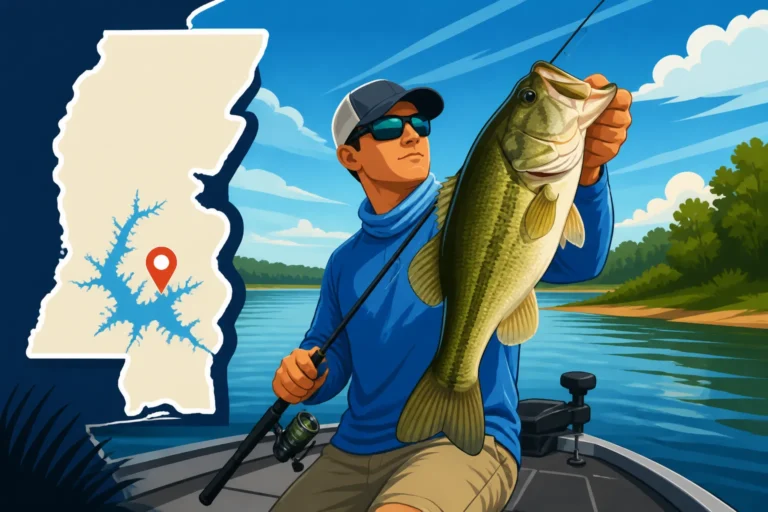
What exactly constitutes a "trophy bass" in Mississippi? Well, it varies a bit depending on who you ask, but generally, we're talking about a largemouth bass that weighs in at 8 pounds or more. Once you start getting into the double digits, like a 10-pounder, you're firmly in true lunker territory, the kind of fish that puts you on a local leaderboard and earns you bragging rights for years. While the current state record for largemouth bass stands at a whopping 18 pounds, 15 ounces (caught way back in 1996 from Natchez State Park Lake), even an 8-pounder is a fish of a lifetime for many anglers. It's that personal best, that fish that pushes your limits and tests your tackle, that truly defines the trophy for each of us. The thrill comes from knowing you’ve successfully targeted a dominant fish that has survived countless challenges to reach such an impressive size.
Why Mississippi is a Hotbed for Big Bass
Mississippi is uniquely positioned to grow enormous largemouth bass, and it's not just luck. Our long, warm growing seasons mean bass can feed and pack on weight for more months out of the year compared to colder northern states. We also have an incredible forage base. Think about all the shad, bream, and other baitfish teeming in our waters – it's a buffet for growing bass. Beyond that, the Mississippi Department of Wildlife, Fisheries, and Parks (MDWFP) does an outstanding job with fisheries management. They implement sensible creel and size limits, stock Florida-strain largemouth bass in certain lakes (known for their potential to grow larger), and actively manage habitats. All these factors combined create an environment where a bass can truly thrive and reach those impressive trophy sizes. It's a testament to our natural resources and dedicated conservation efforts that anglers here have such a legitimate shot at catching a fish of a lifetime.
Unveiling Mississippi's Top Trophy Bass Lakes
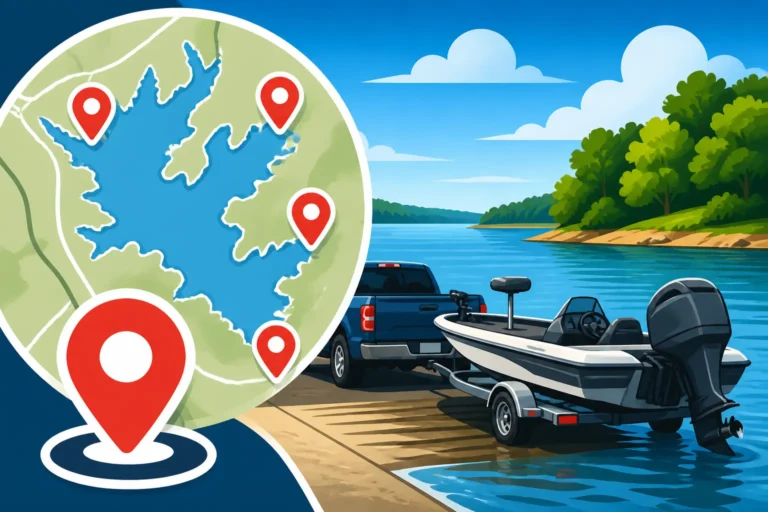
When you're serious about hunting for that monster bass, you need to know where to focus your efforts. While almost any lake can produce a big fish now and then, some waters consistently offer the best odds for a true lunker. These are the places where the environment, genetics, and management come together to create prime trophy bass habitat.
Ross Barnett Reservoir: The Consistent Contender
When the conversation turns to big bass in Mississippi, Ross Barnett Reservoir almost always comes up. It’s a massive body of water, spanning roughly 33,000 acres, offering incredible diversity in habitat. You've got everything from vast hydrilla beds and lily pads to standing timber, old creek channels, and riprap. This variety means bass have plenty of places to hide, ambush prey, and grow big. The Reservoir is known for its healthy population of largemouth bass, with many anglers reporting catches in the 5-7 pound range, and those elusive 8-10 pounders making appearances regularly.
Anglers targeting trophy bass here often focus on the deeper ledges and creek channels during the summer, or work the thick vegetation in areas like Pelahatchie Bay during the spring and fall. The sheer size of "The Rez" can be intimidating, but breaking it down into smaller sections, like the spillway area or the main lake, can make it more manageable. Fishing around the standing timber near the main river channel is another proven tactic. Many experienced anglers and guides, which you can often find listed on platforms like FishingBooker, swear by this lake for its consistent ability to produce quality fish. If you're planning a trip, definitely check out our guide on Ross Barnett Reservoir Bass Fishing to get a more in-depth look at specific strategies, and consider when to go by reading up on the Best Time of Year to Fish Ross Barnett Reservoir.
Lake Calling Brown: A Managed Gem for Giants
If you're looking for a lake specifically managed for trophy bass, look no further than Lake Calling Brown in Wiggins. This isn't your typical massive reservoir; it's a smaller, intensively managed lake, around 85 acres, that has been carefully cultivated by the MDWFP to produce big fish. What makes it special? It’s regularly stocked with Florida-strain largemouth bass, which have a genetic predisposition to grow larger than their Northern counterparts. More importantly, the lake operates under strict slot limits designed to protect those intermediate-sized bass and allow them to grow into true giants.
Anglers here often find success using larger baits that mimic the lake's abundant forage. Fishing the sparse cover, submerged timber, and brush piles is key. Due to its managed nature, understanding and adhering to the Mississippi Black Bass Regulations specific to Lake Calling Brown is absolutely crucial. These regulations often include special slot limits (e.g., all bass between X and Y inches must be immediately released) to ensure the trophy potential is maintained for years to come. While it might require a bit more planning and adherence to rules, the reward of potentially hooking a double-digit bass from a relatively small body of water is a powerful draw.
Other Notable Lakes with Lunker Potential
While Ross Barnett and Lake Calling Brown are often at the top of the list, Mississippi has other lakes that certainly hold trophy-sized bass and are worth your attention.
- Pickwick Lake: Though often celebrated for its phenomenal smallmouth bass fishing, don't sleep on Pickwick Lake for largemouth. Located in the northeastern corner of the state, this massive reservoir on the Tennessee River system boasts diverse habitats, from shallow flats to rocky points and deep ledges. The largemouth here grow to impressive sizes, fueled by abundant gizzard shad and other forage. Many anglers find success targeting largemouth around the grass beds and stump fields in the lake's numerous bays and creeks. Checking out Pickwick Lake Best Bass Spots can give you an edge in locating those prime areas.
- Okhissa Lake: Situated in the Homochitto National Forest, Okhissa Lake is another MDWFP-managed lake with a strong reputation for big bass. It's known for its clear water and excellent habitat, including standing timber and hydrilla. Like Lake Calling Brown, Okhissa is managed with trophy potential in mind, receiving Florida-strain bass stockings. Anglers here can expect challenging but rewarding fishing, with many 5-8 pound bass caught annually and the occasional lunker pushing into the double digits. The lake's remote, scenic setting also adds to its appeal. For recent intel, a quick search for the Okhissa Lake Bass Fishing Report can often yield valuable insights into current conditions and successful patterns.
These lakes, each with its unique characteristics and challenges, represent some of Mississippi's best bets for landing that trophy bass you've been dreaming of.
Mastering the Hunt: Strategies for Landing That Monster Bass
Catching a trophy bass isn't just about being on the right lake; it's about employing the right strategies, understanding fish behavior, and having the patience to wait for that one big bite. These fish didn't get big by being easy to catch, so a thoughtful approach is key.
Timing is Everything: Seasons and Conditions
When it comes to trophy bass, timing can make all the difference. While big bass can be caught year-round, certain seasons offer significantly better odds. The pre-spawn period in late winter and early spring (typically February to April, depending on water temperature) is arguably the best time. During this phase, females are heavy with eggs and aggressively feeding to fuel the upcoming spawn. They are often shallower than usual, making them more accessible and willing to strike. This is a prime time for big bites. You can learn more about the specifics of this productive period in our guide, Fishing During the Spring Spawn in Mississippi.
Similarly, the fall transition, when water temperatures begin to cool and baitfish school up, can also be very productive. Bass will often follow these baitfish schools, feeding heavily in preparation for winter. Beyond the season, pay close attention to weather patterns. Stable weather, especially a few days after a cold front has passed, can encourage fish to bite. Overcast days are often better than bright, sunny ones, as bass are more comfortable moving and feeding. For a broader overview of the best times to fish our state, check out our resource on the Best Time of Year to Fish in Mississippi.
Proven Techniques and Essential Gear for Big Bass
Targeting trophy bass often means adapting your techniques and beefing up your gear. Forget the finesse rigs you might use for smaller bass; lunkers demand a different approach.
- Heavy Cover Flipping and Pitching: Big bass love thick cover – matted vegetation, dense brush piles, standing timber. You need heavy-action rods (7' to 8' long), strong baitcasting reels, and braided line (50-80 lb test) to rip these fish out of their sanctuaries. Jigs with stout hooks or Texas-rigged creature baits are excellent choices for this.
- Deep Cranking: For offshore structure on lakes like Ross Barnett, deep-diving crankbaits are essential. Look for models that can reach 15-25 feet, using a long rod (7'6" to 8') with a moderate action to allow the lure to work effectively.
- Large Swimbaits and Glide Baits: These are big-fish baits. Measuring 6-10 inches, they imitate large shad or other forage and are designed to tempt the biggest bass. They require specialized swimbait rods and heavy line.
- Jerkbaits: Especially effective in cooler water or during the pre-spawn, suspend jerkbaits can draw strikes from wary giants. Work them with a jerk-pause retrieve to mimic dying baitfish.
Patience is paramount. You might make hundreds of casts for just one bite, but that one bite could be the fish of a lifetime. Always use sharp hooks and check your knots. For a deeper dive into methods, our article on Bass Fishing Techniques for Mississippi Anglers offers a wealth of information, and don't forget to explore the Best Lures for Largemouth Bass for more specific recommendations.
Understanding Bass Behavior and Habitat
To consistently catch trophy bass, you need to think like one. Big bass are generally solitary, dominant predators. They prefer specific ambush points that offer both cover and access to food.
- Structure vs. Cover: Understand the difference. Structure refers to changes in the lake bottom (ledges, humps, creek channels, points). Cover refers to physical objects (logs, brush piles, rocks, hydrilla, boat docks). Trophy bass often relate to a combination of both. For instance, a submerged brush pile on a deep creek channel bend is a classic big bass spot.
- Forage is Key: Big bass follow big bait. If you can locate schools of large gizzard shad or areas with abundant bream, you're likely in a productive zone. Your electronics – sonar, side imaging, and even forward-facing sonar – are invaluable tools for identifying these forage schools and the structure they relate to.
- Seasonal Movements: Bass move seasonally. In spring, they push shallow to spawn. In summer, they often retreat to deeper, cooler water or dense overhead cover. Fall sees them chasing bait, and winter can find them congregating in deep holes or channels. Learning How to Pattern Bass on a New Lake is a skill that will pay dividends in your trophy hunt. Don't be afraid to experiment, move around, and pay attention to every detail – water clarity, temperature, current, and wind.
Remember, every cast to a prime spot with the right presentation is a potential connection to that monster you’ve been chasing. Planning your trip with a focus on these details can really increase your chances, and checking fishing reports on sites like FishingBooker can often give you a heads-up on what's currently working.
Preserving the Future of Trophy Bass Fishing
Catching a trophy bass is an exhilarating experience, but it also comes with a responsibility to protect these magnificent fish for future generations. Sustainable practices are essential to ensure that Mississippi remains a premier destination for lunker hunters.
Practicing Responsible Catch and Release
For nearly all trophy bass, especially those 8 pounds and over, responsible catch and release is highly encouraged. These big fish are often the prime spawners in a lake, contributing significantly to the genetic pool that produces more big bass. Their survival after being caught is critical.
Here are some best practices:
- Minimize Fight Time: Use appropriate tackle to land the fish quickly, reducing stress.
- Wet Hands: Always wet your hands before handling a bass to protect its slime coat.
- Support Its Weight: When holding a large bass for a photo, support its body horizontally with one hand under the belly and the other gripping the lower jaw. Avoid holding it vertically by the jaw, as this can damage its internal organs and jaw.
- Quick Photos: Have your camera ready. Take quick photos and get the fish back in the water promptly.
- Revive If Necessary: If the fish seems sluggish, gently hold it upright in the water, moving it back and forth to force water over its gills until it swims away under its own power.
By following these steps, you greatly increase the chances of that trophy bass surviving to be caught another day, or to produce more lunkers.
Adhering to Mississippi's Fishing Regulations
The Mississippi Department of Wildlife, Fisheries, and Parks (MDWFP) sets regulations specifically to protect and enhance our fisheries. Understanding and strictly adhering to these rules is not just about avoiding penalties; it's about being a steward of the resource. Different lakes, especially those managed for trophy bass like Lake Calling Brown, often have specific slot limits or daily creel limits that differ from statewide regulations. For instance, a lake might have a slot limit that requires all bass between 16 and 22 inches to be immediately released, allowing those fish to grow beyond the slot into trophy sizes, while permitting anglers to keep smaller or larger fish within certain daily limits.
Always consult the latest MDWFP fishing guide before you head out. You can find comprehensive details about Mississippi Fishing Regulations Explained on our site, which covers general rules. For black bass specifically, our article on Mississippi Black Bass Regulations delves into the nuances. It's also vital to know How Many Bass Can You Keep in Mississippi? as these limits can vary. Playing by the rules ensures that everyone, from casual anglers to serious trophy hunters, has the opportunity to enjoy Mississippi's incredible bass fishing for years to come.
Here's a quick comparison of some of the best trophy bass lakes in Mississippi:
| Lake Name | Primary Focus for Trophy Bass | Key Characteristics | Best Time of Year | Average Trophy Size (lbs) | State Record Potential |
|---|---|---|---|---|---|
| Ross Barnett Reservoir | Consistent quantity & quality | Large, diverse habitat (hydrilla, timber, ledges, lily pads) | Spring (Pre-spawn), Fall | 8-10 | High |
| Lake Calling Brown | Managed trophy fishery | Smaller, intensively managed, Florida-strain genetics | Spring (Pre-spawn) | 8-12 | Very High |
| Pickwick Lake | Largemouth in river system | Diverse rocky & shallow habitats, abundant forage | Spring, Fall | 7-9 | High |
| Okhissa Lake | Managed, clear water | Deep, clear, standing timber, Florida-strain genetics | Spring, Fall | 7-10 | High |
Disclaimer
The information provided in this guide is for general informational purposes only and is subject to change. Fishing regulations, conditions, and fish populations can vary. Always consult the official Mississippi Department of Wildlife, Fisheries, and Parks (MDWFP) website or current regulations guide before fishing to ensure compliance with all applicable laws and to obtain the most up-to-date information.