Best Fishing Spots Near Columbus Mississippi
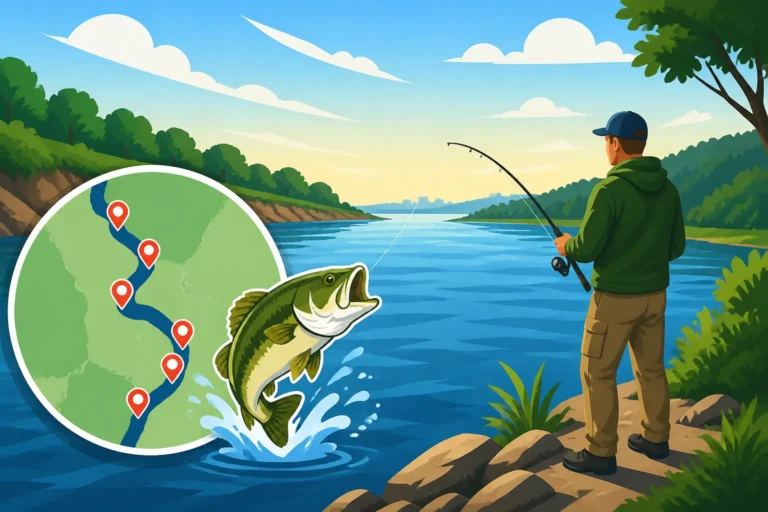
It's a familiar struggle for any angler visiting a new area: you've heard the whispers of fantastic fishing, but actually finding those secret honey holes, or even just reliable spots, can feel like trying to navigate a maze blindfolded. You don't want to waste precious fishing time driving aimlessly or casting into barren waters. This guide is here to cut through the confusion and point you directly to some of the best fishing spots near Columbus, Mississippi, ensuring you spend less time searching and more time reeling in your next big catch.
Columbus Lake: The Local Gem
When people talk about fishing near Columbus, Mississippi, Columbus Lake is usually the first place that comes to mind, and for good reason. This sprawling reservoir, part of the Tennessee-Tombigbee Waterway, is a true gem, offering diverse fishing opportunities that cater to all skill levels. It’s not just a lake; it's a dynamic ecosystem brimming with life, from the shallow coves perfect for panfish to the deeper channels where lunker bass lurk.
Understanding Columbus Lake’s Layout
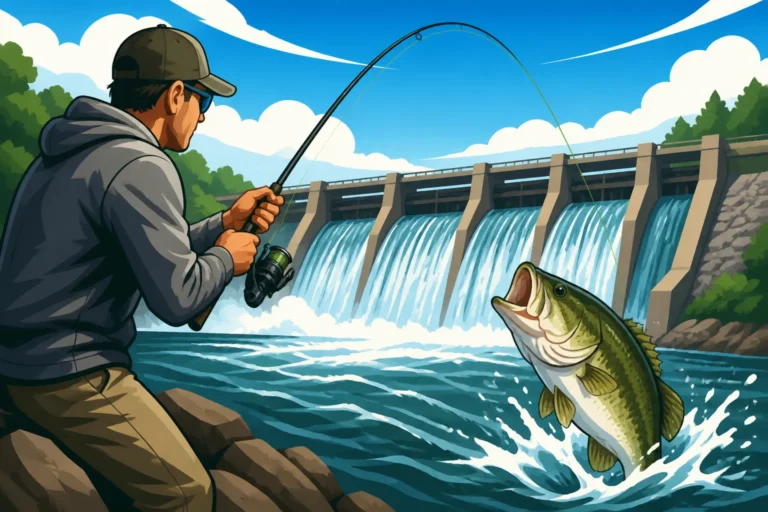
Columbus Lake itself is formed by the John C. Stennis Lock and Dam, which creates a pool extending roughly 40 miles north towards Aberdeen. This lengthy stretch means there's a lot of water to explore, offering varied habitats. You'll find plenty of stump fields, submerged timber, and creek channels that provide excellent cover for fish. The sheer size can be intimidating at first glance, but focusing on key areas can make it much more manageable.
Access to the lake is generally good, with several public boat ramps and marinas scattered along its shores, making it easy to launch your vessel. If you're more of a bank angler, don't despair; spots like Columbus Lake State Park offer accessible areas for shore fishing. The fluctuating water levels, especially after heavy rains or due to dam operations, can influence fish behavior, so keeping an eye on local conditions is always a smart move. When planning your trip, consider checking out resources like the Columbus Lake Crappie and Bass Fishing guide for species-specific insights.
Top Species and Seasonal Patterns
Columbus Lake is renowned for its excellent crappie and largemouth bass fishing, but catfish and bream also provide consistent action. For crappie, the spring spawn sees them moving into shallower waters, often congregating around brush piles and submerged timber in bays and coves. As the weather warms into summer, they tend to move deeper, seeking cooler water and structure along creek channels. Locals often target them by spider rigging or using jigs tipped with minnows.
Largemouth bass are also plentiful and can be found in various habitats depending on the season. Spring and fall see them actively feeding in shallower water, near lily pads, grass lines, and flooded timber. Topwater lures, spinnerbaits, and Texas-rigged plastics are highly effective during these periods. In the heat of summer, bass retreat to deeper structure, points, and ledges, where crankbaits, jigs, and Carolina rigs come into play. Many seasoned anglers will tell you that understanding the nuances of how water levels impact structure is key to consistently finding bass here.
Catfish, particularly channel cats and blue cats, are abundant year-round. They thrive in the lake's deeper holes and river channels. Stink baits, cut bait, and live worms are standard fare for these bottom dwellers. For a truly authentic Mississippi experience, some anglers also try jug lining or trotlining in quieter sections of the lake, abiding by Mississippi Freshwater Fishing Rules of course.
Exploring the Tennessee-Tombigbee Waterway and Tombigbee River
Beyond Columbus Lake, the broader Tennessee-Tombigbee Waterway (often affectionately called the "Tenn-Tom") and the natural flow of the Tombigbee River offer a vast network of fishing opportunities. This interconnected system provides a fascinating blend of riverine and reservoir environments, each with its unique charm and challenges. It's a place where you can find solitude or hustle, depending on which stretch you choose to explore.
The Tenn-Tom: A Unique Fishery
The Tenn-Tom Waterway is a marvel of engineering, connecting the Tennessee River to the Gulf of Mexico via the Tombigbee River. Near Columbus, it primarily consists of the pool formed by the Columbus Lock and Dam, which is essentially Columbus Lake, and then continues southward through other locks and dams. This means you're not just fishing a lake; you're fishing a managed river system with consistent depths in the navigation channel but also plenty of backwaters and oxbows.
The navigation channel itself can be productive, especially for catfish and striped bass, but the real gems are often found off the main thoroughfare. Look for old creek beds, submerged timber, and small feeder creeks that empty into the main waterway. These areas create current breaks and ambush points that attract a variety of fish. For a more comprehensive overview of the entire system, check out the Tennessee-Tombigbee Waterway Best Fishing Spots guide.
One of the biggest advantages of fishing the Tenn-Tom is its sheer diversity. You can spend one day targeting bass in a quiet backwater and the next battling big catfish in the main river channel. Because it’s a major navigation route, be mindful of commercial barge traffic, especially when fishing near the main channel. Some anglers even utilize platforms like FishingBooker to scout out specific areas or local guides who specialize in navigating the nuances of this vast waterway.
Fishing the Tombigbee River Sections
Below the Columbus Lock and Dam, the Tombigbee River reverts to a more natural, flowing river system, albeit still influenced by dam operations upstream and downstream. This section, particularly the Tombigbee River Fishing Access Near Columbus, offers a different fishing experience altogether. The current plays a much more significant role here, and fish tend to orient themselves differently compared to the calmer lake waters.
River fishing for catfish is exceptionally popular, with blue cats and flatheads growing to impressive sizes. Deep holes, undercut banks, and log jams are prime real estate for these giants. Live bait, such as shad or bream, or large chunks of cut bait, are often the most effective. Anglers often anchor upstream and let their baits drift naturally into these holding areas. The river also holds good populations of bass and crappie, particularly in calmer eddies and tributaries during periods of high flow.
Table: Comparative Overview of Fishing Spots Near Columbus
| Fishing Spot | Primary Species Targeted | Best Fishing Method(s) | Key Features / Habitat | Accessibility | Notes |
|---|---|---|---|---|---|
| Columbus Lake | Largemouth Bass, Crappie, Catfish | Jigs, Spinnerbaits, Texas rigs, Live Bait | Stump fields, submerged timber, creek channels, coves | Numerous public ramps, some bank access | Part of the Tenn-Tom, good for both boat and shore anglers. |
| Tenn-Tom Waterway | Catfish, Striped Bass, Bass | Live Bait, Crankbaits, Jigs | Navigation channel, backwaters, oxbows, feeder creeks | Boat ramps, limited bank access | Be aware of commercial traffic; diverse riverine/reservoir habitat. |
| Tombigbee River (Below Dam) | Catfish, Bass, Crappie | Live Bait, Cut Bait, Jigs, Crankbaits | Deep holes, undercut banks, log jams, strong current | Boat ramps, some natural bank access | River current is a major factor; excellent for large catfish. |
Targeting Specific Species Near Columbus
While Columbus Lake and the Tenn-Tom offer a mix of species, understanding the nuances of targeting specific fish can dramatically increase your success. Each species has its preferred habitat, feeding patterns, and best baits, and a little knowledge goes a long way. This area is a fantastic place for anglers to hone their skills across different types of freshwater fishing.
Mastering Largemouth Bass Fishing
For bass anglers, Columbus Lake is a dream. The lake's abundant cover, from lily pads and hydrilla in the shallower bays to extensive submerged timber in deeper pockets, provides ideal ambush points for Largemouth Bass Fishing in Mississippi. Early mornings and late evenings during spring and fall are prime times to throw topwater lures like frogs or poppers near vegetation. As the sun climbs, switch to soft plastics, such as Senkos or creature baits, pitched into heavy cover or Texas-rigged along weed lines.
During the warmer summer months, concentrate your efforts on deeper structure. Points, humps, and ledges that drop off into the main creek channels will hold schooling bass. Deep-diving crankbaits, football jigs, and shaky head worms can be highly effective here. Don't be afraid to experiment with different retrieve speeds and colors until you find what triggers a bite. The key to bass fishing in these waters is often patience and a willingness to cover water until you find where the fish are holding.
Excelling at Crappie Fishing
Crappie are arguably the most popular target in Columbus Lake, drawing anglers from all over the region. Known for their delicious table fare and aggressive bites, these panfish offer fantastic action. In early spring, the crappie move into shallow water for their spawn, often around brush piles, stumps, and cypress trees. Small jigs, typically 1/16 to 1/8 ounce, tipped with a minnow or a soft plastic grub, are deadly when vertically jigged around cover. Many anglers use a tactic called "spider rigging" where multiple rods are deployed from the front of the boat, allowing them to cover a wider area.
As summer progresses, crappie retreat to deeper, cooler water. They'll often suspend over submerged creek channels, around deep brush piles, or along old river ledges. Locating these deep structures with your electronics is crucial. Trolling with multiple jigs or slow-trolling live minnows at specific depths are popular and effective strategies. Fall sees a resurgence of shallow-water activity as crappie feed heavily before winter, often mimicking the spring patterns but with less emphasis on spawning. Learn more about year-round strategies in our comprehensive guide to Crappie Fishing in Mississippi.
Consistent Catfish Action
Whether you're after a mess of channel catfish for a fish fry or battling a trophy blue cat, the waters around Columbus deliver. The deeper sections of Columbus Lake, especially near the dam and in the main river channel, are prime catfishing grounds. On the Tombigbee River, below the dam, the strong current and abundance of deep holes and log jams create ideal habitat for larger blue and flathead catfish.
For channel catfish, a variety of baits work wonders: chicken livers, nightcrawlers, shrimp, or commercially prepared stink baits fished on the bottom. For the bigger blue and flathead catfish, fresher, larger baits are often required. Live bait like small bream or shad, or large chunks of cut bait (shad, skipjack herring), are excellent choices. Many anglers prefer to use heavy-duty rods and reels when targeting these powerful fish, especially in the river's current. Knowing How Many Fishing Poles Can You Use in Mississippi? is always good to check, especially for multi-rod techniques like trotlining.
Essential Tips for Fishing Near Columbus
To truly make the most of your fishing trip near Columbus, it pays to be prepared and informed. Beyond just knowing where to go, understanding local regulations, seasonal nuances, and practical advice can elevate your experience from good to absolutely fantastic. Nobody wants to deal with a hefty fine or miss out on a bite because they didn't have the right gear.
Understanding Licenses and Regulations
Before you even make your first cast, ensure you have the appropriate Mississippi Fishing License Guide. Both residents and non-residents are required to possess a valid license for freshwater fishing. These can be purchased online through the Mississippi Department of Wildlife, Fisheries, and Parks (MDWFP) website, or at authorized vendors like sporting goods stores and some local bait shops. It’s crucial to understand the different license options available and choose the one that fits your trip duration and residency status.
Beyond the license, familiarize yourself with the specific fishing regulations for the area. This includes daily creel limits (the number of fish you can keep), size limits for certain species (like bass or crappie), and any gear restrictions. For instance, there might be rules regarding trotlines, jug lines, or the number of rods you can actively fish simultaneously. The MDWFP website is the official source for all Mississippi Fishing Regulations Explained, and a quick review before your trip can save you a lot of headaches on the water.
Timing Your Visit for Optimal Success
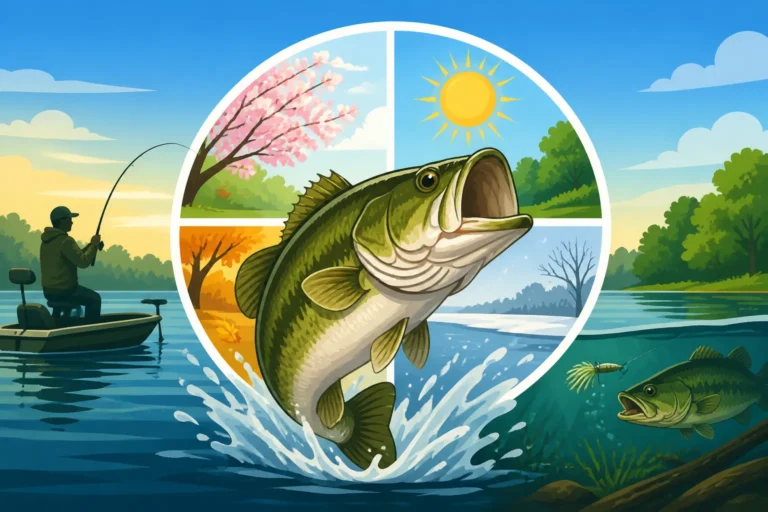
Knowing the Best Time of Year to Fish in Mississippi can significantly impact your catch rates. While you can catch fish year-round, certain seasons offer peak opportunities for specific species.
- Spring (March-May): This is arguably the most popular time for crappie and bass, as they move shallow for their spawn. The weather is generally pleasant, and fish are highly active.
- Summer (June-August): While hot, early mornings and late evenings can be excellent for topwater bass. Deeper water techniques for crappie and consistent catfishing also shine. Night fishing for catfish is particularly productive during the summer.
- Fall (September-November): As temperatures cool, fish become very active, feeding heavily to prepare for winter. Bass and crappie fishing can be fantastic, often mirroring spring patterns.
- Winter (December-February): This is generally slower, but dedicated anglers can still find success, especially with deep-water crappie techniques or targeting sluggish but large catfish in deep holes. Always check the Mississippi Fishing Season Dates and Limits for any seasonal closures or special regulations.
Local Insights and Resources
Never underestimate the power of local knowledge. Chat with folks at local bait shops, boat ramps, or even diners. They often have invaluable, up-to-the-minute information on what’s biting, where, and with what bait. Many seasoned anglers in the Columbus area are genuinely friendly and willing to share tips, especially if you're respectful and interested in learning.
Beyond personal interactions, the MDWFP often publishes fishing reports for major lakes, which can be a great resource for current conditions and stocking information. Online fishing forums and local Facebook groups dedicated to Mississippi fishing can also provide a treasure trove of information and connect you with other passionate anglers in the region. If you're looking for an even deeper dive or considering a guided trip, platforms like FishingBooker can help you connect with local guides who possess an intimate understanding of the Columbus waters, providing insights that go far beyond what you can find on a map. These guides often monitor fish patterns daily, giving you the best chance for a successful outing.
Disclaimer
The information provided in this guide is for general informational purposes only and is subject to change. Always consult the official regulations and advisories from the Mississippi Department of Wildlife, Fisheries, and Parks (MDWFP) before engaging in any fishing activities. Fishing conditions can vary widely based on weather, water levels, and other environmental factors.