Choctaw Lake Fishing Access
For many anglers, the thought of hitting the water in Mississippi conjures images of massive reservoirs like Ross Barnett or Sardis Lake. But what if you're looking for a more intimate experience, a peaceful day where you can truly connect with nature without the crowds? Finding reliable information on smaller, often overlooked gems like Choctaw Lake can be a real challenge. This comprehensive guide is designed to cut through that noise, offering you everything you need to know about accessing and successfully fishing Choctaw Lake, a tranquil state fishing lake that offers fantastic opportunities for a relaxing and rewarding day on the water.
Understanding Choctaw Lake: A Hidden Gem for Anglers
Choctaw Lake, nestled in the central part of Mississippi, is one of those spots that often flies under the radar. It's not a giant impoundment or a bustling tourist destination, and that's precisely its charm. For local anglers and those willing to explore a bit, it offers a refreshing alternative to the larger, more heavily trafficked waters. Its serene environment and well-maintained facilities make it a prime location for family outings or a quiet solo fishing trip.
Location and General Characteristics
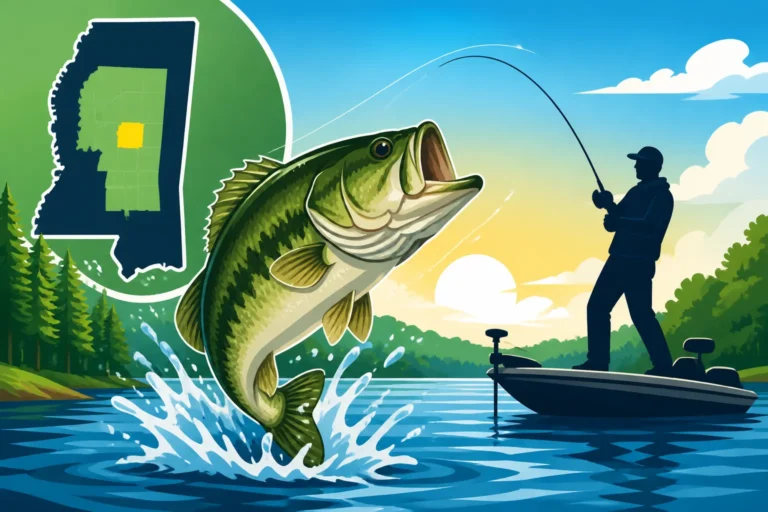
Choctaw Lake is situated within the Bienville National Forest in Scott County, Mississippi, near the town of Forest. It’s managed by the Mississippi Department of Wildlife, Fisheries, and Parks (MDWFP) as one of its public state fishing lakes. This means it receives regular stocking and management to ensure a healthy fish population and good angling experiences. The lake itself is relatively small, typically around 100 acres, which contributes to its quiet, intimate atmosphere.
Unlike the sprawling main lakes, Choctaw Lake's smaller size means that fishing pressure is generally lower, and navigating the waters is much less intimidating, especially for new boaters or those with smaller craft. The shoreline is often lined with pines and hardwoods, providing a picturesque backdrop and contributing to the feeling of being truly immersed in nature. The average depth isn't extreme, but it features varied bottom contours, from shallow flats to deeper creek channels, offering diverse habitats for fish throughout the year.
What Makes Choctaw Lake Special for Fishing?
Choctaw Lake boasts a healthy population of popular freshwater species, making it a versatile destination for different types of anglers. You'll primarily find largemouth bass, crappie (both white and black), various species of bream (bluegill and redear sunfish, often called shellcrackers), and catfish. The MDWFP actively manages these populations through stocking and habitat improvements, ensuring a sustainable fishery.
One of the key draws of Choctaw Lake is its well-maintained fish habitat. The MDWFP often places artificial brush piles and other structures throughout the lake, which act as magnets for crappie and bass, providing excellent ambush points. For bream, the lake's natural vegetation, especially during warmer months, offers fantastic cover. Catfish tend to congregate in the deeper holes and near any natural structure or fallen timber. Because it's a state fishing lake, it often benefits from consistent oversight, meaning fewer issues with invasive species or dramatic swings in water quality that can sometimes plague larger, unregulated bodies of water. The smaller size also means it’s easier to "learn" the lake and identify productive fishing patterns quickly, making it less overwhelming for new anglers.
Public Access Points and Facilities at Choctaw Lake
One of the great things about Mississippi's state fishing lakes is the effort put into making them accessible to the public. Choctaw Lake is no exception, offering facilities designed to make your fishing trip as smooth and enjoyable as possible. Knowing exactly what to expect before you arrive can save you a lot of hassle and ensure you maximize your time on the water.
Boat Launch Ramps and Parking
Choctaw Lake provides a well-maintained concrete boat ramp that allows for easy launching of most recreational fishing boats. Given the lake's size, you typically won't see large offshore fishing vessels here, making the ramp less congested and easier to navigate than those on much bigger lakes. There's ample parking available for vehicles with trailers, so you generally won't have to worry about finding a spot, even on busier weekends. It’s always a good idea to arrive earlier in the day, especially during peak seasons like spring, to secure the best spots and get a head start on the fish.
While larger boats can launch, many anglers find success with smaller jon boats, kayaks, canoes, or even paddleboards due to the lake's compact nature. This also contributes to the peaceful atmosphere, as there’s less high-speed boat traffic. Just remember to always follow safe boating practices and observe any posted speed limits on the lake, which are typically enforced to protect both anglers and the shoreline.
Bank Fishing Opportunities
Not everyone has a boat, and that's perfectly fine at Choctaw Lake. There are good opportunities for bank fishing, particularly around the main access areas. You'll find designated fishing piers or docks that extend into the lake, offering easy access to deeper water and prime fishing spots without needing a boat. These piers are often excellent places to target bream and crappie, especially if they are located near submerged brush piles.
Beyond the piers, various points along the shoreline offer suitable spots for casting from the bank. Look for areas with a clear path to the water and minimal vegetation to avoid snags. These spots are fantastic for beginners, children, or anyone looking for a relaxed experience without the complexities of boat ownership. It’s a great way to introduce someone new to fishing, as success can often be found close to shore. For those interested in learning more about fishing from shore, our guide on Bank Fishing Tips for Beginners offers some excellent advice.
Amenities and Services for Anglers
Choctaw Lake is part of a larger recreation area, meaning it offers more than just fishing access. You'll typically find clean restroom facilities conveniently located near the boat ramp and picnic areas. These amenities, managed by the MDWFP, ensure a comfortable experience for you and your family. There are usually picnic tables and grills available, making it easy to turn a fishing trip into a full-day outing with a shore lunch.
While there might not be a dedicated bait and tackle shop right on the lake, you'll find supplies in nearby Forest, Mississippi, just a short drive away. It's always a good idea to grab your bait, snacks, and drinks before you head to the lake. Additionally, the Choctaw Lake Recreation Area often includes camping facilities, ranging from primitive tent sites to RV hookups. This means you can extend your fishing trip into an overnight or multi-day adventure, immersing yourself fully in the natural beauty of the Bienville National Forest.
Navigating Regulations and Best Practices for Choctaw Lake
Fishing in any public water body requires adherence to specific rules, and Choctaw Lake is no different. These regulations are put in place by the Mississippi Department of Wildlife, Fisheries, and Parks (MDWFP) to protect fish populations, ensure fair access for all anglers, and maintain the health of the aquatic ecosystem. Understanding and following these rules is not just a legal requirement but also a crucial part of responsible angling.
Essential Fishing Licenses and Permits
Before you even wet a line at Choctaw Lake, you'll need the proper documentation. All residents and non-residents aged 16 to 64 must possess a valid Mississippi fishing license. There are various options available, from annual licenses to shorter-term permits, depending on your residency and how often you plan to fish. You can find detailed information on these requirements in our comprehensive Mississippi Fishing License Guide. Additionally, because Choctaw Lake is one of Mississippi's state fishing lakes, you might also need a specific State Lake Permit or a Lifetime State Lake Permit, even if you already have a general fishing license. These permits help fund the ongoing management and stocking efforts that keep these lakes so productive.
It’s crucial to check the most current regulations on the MDWFP website or at an authorized license vendor, as rules can occasionally change. Don't risk a fine or a spoiled trip; confirm you have everything you need. For a quick reference, you can also explore our article on Do You Need a License to Fish in Mississippi?
Species-Specific Regulations and Limits
Each species of fish in Choctaw Lake typically has specific creel limits (the maximum number of fish you can keep) and often size limits (minimum or maximum lengths). These regulations are designed to prevent overfishing and allow fish populations to thrive. For instance, largemouth bass often have a daily creel limit, and sometimes a slot limit, meaning fish within a certain size range must be released. Crappie and bream also have their own daily limits, which can be quite generous given their abundance in state lakes. Catfish limits are also in place, though they tend to be more liberal.
It's impossible to list every specific limit here, as they can be subject to change. Always consult the official MDWFP fishing regulations pamphlet for the most up-to-date details before your trip. Pay particular attention to the sections on Mississippi Black Bass Regulations, Mississippi Crappie Regulations by Lake (using general state lake rules if Choctaw isn't specifically mentioned), and Mississippi Catfish Regulations. These resources will ensure you're compliant and contributing to sustainable fishing.
Responsible Angling and Lake Etiquette
Beyond licenses and limits, practicing good lake etiquette and responsible angling habits is vital. This means packing out everything you pack in – leaving no trash behind. Litter pollutes the water and can harm wildlife. If you're cleaning fish at the lake (only where designated), dispose of entrails properly and away from the water's edge to avoid attracting scavengers or contaminating the area.
When boating, be mindful of other anglers. Give bank fishermen and smaller craft plenty of space. Observe no-wake zones, which are common near boat ramps, docks, and swimming areas, to prevent creating waves that can disturb others or cause erosion. If you're releasing fish, do so quickly and carefully, minimizing their stress to improve their chances of survival. Using catch-and-release practices for larger breeding fish, especially bass, helps ensure a healthy future for the lake's fishery. Respecting the lake and fellow outdoors enthusiasts ensures that everyone can enjoy the peace and bounty that Choctaw Lake has to offer.
Maximizing Your Fishing Success at Choctaw Lake
While Choctaw Lake is a delightful place to simply relax and enjoy the outdoors, most of us go there with the hope of catching some fish! To increase your chances of a successful and memorable outing, a little preparation and understanding of local conditions can go a long way. This section will delve into practical tips for targeting the lake's most popular species, guide you on selecting the right gear, and emphasize the importance of local insights.
Top Techniques for Popular Species
Knowing how to approach each fish species can significantly boost your catch rate. Choctaw Lake's compact size and managed habitat mean that many common techniques work exceptionally well.
- Largemouth Bass: These aggressive predators love structure. Focus your efforts around fallen timber, submerged brush piles (often marked by MDWFP), and the edges of any aquatic vegetation. Early mornings and late evenings are prime times. For lures, try plastic worms (Texas-rigged or Carolina-rigged), spinnerbaits, crankbaits, or topwater lures when fish are active. Flipping jigs into heavy cover can also produce big bites. Consider our guide on Bass Fishing Techniques for Mississippi Anglers for more in-depth strategies.
- Crappie: Crappie are a favorite at Choctaw Lake. They often school around submerged brush piles, bridge pilings (if any), and deeper creek channels, especially during the cooler months. In spring, they move into shallower water to spawn. Small jigs (1/16 to 1/8 ounce) tipped with soft plastics or live minnows are deadly. Spider rigging with multiple poles can be effective from a boat, while a simple bobber and minnow setup works great from the bank or a pier. For specific crappie insights, check out Crappie Fishing Techniques for Mississippi Lakes.
- Bream (Bluegill and Redear Sunfish): Bream are abundant and a fantastic target for beginners and kids due to their willingness to bite. They're often found in shallower water, around docks, vegetation, and shaded areas. Live bait like crickets, red worms, or wax worms fished under a small bobber are almost guaranteed to get bites. Fly fishing with small poppers or wet flies can also be incredibly productive for these feisty panfish. Our article, Is There a Limit on Bream in Mississippi?, provides valuable context.
- Catfish: Channel catfish and sometimes blue catfish are present. They prefer deeper holes, river bends, and areas with slower currents or submerged cover. Bottom fishing with cut bait (like shad or chicken liver), stink baits, or nightcrawlers is the most common and effective method. Night fishing can be particularly good for catfish, especially during the warmer months.
Choosing the Right Gear and Bait
You don't need highly specialized gear for Choctaw Lake, which is another one of its appeals. A versatile medium-light to medium action spinning rod and reel combo, spooled with 6-10 lb monofilament or fluorocarbon line, will cover most of your needs. This setup is perfect for casting jigs, small crankbaits, and live bait rigs.
- For Bass: If you're serious about bass, a medium-heavy baitcasting setup with 12-17 lb fluorocarbon or braided line will give you the power to pull fish out of heavier cover.
- For Crappie & Bream: Lighter tackle, like an ultralight spinning rod with 4-6 lb line, will enhance the fight and allow for more delicate presentations. Small jigs, minnows, crickets, and worms are staple baits.
- For Catfish: A heavier medium-heavy spinning or baitcasting rod with 15-20 lb monofilament or braided line is ideal for casting heavier baits and handling bigger fish.
Don't forget essentials like a tackle box with hooks, sinkers, bobbers, pliers, a measuring tape, and a small cooler for drinks and any fish you plan to keep. And, of course, always check the Mississippi Fishing Seasons Calendar to align your expectations with what species are most active.
Utilizing Local Knowledge and Resources
While guides like this offer general information, local knowledge is gold. Chat with folks at the nearest bait shop in Forest, or even other anglers you meet at the boat ramp. They often have the most up-to-date intel on what's biting, what baits are working, and any recent changes in lake conditions. Online fishing forums or local Facebook groups dedicated to Mississippi fishing can also be a treasure trove of tips and reports.
For those who prefer a guided experience, especially on larger lakes or for specific species, services like FishingBooker can help connect you with professional fishing guides. While Choctaw Lake itself might not have dedicated guides given its smaller scale, if you’re looking to branch out to larger bodies of water like Grenada Lake or Ross Barnett Reservoir, platforms like FishingBooker are an excellent resource for finding experienced captains. Remember, even if you’re fishing a small, tranquil lake, staying informed is key.
| Fish Species | Typical Size Range (Choctaw Lake) | Best Baits/Lures Recommended | Preferred Habitat |
|---|---|---|---|
| Largemouth Bass | 1-5 lbs (trophy potential exists) | Plastic Worms, Jigs, Spinnerbaits, Crankbaits | Submerged timber, brush piles, lily pads, creek channels |
| Crappie (White/Black) | 8-12 inches (up to 1.5 lbs) | Live Minnows, Small Jigs (soft plastics), Spyder Rigs | Brush piles, submerged trees, deeper structure, spawning flats |
| Bream (Bluegill/Redear) | 6-9 inches | Crickets, Red Worms, Wax Worms, Small Poppers | Shallow cover, docks, lily pads, shaded bank areas |
| Channel Catfish | 1-10 lbs (larger possible) | Cut Bait, Stink Bait, Nightcrawlers | Deeper holes, creek channels, natural structure |
Disclaimer
The information provided in this guide is for general informational purposes only and is subject to change. Fishing regulations, license requirements, and lake conditions can vary. Always consult the official Mississippi Department of Wildlife, Fisheries, and Parks (MDWFP) website or current regulations pamphlet before planning your fishing trip to Choctaw Lake to ensure compliance with all applicable laws and safety guidelines.