JP Coleman State Park Fishing Guide
Trying to figure out all the ins and outs of fishing a new spot, especially a state park like JP Coleman, can feel like a treasure hunt with no map. You want to know what's biting, where to cast your line, and what rules apply, without sifting through countless generic guides. This comprehensive guide is here to untangle that for you, providing all the specific, local knowledge you need to have a successful and enjoyable fishing trip at JP Coleman State Park.
Discovering JP Coleman State Park's Fishing Allure
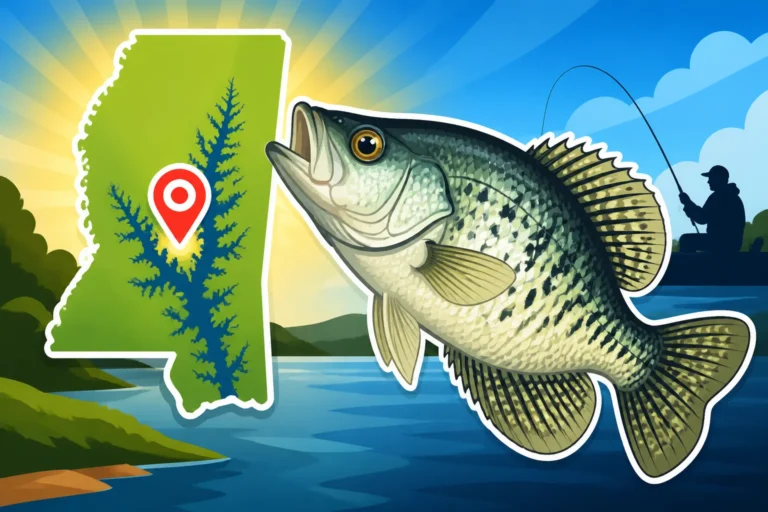
JP Coleman State Park, nestled right on the shores of the sprawling Pickwick Lake, is a gem for anglers in Mississippi. It's not just another spot; it's an experience, a place where the serene beauty of the Tishomingo landscape meets some of the best fishing opportunities the state has to offer. Many people drive for hours, passing smaller lakes, because they know the sheer quality of the fishing here. But understanding what makes it special requires a deep dive beyond just knowing its name.
A Natural Retreat on Pickwick Lake
JP Coleman State Park isn't just a launch point; it's a destination in itself. Imagine waking up in a cabin or campsite with the sounds of nature, then stepping right out to the water's edge, coffee in hand, watching the sunrise over Pickwick Lake. This isn't just about catching fish; it's about the entire experience of being immersed in nature. The park offers not only prime fishing access but also comfortable accommodations and amenities that make a multi-day trip truly relaxing. It's this combination of natural beauty and convenience that draws so many dedicated anglers, year after year, for some of the best fishing spots in Mississippi.
The park itself is well-maintained, with excellent boat ramps that can handle everything from small jon boats to larger bass boats. This easy access is crucial, as Pickwick Lake is vast and navigating its waters requires a good starting point. Plus, the surrounding forests provide a stunning backdrop, making every cast feel like you're in a pristine wilderness, even with all the modern comforts nearby. For those who enjoy more than just fishing, there are hiking trails and swimming areas, making it a perfect family destination where everyone can find something to love.
Why Pickwick Lake is a Premier Fishing Destination
Pickwick Lake, part of the Tennessee River system, is renowned across the Southeast for its diverse and abundant fish populations. What makes it so exceptional for fishing? Well, it's a combination of deep, clear water, varied underwater structure, and a robust stocking program by state wildlife agencies. The lake’s unique geography, with its rocky bluffs, numerous coves, and creek channels, creates a multitude of habitats for different species, ensuring there's always something to target, no matter the season or your preferred fishing style.
The lake is particularly famous for its smallmouth bass, which thrive in its cool, rocky depths, and its exceptional crappie fishing. But don't let those overshadow the fantastic largemouth bass, striped bass, and a variety of catfish species that also call Pickwick home. Its sheer size means there's always a new spot to explore, a new pattern to crack, and a new adventure waiting. Many anglers consider it a bucket-list destination, a true test of skill and patience against some of the region's hardest-fighting fish.
Key Fish Species You'll Encounter
When you drop a line into Pickwick Lake from JP Coleman State Park, you're tapping into a rich fishery. Knowing what fish are abundant and where they like to hang out is half the battle won. From the feisty smallmouth to the delicious crappie, there's a target for every angler.
Hard-Fighting Smallmouth Bass
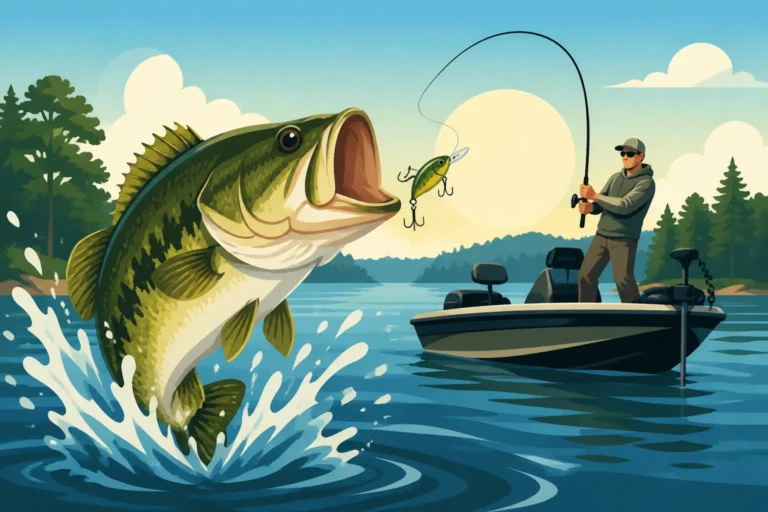
Pickwick Lake is arguably one of the best places in the entire region, if not the country, to chase smallmouth bass. These bronze beauties are known for their incredible fighting power, often leaping clear out of the water when hooked. They prefer cooler, rocky habitats, making the main lake points, ledges, and deeper creek channels around JP Coleman prime territory. They're often found hugging the bottom in 15 to 30 feet of water, especially during the warmer months, but will move shallower during the spawn or when chasing baitfish.
Targeting smallmouth usually involves techniques like drop-shotting, using Ned rigs, or casting swimbaits and football jigs along rocky structures. Early mornings and late evenings are often the most productive times, especially if there's some cloud cover or a light chop on the water. The thrill of a smallmouth strike on a light line is something every angler should experience, and JP Coleman puts you right in the heart of their prime real estate. You might even stumble upon some impressive Trophy Bass in Mississippi Waters if you know where to look.
Abundant Crappie for All Seasons
Crappie fishing on Pickwick Lake is legendary, and the waters around JP Coleman are no exception. Both white and black crappie thrive here, providing consistent action for anglers who love to fill their coolers. These panfish are delicious and can be caught year-round, though their patterns shift significantly with the seasons. In spring, they move into shallower water, often suspending around submerged brush piles, standing timber, and creek beds for their spawning ritual.
As the weather heats up, crappie retreat to deeper, cooler waters, often suspending over ledges or congregating around brush piles in 15 to 25 feet of water. In fall, they chase baitfish into creeks, and in winter, they huddle in deep channels and river bends. Common techniques include jigging with small soft plastics, live minnows under a float, or slow trolling with multiple rods. Learning the local nuances, perhaps even finding a local guide on FishingBooker, can dramatically increase your success for Crappie Fishing Techniques for Mississippi Lakes.
Largemouth Bass and Other Exciting Catches
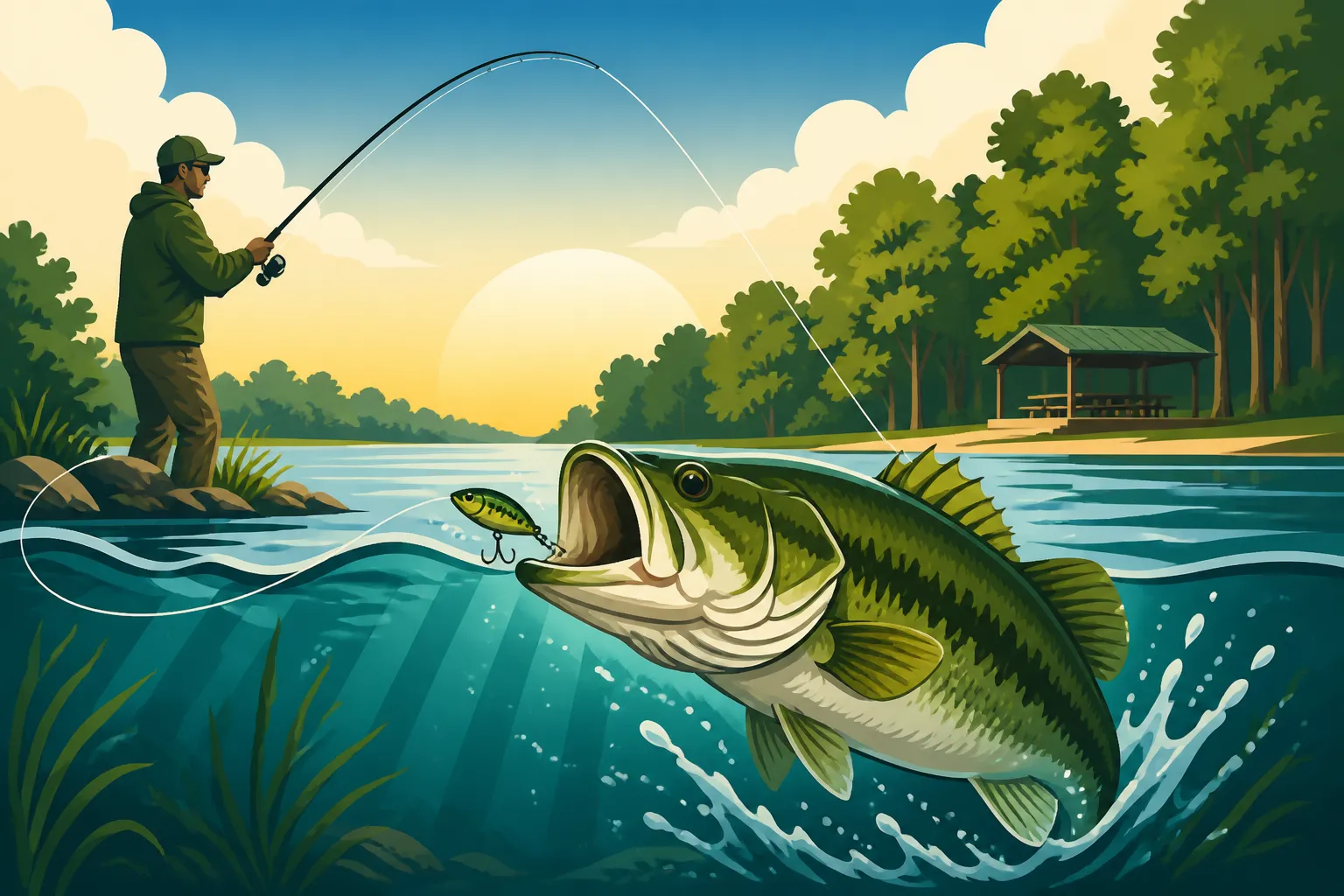
While smallmouth often get the spotlight, Pickwick Lake also boasts a healthy population of largemouth bass, particularly in the numerous coves, shallow flats, and tributary arms where vegetation and laydowns provide ample cover. These green-backed fighters offer a different challenge, often requiring techniques like flipping jigs, throwing spinnerbaits, or working topwater lures in the warmer months. You'll find them lurking around docks, fallen trees, and lily pads, especially in the calmer, shallower sections of the lake.
Beyond the bass, Pickwick Lake provides fantastic opportunities for striped bass, which are often found in the main lake's open water or congregating below the Pickwick Dam. Catfish, including channel, blue, and flathead, are also plentiful, especially in the river channels and deeper holes, making them a popular target for anglers preferring a more relaxed, bait-and-wait approach. Don't forget about the abundant bream and bluegill, perfect for a family outing or teaching kids the joys of fishing. For those who want to really explore the options, a Mississippi Freshwater Fish Species Guide can be incredibly useful.
Top Fishing Spots and Techniques Within JP Coleman
Fishing at JP Coleman State Park isn't just about launching your boat; it's about knowing where to go once you're on the water and how to approach those spots. The park provides unparalleled access to some of Pickwick Lake's most productive areas, but local knowledge can make all the difference between a good day and a truly great one.
Targeting the Main Lake and River Channel
The main body of Pickwick Lake and the primary river channel that flows through it are key areas, especially for smallmouth bass, striped bass, and deeper-water crappie. These areas are characterized by significant depth changes, rocky bottoms, and current, which are all magnets for baitfish and the predators that follow them. The ledges and drop-offs along the old river channel are particularly productive.
When fishing the main lake, focus on prominent points that jut out into the channel, especially those with shell beds or rocky outcrops. These act as ambush points for smallmouth and provide structure for crappie. Electronics are your best friend here; a good fish finder can help you locate these subtle depth changes and identify schools of baitfish or crappie. For smallmouth, try dragging football jigs or deep-diving crankbaits along these ledges. For striped bass, live gizzard shad or large swimbaits cast into open water near current breaks can be highly effective. Understanding Mississippi Fishing Season Dates and Limits will help you plan your main lake excursions effectively.
Exploring the Park's Coves and Inlets
While the main lake is fantastic for certain species, the numerous coves and inlets accessible from JP Coleman State Park offer excellent opportunities for largemouth bass, crappie, and panfish. These calmer, often shallower areas provide more cover in the form of submerged timber, aquatic vegetation, and boat docks. The reduced current also makes them ideal for bank fishing or for those who prefer a less strenuous day on the water.
Look for areas with standing timber or brush piles – these are crappie havens, especially during the spring spawn and fall transition periods. For largemouth, target boat docks with brush around them, laydowns, or any visible cover. Pitching jigs, Texas-rigged worms, or throwing spinnerbaits and chatterbaits around these structures can draw aggressive strikes. If you're bank fishing, try casting small jigs or live minnows near any submerged cover you can see or feel. The tranquility of these coves also makes them perfect for a leisurely day of Bream and Bluegill Fishing in Mississippi.
Utilizing Local Structures: Docks, Brush Piles, and Ledges
The structures both natural and man-made around JP Coleman State Park are vital fishing hotspots. Docks provide shade and cover, attracting a variety of fish, especially largemouth bass and crappie. Many anglers will spend entire days hopping from dock to dock, probing each one with jigs or Texas rigs. Similarly, brush piles, whether natural accumulations or those placed by anglers and MDWFP, are notorious crappie magnets. Learning to identify these on your electronics or through local knowledge can be a game-changer.
Ledges, especially those where the main river channel meets shallower flats, are crucial for both bass and crappie, offering distinct depth changes where fish can ambush prey or find cooler water. Understanding how to fish these topographical features requires patience and often advanced angling skills. Platforms like FishingBooker can connect you with local guides who specialize in these techniques, offering invaluable insights into the specific ledges and brush piles that hold fish during different times of the year.
Here’s a quick overview of species, best locations, and recommended baits for fishing around JP Coleman State Park:
| Fish Species | Best Locations (Near JP Coleman) | Prime Seasons | Recommended Baits/Lures |
|---|---|---|---|
| Smallmouth Bass | Main lake points, rocky ledges, river channel | Spring, Fall | Drop shots, Ned rigs, football jigs, swimbaits |
| Crappie | Coves with timber/brush, creek channels, docks | All Year | Live minnows, small jigs, spider rigging |
| Largemouth Bass | Shallow coves, lily pads, fallen trees, docks | Spring, Summer | Jigs, Texas-rigs, spinnerbaits, topwater |
| Striped Bass | Main lake open water, below Pickwick Dam | Summer, Fall | Live shad, large swimbaits, bucktail jigs |
| Catfish (Channel/Blue) | River bends, deep holes, tributary mouths | All Year | Cut bait, stink baits, worms, live shad |
| Bream/Bluegill | Shallow coves, dock pilings, lily pads | Spring, Summer | Worms, crickets, small poppers (fly fishing) |
Seasonal Fishing Strategies at JP Coleman
Mississippi fishing, especially on a diverse body of water like Pickwick Lake, is a game of adapting to the seasons. What works in the spring won't necessarily yield results in the dead of winter. Understanding these seasonal shifts is key to consistent success at JP Coleman State Park.
Spring: The Spawn and Shallow Water Action
Spring is arguably the most anticipated season for many anglers, as fish, especially bass and crappie, move into shallower waters for their annual spawn. The warming water temperatures trigger this movement, bringing the fish within easier reach for both boat and bank anglers. This is prime time for big bites and high catch rates if you know what to look for.
For largemouth and smallmouth bass, look for them on shallower main lake points and in the backs of coves where gravel or sandy bottoms offer ideal spawning grounds. Spinnerbaits, shallow-running crankbaits, and soft plastic stickbaits fished slowly around these areas can be incredibly effective. Crappie will be around brush piles, submerged timber, and creek channels in 3-10 feet of water, often suspending. Small jigs and live minnows are deadly. Remember, during this sensitive time, practice catch and release for larger spawning females to help maintain healthy fish populations. A good resource for understanding these movements is the Mississippi Spring Fishing Guide.
Summer: Deep Water and Early Morning Bites
As Mississippi's summer heat sets in, many fish species retreat to deeper, cooler waters, often congregating around structures on the main lake ledges and river channels. The intense midday sun can shut down bites, making early mornings and late evenings the most productive times. Night fishing for catfish also becomes a popular and highly effective strategy during these warmer months.
For bass, focus on deep-diving crankbaits, Carolina rigs, and jigging spoons worked along deep ledges and humps. Smallmouth will often suspend over these structures, following schools of baitfish. Crappie will also be found in deeper brush piles and suspended over the main river channel, often requiring spider rigging or vertical jigging techniques. Catfish become very active at night, especially in river bends and deep holes, responding well to cut bait or stink bait. Staying hydrated and seeking shade are not just comfort tips, but essential safety measures when fishing in the Mississippi summer.
Fall: The Shad Run and Transition Bites
Fall brings cooler temperatures, often sparking a renewed feeding frenzy as fish prepare for winter. This is frequently referred to as the "shad run" on many lakes, where schools of baitfish move into shallower creeks and coves, drawing predators with them. The picturesque fall foliage around Pickwick Lake also adds a beautiful backdrop to your fishing adventures.
Largemouth and smallmouth bass will chase baitfish into creeks and onto main lake points, making spinnerbaits, crankbaits, and topwater lures highly effective, particularly on cloudy days or during low light. Crappie will follow the baitfish as well, often congregating on brush piles and along creek channels in intermediate depths. Striped bass become particularly active during the fall, often schooling in open water and chasing shad. This is an excellent time to cover water and look for active feeding signs, like birds diving or fish breaking the surface.
Winter: Slow and Deep, But Rewarding
Winter fishing at JP Coleman can be challenging, but it can also be incredibly rewarding for those willing to brave the colder temperatures and adjust their techniques. Fish activity slows down significantly, and they often hold tight to deep structure. Patience is truly a virtue during these colder months, but the rewards can be some of the biggest fish of the year.
For bass, especially smallmouth, target very deep ledges and humps on the main lake, fishing extremely slowly with jigs, shaky heads, or blade baits. Look for subtle bites, as fish won't be as aggressive. Crappie will be tightly grouped in deep brush piles or along the main river channel in 20-30+ feet of water. Vertical jigging or dead sticking minnows directly in the cover can entice strikes. Catfish also settle into deeper holes, and while their bites are less frequent, they can be substantial. Remember to dress warmly and consider portable heaters if you're in a boat.
Navigating Regulations and Licensing
Fishing in any state park or public water body requires adherence to specific regulations. It’s not just about avoiding fines; it’s about preserving the incredible fishery that makes JP Coleman State Park and Pickwick Lake so special for future generations.
Essential Mississippi Fishing Licenses
Before you even think about casting a line, you need to ensure you have the proper Mississippi fishing license. Requirements vary based on age, residency, and the type of fishing you're doing. Generally, all residents between 16 and 64 years old, and all non-residents 16 years and older, need a license to fish in Mississippi’s public waters. Exemptions exist for certain age groups, disabled veterans, or during specific free fishing days.
You can purchase a license easily online through the Mississippi Department of Wildlife, Fisheries, and Parks (MDWFP) website, at most sporting goods stores like Bass Pro Shops, or even at some local bait shops near the park. It’s always a good idea to purchase your license in advance to avoid any last-minute hassles. For a detailed breakdown of options and requirements, including how to get one, check out our Mississippi Fishing License Guide or specific articles like Mississippi Nonresident Fishing License Guide. Having it handy, either physically or digitally on your phone, is crucial if a game warden asks to see it.
Understanding Statewide and Local Regulations
Beyond your license, it's critical to be aware of Mississippi's statewide fishing regulations, as well as any specific rules that might apply to Pickwick Lake or within JP Coleman State Park. These regulations cover everything from creel and size limits for various species to legal fishing methods and restrictions on certain types of bait or tackle. For example, there might be specific slot limits for bass or daily creel limits for crappie that differ slightly from one lake to another.
Always consult the most current Mississippi Outdoor Digest, published annually by the MDWFP. You can usually pick one up where licenses are sold, or find it online. This guide is your bible for what's legal and what's not. Pay close attention to sections on Mississippi Fishing Creel and Size Limits for species like largemouth bass, crappie, and catfish, as these are frequently enforced. Ignorance of the law is never an excuse, and game wardens patrol these waters regularly to ensure compliance. A quick check can save you a hefty fine and potential loss of fishing privileges.
Planning Your JP Coleman Fishing Trip
A successful fishing trip isn't just about what happens on the water; it's also about solid preparation. From where to stay to what gear to bring, a little planning goes a long way in ensuring a smooth and enjoyable experience at JP Coleman State Park.
Accommodation Options within the Park
One of the great advantages of fishing at JP Coleman State Park is the range of convenient accommodation options right there on the premises. This means less travel time and more fishing time, which is always a win in an angler's book. Whether you prefer rustic camping or the comforts of a cabin, the park has something to suit most preferences and budgets.
The park offers well-maintained campgrounds with sites suitable for both tents and RVs, often featuring amenities like water and electrical hookups, bathhouses, and even picnic tables and grills. For those seeking more comfort, there are several rustic cabins and cottages available for rent, providing beds, kitchens, and private bathrooms – perfect for winding down after a long day of fishing. Booking these, especially during peak season (spring and fall), is highly recommended as they fill up quickly. You can often book directly through the Mississippi State Parks website.
Essential Gear and Supplies
While you can always pick up some essentials at local bait shops, arriving prepared with your primary gear and supplies is always best. For a diverse fishery like Pickwick Lake, having a range of rods and reels suitable for different techniques (e.g., a medium-light spinning rod for crappie, a medium-heavy baitcasting rod for bass) is advisable. Don't forget a variety of lures, jigs, and live bait options appropriate for the species you're targeting and the season.
Beyond fishing gear, consider essentials like sunscreen, insect repellent (especially important near the water), rain gear, a first-aid kit, and plenty of water and snacks. A cooler for your drinks and for keeping your catch fresh is a must. If you're bringing a boat, ensure all safety equipment (life jackets, throwable device, horn/whistle, fire extinguisher) is on board and in good working order. Local bait shops are plentiful in the area if you run out of anything, but planning ahead means more time on the water.
Finding a Fishing Guide for Pickwick Lake
For those who are new to Pickwick Lake, or simply want to maximize their chances of success and learn the nuances from a seasoned pro, hiring a local fishing guide can be an invaluable investment. A good guide knows the lake like the back of their hand, understands seasonal patterns, and can put you on fish faster than you could hope to do on your own. They often provide all the necessary gear, bait, and even clean your catch.
There are numerous reputable guides who specialize in bass, crappie, or even striped bass on Pickwick Lake. Platforms like FishingBooker make it incredibly easy to find and book licensed guides in the area. You can read reviews, compare prices, and often even filter by the species you're most interested in catching. This is an especially good option if you're targeting specific species like trophy smallmouth or want to learn advanced techniques like spider rigging for crappie. Just remember to book well in advance, especially during peak fishing seasons, as the best guides get snatched up quickly.
Disclaimer
The information provided in this guide is for general informational purposes only and is subject to change. Always consult the official regulations published by the Mississippi Department of Wildlife, Fisheries, and Parks (MDWFP) and any specific rules posted within JP Coleman State Park before engaging in any fishing activities. Fishing conditions, fish populations, and regulations can vary, so staying informed is crucial for a safe and legal fishing experience.