How to Become a Licensed Fishing Guide in Mississippi
Dreaming of turning your passion for fishing into a profession here in Mississippi? It's a fantastic goal, but let's be real: the path to becoming a licensed fishing guide isn't always as smooth as a glass-calm lake on an early morning. Many aspiring guides feel overwhelmed by the paperwork, unsure of the exact steps, and worried about missing a crucial detail. This comprehensive guide is here to untangle that complexity, walking you through every requirement and application process to get you legally guiding anglers on our beautiful Mississippi waters.
Understanding Mississippi's Fishing Guide Requirements
Before you even think about buying a new boat or printing business cards, it's absolutely crucial to grasp the specific regulations that govern fishing guides in Mississippi. It’s not just about being a great angler; it’s about operating legally and safely. The Mississippi Department of Wildlife, Fisheries, and Parks (MDWFP) is the primary agency that sets these standards, ensuring that guides are qualified and that our natural resources are protected. Ignoring these rules can lead to hefty fines and even prevent you from ever obtaining a license.
The Role of a Fishing Guide License
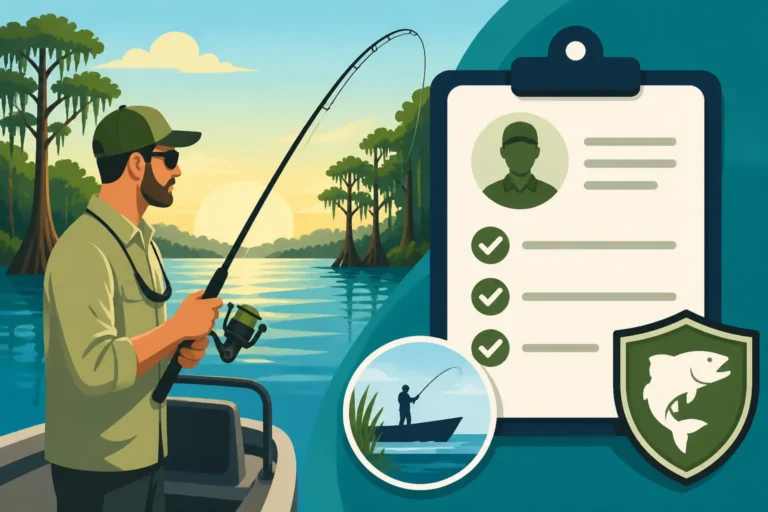
First and foremost, a fishing guide license isn't merely a formality; it’s a commitment to professionalism and safety. This license signifies that you've met certain criteria designed to protect both your clients and the environment. It's essentially the state's way of verifying that you possess the necessary knowledge, skills, and preparedness to lead others on fishing excursions. Without this official recognition, taking clients out for a fee, even if they're just friends chipping in for gas, could be considered operating illegally. It’s a vital distinction, so make sure you understand the difference between recreational fishing and commercial guiding. For a broader look at all the permissions you might need, you'll want to review the full Mississippi Fishing License Guide.
General Eligibility and Documentation
The journey begins with meeting fundamental eligibility criteria. While the MDWFP issues the state fishing guide license, for many operations, particularly those involving navigating a boat with paying passengers, federal requirements come into play. This often means securing a United States Coast Guard (USCG) Captain's License. This is where things can get a little more complex, as the USCG license has its own set of prerequisites, including age, sea time, physical exams, and drug tests.
To qualify for a Mississippi fishing guide license, you typically need to:
- Be at least 18 years old: This is a standard requirement across most professional licenses.
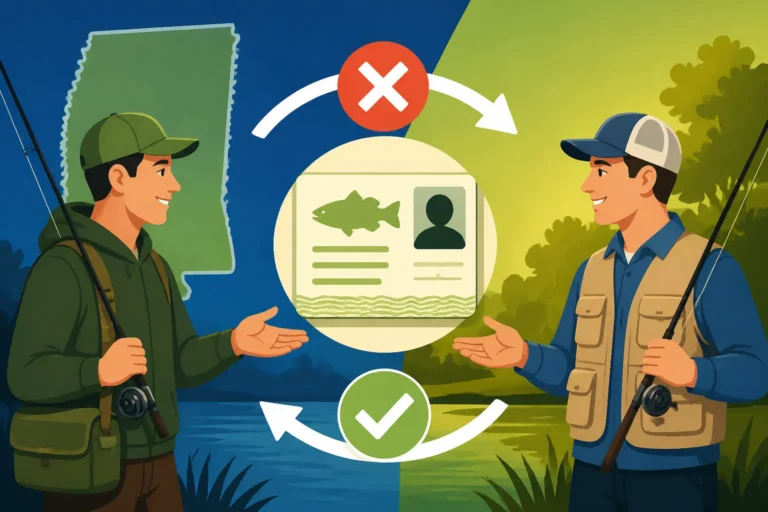
- Possess a valid Mississippi Driver's License or state-issued ID: Proof of residency is often a factor, especially for state-level licenses. If you're a nonresident looking to guide, there might be specific stipulations, which is an important consideration.
- Hold a current and valid USCG OUPV (Operator of Uninspected Passenger Vessels) or higher Captain's License: This is crucial if you plan on operating a motorboat carrying paying passengers. The "six-pack" license, as the OUPV is often called, allows you to carry up to six passengers on uninspected vessels. The type of waters you plan to operate on (inland, nearshore, offshore) will determine the specific endorsement needed on your USCG license. For instance, guiding in the Mississippi Sound requires a different level of licensing than solely guiding on Ross Barnett Reservoir.
- Complete CPR and First Aid certification: Safety is paramount, and being able to respond to medical emergencies is non-negotiable. Look for courses certified by organizations like the American Red Cross or the American Heart Association. Many community colleges or local fire departments offer these.
- Pass a background check and drug screening: The safety of your clients is a top priority for the state, so expect a thorough vetting process. This often involves fingerprinting and a review of any past criminal history.
It’s easy to get discouraged by this list, but remember, each step is designed to ensure you’re truly ready to take on the responsibility of a guide. Think of it as building a robust foundation for a successful and safe career.
Freshwater vs. Saltwater Guiding: Key Distinctions
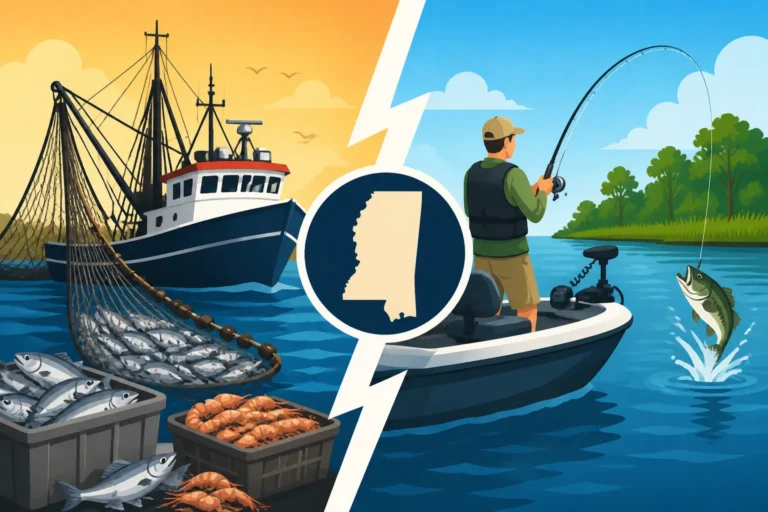
Mississippi offers incredible fishing opportunities in both freshwater and saltwater environments, but the specific guide licenses and associated regulations can differ. It's not a one-size-fits-all situation, and understanding these distinctions is key to getting the right credentials.
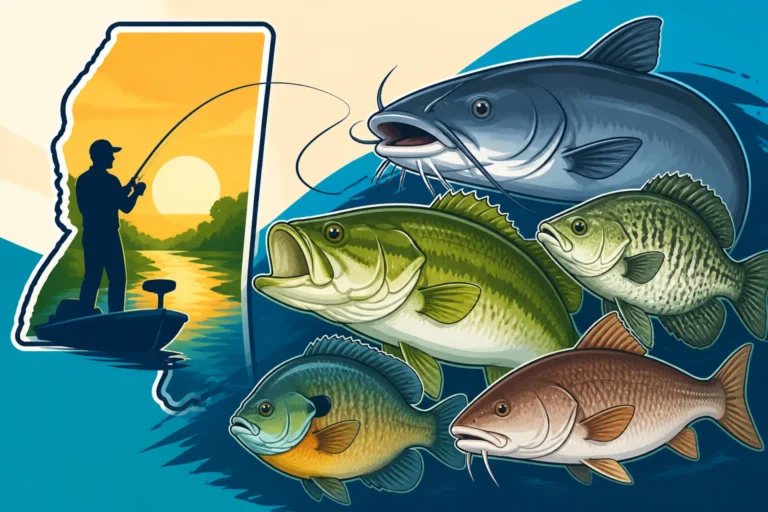
- Freshwater Guiding: If your dream is to guide clients for trophy largemouth bass on Ross Barnett Reservoir or crappie on Grenada Lake, you'll primarily be dealing with MDWFP regulations. While a USCG Captain's License is still often necessary if you're charging clients for boat trips, the focus of the state fishing guide license itself will be on freshwater species and inland water safety. You’ll also need to be intimately familiar with Mississippi Freshwater Fishing Rules and species-specific regulations like Mississippi Black Bass Regulations or Mississippi Crappie Regulations by Lake.
- Saltwater Guiding: For those looking to chase redfish and speckled trout along the Gulf Coast, you'll fall under the purview of the Mississippi Department of Marine Resources (MDMR) in addition to MDWFP for a combined license, and certainly the USCG. The requirements for a saltwater guide license often involve endorsements on your USCG Captain's License specific to nearshore or offshore operations, depending on how far out you plan to take clients. Familiarity with Mississippi Saltwater Sportfishing License Guide and specific limits like Mississippi Redfish and Speckled Trout Limits will be essential. The larger, more unpredictable nature of coastal waters often necessitates more rigorous training and vessel requirements for safety.
Regardless of your chosen waters, always double-check with the MDWFP and, if applicable, the MDMR, as regulations can change. These agencies also have specific requirements for vessel safety equipment, which is another layer of compliance to consider.
Step-by-Step Guide to Getting Your License
Once you've wrapped your head around the basic requirements, it's time to roll up your sleeves and dive into the application process. This isn't a race, and rushing through it can lead to frustrating delays. Take your time, gather all your documents, and approach each step systematically.
USCG Captain's License Application Process
For most professional fishing guides in Mississippi who operate a boat with paying clients, the USCG OUPV (or a higher credential) is your foundational license. This can be the most time-consuming and involved part of the entire process, so let’s break it down.
- Meet Sea Time Requirements: This is often the biggest hurdle. To qualify for an OUPV license, you typically need 360 days of documented experience on a vessel (at least 90 of which must be in the last three years). A "day" is generally defined as 4 hours or more on the water. You'll need to meticulously log your time, often using a "Small Vessel Sea Service Form" provided by the USCG, which requires verification from vessel owners.
- Complete Approved Courses: You'll need to complete an approved USCG course covering navigation, rules of the road, safety, and pollution prevention. Many private maritime training academies offer these courses. They usually involve classroom instruction and exams, and passing them means you don't have to take the lengthy USCG exam at a regional exam center. This can save a lot of stress!
- Pass a Physical Exam and Drug Test: A certified medical professional must complete a USCG physical exam, attesting to your fitness for duty. You'll also need to pass a DOT-approved drug test.
- Obtain a Transportation Worker Identification Credential (TWIC): This is a federal requirement for anyone needing unescorted access to secured areas of ports and vessels. You apply for this through the Transportation Security Administration (TSA).
- First Aid/CPR Certification: As mentioned earlier, this is a must-have for your USCG application as well.
- Submit Your Application: Once all documentation is gathered, you’ll submit your application package to a Regional Exam Center (REC) or online through the USCG’s Merchant Mariner Credential (MMC) system. Be prepared for a thorough review and potential requests for additional information. This step often feels like navigating a bureaucratic maze, but persistence is key!
Many prospective guides find the USCG process daunting, and rightfully so. Don’t be afraid to seek help from maritime training schools; they often guide you through the entire USCG application, which can be a lifesaver.
Mississippi State Fishing Guide License Application
Once you have your USCG Captain's License in hand (if applicable to your operation), or if you're guiding strictly from the bank or on waters that don't require a USCG license, you'll apply directly to the MDWFP for your state guide license.
- Obtain the Application Form: You can usually find the application form on the MDWFP website under the licensing or commercial licenses section. It's often bundled with other specific commercial fishing licenses.
- Provide Necessary Documentation: This will include copies of your USCG Captain's License (if applicable), proof of First Aid/CPR certification, and possibly proof of residency or other identification. They'll want to see that all your ducks are in a row.
- Pay the Required Fee: There will be a fee associated with the state fishing guide license. This fee helps fund MDWFP conservation efforts. The exact cost can vary, so always check the most current fee schedule. For a detailed breakdown of costs, you might find the "Mississippi Fishing Guide License Requirements Explained" or Mississippi Fishing License Costs articles helpful.
- Submit and Await Approval: Once you’ve filled out the application completely and attached all supporting documents and payment, submit it to the MDWFP. This can typically be done via mail or, in some cases, through an online portal. The review process can take some time, so be patient.
It’s a great idea to make copies of everything you submit for your records. This way, if there’s ever a question or an issue, you have your own paper trail to refer back to.
Essential Training and Continuing Education
Becoming a guide isn't a one-and-done deal; it's a commitment to continuous learning and improvement.
- Safety Training: Beyond CPR and First Aid, consider advanced safety courses. This could include knot tying, navigation refreshers, marine electronics operation, or even wilderness first aid if you plan on guiding in more remote areas. A safer guide means happier, more confident clients.
- Local Knowledge is Power: While not a "license requirement," continuously honing your knowledge of local waters, fish patterns, and seasonal changes is crucial for success. Spend time on the water even when you don't have clients. Network with other guides. Read up on local fish biology and conservation efforts. Understanding the full Mississippi Fishing Seasons Calendar will be invaluable here.
- Customer Service and Business Skills: Being a great angler is one thing; running a successful guiding business is another. Consider taking courses or reading books on customer service, small business management, marketing, and even basic accounting. Websites like Amazon offer a wealth of resources on these topics, from "Marketing for Outdoor Guides" to "Small Business Basics."
- Conservation Education: As a guide, you are a steward of Mississippi’s natural resources. Educate yourself on sustainable fishing practices, catch-and-release techniques, and the importance of adhering to Mississippi Fishing Creel and Size Limits. Your clients will look to you for guidance on these matters, and your knowledge reinforces the importance of ethical angling.
Maintaining Your Guide License and Professionalism
Getting your license is a huge accomplishment, but it's just the beginning. Maintaining your license and upholding a high standard of professionalism are critical for a long and successful career as a fishing guide in Mississippi.
License Renewal Processes and Deadlines
Both your USCG Captain's License and your Mississippi state fishing guide license will have expiration dates and renewal requirements. Missing these deadlines can result in lapsed licenses, fines, and even a temporary inability to guide.
- USCG Renewal: USCG licenses typically need to be renewed every five years. The renewal process is similar to the initial application but usually less intensive, often requiring updated physicals, drug tests, and proof of sea time or continuing education if you haven't maintained active sea service. Start this process well in advance of your expiration date, as delays are common.
- MDWFP State License Renewal: Your Mississippi fishing guide license usually aligns with the state's annual licensing cycle. You'll receive a renewal notice, but it's ultimately your responsibility to ensure it's renewed on time. This can often be done online, by mail, or in person at an MDWFP office. Always check the MDWFP website for the specific renewal period and any updated requirements. Timely renewal helps avoid penalties, so staying on top of these dates is crucial. An article like Mississippi Fishing License Online Renewal might offer additional insights into general state license renewal processes.
It’s a good practice to set multiple reminders on your calendar for both licenses. Consider a physical calendar, a digital calendar, and even a note on your boat or in your tackle box – anywhere you’ll see it regularly!
Adhering to All Regulations
As a licensed guide, you are held to a higher standard than a recreational angler. This means you must not only know but strictly adhere to all Mississippi Fishing Regulations Explained, including:
- Creel and Size Limits: You are responsible for ensuring your clients comply with all daily creel and size limits for specific species. This means accurately identifying fish and knowing exactly how many can be kept and at what size. For instance, being knowledgeable about Mississippi Black Bass Daily Limit or Mississippi Crappie Regulations by Lake is not just good practice, it's mandatory.
- Season Dates: Be aware of any open or closed seasons for particular species.
- Gear Restrictions: Understand and follow rules regarding legal fishing gear, number of rods, and bait types.
- Vessel Regulations: Ensure your boat meets all state and federal safety requirements, including proper lighting, life jackets, fire extinguishers, and sound-producing devices. You’ll also need to be aware of Mississippi Boat Fishing Regulations and ensure your vessel meets all Mississippi Boat Registration Requirements for Fishermen. Remember, client safety starts with a properly equipped and maintained vessel.
- Reporting Requirements: In some cases, commercial operators, including guides, may have specific catch reporting requirements.
- No License, No Fish: It is your responsibility to ensure that all of your clients possess the appropriate Mississippi Fishing License Guide for their age and residency. Fishing without one can lead to Mississippi Fishing License Penalties and Fines not just for your client, but potentially for you as the guide for allowing it. Many guides even offer to help clients purchase licenses online before the trip to ensure compliance.
Operating as a guide means you are an ambassador for responsible angling. Any violation can jeopardize your license and your reputation.
Professionalism and Client Management
Your license gets you in the door, but your professionalism keeps you in business. Building a strong reputation is paramount for any fishing guide.
- Clear Communication: Before the trip, clearly communicate expectations, what clients should bring, and what you provide. Manage expectations about potential catch. Honesty and transparency build trust. Providing a list of "What to Bring on a Mississippi Fishing Charter" beforehand is always appreciated.
- Safety First: Always prioritize client safety. This includes pre-trip safety briefings, ensuring life jackets are available and used when necessary, and being prepared for all contingencies, from sudden weather changes to medical emergencies.
- Client Comfort: Provide a comfortable experience. This might mean having extra sunscreen, bug spray, water, or even snacks readily available. A clean boat and well-maintained equipment also contribute to a positive experience.
- Patience and Instruction: Remember that many clients are beginners or less experienced anglers. Be patient, offer clear instruction, and celebrate their successes, no matter how small. Your role is often as much a teacher as it is a guide.
- Ethical Practices: Practice catch-and-release when appropriate, handle fish with care, and educate clients on conservation.
- Business Operations: Handle bookings, payments, and cancellations professionally. Consider having a written booking policy. Make it easy for clients to leave reviews, and always thank them for their business.
- Tipping Etiquette: While not mandatory, tips are customary in the guiding industry. Understand the "Tipping Etiquette for Mississippi Fishing Guides" and subtly provide information to your clients, perhaps through your website or a discreet mention in your pre-trip communications, without making them feel obligated.
The fishing guide business thrives on word-of-mouth. A happy client is your best advertisement, and a professional approach ensures they’ll be talking about their fantastic trip with you for years to come.
Essential Preparations Beyond the License
While the licenses are non-negotiable legal requirements, becoming a truly successful fishing guide involves preparations that go far beyond paperwork. Think of these as the practical building blocks of your guiding career.
Outfitting Your Vessel for Commercial Use
Your personal fishing boat might be perfect for your own outings, but commercial guiding often demands a higher level of preparedness and safety equipment.
- Safety Gear: Beyond standard recreational requirements, a guide vessel should have extra life jackets (including child sizes), a well-stocked first aid kit, a throwable flotation device, a VHF radio (with a registered MMSI number), an emergency position indicating radio beacon (EPIRB) or personal locator beacon (PLB) for offshore, and reliable navigation equipment. Having a spare propeller, basic tool kit, and extra fuel filters can also be trip-savers.
- Fishing Equipment: You'll need enough rods, reels, and tackle for all your clients, plus extras for contingencies. Consider various setups for different species or techniques you'll be employing. Brands like Amazon offer robust starter kits and individual pieces that can withstand the rigors of commercial use. Remember, your gear needs to be reliable and in good working order for every trip.
- Comfort and Convenience: A cooler for client drinks and snacks (and another for fish), a functioning marine head (restroom) if feasible and necessary for longer trips, and comfortable seating all contribute to a positive client experience. Shade is also a huge plus during Mississippi’s hot summers.
Regular maintenance is paramount. Your vessel is your mobile office, and any breakdown can mean lost revenue and a damaged reputation.
Insurance and Business Structure
Protecting yourself, your clients, and your business is just as important as protecting the fish population.
- Commercial Liability Insurance: This is absolutely critical. Recreational boat insurance will not cover you if you're operating commercially. You need a specific commercial marine liability policy that covers guided fishing trips. This protects you in case of accidents, injuries, or property damage. Don’t skimp on this; it's a non-negotiable expense for peace of mind and legal protection.
- Business Entity: Consider structuring your guide service as a formal business entity, such as a Limited Liability Company (LLC). This can offer personal liability protection, separating your personal assets from your business liabilities. Consult with a legal and financial advisor to determine the best structure for your situation.
- Bookkeeping and Taxes: Keep meticulous records of all income and expenses. As a business owner, you'll have tax obligations related to your earnings. Tools available on Amazon or accounting software can help you track this efficiently.
Navigating the financial and legal aspects of running a business can be complex, but it's a vital part of being a professional guide.
Marketing and Building Your Brand
Once you’re licensed and ready to roll, how do clients find you? Building a strong brand and effective marketing strategy is crucial.
- Website and Social Media: A professional website showcasing your services, photos of catches, testimonials, and booking information is essential. Utilize social media platforms like Facebook and Instagram to share daily catches, engage with potential clients, and highlight the beauty of Mississippi fishing. Consistency is key here.
- Local Partnerships: Network with local bait shops, tackle stores, hotels, resorts, and tourism boards. They can be excellent sources of referrals. Many will be happy to display your business cards or brochures.
- Online Booking and Reviews: Make it easy for clients to book and pay online. Encourage them to leave reviews on platforms like Google, TripAdvisor, or Yelp. Positive reviews are incredibly powerful for attracting new business.
- Specialized Trips: Consider offering specialized trips, such as fly-fishing excursions for bream, youth fishing trips, or even multi-day packages. This can help you stand out in a competitive market. For instance, focusing on "Grenada Lake Crappie Guides" or "Ross Barnett Reservoir Bass Fishing Guides" can help target specific niches.
- Quality Photography: Invest in a decent camera (or smartphone with a good camera) and learn to take great photos of your clients and their catches. High-quality images are incredibly effective marketing tools.
Building a successful guiding business takes time, effort, and a genuine passion for sharing the joy of fishing. Your license is the permit to pursue that dream, but your professionalism and dedication will be the key to making it a reality.
Disclaimer
The information provided in this guide is for general informational purposes only and does not constitute legal, financial, or professional advice. Fishing regulations and licensing requirements in Mississippi and at the federal level can change frequently. It is imperative to consult the official websites of the Mississippi Department of Wildlife, Fisheries, and and Parks (MDWFP), the Mississippi Department of Marine Resources (MDMR), and the United States Coast Guard (USCG) for the most current and accurate information. Always verify all requirements directly with the relevant authorities before proceeding with any application or operation.