Mississippi Bow Fishing Regulations
There's nothing quite like the primal thrill of bowfishing – combining the precision of archery with the excitement of fishing. It's an incredibly unique experience, but for many newcomers (and even seasoned anglers exploring a new method), the regulations can feel like a tangled mess of lines. Nobody wants to head out for a fun day or night on the water only to find out they're breaking the rules, potentially leading to fines or confiscated gear. This comprehensive guide will untangle the specific rules and requirements for bowfishing in Mississippi, ensuring you're fully prepared and compliant before you loose your first arrow.
The Legal Foundation of Bowfishing in Mississippi
Before you even think about stringing an arrow or powering up your boat lights, it's absolutely crucial to understand the foundational laws governing bowfishing in the Magnolia State. Mississippi, like many states, has distinct rules for different fishing methods, and bowfishing falls into its own category, often overlapping with general fishing regulations but with some significant differences.
Understanding Game Fish vs. Non-Game Fish
The biggest distinction in Mississippi bowfishing, and indeed much of its fishing law, revolves around what's considered a "game fish" versus a "non-game fish," often called "rough fish." Game fish are highly managed species like bass, crappie, and catfish, which are typically pursued with traditional rod and reel methods and have strict size and creel limits to ensure healthy populations. The Mississippi Department of Wildlife, Fisheries, and Parks (MDWFP) goes to great lengths to manage these populations, and that often means protecting them from less selective methods like bowfishing.
Non-game fish, on the other hand, are often species like various types of carp, gar, and buffalo. These fish generally reproduce prolifically, can sometimes become overpopulated, or are not traditionally sought after for sport or table fare in the same way game fish are. Therefore, bowfishing is primarily, almost exclusively, permitted for these non-game species. This distinction is paramount and failing to understand it is a common pitfall for those new to the sport. Always assume a fish is a game fish unless explicitly stated otherwise by MDWFP regulations for bowfishing.
General Licensing Requirements for Bowfishermen
Just like with any other form of fishing, you're going to need a valid Mississippi fishing license to participate in bowfishing. There’s no special "bowfishing license" per se; your standard freshwater fishing license (and possibly a saltwater license if you plan to bowfish in coastal brackish waters, though freshwater is far more common for this method) covers you. This often catches people off guard because they think of it as hunting, which requires a hunting license, but because you're targeting aquatic species, it's firmly under the umbrella of fishing.
For residents, this might mean a basic annual license, or perhaps a more comprehensive option like the Mississippi Sportsman's License Explained, which bundles hunting and fishing privileges. Non-residents will need to acquire a Mississippi Nonresident Fishing License Guide relevant to their stay duration, be it annual or short-term. Don't forget that if you're fishing in certain designated Mississippi State Parks, you might also need an additional permit on top of your state license, so always check the specific park rules before you go. This fundamental requirement is non-negotiable, and failing to have the proper license can lead to serious penalties, as outlined in our guide on Mississippi Fishing License Penalties and Fines.
Permitted Species and Specific Regulations
The heart of bowfishing regulations lies in what you can actually shoot. Unlike rod-and-reel fishing where many species are fair game (with limits), bowfishing is much more restrictive, focusing on specific types of fish. This is where many of the frustrations and confusions arise, so let's break it down thoroughly.
Targeting Non-Game Fish: The Primary Focus
In Mississippi, bowfishing is overwhelmingly directed towards non-game fish, often referred to as "rough fish." These are the species that MDWFP allows anglers to harvest using primitive methods like bows and arrows. The intent is often to manage populations of these species, which can sometimes outcompete game fish for resources, or simply to provide an alternative recreational opportunity. Common targets include various species of Gar, Buffalo (like Bigmouth Buffalo and Smallmouth Buffalo), and Carp (Common Carp and Grass Carp). These fish are abundant, often grow to impressive sizes, and present a fantastic challenge for bowfishermen.
When you're out on the water, you need to be absolutely certain of your target identification. Shooting a game fish accidentally can lead to legal repercussions. It's not enough to just "think" it's a carp; you need to know for sure. Take the time to study the differences between common non-game species and game fish. Remember, these regulations are designed to protect the sport fish populations that draw so many anglers to Mississippi's waters. For a broader understanding of what falls under this category, check out our guide on Mississippi Non-Game Fish Rules Explained.
Specifics for Popular Bowfishing Species
While the general rule is "non-game fish," even within this category, there can be nuances. For example, Gar species, particularly Alligator Gar, are very popular among bowfishermen due to their size and fighting capabilities. Mississippi allows the harvest of all gar species by bow and arrow. For Buffalo fish, all species are legal to take by bow, usually with no daily limit, though it's always wise to only take what you can reasonably use or give away. Carp species are also prime targets, and again, typically carry no daily limits when taken by bow.
It's important to note that while many non-game species have generous or no daily limits when bowfished, you should still consult the most current MDWFP regulations before each trip. Rules can change, and specific lakes or river segments might have unique, localized regulations. For instance, while generally not having limits, always confirm for specific bodies of water. This is especially true if you are on border waters, as rules can vary drastically even across a river, as covered in Mississippi Border Water Fishing Rules.
Why Game Fish Are Generally Off-Limits
The primary reason game fish like Largemouth Bass, Crappie, and Catfish are off-limits for bowfishing is their importance to the traditional sport fishing industry and ecosystem balance. Bowfishing is a less selective method than hook-and-line. When you shoot an arrow, you don't always know the exact species or size until it's too late. MDWFP maintains strict Mississippi Fishing Season Dates and Limits and size restrictions for these species, which are difficult to adhere to with bowfishing equipment.
Imagine if you could bowfish for bass; anglers might accidentally (or intentionally) take undersized fish or a protected species. This would quickly deplete populations and undermine years of conservation efforts. So, to preserve the integrity of game fish populations and ensure fair chase for traditional anglers, the MDWFP restricts bowfishing to non-game species. This helps maintain healthy populations for everyone to enjoy, whether they prefer chasing trophy bass in Ross Barnett or filling a cooler with crappie from Grenada Lake.
Where, When, and How You Can Bowfish
Beyond what you can shoot, it's essential to understand where and when you can deploy your bowfishing gear, as well as the rules governing the equipment itself. Mississippi offers a lot of opportunities, but they come with specific boundaries.
Approved Waterbodies and Restrictions
Most public waters in Mississippi that are open to general fishing are also open to bowfishing for non-game species. This includes major rivers like the Mississippi River, reservoirs such as the Ross Barnett Reservoir, and numerous public lakes and oxbows. However, there are some very important exceptions and restrictions you need to be aware of.
Certain designated fish spawning areas, specific wildlife management areas, or even particular state park lakes might have unique restrictions or outright prohibitions on bowfishing. For example, some state fishing lakes are managed intensively for game fish and might prohibit bowfishing to protect those populations. It's always a good practice to check with the specific managing authority (MDWFP district office or state park staff) for any waterbody you plan to visit, especially if it's not a major river or reservoir. Never assume that just because you can fish there with a rod and reel, you can bowfish there. This diligent checking can save you a lot of grief and ensure you're compliant with all Mississippi Fishing Regulations Explained. Also, be mindful of private property – even if a body of water technically has public access, respect riparian rights and avoid trespassing on private land to access fishing spots.
Day and Night Bowfishing Rules
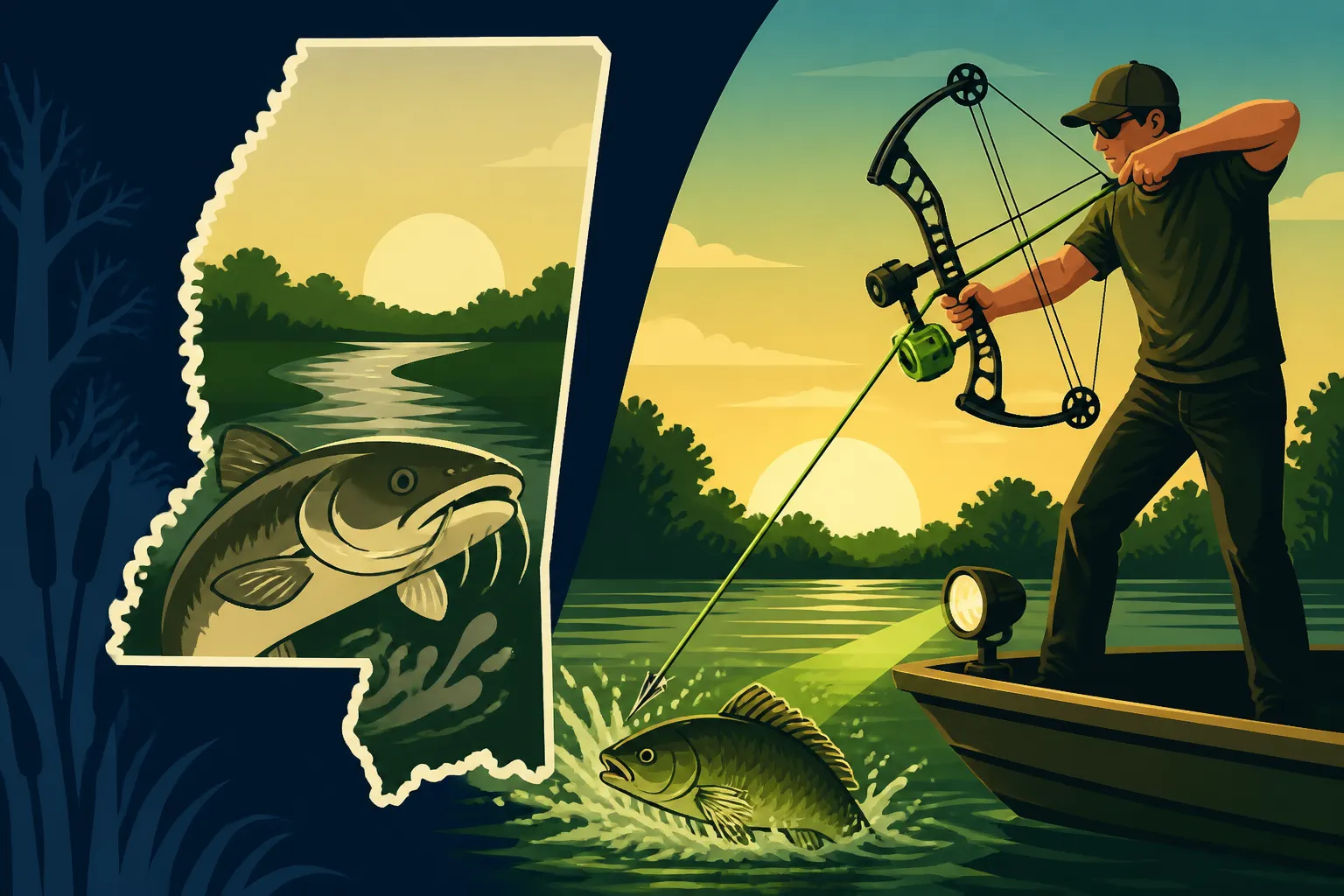
One of the most popular aspects of bowfishing is the ability to do it at night, often enhanced by powerful lights that illuminate the water, revealing fish near the surface. Mississippi does permit night bowfishing, but there are specific rules, particularly concerning lighting. If you're going to use artificial lights to attract or locate fish, those lights must be powered by the vessel from which you are fishing. This means no detached, floating lights that aren't affixed to your boat. This regulation is in place for safety, navigation, and to prevent littering or abandoned lights.
When night bowfishing, proper boat navigation lights are also mandatory, as per general Mississippi Boat Fishing Regulations. You'll need your red and green bow lights, and your all-around white stern light. It’s a dark environment, and other boaters might be out. Safety is paramount. Always be aware of your surroundings, scan for other boats, and operate your vessel responsibly. The thrill of spotting a massive carp under the glow of your lights is unforgettable, but responsible boating makes it possible.
Equipment and Ethical Considerations
The equipment used in bowfishing is quite specialized. You'll need a bow (recurve, compound, or even a specialized bowfishing bow), a reel (often a traditional spincast or bottle reel) mounted to the bow, and specialized arrows with barbs designed to penetrate and hold fish, attached to a line that runs back to the reel. While there aren't many specific MDWFP regulations on the type of bow or reel you can use, the arrow itself is critical. It must be tethered by a line, and cross-bows are generally considered legal for this application as well.
Ethical considerations are huge in bowfishing. The primary unwritten rule, though often implied in conservation, is to only shoot what you intend to harvest and consume or properly dispose of. Bowfishing is not about sport release; once an arrow is in a fish, it's generally not releasable. Therefore, be prepared to deal with your catch. Many bowfishermen target carp and buffalo for fertilizer, bait, or even for consumption (they can be quite tasty if prepared correctly!). Whatever your purpose, ensure responsible disposal. Do not leave fish carcasses on banks or toss them back into the water to rot. This ensures respect for the resource and fellow outdoors enthusiasts.
| Species Category | Permitted by Bow? | Daily Limit (Bowfishing) | Common Locations | Notes |
|---|---|---|---|---|
| Game Fish | No | N/A | All public waters | Includes Bass, Crappie, Catfish, Bream, Striped Bass, etc. |
| Gar Species | Yes | No limit (check local) | Rivers, Reservoirs, Oxbows | Alligator, Longnose, Shortnose Gar are popular targets. |
| Buffalo Species | Yes | No limit (check local) | Rivers, Reservoirs, Oxbows | Bigmouth, Smallmouth Buffalo are common. |
| Carp Species | Yes | No limit (check local) | Rivers, Reservoirs, Ponds | Common Carp, Grass Carp are prevalent. |
| Other Non-Game Fish | Yes | No limit (check local) | Depends on species (e.g., Bowfin, Drum) | Always confirm specific identity and regulations for lesser-known non-game species. |
Remember, this table provides a general overview. Always consult the most current MDWFP regulations for the specific body of water you intend to fish, as localized rules can supersede statewide general guidelines. For example, some areas might have restrictions on certain methods to protect a particular species.
Essential Preparations and Safety for Your Bowfishing Trip
Now that you have a solid grasp of the regulations, let's talk about getting ready for your trip. Bowfishing, while exhilarating, does require some specific preparations and a strong focus on safety, especially when you're dealing with sharp arrows and often low-light conditions.
What to Pack Beyond Your Bow
Beyond your essential bowfishing rig, there are a few other items that are crucial for a successful and legal trip. First and foremost, always carry your physical or digital copy of your Mississippi Fishing License Guide. If a game warden checks you, you need to prove compliance. A valid ID is also required. You'll also want a large cooler for your catch. Remember, you're primarily targeting larger non-game fish, so a standard bait bucket won't cut it. Consider bringing a separate cooler for drinks and snacks.
Gloves are highly recommended. Handling fish like gar or buffalo can be rough on your hands due to their scales, fin spines, or sharp teeth. A good pair of pliers or a dedicated fish gripper can help manage your catch safely. For night trips, a reliable headlamp is invaluable for rigging gear, navigating your boat, or simply moving around. Polarized sunglasses are excellent for daytime bowfishing, cutting glare and helping you spot fish under the surface. And don't forget bug spray – Mississippi evenings can be thick with mosquitoes!
Prioritizing Safety on the Water
Safety in bowfishing is multi-faceted. The most obvious aspect is handling your bow and arrows responsibly. Always treat your bow as if it's loaded and ready to fire. Never aim at anything you don't intend to shoot, especially other people or boats. When pulling arrows from fish, be incredibly careful with the barbed points. Accidents can happen quickly if you're not paying attention.
Beyond the archery aspect, general boating safety is paramount. Ensure your boat is in good working order, with all necessary safety equipment including life jackets, a fire extinguisher, and proper navigation lights, especially for night expeditions. Remember, Mississippi Life Jacket Rules for Anglers apply to everyone on board. For those embarking on night trips, a thorough understanding of the body of water you're on is crucial. Submerged stumps, sandbars, and shallow areas can be invisible in the dark. Always go slower than you think you need to, and use a reliable GPS or depth finder if possible. Never go out on the water alone, especially at night, and always let someone know your float plan – where you're going and when you expect to return.
Respecting the Resource and Other Anglers
Finally, successful bowfishing isn't just about catching fish; it's about being a responsible steward of Mississippi's natural resources. Follow all regulations to the letter, and then go above and beyond with ethical practices. This includes proper disposal of fish, respecting private property lines, and leaving no trace behind. If you're out on a lake like Sardis or Grenada, remember that many other anglers are targeting crappie or bass with traditional methods. Be courteous, avoid making excessive noise or disturbing their fishing spots, and always give way to other boats.
Bowfishing is a fantastic way to enjoy the waters of Mississippi and target some truly unique species. By understanding and adhering to the regulations outlined here, you can ensure your trips are not only productive and exciting but also legal and respectful of our shared natural heritage. So, grab your gear, double-check those regulations, and get ready for an unforgettable bowfishing adventure!
Disclaimer
The information provided in this guide is for general informational purposes only and does not constitute legal advice. Fishing regulations can change frequently. Always consult the most current official Mississippi Department of Wildlife, Fisheries, and Parks (MDWFP) regulations before engaging in any fishing activities. Compliance with all applicable laws and regulations is the sole responsibility of the individual angler.