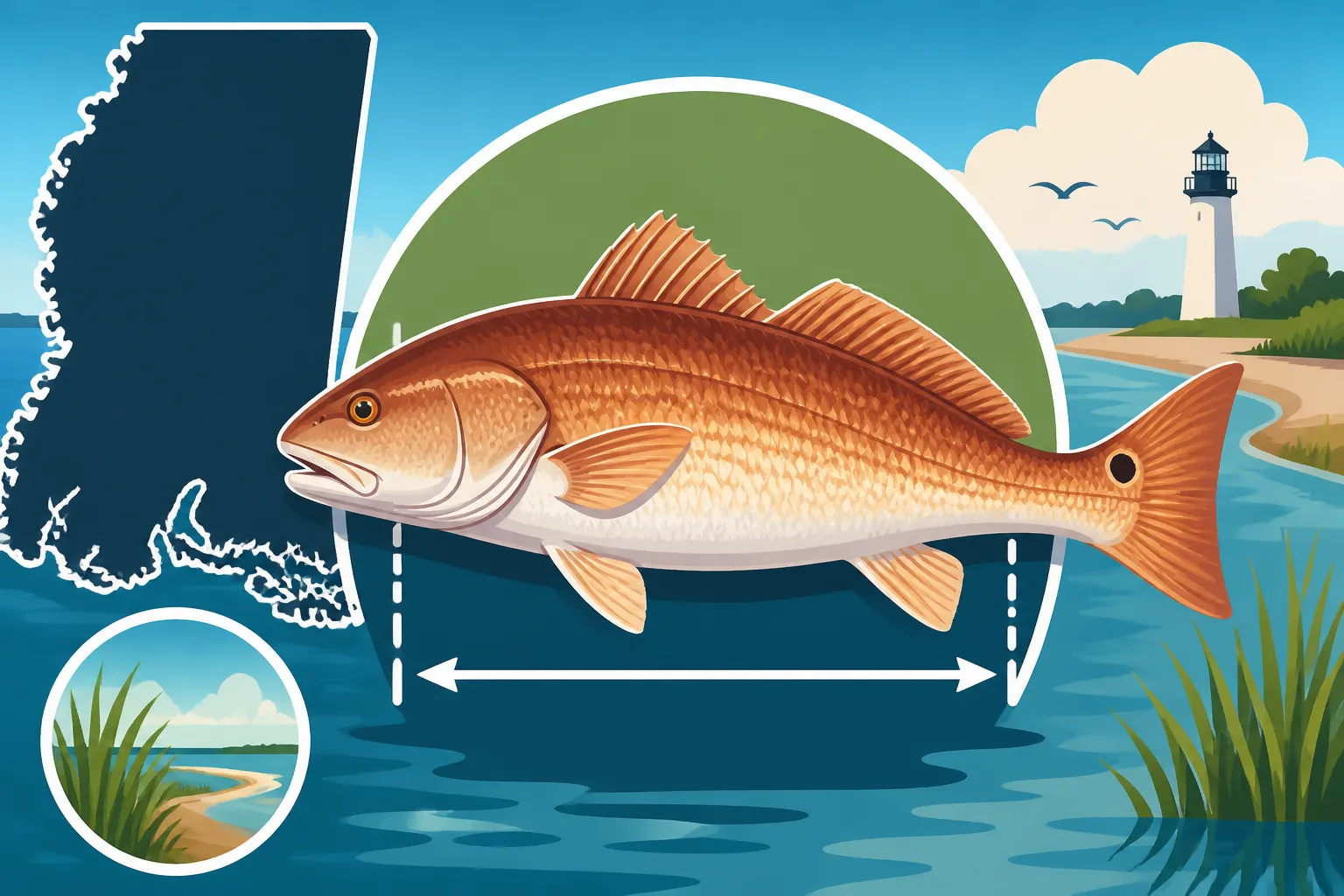
Redfish Slot Limit on the Mississippi Gulf Coast
Navigating the ins and outs of fishing regulations can feel like trying to untangle a knotted fishing line, especially when you're excited to hit the water. It’s a common frustration for anglers, wanting to do the right thing but sometimes feeling overwhelmed by the specifics. This comprehensive guide is designed to clarify one of the most important rules for saltwater enthusiasts: the redfish slot limit on the Mississippi Gulf Coast, ensuring you're fully prepared for a successful and legal fishing trip.
Understanding the Mississippi Redfish Slot Limit
The redfish, also known as red drum, is a prized game fish along the Mississippi Gulf Coast, known for its powerful fight and delicious table fare. However, their popularity means that careful management is essential to ensure sustainable populations for future generations of anglers. That's why the Mississippi Department of Marine Resources (MDMR), in conjunction with state regulations, implements strict rules, including a specific slot limit.
What Does "Slot Limit" Actually Mean for Redfish?
A slot limit isn't just a minimum or maximum size; it's a range. For redfish in Mississippi's state waters, the regulation means that you can only keep fish that fall within a specific size range, measured from the tip of the snout to the end of the tail (total length). Any fish smaller than the minimum or larger than the maximum must be immediately released unharmed. This isn't just a suggestion; it's a critical rule enforced to protect the species.
Currently, the recreational red drum (redfish) slot limit on the Mississippi Gulf Coast is 18 to 30 inches total length. This means any redfish you catch that is smaller than 18 inches or larger than 30 inches must be released. Alongside this, there's a daily creel limit of 3 fish per person. So, not only do your fish have to be within the 18-30 inch slot, but you can only keep up to three of them per day. Understanding these numbers is the first step to staying compliant and contributing to healthy fish stocks. You can always refer to the official Mississippi Fishing Regulations Explained for the most up-to-date information.
Where Does This Slot Limit Apply?
These redfish regulations specifically apply to Mississippi's state waters, which extend out to three nautical miles into the Gulf of Mexico. This includes popular fishing grounds like the Mississippi Sound, Biloxi Bay, Bay St. Louis, Pascagoula Bay, and all the bayous and estuaries connected to the Gulf. If you're fishing further offshore in federal waters, different rules might apply, so it’s always crucial to know exactly where you are fishing and what regulations are in effect. For those looking to understand the full scope, checking out the Mississippi Saltwater Fishing License Guide can offer additional context on coastal fishing requirements.
The Science Behind Redfish Slot Limits
It might seem counterintuitive to release a massive, trophy-sized redfish, but there's solid biological reasoning behind slot limits. These regulations are not arbitrary; they are carefully crafted by fisheries biologists to manage fish populations effectively and ensure their long-term health.
Protecting Spawning Stock and Juvenile Fish
The primary goal of a slot limit is to protect both the youngest, most vulnerable fish and the largest, most prolific breeders. Fish smaller than the 18-inch minimum are often juveniles that haven't yet had a chance to reproduce. By releasing them, we allow them to grow to maturity and contribute to future spawning cycles. Think of it as investing in the next generation of redfish.
On the other end, the large redfish, those over 30 inches, are often the most successful breeders, producing the most eggs and contributing significantly to the overall genetic health and stability of the population. These "bull reds" are vital for ensuring robust populations. Releasing these larger fish allows them to continue their crucial role in reproduction, bolstering the species for years to come. This strategy is a cornerstone of sustainable fisheries management, ensuring that anglers can continue to enjoy Redfish Fishing on the Mississippi Coast for decades.
Promoting Population Health and Balance
Without slot limits, there's a risk of "fishing out" certain age classes of fish. For example, if only minimum size limits existed, anglers might preferentially harvest all the medium to large-sized fish, leaving behind only small, immature fish and a few very old, less productive individuals. This can lead to an unbalanced age structure, making the population more susceptible to environmental changes or disease.
The slot limit helps maintain a healthier, more balanced age structure within the redfish population. It ensures that there are enough fish of all ages, from juveniles to mature spawners, to keep the ecosystem thriving. This thoughtful approach helps manage the population dynamics, leading to a more resilient and sustainable fishery overall. It’s a similar philosophy applied to other species, as detailed in guides like Mississippi Fishing Creel and Size Limits, which illustrate how various species are managed for health and abundance.
Practical Steps for Redfish Anglers
Knowing the rules is one thing, but applying them accurately when you're out on the water is another. From proper measuring techniques to responsible catch and release practices, there are several practical steps every redfish angler should master.
Accurate Measuring Techniques
When you land a redfish, the clock starts ticking to accurately measure it. Using a reliable measuring device is paramount. Many anglers prefer a bump board, which provides a rigid surface to lay the fish against, ensuring the snout is against the '0' end for a precise measurement. Alternatively, a flexible measuring tape can work, but you need to be very careful to keep the fish straight and flatten its tail for the most accurate reading.
- Lay the fish flat: Gently place the fish on a flat, wet surface, such as a measuring board or cooler lid. Avoid handling the fish excessively with dry hands, as this can remove its protective slime coat.
- Close the mouth: Ensure the fish's mouth is completely closed and pressed against the zero mark of your measuring device.
- Pinch the tail: Gently squeeze the tail lobes together to achieve the maximum total length measurement. Do not "fan" the tail. This is critical for getting an accurate measurement according to MDMR guidelines.
- Quick and efficient: Practice measuring quickly but carefully to minimize the stress on the fish. The faster you measure, the better its chances of survival upon release.
Having a sturdy measuring device readily accessible is essential. Many anglers buy these from reputable outdoor retailers or even online platforms like Amazon, where you can find a variety of options from basic tapes to specialized bump boards perfect for saltwater species.
Responsible Catch and Release Practices
For any redfish outside the slot limit, or once you've reached your daily creel limit of 3 fish, responsible catch and release is not just good practice, it's mandatory. The goal is to maximize the fish's survival chances after it swims away.
- Minimize fight time: Use appropriate tackle that allows you to land the fish relatively quickly, reducing exhaustion.
- Handle with care: If possible, keep the fish in the water while unhooking it. If you must bring it aboard, use wet hands or a wet towel to hold it. Avoid touching the gills or eyes.
- Use appropriate hooks: Circle hooks are highly recommended, especially when fishing with natural bait, as they significantly reduce the incidence of gut-hooking, making release much easier and safer for the fish.
- Dehook quickly: Have a dehooking tool or needle-nose pliers ready to quickly and carefully remove the hook.
- Revive if necessary: If a fish appears stressed or sluggish, hold it upright in the water, facing into the current, and gently move it back and forth until it regains its strength and can swim away on its own. For more general guidelines on handling, tips found in Mississippi Fishing Rules for Multiple Rods can also emphasize careful handling, even if it's about gear.
Necessary Gear for Redfish Anglers
Beyond your rod, reel, and bait, a few other items are indispensable for targeting redfish and adhering to regulations:
- Measuring device: As discussed, a reliable measuring board or tape is non-negotiable. You can find excellent options on Amazon that are durable and clearly marked for quick readings.
- Dehooking tool: Essential for safely removing hooks, especially if the fish has swallowed the bait.
- Pliers/cutters: For cutting line or removing hooks.
- Camera (optional but fun): For capturing memories before a release, but always prioritize the fish's well-being over the perfect photo.
- Cooler with ice: If you plan to keep your legal catch, a cooler with plenty of ice is crucial to keep the fish fresh.
- Appropriate Fishing License: Never forget that you need a valid Mississippi Fishing License Guide, specifically a saltwater endorsement, to legally fish for redfish on the coast. You might even consider options like the Mississippi Sportsman's License Explained for broader coverage.
By having these tools ready and practicing good technique, you’ll be well-equipped to enjoy your time fishing for redfish responsibly.
Consequences of Violating Redfish Regulations
Ignoring fishing regulations, even unintentionally, can lead to serious consequences. The Mississippi Department of Marine Resources (MDMR) and other enforcement agencies take these rules very seriously to protect our marine resources. It’s not just about avoiding a fine; it’s about upholding the integrity of the fishery.
Fines and Penalties
If you're caught with redfish outside the legal slot limit or exceeding the daily creel limit, you could face significant fines. These penalties can vary depending on the severity of the violation, the number of illegal fish, and whether it’s a first offense or a repeat infraction. For instance, being caught with just one undersized or oversized redfish could result in a fine of several hundred dollars, confiscation of your catch, and even your fishing gear. Repeat offenders might face even harsher penalties, including suspension of fishing privileges. It's always a good idea to be aware of the Mississippi Fishing License Penalties and Fines to understand the full scope of potential repercussions.
Law enforcement officers, including game wardens and marine patrol, regularly monitor popular fishing spots along the Mississippi Gulf Coast, from the piers of Biloxi and Gulfport to the expansive waters of the Mississippi Sound. They are highly trained to identify violations and enforce the rules. Trying to conceal illegal fish is never a good idea and can lead to additional charges.
Impact on Future Fishing Opportunities
Beyond personal financial and legal consequences, violating redfish regulations has a broader impact on the fishery itself. Each illegal fish kept contributes to overfishing and undermines the conservation efforts put in place to ensure healthy populations. When enough people disregard the rules, it can lead to a decline in fish stocks, which, in turn, can prompt even stricter regulations or shorter seasons in the future.
This means that today's violations could directly affect tomorrow's fishing opportunities for everyone. Maintaining healthy redfish populations requires collective responsibility. Adhering to the slot limit and creel limit is a shared duty that helps ensure the sustainability of this fantastic resource for all anglers, locals, and visitors alike, for many years to come. Thinking about the long-term health of fish species helps everyone, including those who also enjoy targeting Speckled Trout Fishing on the Mississippi Coast which also relies on careful management.
Summary of Mississippi Redfish Regulations
To help keep everything clear, here's a quick reference table for the current redfish regulations in Mississippi state waters. Always double-check with the latest MDMR guidelines as regulations can change.
| Regulation Category | Details for Recreational Red Drum (Redfish) |
|---|---|
| Slot Limit | 18 inches minimum total length to 30 inches maximum total length |
| Creel Limit | 3 fish per person per day |
| Measurement | Total Length (tip of snout to end of tail) |
| Location | Mississippi State Waters (up to 3 nautical miles offshore) |
| Exemptions | None for recreational anglers within these limits |
Remember, your Mississippi Fishing License Guide is just the first step; understanding and following these specific regulations, including How Many Redfish Can You Keep in Mississippi?, is crucial for a legal and enjoyable fishing experience on the beautiful Mississippi Gulf Coast.
Disclaimer
Please note that fishing regulations are subject to change by the Mississippi Department of Marine Resources (MDMR). While we strive to provide the most accurate and up-to-date information, it is ultimately the angler's responsibility to verify current regulations before heading out on the water. Always consult the official MDMR website or their most recent publications for any changes or updates to size limits, creel limits, and seasons. This guide is for informational purposes only and should not be considered legal advice.