Arkabutla Lake Crappie Regulations
There's nothing quite like the excitement of a crappie fishing trip to Arkabutla Lake, is there? You spend hours planning, checking the weather, getting your gear ready, only to then face the daunting task of deciphering the ever-changing fishing regulations. It's enough to make your head spin, and nobody wants to risk a fine or lose their hard-earned catch because they misunderstood a rule. This guide is here to untangle the specifics of crappie regulations for Arkabutla Lake, ensuring your next outing is both productive and compliant.
Understanding the Unique Challenges of Arkabutla Lake Crappie Fishing
Arkabutla Lake, nestled in DeSoto and Tate counties, is a renowned crappie hotspot in Mississippi, drawing anglers from all over the region. However, its popularity also means that careful management is essential to maintain a healthy and sustainable crappie population. This isn't just a matter of convenience; it's about preserving a treasured resource for generations to come. The Mississippi Department of Wildlife, Fisheries, and Parks (MDWFP) closely monitors lakes like Arkabutla, making adjustments to regulations as needed based on scientific data, population assessments, and angler feedback.
Why Regulations Exist for Arkabutla's Crappie
Crappie, both white and black varieties, are prolific spawners, but they are also highly sought after. Without proper limits on how many can be kept and at what size, even the most abundant populations can be quickly depleted. Imagine a scenario where everyone keeps every crappie they catch, regardless of size – it wouldn't be long before the average size of fish plummets, and the overall health of the fishery suffers. Regulations are designed to protect the breeding stock, allow younger fish to grow to a mature size, and ensure that anglers continue to have a quality fishing experience. They create a balance between harvesting fish and letting the population thrive. These rules are part of the broader framework of the state's efforts to manage its fisheries, which you can learn more about in our comprehensive guide to Mississippi Fishing Regulations Explained.
The Frustration of Conflicting Information
One of the biggest headaches for any angler is trying to figure out which rules apply where. You might hear different stories at the bait shop, read outdated information online, or even get conflicting advice from fellow fishermen. It's frustrating, especially when you're just trying to enjoy a peaceful day on the water. The truth is, regulations do vary from lake to lake, even within the same state. A rule that applies to Grenada Lake might be completely different for Arkabutla, and that's precisely why it's so important to get your information from official, up-to-date sources. Relying on hearsay can lead to costly mistakes, and frankly, it just isn't worth the risk. We all want to do the right thing, and a clear understanding of the rules is the first step.
Detailed Crappie Regulations for Arkabutla Lake
Navigating the specifics of crappie regulations for Arkabutla Lake doesn't have to be a mystery. The Mississippi Department of Wildlife, Fisheries, and Parks (MDWFP) sets clear guidelines to ensure sustainability and quality fishing experiences. It's crucial to remember that these rules are subject to change, so always double-check the latest official publications before heading out. However, for crappie on Arkabutla, there are generally specific limits in place that differ from statewide general regulations, reflecting the unique management strategies for this popular reservoir.
Daily Creel Limits and Possession
For crappie on Arkabutla Lake, anglers are typically allowed a daily creel limit that specifies the maximum number of fish you can harvest in a 24-hour period. As of current MDWFP guidelines, the daily creel limit for crappie (both white and black varieties combined) at Arkabutla Lake is 15 fish per person. This limit is designed to spread the catch among more anglers and prevent overharvesting of the lake's prime crappie population. It’s important to understand that this isn't just about what you catch and keep in your cooler for the day; it also impacts possession limits. Generally, the possession limit for crappie, once you've left the lake or returned to your temporary lodging, is twice the daily creel limit. So, while you can only take 15 fish home from the lake per day, you could technically possess up to 30 fish in your freezer if you've fished for two consecutive legal days. Always keep your fishing license handy, as detailed in our guide on Mississippi Fishing License Guide, because game wardens will want to confirm your compliance.
Minimum Size Requirements
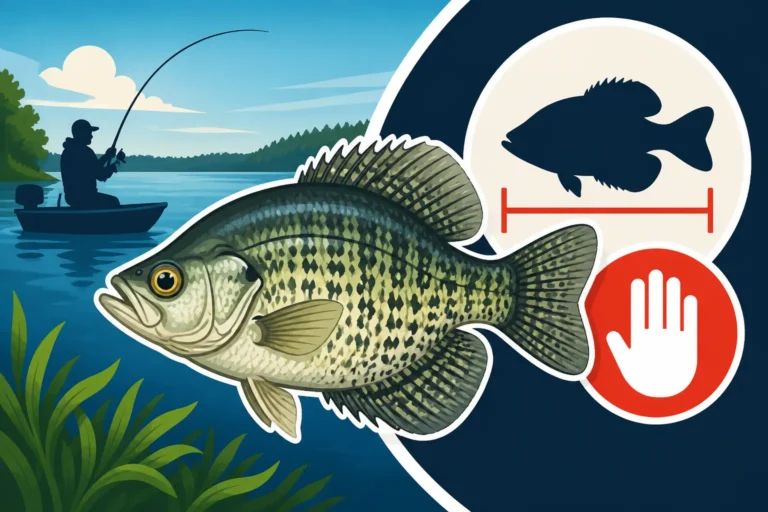
Beyond just the number of fish, size matters a great deal when it comes to crappie regulations at Arkabutla Lake. The MDWFP imposes a minimum length limit to ensure that crappie have a chance to grow, mature, and reproduce before they are harvested. For Arkabutla Lake, the minimum size limit for crappie is 11 inches. This means any crappie you catch that measures less than 11 inches from the tip of its snout to the end of its tail must be immediately released back into the water. This regulation is particularly important for crappie, as allowing them to reach a certain size significantly contributes to the overall health and population density of the fishery. It helps maintain a robust age structure, ensuring a good supply of larger, more desirable fish for future seasons. It's a common regulation across many of the state's top crappie waters, so understanding this is key, whether you're at Arkabutla or checking the Sardis Lake Crappie Size Limit or Enid Lake Crappie Daily Limit.
Special Considerations for Arkabutla
Arkabutla Lake, like its sister lakes Grenada and Sardis, is part of a special management program for crappie, which means its specific regulations can often be stricter or more tailored than the general statewide creel and size limits. These lakes are major crappie destinations, and intense fishing pressure requires a more conservative approach. Anglers visiting Arkabutla should always be aware that these localized rules supersede any general state regulations if there's a discrepancy. For instance, while some smaller bodies of water might have a more lenient crappie limit, Arkabutla's reputation for producing quality crappie necessitates these specific, often more restrictive, rules. Always consult the latest MDWFP fishing guide specifically for Arkabutla Lake or the Mississippi Delta Region. This diligence ensures you're always on the right side of the law and contributing positively to the lake's health.
Here's a quick summary of the current crappie regulations for Arkabutla Lake:
| Species | Daily Creel Limit | Minimum Size Limit | Notes |
|---|---|---|---|
| Crappie (White & Black) | 15 fish | 11 inches | Applies to both species combined. Possession limit is twice the daily creel limit after leaving the water. |
This table provides a concise overview, but remember, the detailed explanations above give you the full context of why these rules are in place and how to properly adhere to them.
Practical Tips for Staying Compliant and Enjoying Your Trip
Nobody wants to cut a fishing trip short because of a regulation misunderstanding, or worse, face fines. Staying compliant on Arkabutla Lake is simpler than you might think, especially when you have the right tools and information. It's all about preparation and making a few smart habits part of your routine.
Essential Gear for Measuring and Counting
First things first: you absolutely need a reliable measuring device. A simple bump board or a tape measure affixed to your boat's gunwale or cooler will do the trick. Don't eyeball it; a crappie that looks "just big enough" can easily be a quarter-inch too short, leading to trouble. Many anglers keep a small, waterproof ruler or a measuring sticker on their tackle box for quick reference. When it comes to counting, a simple clicker counter, often used by tournament anglers, is invaluable. This takes the guesswork out of remembering how many fish you’ve already placed in the livewell. You can find excellent, durable options for these items on platforms like Amazon, making it easy to ensure you're always ready. Having these tools readily accessible and using them every time you catch a fish removes doubt and helps you automatically comply with the Mississippi Statewide Creel Limits.
Where to Find Official Updates
The best and most accurate source for fishing regulations will always be the official Mississippi Department of Wildlife, Fisheries, and Parks (MDWFP) website. They publish an annual fishing guide that details all regulations, including specific lake-by-lake rules. You can usually download a PDF version or pick up a physical copy at bait shops, sporting goods stores, or MDWFP offices. It's also a good idea to follow their official social media channels or subscribe to their newsletters for real-time updates on any changes, special seasons, or announcements. Don't rely solely on what a friend tells you; take the extra step to verify the information yourself. This proactive approach ensures you're always working with the most current data, preventing any nasty surprises. For a deeper dive into all rules, check out the comprehensive Mississippi Fishing Regulations Explained.
What Happens If You Break the Rules
Let's be frank: fishing without understanding the rules, or outright ignoring them, can lead to serious consequences. Getting caught with undersized crappie or exceeding your daily limit on Arkabutla Lake can result in fines, confiscation of your catch, and potentially even the loss of your fishing license. The exact penalty depends on the severity and frequency of the offense, but nobody wants to be on the receiving end of a game warden's citation. These situations are easily avoidable with a little bit of knowledge and attention. It’s not just about the monetary cost; it's about the embarrassment and the impact on your reputation as a responsible angler. To avoid such scenarios, familiarize yourself with Mississippi Fishing License Penalties and Fines and understand What Happens If You Fish Without a License in Mississippi?.
Contributing to Sustainable Crappie Fishing at Arkabutla
Being a responsible angler goes beyond just following the rules; it's about actively contributing to the health of the fishery and ensuring that Arkabutla Lake remains a premier crappie destination for years to come. Every decision you make on the water has an impact, and by adopting a few best practices, you can make a significant difference.
Catch and Release Best Practices
For those crappie that don't meet the size limit or that you simply don't intend to keep, proper catch and release techniques are paramount. Handle the fish as little as possible, and always wet your hands before touching it to protect its slime coat, which is vital for its immune system. Use pliers or a dehooking tool to quickly remove the hook, especially if it's deeply set. If a fish is bleeding heavily or appears to be severely injured, it's often more humane to keep it within your legal limit, rather than releasing it to die slowly. When releasing, hold the fish gently in the water, allowing it to regain its strength and swim away on its own power. Avoid simply tossing it back into the water, particularly from a height. Investing in quality fishing pliers, readily available from retailers like Amazon, can make this process much smoother for both you and the fish. These practices are especially important when targeting specific species, as outlined in our Crappie Fishing Techniques for Mississippi Lakes.
Reporting Violations and Conservation Efforts
If you witness someone intentionally violating fishing regulations – whether it's keeping undersized crappie, exceeding the daily limit, or other illegal activities – it's important to report it. The MDWFP relies on responsible citizens to help enforce regulations and protect Mississippi's natural resources. You can typically report violations through a dedicated hotline or online portal provided by the MDWFP. Be prepared to provide as much detail as possible, including location, time, a description of the individuals, and any identifying features of their boat or vehicle. Your anonymity is usually protected. Beyond reporting, consider supporting conservation groups and initiatives that focus on freshwater fisheries. These organizations often use donations and volunteer efforts to fund habitat restoration, fish stocking programs, and educational outreach. Every little bit helps ensure that fantastic fisheries like Arkabutla Lake continue to thrive, protecting not just crappie, but all of the species that make it one of the Best Crappie Lakes in Mississippi.
Disclaimer
Please remember that fishing regulations can change. While this guide provides the most accurate and up-to-date information available at the time of writing, it is always your responsibility to verify current regulations directly with the Mississippi Department of Wildlife, Fisheries, and Parks (MDWFP) before you head out on the water. This content is for informational purposes only and should not be considered legal advice.