Sardis Lake Crappie Size Limit
There’s nothing quite as frustrating as heading out to one of Mississippi's legendary crappie lakes, eager to fill your livewell, only to find yourself second-guessing every fish you catch because you're unsure about the latest size and creel limits. It’s a common worry for many anglers, especially when regulations can vary from one body of water to another. This comprehensive guide is here to clear up all the confusion surrounding the crappie size limit on Sardis Lake, ensuring your next fishing trip is both productive and compliant with Mississippi’s fishing laws.
Understanding Mississippi's Crappie Regulations on Sardis Lake
Mississippi is renowned for its fantastic crappie fishing, and Sardis Lake is often at the top of many anglers' lists for a reason. But with such an incredible fishery comes the responsibility of managing it wisely. The Mississippi Department of Wildlife, Fisheries, and Parks (MDWFP) implements specific regulations to ensure these waters remain productive for generations to come.
Why Specific Lake Regulations Exist
You might wonder why Sardis Lake has its own specific rules, different from a private pond or even other major reservoirs. It’s all about maintaining a healthy ecosystem and a sustainable fishery. The MDWFP continuously studies fish populations, growth rates, and angler catch data on lakes like Sardis. These studies help them determine if a certain species, like crappie, is thriving, overpopulated, or needs a bit of a boost.
For crappie, size and creel limits are crucial tools. A size limit, like the one on Sardis, helps protect younger fish, allowing them to grow to a mature size and spawn at least once before being harvested. This ensures that there’s a consistent natural reproduction cycle. Without these specific rules, anglers might inadvertently deplete the population of smaller, immature fish, leading to a decline in the overall health and quality of the fishery over time. It can be a real headache to keep up with, especially if you fish multiple lakes, but these targeted regulations are really for the long-term benefit of all of us who love to fish.
The Current Crappie Size Limit for Sardis Lake
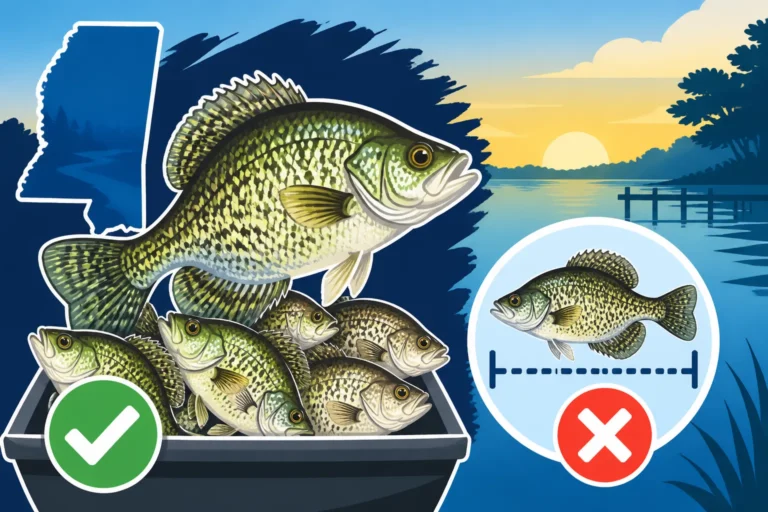
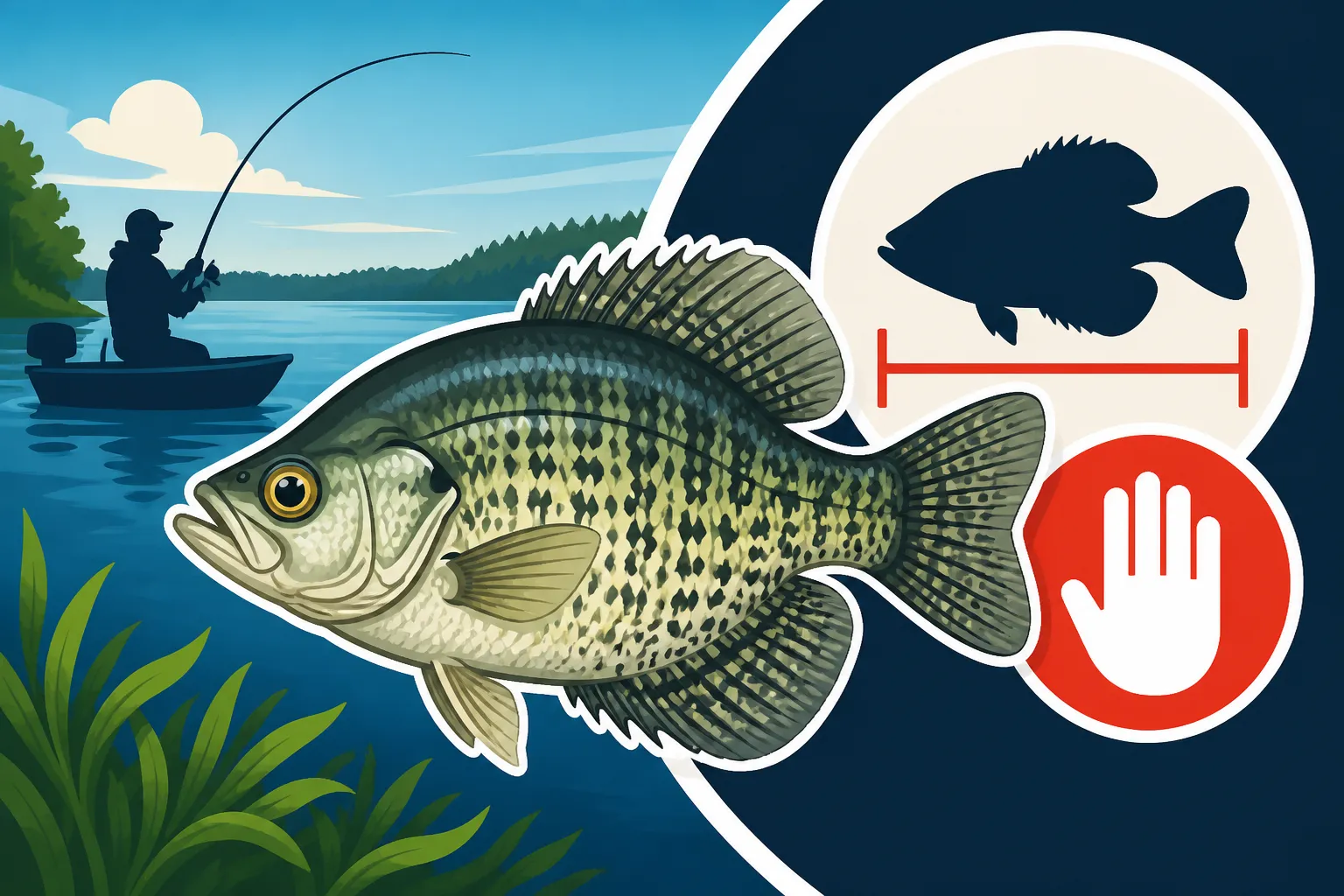
Let's get straight to the point: the crappie size limit on Sardis Lake is a minimum length of 11 inches. This means any crappie you catch that measures less than 11 inches from the tip of its nose to the end of its tail must be immediately released back into the water. This regulation applies to both black crappie and white crappie, which are the two primary species you'll encounter on Sardis.
This 11-inch minimum length is in place to allow crappie to reach sexual maturity and contribute to the lake's population before they're eligible for harvest. It's a sweet spot that MDWFP biologists have identified as crucial for maintaining the impressive crappie fishery that Sardis Lake is known for. So, if you pull in a beautiful slab that's just a hair under, remember to gently unhook it and send it back to grow a bit more. Trust me, it'll be worth it in the long run! For more insights into how these rules are set, check out our guide on Mississippi Fishing Regulations Explained.
Navigating Crappie Creel Limits and Daily Possession on Sardis Lake
Beyond just the size of the fish, knowing how many crappie you can actually keep is equally vital. Misinterpreting creel and possession limits can land you in hot water, even if you’re genuinely trying to follow the rules. On Sardis Lake, as with any managed fishery, these limits are carefully calculated to balance angler opportunity with conservation needs.
Sardis Lake's Daily Crappie Creel Limit
For Sardis Lake, the daily creel limit for crappie is 30 fish per person. This means that in a single 24-hour period, from midnight to midnight, an individual angler cannot harvest more than 30 crappie that meet the 11-inch minimum size requirement. It’s a generous limit, allowing for a fantastic day on the water and plenty of fish for the dinner table, but it's crucial not to exceed it.
It's also important to understand the difference between a "daily creel limit" and a "possession limit." The daily creel limit refers to the number of fish you can catch and keep per day. A possession limit, on the other hand, refers to the total number of fish you can have in your possession at any given time, regardless of when they were caught. For crappie on Sardis Lake, the possession limit is the same as the daily creel limit, meaning you can't have more than 30 crappie (meeting the size requirements) in your cooler, livewell, or freezer at any single moment. This prevents anglers from accumulating multiple daily limits over several days without consuming or processing their catch. Staying on top of these numbers is key to responsible angling.
The Importance of Adhering to Limits
Following these size and creel limits isn’t just about avoiding a ticket; it’s about being a good steward of the resource. Fisheries like Sardis Lake are precious, and overfishing or harvesting too many undersized fish can quickly lead to a decline in the crappie population. When everyone follows the rules, the crappie have a better chance to spawn successfully, ensuring there are plenty of fish for everyone in the years to come.
Ignoring these rules, even accidentally, can lead to serious consequences. Mississippi fishing license penalties and fines can range from monetary fines to the suspension of your fishing privileges. Imagine losing your ability to fish in Mississippi because you kept one too many crappie! It’s simply not worth the risk. The MDWFP is serious about protecting our fisheries, and their wardens regularly patrol popular spots like Sardis Lake. Always be sure to check the latest regulations before you head out, as rules can sometimes change due to biological surveys or environmental factors. Learning about Mississippi Fishing License Penalties and Fines can give you a clear picture of what’s at stake.
Practical Tips for Measuring and Handling Crappie on Sardis Lake
Accuracy and care are paramount when you're out on the water, especially when dealing with size limits. A tiny mismeasurement can lead to unintentionally breaking a regulation, and improper handling can harm a fish you intend to release. Let's make sure you're set up for success and doing right by the fish.
Proper Measuring Techniques to Avoid Mistakes
Measuring a crappie correctly is a skill every angler needs to master. The official measurement for crappie, and most fish in Mississippi, is the total length. This means you measure from the most forward point of the fish's head (usually its closed mouth) to the absolute tip of the tail, with the tail squeezed together to get the maximum length.
Here are a few tips to ensure accuracy:
- Keep the Mouth Closed: A crappie's mouth can extend a bit, so gently close it before taking your measurement.
- Pinch the Tail: Gently squeeze the tail lobes together to achieve the maximum length. Sometimes a fish's tail might be slightly damaged or frayed, but you still measure to the furthest point.
- Use a Reliable Measuring Tool: A good quality measuring board or a stiff, non-stretchable tape measure is essential. Flexible fabric tapes are notoriously inaccurate on a rocking boat. You can find excellent, durable measuring boards made for fishing on sites like Amazon, which are designed to stay flat and give you a precise reading. Many anglers even mark their boat gunwales or cooler lids with permanent markers for quick, unofficial checks, but always have an official ruler for certainty.
- Measure on a Flat Surface: Try to measure the fish on a flat, stable surface if possible. A measuring board laid flat is ideal.
What do you do if a fish is borderline? If you're ever in doubt and a crappie looks like it's right on the edge of the 11-inch limit, it's always best to err on the side of caution and release it. It's better to let a potentially legal fish go than to accidentally keep an undersized one.
Safely Releasing Undersized Crappie
Releasing an undersized crappie correctly gives it the best chance of survival and future growth. Your goal is to minimize stress and physical injury to the fish.
Here’s how to do it effectively:
- Handle with Care: Always wet your hands before touching a fish. Dry hands can remove the crappie's protective slime coat, making it vulnerable to disease. Hold the fish gently but firmly, supporting its body.
- Quick De-Hooking: Use needle-nose pliers or a de-hooking tool to remove the hook quickly. If the fish has swallowed the hook deeply and removing it would cause severe damage, it's sometimes better to cut the line as close to the hook as possible. Crappie often have a surprising ability to pass or shed hooks over time. You can find a variety of de-hooking tools on Amazon that make this process much easier and safer for both you and the fish.
- Minimize Air Exposure: Try to keep the crappie in the water as much as possible, especially during warmer weather. If you must remove it for a quick measure, do so swiftly and return it immediately.
- Revive if Necessary: If the fish seems stunned or sluggish after being caught, hold it gently in the water, facing into the current (if there is one), and allow water to flow over its gills. When it starts to swim strongly on its own, you can release it. Avoid tossing or dropping fish back into the water.
By practicing these careful measuring and handling techniques, you're contributing directly to the health of the Sardis Lake crappie fishery and ensuring that future generations of anglers will have just as much success as you do today.
Broader Crappie Regulations and Sardis Lake Specifics
While we're focusing on Sardis Lake today, it's really helpful to understand how these local rules fit into the larger regulatory landscape across Mississippi. Fishing regulations can sometimes feel like a maze, but there's always a logic behind them, and knowing the bigger picture helps you navigate it all with confidence.
General Mississippi Crappie Regulations vs. Sardis Lake Rules
Many anglers mistakenly believe that fishing rules are always uniform across an entire state, but Mississippi, like many states, employs a more nuanced approach. While there might be statewide general guidelines for certain species, the MDWFP often implements specific "special regulations" for individual lakes, reservoirs, or river segments.
For crappie, for example, the statewide general regulation for many waters is a daily creel limit of 30 crappie with no size limit. However, popular and heavily fished reservoirs like Sardis, Grenada, Enid, and Arkabutla often have their own specific regulations to manage their unique fisheries. Sardis Lake's 11-inch minimum size limit and 30-fish creel limit are examples of such special regulations. Other lakes might have different size limits (e.g., 9-inch minimum, 10-inch minimum), or sometimes slot limits (where you can only keep fish within a certain size range, not smaller or larger than specified). This localized management is crucial because each body of water has different biological characteristics, fishing pressure, and management goals. For a deeper dive into how these rules can differ, check out our articles on Mississippi Crappie Regulations by Lake and Mississippi Statewide Creel Limits. These resources are invaluable for understanding the specific nuances of each location.
Staying Updated on Regulations
The single most important thing any responsible angler can do is to stay informed. Regulations aren't set in stone; they can and do change. The MDWFP continually monitors fish populations, and if they see a trend that requires adjustment, they will update the rules.
Here's how you can make sure you're always fishing legally:
- MDWFP Website: The official Mississippi Department of Wildlife, Fisheries, and Parks website is your primary and most authoritative source for current regulations. They publish an annual fishing digest, and any in-season changes are typically posted immediately. Make it a habit to check their site before heading out, especially if you haven't fished a particular lake in a while.
- Local Bait and Tackle Shops: These shops are often excellent resources. The folks who run them and work there are usually avid anglers themselves and are typically very knowledgeable about local rules. They often have copies of the latest fishing digests available too.
- Fishing Guides: If you hire a Mississippi Freshwater Fishing Guides, they are legally required to know and abide by all regulations. Don't hesitate to ask them about the current limits; it's part of their professional expertise.
- Download the App: Many state wildlife agencies now offer mobile apps that provide instant access to regulations, license purchases, and even catch reporting. Check if MDWFP has one available, as it can be a lifesaver on the water.
Ultimately, it’s the angler’s responsibility to know the rules. Claiming ignorance won't get you out of a fine. So, before you cast your first line on Sardis Lake, or any Mississippi waterway, take a few minutes to confirm you're up-to-date on all the relevant crappie regulations. It's a small investment of time that pays off big in peace of mind and ethical angling.
Sardis Lake Crappie Regulations Summary
To help you keep track, here’s a quick summary of the essential crappie regulations for Sardis Lake:
| Regulation Type | Crappie on Sardis Lake | Notes |
|---|---|---|
| Minimum Size Limit | 11 inches total length | All crappie less than 11 inches must be immediately released. Measure from closed mouth to tip of pinched tail. |
| Daily Creel Limit | 30 crappie per angler per day | You cannot harvest more than 30 crappie (11 inches or larger) in a 24-hour period (midnight to midnight). |
| Possession Limit | 30 crappie per angler | The total number of crappie you can have in your possession at any time (cooler, livewell, freezer, vehicle) cannot exceed the daily creel limit of 30. |
| Applicable Species | Both Black Crappie and White Crappie | These regulations apply equally to both species of crappie commonly found in Sardis Lake. |
| Regulation Source | Mississippi Department of Wildlife, Fisheries, & Parks | Always refer to the official MDWFP website or fishing digest for the most current and accurate information, as regulations can occasionally be updated. |
Disclaimer
The information provided in this guide is intended for general informational purposes only and does not constitute legal advice. Fishing regulations are subject to change by the Mississippi Department of Wildlife, Fisheries, and Parks (MDWFP). It is the angler's sole responsibility to consult the official MDWFP regulations or website prior to any fishing activity to ensure compliance with the most current laws and rules.