Is There a Size Limit on Largemouth Bass in Mississippi?
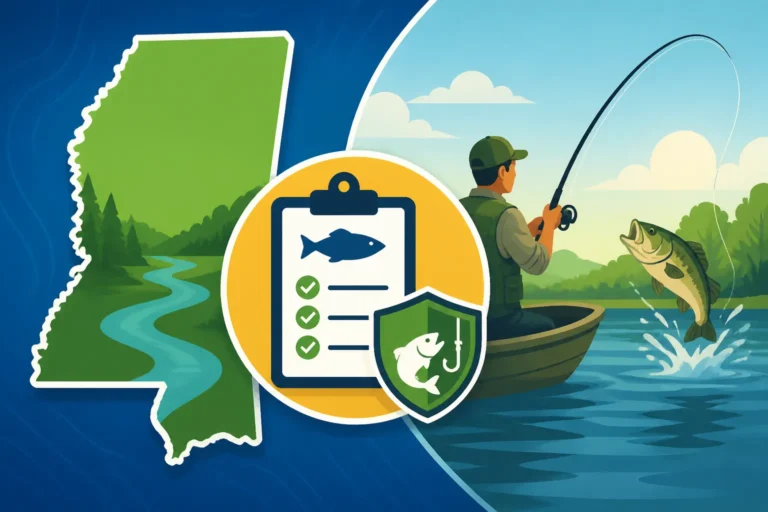
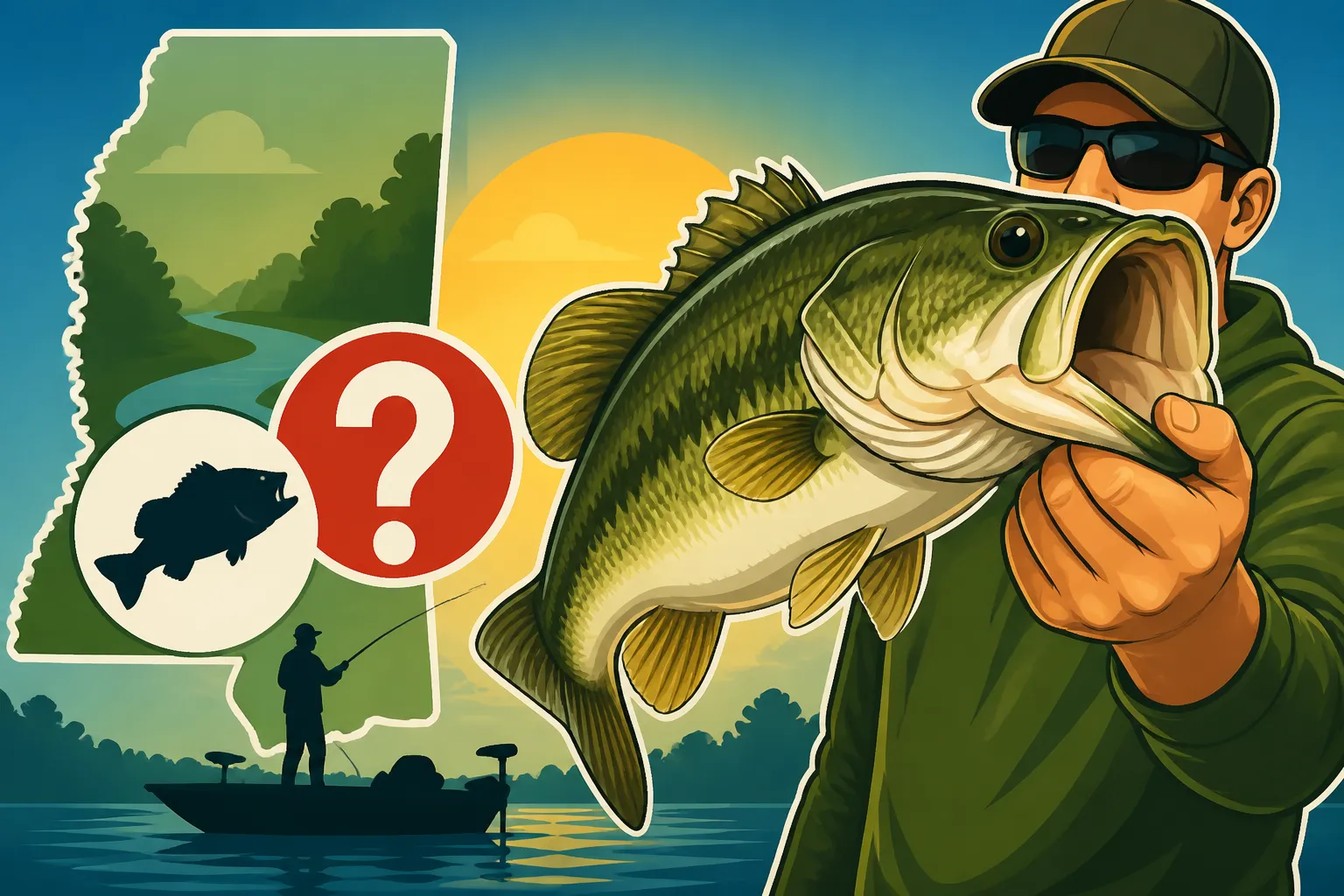
It can be incredibly frustrating to reel in a beautiful largemouth bass, only to wonder if you're actually allowed to keep it. The rules around fishing in Mississippi, especially when it comes to specific species like largemouth bass, can sometimes feel like a moving target with different regulations for different bodies of water. This guide is here to clear up that confusion, diving deep into the statewide and lake-specific size limits for largemouth bass, and explaining why these rules are so important for keeping our waters healthy and our fishing exciting.
Understanding Largemouth Bass Regulations in Mississippi
When you're out on the water, whether it's a quiet backwater slough or a sprawling reservoir, knowing the legal requirements for your catch is paramount. For largemouth bass, Mississippi has established a set of regulations designed to protect and enhance this beloved game fish. It’s not just about what you can keep, but also about understanding why those rules are in place.
The Statewide Largemouth Bass Size Limit
For most of the public waters across Mississippi, there isn't a minimum size limit for largemouth bass. This might come as a surprise to anglers from other states where strict minimums are common. However, the lack of a minimum doesn't mean it's a free-for-all. Instead, the focus shifts to a daily creel limit, which dictates the total number of bass you can take in a 24-hour period. Currently, the statewide daily creel limit for largemouth bass is 10 fish.
This statewide approach allows anglers to harvest smaller, more abundant bass, which can sometimes help reduce competition for food among the population. However, it’s crucial to understand that this is the general rule, and as we'll discuss, many popular fishing destinations have their own specific regulations that override the statewide standard. Always consult the Mississippi Department of Wildlife, Fisheries, and Parks (MDWFP) for the latest information on Mississippi Statewide Creel Limits.
Protected Slot Limits Explained
While the statewide rule often doesn't impose a minimum, many of Mississippi's premier bass fishing lakes utilize what's known as a "slot limit." This regulation is designed to protect bass within a certain size range, typically medium-sized fish that are considered prime spawners. For instance, a common slot limit might be 18-24 inches, meaning any largemouth bass measuring between those lengths must be immediately released back into the water. Anglers are usually allowed to keep fish under the slot and sometimes a limited number of fish over the slot.
The rationale behind slot limits is sound conservation. By protecting these middle-aged, highly reproductive fish, the MDWFP aims to ensure robust spawning activity and a consistent supply of future trophy-sized bass. It also encourages anglers to harvest smaller bass, which can help prevent overpopulation and stunting in some waters. This can lead to some truly impressive catches, contributing to Mississippi's reputation for Trophy Bass in Mississippi Waters. Knowing if you're fishing a slot lake is critical, so always check the specific regulations for your chosen body of water.
Why Size Limits Matter: Conservation and Quality Fishing
The regulations around largemouth bass, including size and creel limits, aren't arbitrary rules meant to make your life harder. They are carefully developed management tools, rooted in science, to ensure the long-term health of our fisheries and to guarantee excellent fishing experiences for generations to come.
Promoting Healthy Fish Populations
One of the primary goals of any size or slot limit is to maintain a healthy, balanced fish population. Largemouth bass are apex predators in many freshwater ecosystems, and their well-being impacts many other species. Protecting certain size classes allows fish to reach sexual maturity and spawn multiple times, ensuring a continuous cycle of reproduction. For instance, allowing bass to grow past a certain size before being harvested means they have more opportunities to reproduce, bolstering the overall population numbers and genetic diversity.
The MDWFP carefully monitors bass populations in various lakes, considering factors like growth rates, age structure, and spawning success. If data suggests that a particular lake's bass population is struggling to reproduce effectively, or if there's an imbalance, adjusting size or slot limits is a common strategy. This science-driven approach is crucial for sustainable fishing, ensuring that our lakes don't become overfished and depleted.
Enhancing the Fishing Experience
Beyond pure conservation, size and slot limits directly contribute to a more enjoyable and exciting fishing experience for anglers. Imagine a lake where every bass is tiny, or where the largest fish have all been harvested. That's not much fun for anyone. By protecting those mid-sized, actively spawning bass, slot limits, in particular, aim to grow larger, more challenging fish. This increases the likelihood of catching a truly memorable "hawg," which for many, is the ultimate thrill in bass fishing.
These regulations also foster a culture of responsible angling. Many dedicated bass fishermen, even when no strict slot is in place, choose to practice catch-and-release with larger bass, understanding their value as breeders and future trophies. It becomes a shared effort to maintain the quality of the fishery, providing opportunities for everyone to experience the excitement of a hard-fighting largemouth. This also means you're more likely to run into someone who knows a thing or two about where to find a Mississippi State Record Largemouth Bass Weight!
Navigating Specific Waters and Exceptions
This is where things can get a little tricky for anglers in Mississippi. While there's a statewide baseline, many of our most popular and productive fishing lakes operate under their own, unique set of largemouth bass regulations. Missing these nuances can lead to fines, so it’s essential to be well-informed before you wet a line.
Lake-Specific Regulations and Hotspots
It cannot be stressed enough: always check the specific regulations for the lake you plan to fish. Many of Mississippi's top bass fishing lakes and reservoirs have special rules that supersede the statewide limits. This is often done to manage the unique ecological conditions and fishing pressure of that particular water body. For example, lakes like the Ross Barnett Reservoir might have different length limits or slot limits compared to, say, Grenada Lake or Sardis Lake. You can find comprehensive details for specific bodies of water under Mississippi Black Bass Regulations.
A few examples of lakes known to have special largemouth bass regulations include:
- Ross Barnett Reservoir: This massive body of water near Jackson is a popular bass fishing destination. Its regulations are often tailored to promote a healthy population of larger bass.
- Grenada Lake & Sardis Lake: While famous for crappie, these North Mississippi flood control reservoirs also hold good bass, and their rules might reflect strategies to balance all fisheries.
- Mississippi State Fishing Lakes: These smaller, managed lakes often have specific regulations, including potential slot limits, designed to maximize recreational opportunities and produce quality fish in a more controlled environment. Be sure to check permits like the Mississippi State Park Lake Permit Cost if you're fishing one of these.
These localized rules are usually posted prominently at boat ramps and marinas, and are always detailed in the annual MDWFP fishing guide. A quick stop at a local bait shop can also provide invaluable, up-to-the-minute information from anglers who are on the water daily.
Border Water Considerations
Another important consideration, especially for those fishing along Mississippi's western edge, are border waters. The mighty Mississippi River, for instance, forms a significant portion of the state's western border with Louisiana and Arkansas. When fishing these shared waters, regulations can become a bit more complex. Typically, if you are legally licensed in Mississippi, you can fish the entire width of the Mississippi River, but it's crucial to understand that the rules about size and creel limits can sometimes vary depending on the adjacent state's regulations.
This means a fish caught on the Mississippi side of the river might have a different legal size or creel limit than one caught just a few yards away in Louisiana or Arkansas waters. It's always a good idea to research the specific border water agreements and regulations if you plan on fishing these areas. This ensures you're compliant no matter which side of the invisible line your lure lands on.
Ensuring You Stay Compliant: Practical Tips for Anglers
Staying on the right side of the law when fishing for largemouth bass in Mississippi isn't just about avoiding fines; it's about being a responsible steward of our natural resources. A little preparation and knowledge go a long way in making sure your fishing trip is enjoyable and legal.
Essential Gear for Measuring and Releasing
To ensure you comply with size limits, you absolutely need reliable measuring tools. A sturdy, clearly marked measuring board is ideal for quickly and accurately determining a bass's length. These boards often have a lip at one end to butt the fish's nose against, ensuring a precise measurement. You can find a wide variety of these, from foldable options to rigid plastic ones, on platforms like Amazon. Having a high-quality measuring tape or a fish ruler permanently affixed to your boat is another great option.
Beyond measuring, having the right tools for a quick and gentle release is vital, especially for fish that fall within a protected slot limit or those you simply choose to let go. This includes:
- Pliers or forceps: To quickly remove hooks, especially if a fish is deeply hooked.
- Lip grippers (optional): These can help you handle a bass without touching its body, minimizing stress, but use them carefully to avoid damaging the fish's jaw.
- Photography etiquette: If you plan to take a photo, do it quickly, and support the fish horizontally with two hands to protect its internal organs and jaw.
Investing in these few pieces of gear, many of which are readily available on Amazon, can make a huge difference in both your legal compliance and the survival rate of the fish you release.
Where to Find the Most Up-to-Date Information
The single most reliable source for current and accurate Mississippi fishing regulations is the Mississippi Department of Wildlife, Fisheries, and Parks (MDWFP) website. They publish an annual fishing guide that details all statewide and specific lake regulations. This guide is usually available online as a downloadable PDF and in print at MDWFP offices, bait and tackle shops, and many sporting goods stores.
Here are a few additional tips:
- Check signs at boat ramps: Many popular lakes will have large signs at public access points detailing any special regulations for that specific body of water.
- Local bait and tackle shops: The folks behind the counter at your local bait shop are often a treasure trove of information. They live and breathe local fishing and can usually give you the most current information, not just on regulations but also on what's biting.
- MDWFP's official social media: Sometimes, immediate updates or changes are announced via their social media channels.
- Fishing apps: Several popular fishing apps (though always cross-reference with MDWFP) can provide mapping and sometimes regulation overlays, but be cautious and verify critical information directly from the source.
Remember, ignorance of the law is no excuse. Always make it a point to verify the specific Mississippi Fishing Regulations Explained for your chosen fishing spot before heading out. And don't forget, having a valid Mississippi Fishing License Guide is your first step to legal fishing, so make sure you're properly licensed to avoid any Mississippi Fishing License Penalties and Fines.
Largemouth Bass Regulations in Mississippi Waters
To help you keep track of some of the key regulations, here’s a quick overview. Please remember that this table provides general information and specific regulations can change. Always confirm with the current MDWFP fishing guide before fishing.
| Water Body | Largemouth Bass Size Limit | Daily Creel Limit | Notes/Remarks |
|---|---|---|---|
| Statewide | No minimum size limit | 10 fish | This is the general rule for most public waters not covered by specific regulations. |
| Ross Barnett Reservoir | 16-22 inch slot limit; 5 fish creel | 5 fish | Only one fish over 22 inches may be kept. All fish between 16 and 22 inches must be immediately released. Consult MDWFP for latest. |
| Grenada Lake | 16-22 inch slot limit; 7 fish creel | 7 fish | Only one fish over 22 inches may be kept. All fish between 16 and 22 inches must be immediately released. |
| Sardis Lake | 16-22 inch slot limit; 7 fish creel | 7 fish | Only one fish over 22 inches may be kept. All fish between 16 and 22 inches must be immediately released. |
| Enid Lake | 16-22 inch slot limit; 7 fish creel | 7 fish | Only one fish over 22 inches may be kept. All fish between 16 and 22 inches must be immediately released. |
| Okhissa Lake | 16-22 inch slot limit; 10 fish creel | 10 fish | Only one fish over 22 inches may be kept. All fish between 16 and 22 inches must be immediately released. Okhissa is known for its excellent trophy bass potential. |
| Mississippi State Fishing Lakes | Often 16-22 inch slot or minimums | Varies by lake | These lakes are intensively managed. Regulations are highly specific to each lake. Always check signs at the lake or the MDWFP guide. |
| Mississippi River | No minimum size limit | 10 fish | Adheres to statewide limits on the Mississippi side. Be aware of varying regulations if crossing into Louisiana or Arkansas waters. Check Fishing Rules on the Mississippi-Louisiana Border Waters. |
Remember, these specific lake regulations are subject to change by the MDWFP based on ongoing fisheries management. It is your responsibility as an angler to always check the most current regulations before fishing.
Disclaimer
The information provided in this guide is for general informational purposes only and does not constitute legal advice. Fishing regulations can change frequently. It is the angler's sole responsibility to consult the most current Mississippi Department of Wildlife, Fisheries, and Parks (MDWFP) official regulations guide or website before engaging in any fishing activities to ensure compliance with all applicable laws and regulations.