What Happens in Rough Seas on a Charter Trip
There's a natural excitement that comes with booking a fishing charter along the beautiful Mississippi Gulf Coast or venturing out onto one of our vast freshwater reservoirs. You dream of calm waters, abundant fish, and the warm sun on your face. But let's be realistic: the weather in Mississippi, especially on the coast, can be unpredictable, and the thought of being out on the water when it gets rough can be a source of real anxiety. This guide is here to walk you through exactly what happens when you encounter rough seas on a fishing charter trip in Mississippi, from the captain's critical decisions to how you can prepare.
Understanding "Rough Seas" in Mississippi
When we talk about "rough seas," it's not always about a hurricane or a massive storm. Often, it refers to conditions that are simply uncomfortable or challenging for fishing. It's important to understand what these conditions entail, how they manifest in our local waters, and how experienced captains assess the situation.
What Constitutes Rough Water?
"Rough water" is a subjective term, but generally, it refers to waves that are significant enough to cause a boat to pitch, roll, or yaw uncomfortably. For most smaller recreational fishing boats on the Mississippi Gulf Coast, waves exceeding 2-3 feet can start to feel quite choppy, especially if they are close together or "stacked." On larger, offshore vessels, 3-5 foot waves might be considered manageable, though still far from calm. Freshwater lakes, while typically less prone to ocean swells, can also get surprisingly rough with strong winds whipping across open expanses like the Ross Barnett Reservoir or Sardis Lake, creating short, steep waves that can be very jarring.
The feeling of rough water isn't just about wave height; it's also about the wave period – how much time passes between wave crests – and the direction of the waves relative to the boat. A boat riding with the waves might feel different than one cutting directly into them or taking them on the beam (side). Your personal tolerance also plays a huge role; what one seasoned angler considers a "sporty" ride, another might find completely miserable. It's a key factor in how enjoyable your trip will be, and it's something your captain constantly monitors.
Imagine you're out near the barrier islands, targeting redfish and speckled trout, and a brisk easterly wind picks up. Those 2-foot waves that were once gentle rollers can quickly become sharp, jarring chops as they bounce off the shallows, making it difficult to stand steady, cast accurately, or even focus on your bait. For an inshore trip, even these seemingly small waves can make a big difference in comfort and fishability.
Common Causes of Rough Seas on the Mississippi Coast
The Mississippi Gulf Coast is a dynamic environment, and several factors can contribute to rough sea conditions. The most common culprit is wind. A strong breeze, especially one blowing consistently from a particular direction over a long fetch (the distance the wind travels over open water), can quickly build up significant wave action. Even a moderate wind, when combined with strong currents or tides, can create confused seas that feel much rougher than the actual wave height might suggest.
Beyond wind, localized weather patterns play a huge role. Pop-up thunderstorms, common during the hot Mississippi summers, can generate intense downdrafts that churn up the water for short periods, even if the overall forecast was calm. Frontal passages, where a cold front pushes through after a warm, humid spell, are notorious for bringing sudden and dramatic shifts in wind direction and strength, often leading to choppy conditions. Sometimes, even the wake from passing large vessels, like container ships or oil tankers traversing the Mississippi Sound or heading into the shipping channels, can create significant waves for smaller boats.
Think about a typical summer afternoon: the forecast might be for light winds, but by 2 PM, a cumulonimbus cloud forms overhead, unleashing a brief, intense shower and a burst of wind. Suddenly, the calm waters you started with are white-capped and bouncing. Experienced captains are always on the lookout for these micro-weather events, not just the broad forecast. This local knowledge is invaluable for keeping everyone safe and comfortable.
How Captains Assess Conditions Before and During a Trip
A reputable charter captain's job begins long before you even step foot on the boat. They are constantly monitoring multiple weather sources, including marine forecasts, radar, and local buoy reports. They combine this data with their extensive personal knowledge of how certain wind directions and tides affect specific fishing grounds. They're not just looking at the overall wind speed; they're considering the wind's direction relative to the coast, the depth of the water, and the distance they plan to travel. Many excellent guides can be found and booked on platforms like FishingBooker, where their experience and safety records are often highlighted.
On the day of the trip, if conditions look questionable, a good captain will typically communicate with you beforehand, sometimes even the day prior. They'll discuss the forecast, their assessment of the conditions, and what options might be available – perhaps a shorter trip, a change in fishing location to a more sheltered bay, or even a postponement. Once on the water, the monitoring doesn doesn't stop. They'll continuously observe the actual sea state, cloud formations, and wind patterns, often checking in with other captains in the area. This constant vigilance allows them to make informed decisions for everyone's safety and comfort.
It's a delicate balance: they want you to have a great time and catch fish, but safety is always the absolute priority. If they notice the seas building faster than expected or a storm brewing in the distance, they won't hesitate to alter course or head back to the dock. This proactive approach is a hallmark of a professional charter operator.
Captain's Protocol and Safety Measures
When the seas get rough, it's the captain's moment to shine. Their training, experience, and adherence to strict safety protocols become paramount. They are ultimately responsible for everyone on board, and their actions will dictate the safety and outcome of the trip.
Prioritizing Passenger Safety Above All Else
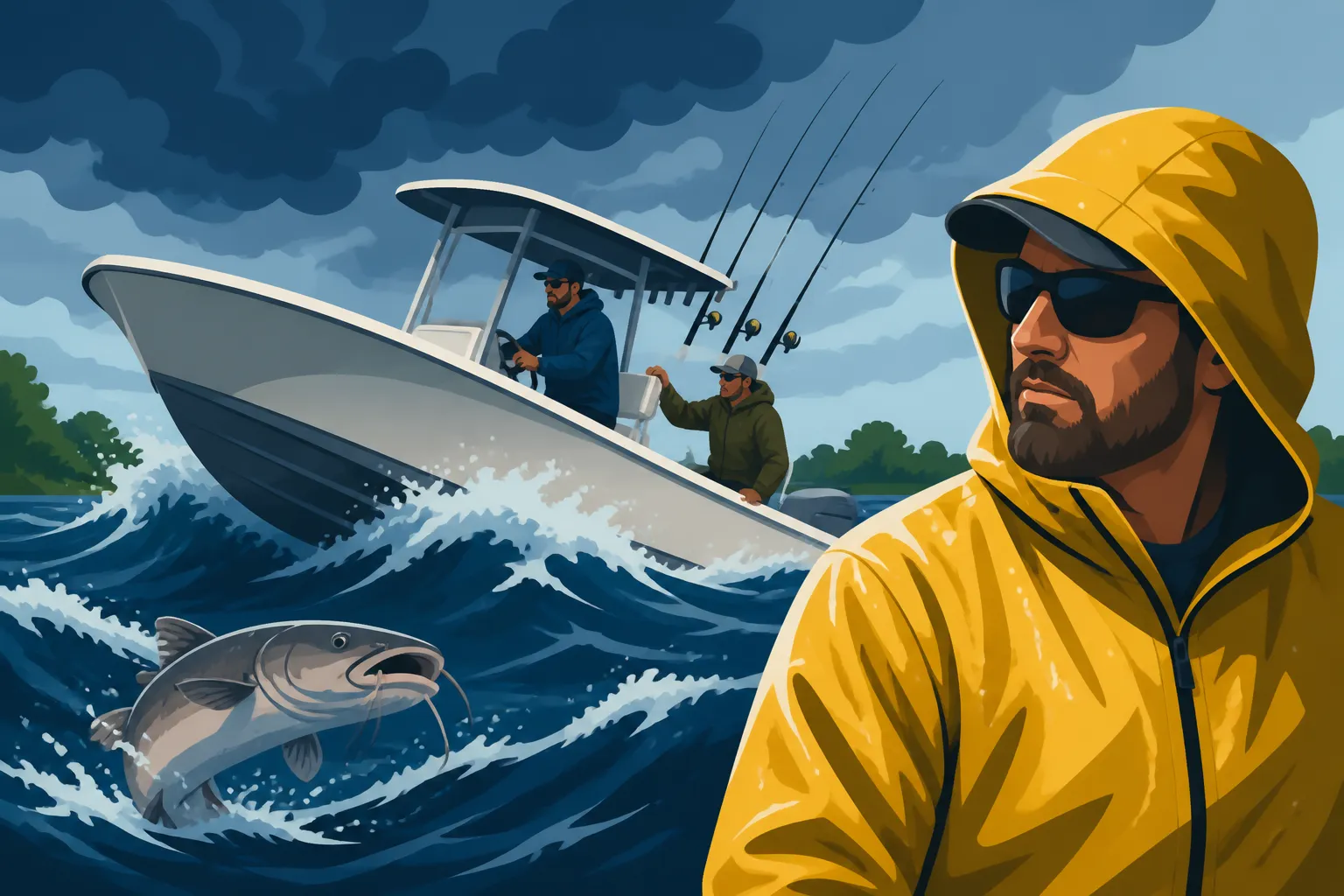
When rough conditions hit, the captain's first and foremost concern is the safety of everyone on board. Fishing, at that point, becomes secondary. Their immediate actions might include reducing boat speed to navigate the waves more smoothly, changing course to head into more sheltered waters (like moving from open Gulf waters into the calmer Mississippi Sound or a protected bay), or even making the call to abort the trip and return to the dock if conditions are deteriorating rapidly or become unsafe. They'll often instruct passengers on where to sit or stand to maintain balance and reduce the risk of falling.
This isn't just about physical safety; it's also about passenger comfort and peace of mind. A good captain will be calm, collected, and communicate clearly, reassuring passengers while also giving firm instructions. They understand that for many, rough seas can be frightening, and their steady presence is crucial. Don't be surprised if they ask you to secure loose items or to sit down immediately. These aren't suggestions; they are directives aimed at preventing injuries. You can often check the policies for various charters, including their safety equipment and protocols, when browsing options on a site like FishingBooker.
Sometimes, the safest course of action is to simply turn around. While disappointing, a captain who makes this call is prioritizing your well-being over a few more hours of fishing. It's a sign of a responsible and professional operator. Remember, it's better to be safe on shore wishing you were fishing than wishing you were on shore. For more on this, you might find What Happens If the Weather Is Bad on Charter Day helpful.
Essential Safety Equipment on Board
Every licensed charter vessel in Mississippi is required to carry a specific array of safety equipment, and this gear is absolutely vital in rough sea conditions. At the top of the list are personal flotation devices (PFDs), or life jackets. While you might not be asked to wear them during calm conditions, in rough seas, especially if there's any perceived risk, the captain will insist that everyone don a PFD. They'll show you where they are stored and how to properly wear them. Reviewing Mississippi Life Jacket Rules for Anglers can give you a better understanding.
Beyond PFDs, charter boats are equipped with critical communication and emergency gear. This includes a marine VHF radio for communicating with the Coast Guard and other vessels, a horn or whistle, visual distress signals (flares), and often an Emergency Position Indicating Radio Beacon (EPIRB) or Personal Locator Beacon (PLB) which, when activated, sends a distress signal with the boat's location to rescue authorities. First aid kits are always on board, and responsible captains are trained in basic first aid. Your safety relies on the presence and proper maintenance of this equipment.
When you board, a good captain or crew member will often point out the location of key safety equipment, like fire extinguishers and first aid kits. Pay attention to these brief orientations. Knowing where these items are stored can be invaluable in an emergency, though we all hope you never need to use them.
Communication Between Captain and Crew/Passengers
Clear, concise communication is key when conditions worsen. The captain will typically announce any changes in course, speed, or plan to the passengers, explaining why these changes are being made. For instance, "Folks, the wind's picking up, so we're going to slow down and head into the lee of Cat Island to get out of these waves for a bit." This helps alleviate anxiety by keeping everyone informed. They'll also give direct instructions, such as "Please stay seated" or "Hold on to the grab rail."
If there's a crew, the captain will be in constant communication with them, directing tasks like securing gear, helping passengers, or monitoring lines. Passengers, in turn, should communicate any concerns they have to the captain or crew, especially if they are feeling unwell or have a specific need. Don't suffer in silence if you're feeling seasick or uncomfortable. Your captain wants to know so they can take appropriate action.
This open line of communication ensures that everyone is on the same page, understands the situation, and can act accordingly. It fosters a sense of teamwork and trust, which is incredibly important when the unexpected happens on the water.
What to Expect as a Passenger
Being on a boat in rough seas can be an intense experience, even for seasoned anglers. Knowing what physical sensations to expect and how to manage them can make a big difference in your comfort and overall enjoyment, even if the fishing becomes challenging.
Physical Sensations and Seasickness Management
The most immediate physical sensation in rough seas is the increased motion of the boat – pitching (bow going up and down), rolling (side to side), and yawing (swaying around its vertical axis). This constant movement can quickly lead to motion sickness, commonly known as seasickness. Symptoms can range from mild nausea and dizziness to severe vomiting and general malaise. It's a truly miserable feeling that can quickly ruin a trip. Many people wonder, Do People Get Seasick on Mississippi Charter Boats?, and the answer is yes, it's quite common.
To combat seasickness, prevention is absolutely key. If you're prone to motion sickness, consider taking over-the-counter medication like Dramamine or Bonine before you even board the boat, giving it time to take effect. Ginger, in various forms (candies, capsules), is also a popular natural remedy. Acupressure wristbands can help some individuals. Once on board, try to stay on deck in the fresh air, focus on the horizon rather than looking down at your phone or fishing lines, and avoid reading. Eating a light, bland breakfast (no greasy foods or excessive alcohol) before the trip can also help. Hydration is crucial, so sip water or clear sodas.
If you do start to feel sick, tell the captain or crew immediately. They may have remedies on board, or they can suggest the best place to sit or stand to minimize motion. Sometimes, simply getting fresh air or lying down can help. Don't be embarrassed; it happens to the best of us!
Adapting Fishing Techniques to Choppy Conditions
Rough seas don't necessarily mean the fishing stops entirely, but it often requires a significant shift in tactics and expectations. First and foremost, safety dictates that you might need to limit your movement around the boat and focus on maintaining your balance. Long, sweeping casts might be difficult and even dangerous, so shorter, more controlled casts are often necessary. The boat's movement itself can make it hard to feel subtle bites, so more aggressive presentations or baits that are easily detected might be in order.
You might find yourself needing to use heavier weights to keep your bait down in the water column and prevent it from being tossed around by the waves. This is especially true for bottom fishing or drift fishing. If the captain decides to move to a more sheltered area, the target species might change, requiring different baits or lures. For instance, instead of trolling for king mackerel in the open Gulf, you might be casting soft plastics for speckled trout in a calm bay.
Ultimately, your focus should shift from "catching a trophy" to "having a safe and enjoyable experience." Be flexible and listen to your captain's advice; they have countless hours of experience fishing in all kinds of Mississippi conditions and know what works best and what's safest.
When a Trip Might Be Canceled or Cut Short
The decision to cancel or cut short a charter trip due to rough seas is solely at the captain's discretion, and it's a call they don't take lightly. No captain wants to disappoint their clients, but their primary responsibility is safety. If the marine forecast indicates unsafe conditions, or if conditions on the water unexpectedly deteriorate to a dangerous level (e.g., higher waves, stronger winds, sudden storms), the captain will make the call to stay at the dock or head back early. This is a vital part of their professional duty, and it's covered in their terms and conditions, which you can often review on booking platforms like FishingBooker.
When a trip is canceled before departure, most reputable charter operations will offer to reschedule your trip for another day or provide a refund or credit. If a trip is cut short while already underway, policies vary, but captains often offer a partial refund or a discount on a future trip, depending on how much fishing time was lost. It's always a good idea to familiarize yourself with the charter's specific cancellation and refund policy before you book, especially regarding weather. You can often find this information when booking a trip, and it's a common topic covered in Cancellation Policy for Mississippi Fishing Charters.
While it's disappointing to miss out on a fishing day, remember that a captain who cancels or turns back is putting your safety first. It speaks volumes about their professionalism and commitment to their passengers, rather than risking a dangerous situation for the sake of a few more fish.
Planning Ahead for Potential Rough Water
While you can't control the weather, you can certainly control how prepared you are for it. A little foresight can go a long way in ensuring your charter trip is as smooth and enjoyable as possible, even if the seas decide to be less than perfectly calm.
Researching Reputable Charters and Their Policies
Choosing the right charter is your first line of defense against a miserable rough-water experience. Do your homework! Look for captains with extensive local experience who operate well-maintained vessels appropriate for the type of fishing you plan to do (e.g., a sturdy offshore boat for deep sea excursions, or a bay boat for inshore fishing). Online reviews can be incredibly helpful here, as past clients often share their experiences regarding captain professionalism and how trips were handled in less-than-ideal conditions. Platforms like FishingBooker are excellent resources for finding and comparing reputable charters, as they often list detailed descriptions of boats, captains' experience, and explicit cancellation policies.
Don't be afraid to ask direct questions before you book: "What are your policies for bad weather or rough seas?" "How do you handle rescheduling or refunds if the trip is canceled due to conditions?" "What safety equipment do you have on board?" A good captain will appreciate your questions and provide clear answers. Understanding How to Book a Mississippi Fishing Charter includes knowing what questions to ask.
A transparent charter operator will have their policies clearly stated, often on their website or booking confirmation. This clarity ensures there are no surprises or disagreements if the weather decides not to cooperate on your fishing day. It’s better to have these conversations upfront than when you’re already on the water and uncomfortable.
Preparing Yourself and Your Gear
Your personal preparation can significantly impact your comfort in rough seas. Dress in layers, as conditions can change quickly, and bring waterproof outerwear even if the forecast doesn't call for rain. Non-slip, closed-toe shoes are an absolute must for safety on a moving boat deck. Avoid flip-flops, which offer little traction and can be easily lost. What to Bring on a Mississippi Fishing Charter covers these essentials in more detail.
If you're prone to seasickness, take preventive medication well in advance. Pack light snacks and plenty of water or non-acidic drinks. Secure any personal items like phones, wallets, and cameras in waterproof bags or containers to prevent them from getting wet or being tossed around. If you bring your own fishing gear, ensure it's properly stowed and secured.
| Condition Feature | Calm Seas | Rough Seas |
|---|---|---|
| Wave Height | Minimal (0-1 ft) | Noticeable (2+ ft) |
| Boat Motion | Stable, gentle sway | Pitching, rolling, jarring |
| Visibility | Clear, distant horizon | Can be obscured by spray |
| Comfort Level | High, easy to move | Can be low, challenging to balance |
| Fishing Impact | Easier to feel bites, cast | Requires heavier weights, shorter casts, concentration |
| Safety Risk | Low | Increased risk of falls, seasickness |
| Gear Stowage | Less critical | Essential to secure all items |
This level of preparation isn't about expecting the worst, but rather being ready for anything the Mississippi waters might throw at you. Being prepared means you can relax and focus on the fishing, even if the conditions are less than ideal.
Communicating Your Comfort Level
It is absolutely crucial to communicate your comfort level to your captain or crew. Don't try to "tough it out" if you're feeling genuinely unwell or scared. Your captain wants you to have a positive experience, and they can't help if they don't know there's an issue. Before the trip, if you have specific concerns about motion sickness or simply aren't keen on rough water, mention it during the booking process or when you first meet the captain. This allows them to plan routes accordingly or suggest alternative dates if necessary.
During the trip, if you start feeling seasick, dizzy, or genuinely uncomfortable, speak up immediately. Don't wait until it's severe. The captain might be able to change course, head to a calmer spot, or offer remedies. They are professionals and have dealt with motion sickness countless times. They would much rather you speak up than suffer in silence or, worse, become a safety hazard. Your input is vital for them to make the best decisions for the entire group.
Honest communication fosters trust and ensures that your well-being is prioritized. After all, the goal of a fishing charter is to create lasting, positive memories, and that definitely includes a safe and comfortable journey, regardless of the sea conditions.
Disclaimer
This article is for general informational purposes only and does not constitute professional advice. Laws, prices and regulations vary by location and change over time. Consult a qualified professional for guidance on your specific situation.