Mississippi Black Bass Regulations
It can be incredibly frustrating to head out to your favorite fishing spot, ready to reel in some black bass, only to realize you're not entirely sure about the latest rules. Mississippi's fishing regulations can feel like a maze, with statewide limits, specific lake exceptions, and different rules for various species. This comprehensive guide is here to untangle the complexities surrounding Mississippi black bass regulations, helping you fish confidently and legally.
Understanding Black Bass Species in Mississippi
Before we dive into the nitty-gritty of regulations, it's crucial to understand which fish we're talking about when we say "black bass." In Mississippi, this term primarily refers to Largemouth Bass, Smallmouth Bass, and Spotted Bass. Each has distinct characteristics and preferred habitats, and sometimes, the regulations might even differ slightly among them, though usually they're grouped under the same umbrella. Knowing how to identify your catch is the first step toward staying compliant.
Identifying Largemouth, Smallmouth, and Spotted Bass
The Largemouth Bass is arguably the most iconic game fish in Mississippi. You can usually identify it by its jaw, which extends beyond the rear edge of its eye when its mouth is closed. They also tend to have a distinct, often broken, lateral band of dark blotches along their sides. These fish are chunky, powerful, and prefer warmer, murkier waters with plenty of cover like lily pads, submerged timber, and dense aquatic vegetation.
Smallmouth Bass, on the other hand, are typically found in cooler, clearer, and rockier waters, often in the northern parts of the state or in the tailwaters below dams. Their jaw doesn't extend past the eye, and they usually have vertical bars or blotches on their sides rather than a horizontal band. They’re known for their fierce fights and are often found in flowing water or around gravel points and rocky structures. Identifying them correctly is vital, especially if you're fishing in areas where both species coexist, as size limits can sometimes differ.
Spotted Bass are often confused with both Largemouth and Smallmouth. Their jaw usually extends to just under the eye, not past it. A key identifier is a patch of teeth on their tongue, which neither largemouth nor smallmouth possess. They also tend to have rows of distinct black spots below their lateral line, giving them their name. Spotted bass often inhabit areas similar to largemouth but can tolerate slightly clearer and deeper water, making them common in many of Mississippi's larger reservoirs. Accurately distinguishing between these three can make a significant difference, especially if you're aiming for a specific species or fishing a lake with varied regulations. For more detail on identification, check out our guide on Bass Identification Guide for Mississippi Anglers.
General Distribution and Preferred Habitats
Largemouth bass are ubiquitous throughout Mississippi, thriving in nearly every freshwater lake, pond, and slow-moving river. From the sprawling depths of Ross Barnett Reservoir to smaller farm ponds, if there's water, there's likely a largemouth bass. They are ambush predators that love to hide in dense cover, waiting to strike unsuspecting prey. This makes them a favorite target for anglers who enjoy flipping jigs into thick vegetation or running topwater lures over lily pads.
Smallmouth bass have a more restricted range within Mississippi. They are primarily found in the cooler, rockier waters of the Tennessee River system in the northeastern part of the state, particularly in and around Pickwick Lake and the Tennessee-Tombigbee Waterway. These areas provide the oxygen-rich, flowing water and rocky substrate that smallmouth prefer. Anglers targeting smallmouth will often focus on current breaks, ledges, and deep rock piles.
Spotted bass are also widespread in Mississippi's larger reservoirs and many rivers, often coexisting with largemouth. They are particularly prevalent in reservoirs like Ross Barnett, Pickwick, and Grenada Lake. They tend to prefer open water, deeper points, and offshore structures more than largemouth, and are often found in areas with less cover. Their schooling behavior can make them a blast to catch once you find them, often biting a variety of lures, from crankbaits to shaky heads. Understanding these habitat preferences not only helps you find more fish but also understand why certain areas might have specialized regulations tailored to protect a particular bass species.
Statewide Black Bass Daily Limits and Size Restrictions
Navigating the rules for black bass in Mississippi can sometimes feel like trying to land a monster fish on light tackle—a bit tricky, but definitely doable with the right information. The state has established general regulations that apply across most waters, but it's crucial to remember that some specific lakes or bodies of water might have their own unique rules, which we'll get into shortly.
The Standard Daily Creel Limit for Black Bass
Across most of Mississippi's public waters, the statewide daily creel limit for black bass is generally 10 fish per person. This limit applies to any combination of largemouth, smallmouth, and spotted bass. So, whether you catch 10 largemouth, or a mix of 5 largemouth and 5 spotted, the total cannot exceed 10 in a single day. This limit is designed to ensure a sustainable fishery, allowing enough fish to remain and reproduce.
The term "daily creel limit" refers to the maximum number of fish you can legally keep in your possession while actively fishing or transporting your catch for the day. It's not about how many you catch, but how many you retain. So, if you catch and release 20 bass but only keep 5, you're perfectly within the rules. However, if you've already kept 10 bass and continue fishing, you must immediately release any additional black bass you catch. This is a common point of confusion for new anglers, and it's something the Mississippi Department of Wildlife, Fisheries, and Parks (MDWFP) takes seriously to prevent overharvesting. For a general overview, our Mississippi Fishing Creel and Size Limits article touches on this topic.
What if you're on a multi-day trip? The rule of thumb for possession limits is that you generally cannot have more than one day's limit in your possession unless they are properly stored at your permanent residence or a commercial storage facility. So, if you catch 10 bass on Monday and want to fish again on Tuesday, you need to either consume or properly store Monday's catch before heading out for Tuesday's limit. Attempting to keep 20 bass over two days in your cooler on your boat, for instance, could lead to issues. Always consult the official MDWFP regulations if you're unsure about specific possession limits, especially for extended trips. This ensures you're not inadvertently breaking the law and potentially facing penalties.
Statewide Minimum Size Requirements
In addition to daily creel limits, there are also statewide minimum size requirements for black bass. For largemouth bass, the general statewide rule is usually a 12-inch minimum length. This means any largemouth bass you catch that measures less than 12 inches from the tip of the nose to the tip of the tail must be immediately released back into the water. This regulation is crucial for allowing younger fish to mature and contribute to the spawning population, ensuring healthy future generations of bass.
For smallmouth and spotted bass, Mississippi typically does not have a statewide minimum size limit, meaning you can keep any legal-sized fish of these species, as long as it contributes to your total daily creel limit of 10 black bass. This difference often reflects the various growth rates and population dynamics of these species in the state's waters. However, just because there isn't a statewide minimum for smallmouth or spotted bass doesn't mean specific lakes won't have their own rules.
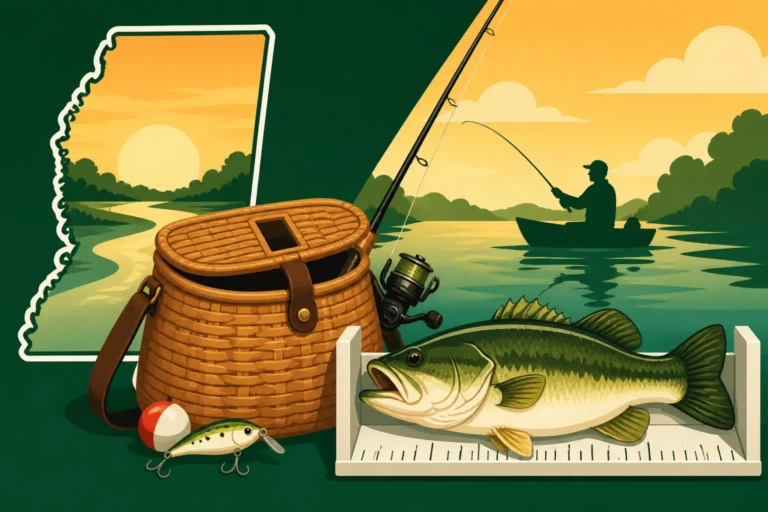
Measuring your fish accurately is paramount. A simple ruler or a measuring board that can be easily attached to your boat or tackle box is essential. Many anglers keep a measuring board handy; you can find various models on Amazon that are durable and easy to use. When measuring, lay the fish flat on the board with its mouth closed and against the bump at the end, then read the length to the tip of the tail, taking care not to squeeze the tail. If you're even a fraction of an inch under the legal limit, it's best to release the fish. Keeping an undersized fish, even by accident, can lead to fines and citations, which nobody wants after a relaxing day on the water.
Lake-Specific Black Bass Regulations and Exceptions
While Mississippi has general statewide black bass regulations, many of its most popular and productive fishing lakes have their own unique rules. These lake-specific regulations are put in place by the MDWFP to manage fish populations more effectively, often to protect trophy fisheries, encourage faster growth rates, or address specific biological concerns within that particular body of water. Ignoring these localized rules is a common mistake that can lead to disappointment or even legal trouble.
Notable Reservoirs with Special Bass Rules
Some of Mississippi's premier fishing destinations, particularly the large Corps of Engineers reservoirs, often feature special black bass regulations. For instance, Ross Barnett Reservoir, a popular spot near Jackson, has a reputation for excellent bass fishing. While the statewide 10-fish limit generally applies, Ross Barnett has a 16-inch minimum length limit for largemouth bass. This means any largemouth under 16 inches must be released. This higher minimum size helps protect juvenile bass, allowing them to grow larger and contribute to the lake's reputation for bigger fish. Our Ross Barnett Reservoir Fishing Guide provides more insights into fishing this fantastic lake.
Another prime example is Pickwick Lake, located in the very northeastern corner of the state, bordering Alabama and Tennessee. This lake is renowned for its smallmouth bass fishery, but it also holds an abundance of largemouth and spotted bass. Due to its unique location and interstate waters, Pickwick Lake’s black bass regulations can be particularly intricate, often aligning with the reciprocal agreements Mississippi has with Alabama and Tennessee. Typically, you might find a 15-inch minimum size for largemouth and smallmouth bass, with a combined daily limit that might differ from the statewide Mississippi rule, often 10 bass with only one over 22 inches for smallmouth. Always check the MDWFP's annual fishing guide or their website for the most current rules specific to Pickwick, as these interstate agreements can sometimes see minor adjustments.
Then there are lakes like Grenada Lake, Sardis Lake, Enid Lake, and Arkabutla Lake, collectively known as Mississippi's "flood control lakes." While these are primarily famous for crappie, they also offer fantastic bass fishing. For these lakes, regulations are generally consistent with the statewide 10-fish limit and 12-inch minimum for largemouth. However, always double-check, as MDWFP biologists continually monitor populations and may implement specific measures if needed. These variations are critical because what's legal on one lake might not be on another, making local knowledge or a current regulations guide absolutely essential.
Understanding Slot Limits and Their Purpose
One of the more nuanced regulations you might encounter is a "slot limit." A slot limit is a size restriction that dictates anglers must release any fish caught within a specific length range, or "slot." For example, a common slot limit might be "no keeping bass between 14 and 18 inches." This means you can keep bass under 14 inches and bass over 18 inches, but anything in that 14-to-18-inch slot must be immediately released.
The purpose of a slot limit is often to protect a specific segment of the fish population, usually the sexually mature, fast-growing fish that are crucial for reproduction. By protecting these "middle-sized" fish, fisheries managers aim to ensure these fish have ample opportunity to spawn multiple times, thereby increasing the overall health and population of the species. It also encourages anglers to harvest smaller, more abundant fish, which can help reduce competition for food and allow the protected slot-sized fish to grow even larger, eventually becoming trophy-sized fish that are legal to keep.
Fishing a lake with a slot limit requires a slightly different mindset. You might be accustomed to keeping anything over a certain size, but with a slot limit, you need to be precise with your measurements and be prepared to release healthy fish that would otherwise be legal in a different body of water. For example, if you're fishing a lake with a 14-18 inch slot, and you've just landed a beautiful 16-inch largemouth, it can be tough to put it back. However, doing so contributes directly to the long-term health of that specific fishery. Always carry a reliable measuring device and know the specific slot limits before you cast your first line. It's truly a management tool that benefits everyone in the long run, leading to healthier and more robust bass populations.
Tools and Resources for Staying Compliant
Being a responsible angler goes beyond just knowing the rules; it also means having the right tools and knowing where to find the most current information. Regulations can change, and having accurate measuring devices and readily accessible resources is key to enjoying your time on the water without worry.
Essential Gear for Measuring and Releasing Fish
To accurately comply with length limits, a reliable measuring device is non-negotiable. A simple, durable measuring board is a wise investment. These boards typically feature a bumper at one end where the fish's nose is placed, and clear markings up to 30 inches or more. Look for models made from sturdy plastic or aluminum that won't warp in the sun or get damaged easily. Many anglers prefer boards that float, just in case they accidentally drop it overboard! You can find a wide variety of measuring boards on Amazon, often with bright, easy-to-read markings.
Beyond just measuring, proper catch-and-release techniques are vital, especially when you're fishing in waters with strict size or slot limits. A good pair of long-nose pliers or a de-hooking tool can make removing hooks much easier and minimize stress on the fish, particularly if it's deeply hooked. Landing nets with rubberized mesh are also excellent, as they are gentler on a fish's delicate slime coat and fins than traditional nylon nets, reducing injury during the landing process. Keeping your hands wet when handling fish also helps protect their slime coat, which is their primary defense against disease.
Finally, while not directly related to compliance, a good pair of scales can come in handy for documenting your catch, especially if you're participating in a tournament or just want to know the weight of that lunker you just caught before you release it. Digital scales are widely available and offer precise readings. Equipping yourself with these basic tools not only helps you adhere to the regulations but also promotes the health and sustainability of the fishery for years to come.
Official Sources for Up-to-Date Regulations
The single most important resource for staying informed about Mississippi's black bass regulations, or any fishing regulations for that matter, is the Mississippi Department of Wildlife, Fisheries, and Parks (MDWFP). They are the official authority for all hunting and fishing laws in the state. Each year, the MDWFP publishes a comprehensive fishing guide, which is available both online on their official website and in print at most bait shops, sporting goods stores, and MDWFP offices across the state.
The MDWFP website is an invaluable tool. It offers the most current information, including any emergency regulation changes that might occur outside of the annual guide's publication cycle. It also provides detailed maps, stocking reports, and contact information for local fisheries biologists who can answer specific questions. Getting into the habit of checking the MDWFP website before heading out, especially if you're visiting a new lake or haven't fished in a while, is a golden rule for responsible anglers. The information found in the Mississippi Fishing Regulations Explained guide is a great place to start, but always cross-reference with the official MDWFP site.
Never rely solely on word-of-mouth or outdated guides. Regulations can and do change for various reasons—population health, environmental factors, or new management strategies. For example, a slot limit might be introduced or removed from a lake based on the latest biological surveys. Being caught unaware of a change, even if unintentional, can result in penalties. Many anglers even download the MDWFP fishing guide PDF to their phones or tablets, so they have it accessible even when out of cell service. Staying informed through official channels protects both you and the valuable natural resources Mississippi offers.
Best Practices for Sustainable Black Bass Fishing
Beyond simply following the rules, truly great anglers embody a spirit of conservation. Sustainable fishing isn't just a buzzword; it's a commitment to ensuring that future generations can enjoy the same incredible fishing experiences we do today. This involves thoughtful catch and release techniques and understanding our role in the broader ecosystem.
Catch and Release Strategies for Black Bass
Even if you plan to keep a limit of fish, many anglers practice catch and release for a significant portion of their day, especially if they're targeting trophy-sized bass or simply enjoying the sport. The key to successful catch and release is minimizing stress and injury to the fish. The faster you can get a fish back into the water, the better its chances of survival.
When you land a bass, handle it gently. Avoid placing it on hot surfaces or dry ground. If possible, keep the fish in the water while unhooking it. If you need to bring it into the boat for a quick photo or measurement, use wet hands to minimize the removal of its protective slime coat. Support the fish horizontally, especially larger bass, to avoid damaging its jaw or internal organs. Gripping a large bass vertically by the jaw can put undue strain on its spine and internal structures, leading to delayed mortality.
For deeply hooked fish, it’s often best to cut the line as close to the hook as possible rather than trying to remove the hook, especially if it means tearing delicate tissues. Many hooks are made of materials that will rust and dissolve over time. Using barbless hooks or crushing the barbs on your hooks can also significantly reduce trauma and make unhooking much quicker and easier. Remember, every released fish is a potential future catch or a contributor to the spawning population, so treating them with care is paramount.
The Role of Anglers in Conservation
Every angler plays a vital role in the conservation of Mississippi's fisheries. By adhering strictly to regulations—limits, sizes, and any special lake rules—we directly contribute to population health. These rules aren't arbitrary; they are developed by fisheries biologists based on extensive research and data to maintain ecological balance and ensure long-term fishing opportunities. Think of it as investing in your passion.
Beyond simple compliance, true conservation-minded anglers often go a step further. This can include picking up litter at boat ramps and shorelines, educating fellow anglers (respectfully, of course!) about proper techniques or current regulations, and even participating in local conservation groups or volunteer efforts. Reporting suspicious activities, like individuals taking over their limit or using illegal fishing methods, to the MDWFP is also a critical part of protecting our shared resources. For example, if you see someone with more than the Mississippi Black Bass Daily Limit, it's important to report it to the authorities.
Consider how your equipment choices impact the environment. Using lead-free weights, for instance, can prevent lead poisoning in waterfowl. Being mindful of invasive species and preventing their spread by cleaning your boat and gear between different bodies of water is another crucial aspect. Ultimately, the health of Mississippi's incredible black bass fishery rests on the collective actions of its anglers. By being informed, responsible, and proactive, we can ensure that the thrill of hooking a Mississippi bass remains a cherished experience for generations to come.
Frequently Asked Questions About Black Bass Rules
Even seasoned anglers sometimes have questions about specific rules or scenarios. Fishing regulations, while designed to be clear, can sometimes have nuances that lead to common queries. Let's tackle some frequently asked questions about black bass rules in Mississippi.
Do Kids Need a Fishing License for Black Bass?
This is a question that comes up a lot, especially for families introducing children to the joys of fishing. In Mississippi, children under the age of 16 are generally exempt from needing a fishing license. This is a wonderful initiative by the state to encourage youth participation in outdoor activities and foster a love for fishing from a young age. So, if you've got a little one eager to cast a line for black bass, you don't need to worry about purchasing a license for them.
However, even though they don't need a license, children are still expected to abide by all other fishing regulations, including daily creel limits and size restrictions for black bass. If your child catches a bass under the legal size limit for a particular lake, it still needs to be released. This teaches them responsibility and respect for conservation from an early age. Our dedicated guide, Do Kids Need a Fishing License in Mississippi?, offers a more detailed look into youth fishing license rules and exemptions.
It's also worth noting that this exemption applies to recreational fishing. If a child were to participate in a fishing tournament that has specific licensing requirements for prize eligibility, or if they are involved in certain commercial fishing activities (which is highly unlikely for black bass), then different rules might apply. But for a casual day of fishing with family and friends, kids under 16 are good to go without a license. It’s a fantastic way to bond and create lasting memories without the added bureaucratic step.
What Happens If You Violate Black Bass Regulations?
Nobody wants to find themselves on the wrong side of the law, especially when it comes to a recreational activity they love. Violating Mississippi's black bass regulations can lead to various penalties, depending on the severity of the offense and whether it's a first-time or repeat infraction. The goal of enforcement isn't just punishment, but deterrence and protection of the state's natural resources.
Minor violations, such as keeping one or two undersized fish or going slightly over the daily limit, might result in a citation and a fine. These fines can vary but are typically in the range of several hundred dollars. Additionally, any illegally taken fish will be confiscated. It's a costly lesson, both financially and emotionally, to have your day on the water end with a ticket. The MDWFP takes these rules seriously because cumulative violations by many anglers can quickly decimate a fish population.
More severe or repeat offenses can lead to much harsher penalties, including significant fines, confiscation of fishing equipment (including boats and motors in extreme cases), and even suspension or revocation of your fishing license. A revoked license means you won't be able to legally fish in Mississippi for a specified period, which can be devastating for passionate anglers. Furthermore, if you’re caught without a valid fishing license (if required for your age), that’s a separate offense with its own set of fines. Understanding these consequences, which are outlined in our Mississippi Fishing License Penalties and Fines article, truly underscores the importance of familiarizing yourself with and respecting all fishing regulations before you head out. It’s always better to be safe than sorry when it comes to conservation laws.
Mississippi Black Bass Regulations Summary Table
To help you quickly reference some of the key black bass regulations in Mississippi, here's a summary table. Please remember that this table provides general guidelines, and it is essential to consult the current MDWFP fishing guide or their official website for the most up-to-date and specific regulations for the body of water you plan to fish.
| Regulation Aspect | Statewide General Rule (Most Waters) | Specific Lake Examples/Exceptions | Notes |
|---|---|---|---|
| Daily Creel Limit | 10 Black Bass (Largemouth, Smallmouth, Spotted combined) | Some interstate waters (e.g., Pickwick) may have specific combined limits with neighboring states. | Refers to fish kept in possession while actively fishing or transporting. |
| Largemouth Bass Size | 12-inch Minimum Length | Ross Barnett Reservoir: 16-inch Minimum Length. Pickwick Lake: Typically 15-inch Minimum Length. |
Fish under the minimum must be immediately released. |
| Smallmouth Bass Size | No Statewide Minimum Length | Pickwick Lake: Typically 15-inch Minimum Length, with only one over 22 inches. | Common in cooler, rocky waters, mostly in NE Mississippi. |
| Spotted Bass Size | No Statewide Minimum Length | No widespread specific size exceptions, generally follow statewide creel. | Often coexists with Largemouth in reservoirs. |
| Slot Limits | Not generally applied statewide | Applied to specific lakes for conservation purposes; e.g., "no keeping bass between 14-18 inches." | Release fish within the specified "slot" size. |
| License Requirement | Required for residents 16-64, non-residents 16 and over. | Exemptions for youth under 16, certain seniors, and disabled veterans. | Always verify your specific license needs. |
Disclaimer
The information provided in this guide is for general informational purposes only and is not a substitute for official legal advice or current regulations. Fishing regulations in Mississippi are subject to change by the Mississippi Department of Wildlife, Fisheries, and Parks (MDWFP). Always consult the most recent official MDWFP fishing guide or their website before engaging in any fishing activities to ensure compliance with all applicable laws and regulations.