Pascagoula Fishing Charters
The anticipation of a great fishing trip to Mississippi’s Gulf Coast can quickly turn into a headache when you realize just how many options there are, especially in a vibrant fishing hub like Pascagoula. Trying to figure out the best captains, what fish are biting, and what kind of trip is right for you can feel like wading through murky water. This guide is here to clear things up, helping you understand the ins and outs of Pascagoula fishing charters so you can book your perfect day on the water with confidence.
Why Choose a Fishing Charter in Pascagoula?
Pascagoula, with its unique blend of industrial port activity and pristine marshlands, offers an incredible gateway to both inshore and offshore fishing experiences. While it might be tempting to just rent a boat and head out yourself, there's an undeniable advantage to stepping aboard a professional fishing charter. It’s not just about the boat; it's about tapping into a wealth of local knowledge and expertise that can transform a good fishing day into an unforgettable one.
Tapping into Local Expertise
Think of your charter captain as a walking, talking fishing encyclopedia for the Pascagoula area. These folks spend countless hours on these waters, learning the tides, the currents, the seasonal movements of fish, and even the subtle signs that indicate where the fish are hiding. They know which oyster reefs are holding speckled trout, which bayous are brimming with redfish, and where the big snapper are lurking offshore.
For instance, you might spend hours trying to locate a productive spot for flounder without success. A seasoned captain, however, knows exactly which sandy bottoms near jetties or marsh edges the flounder prefer, especially during outgoing tides. Their knowledge isn't just about hot spots; it's about understanding the entire ecosystem, the baitfish patterns, and how weather changes impact the bite. This insight is invaluable, especially if you're visiting and don't have weeks to scout the waters yourself. They'll put you on fish faster, ensuring your precious time on the water is spent reeling them in, not searching for them.
A Hassle-Free Fishing Experience
One of the biggest joys of a charter trip is the sheer convenience. Imagine showing up at the dock, stepping onto a clean, well-maintained boat, and finding all the rods, reels, bait, and tackle already taken care of. There's no need to worry about packing your own gear, buying live bait, or even figuring out the local Mississippi Fishing Regulations Explained. Your captain handles the boat launch, the navigation, and all the nitty-gritty details.
This ease allows you to fully immerse yourself in the fishing experience. You can focus on casting, enjoying the scenery, and making memories with your family or friends, rather than stressing over logistics. If you're traveling from out of state or simply don't have a full arsenal of fishing equipment, a charter removes those barriers entirely. It's truly a grab-and-go adventure, with the professional handling everything from the moment you step aboard until you're back on solid ground, often with a cooler full of freshly filleted fish.
Access to Specialized Equipment and Safety
Professional fishing charters come equipped with far more than just rods and reels. They often have high-end electronics like fish finders, GPS systems, and radar, which are crucial for navigating and locating fish efficiently, especially in deeper, offshore waters. Many offshore boats also feature specialized outriggers for trolling, downriggers for precise depth control, and sturdy fighting chairs for battling larger game fish.
Beyond the fishing gear, safety is paramount. Charter boats are typically inspected, licensed, and equipped with all the necessary safety gear, including life jackets for all passengers, first-aid kits, communication devices, and emergency positioning beacons. Your captain is not just an expert angler; they are also a trained mariner with certifications in CPR and first aid, and extensive experience navigating challenging conditions. This level of preparedness offers incredible peace of mind, allowing you to focus on the thrill of the catch knowing you’re in capable hands.
Types of Fishing Charters Available in Pascagoula
Pascagoula’s unique geography—its close proximity to marshy bayous, the vast Mississippi Sound, and the open waters of the Gulf of Mexico—means you have a fantastic variety of fishing charter experiences to choose from. Each type of trip offers something a little different, targeting distinct species and employing unique techniques. Knowing these differences will help you decide which adventure is perfect for your group.
Inshore Charters: The Marsh and Bay Adventure
Inshore fishing charters in Pascagoula focus on the calmer, shallower waters of the bayous, estuaries, and Mississippi Sound. These trips are fantastic for anglers of all skill levels, including families with younger children, as the waters are generally protected from the choppier conditions found further out. The scenery is often breathtaking, with lush marsh grass, abundant birdlife, and the thrill of sight-fishing in clear, shallow water.
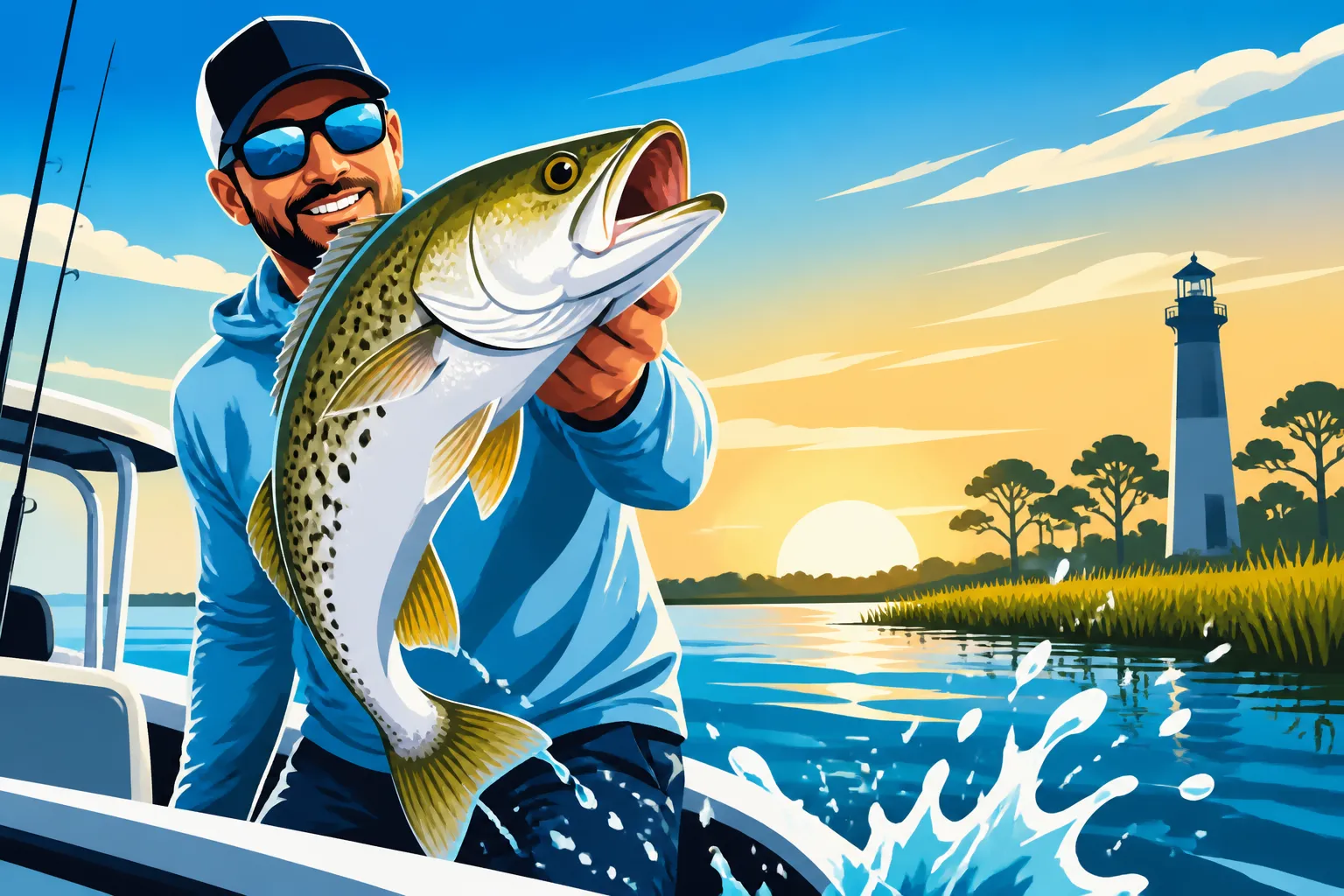
On an inshore trip, you'll typically target popular species like speckled trout, redfish, and flounder. Your captain might take you to fish around oyster reefs, along marsh edges, or near the mouths of creeks where baitfish gather. Techniques often include casting artificial lures like soft plastics under popping corks, or fishing with live shrimp or croakers. The action can be fast and furious, with multiple hookups common. For those looking for a relaxed yet action-packed day, an inshore charter is an excellent choice. Many captains specialize in finding those elusive Best Spots to Catch Speckled Trout on the Mississippi Coast or stalking bull Best Spots to Catch Redfish on the Mississippi Coast in the skinny water.
Nearshore Charters: Exploring Reefs and Jetties
Nearshore charters bridge the gap between inshore and offshore fishing. These trips venture a bit further out into the Mississippi Sound, often targeting structures like artificial reefs, natural bottom formations, and jetties that are within a few miles of the coastline. The waters here can be a bit choppier than inshore, but generally less so than truly offshore excursions.
The species you'll encounter on a nearshore trip are diverse, often including larger speckled trout and redfish, as well as species like sheepshead, black drum, flounder, and sometimes even Spanish mackerel or king mackerel, depending on the season. These trips are great for anglers who want a bit more variety in their catch and don't mind a slightly longer boat ride. It’s also an excellent option if you're looking for different fishing techniques, such as bottom fishing with cut bait or slow-trolling spoons. The challenge of fishing around structure adds another layer of excitement, and a good captain knows the coordinates to all the productive spots.
Offshore Charters: Deep Sea Thrills
For the ultimate fishing adventure, offshore charters take you out into the open waters of the Gulf of Mexico, often traveling many miles from shore. These are typically longer trips, often full-day or even extended multi-day excursions, and they require a more robust vessel designed to handle bigger seas. Offshore fishing is a bucket-list item for many anglers, offering the chance to battle truly powerful game fish.
The target species here are legendary: red snapper, amberjack, grouper, king mackerel, cobia, and even pelagic species like mahi-mahi (dolphin), tuna, and wahoo, depending on the season and how far out you go. Different techniques are used, including bottom fishing over wrecks and artificial reefs, trolling lures for pelagics, or kite fishing for specific species. These trips are physically demanding but incredibly rewarding, offering the chance at trophy-sized fish and an unforgettable deep-sea experience. Remember to check seasonal regulations, especially for popular species like Red Snapper Season Dates in Mississippi, which can vary year by year. Platforms like FishingBooker often list captains specializing in these deep-sea adventures and outline what species are in season.
What to Consider When Booking a Pascagoula Charter
Booking a fishing charter shouldn't be a spur-of-the-moment decision. To ensure you have the best possible experience, there are several key factors you'll want to think through before you commit. Each choice will influence the cost, the comfort, and the overall type of fishing adventure you’ll have. Taking a moment to consider these aspects will help you match your expectations with what the charter can deliver.
Trip Length: Half-Day vs. Full-Day Adventures
One of the first decisions you'll face is how long you want to be on the water. Most Pascagoula charters offer both half-day and full-day options, and sometimes even extended trips for offshore excursions.
A half-day charter, typically 4-5 hours, is often perfect for beginners, families with young children, or those who want a taste of fishing without committing to a full day. These trips usually focus on inshore or nearshore fishing, allowing enough time to get to a good spot, catch some fish, and return without anyone getting too tired or seasick. They are generally more affordable and can be a great way to introduce someone to the sport. While you might not target as many species or reach the furthest fishing grounds, you can still have plenty of action and take home a nice cooler of fish.
A full-day charter, usually 8 hours or more, offers a more comprehensive fishing experience. This extra time allows the captain to travel further, explore more fishing spots, and target a wider variety of species or go for bigger fish. If you’re serious about a particular species, want to experience offshore fishing, or simply can’t get enough time on the water, a full-day trip is often worth the investment. It provides ample time to settle in, adjust to conditions, and really dial into the bite. Be prepared for a longer day, potentially with more sun exposure and motion. When you're looking, many listing services like FishingBooker clearly delineate half-day versus full-day options, making it easy to compare.
Group Size: Private vs. Shared Experiences
Your group size will largely dictate whether a private or shared charter is the best fit.
Private charters mean you and your chosen companions have the entire boat and captain to yourselves. This offers the most flexibility; you can often discuss your target species, preferred fishing style, and schedule directly with the captain. It’s ideal for families, friends, or corporate groups who want a personalized experience and don't want to share the boat with strangers. The cost for a private charter is for the entire boat, not per person, so it can be more economical for larger groups but more expensive for just one or two anglers. This allows for dedicated attention from the captain and deckhand, making it excellent for learning new techniques or if you have specific goals in mind.
Shared charters, sometimes called "head boats" or "party boats," are where you pay per person and join other anglers on a larger vessel. These are typically more budget-friendly and are a good option for solo anglers or small groups who don't want to pay for a whole private boat. While you'll share the fishing space, these trips can still be a lot of fun, offering a social atmosphere and the chance to meet other fishing enthusiasts. However, flexibility is limited; the captain will have a general plan for the day and target species, and you'll share the deck and the captain's attention with others. For deep-sea trips where a large, stable boat is required, shared charters are a common and cost-effective way to get offshore.
Target Species: What Do You Want to Catch?
Before you book, think about what kind of fish you're hoping to catch. Do you dream of wrestling a trophy Largemouth Bass Fishing in Mississippi (though typically an inshore freshwater target, some brackish areas can hold them) or pulling up a behemoth Red Snapper Fishing on the Mississippi Coast? Pascagoula offers incredible diversity, but not every charter targets every species.
Some captains specialize in specific types of fishing, like fly fishing for redfish in the marshes, or deep dropping for snapper and grouper offshore. If you have a specific target in mind, communicate that clearly when you’re booking. A good charter captain will be upfront about the likelihood of catching your desired species based on the time of year, prevailing conditions, and the length of your trip. This ensures you're setting realistic expectations and booking with a captain whose expertise aligns with your fishing goals. Don't be shy about asking about their success rates for certain fish or if they have particular expertise in Cobia Fishing on the Mississippi Coast during its prime season.
Licensing and Regulations
It’s easy to overlook, but understanding the licensing requirements is crucial. You might wonder, Does a Mississippi Fishing Charter Include the License? The answer is usually no, not your individual fishing license. While the charter boat itself will be properly licensed and permitted, individual anglers are generally responsible for purchasing their own Mississippi fishing license.
For most recreational fishing in Mississippi, whether in freshwater or saltwater, you'll need a valid license. If you're fishing saltwater, you'll specifically need a Mississippi Saltwater Sportfishing License. Most charters will confirm this requirement when you book, but it’s always best to check beforehand. Licenses can often be purchased online through the Mississippi Department of Wildlife, Fisheries, and Parks (MDWFP) website, or from authorized license vendors like bait shops. This is a common point of confusion, so clarify it to avoid any last-minute surprises on the day of your trip. Ensure you have the proper Mississippi Fishing License Guide to avoid any penalties.
What to Expect on Your Pascagoula Fishing Trip
Once you've decided on the type of charter and booked your adventure, the next step is knowing what to expect when you finally step onto the boat. From the gear provided to the potential fish you'll reel in, having a clear picture of the day ahead can help you relax and fully enjoy the experience.
All Gear and Bait Provided
One of the biggest conveniences of booking a Pascagoula fishing charter is that almost everything you need for fishing is provided. You won't have to worry about bringing your own rods, reels, or tackle box. The captain and crew will have a selection of high-quality, well-maintained equipment suitable for the species you're targeting and the conditions of the day. This includes different rod and reel setups, an assortment of lures, and a plentiful supply of fresh or live bait.
Whether you're casting live shrimp for speckled trout in the marshes or dropping heavy rigs with squid for snapper offshore, your guide will have the right bait and tackle on hand. They often purchase fresh bait right before your trip to ensure maximum effectiveness. This also means you don't have to worry about the cost or hassle of sourcing bait yourself, which can be a significant time-saver and expense. If you have a favorite lucky lure or specific technique you'd like to try, it's always worth asking your captain if you can bring your own gear, but rest assured, you'll be well-equipped either way.
Fish Cleaning and What Happens to Your Catch
You've spent hours battling fish, and now you have a cooler full of delicious potential dinners. What happens next? On most Pascagoula fishing charters, the captain or deckhand will clean and fillet your catch for you at the end of the trip. This is a fantastic service, as cleaning fish can be a messy and time-consuming task, especially after a long day on the water.
They'll typically bag your fillets, often on ice, making them ready for you to take home and cook. While this service is usually included, a generous tip for the crew is always appreciated for their hard work. It’s always a good idea to bring your own cooler (empty) to transport your fresh fillets home, keeping them chilled and protected. Some charters might even have vacuum sealing services available for a small fee if you plan to freeze your catch for longer periods. Just be sure to double-check creel and Mississippi Fishing Creel and Size Limits to ensure all fish kept are legal and within regulated sizes.
Common Fish You'll Encounter
The Mississippi Gulf Coast boasts an incredible diversity of fish species, ensuring that there’s always something biting. Your target species will heavily depend on whether you're doing an inshore, nearshore, or offshore trip, as well as the time of year.
Inshore: Expect to encounter plenty of speckled trout, known for their aggressive strikes and delicious meat, especially around structure and oyster reefs. Redfish are another prime target, celebrated for their powerful fights and willingness to hit a variety of baits and lures in shallow marsh areas. Flounder are often found ambushing baitfish along sandy bottoms and can provide a fun challenge. You might also hook into black drum, sheepshead, or various panfish.
Nearshore: In addition to larger trout and redfish, nearshore trips often yield Spanish mackerel and king mackerel, which are fast-moving predators often found around reefs and jetties. You might also find cobia, especially during their migratory runs, and a variety of bottom fish over artificial reefs.
Offshore: Here, the stakes get higher. Red snapper are a highly prized catch, offering strong fights and excellent table fare. Amberjack are renowned for their incredible strength, often called "reef donkeys" for a reason. Various grouper species, triggerfish, and tilefish are also common bottom dwellers. For those trolling further out, mahi-mahi, tuna, and wahoo provide adrenaline-pumping action. Remember that many offshore species have strict seasons and bag limits, so Mississippi Fishing Season Dates and Limits will be closely followed by your captain.
Here's a quick look at some common targets:
| Charter Type | Primary Target Species | Secondary Target Species | Typical Techniques |
|---|---|---|---|
| Inshore | Speckled Trout, Redfish | Flounder, Black Drum | Live bait, artificial lures, popping corks |
| Nearshore | King Mackerel, Cobia | Spanish Mackerel, Sheepshead | Trolling, bottom fishing, sight casting |
| Offshore | Red Snapper, Amberjack | Grouper, Mahi-Mahi, Tuna | Bottom fishing, trolling, jigging |
Essential Tips for a Smooth Pascagoula Charter Experience
You've got your charter booked, you know what to expect, but a little extra preparation can go a long way in ensuring your day on the water is as enjoyable and comfortable as possible. From what to bring in your bag to how to show appreciation for your crew, these tips will help you make the most of your Pascagoula fishing adventure.
What to Pack and Wear
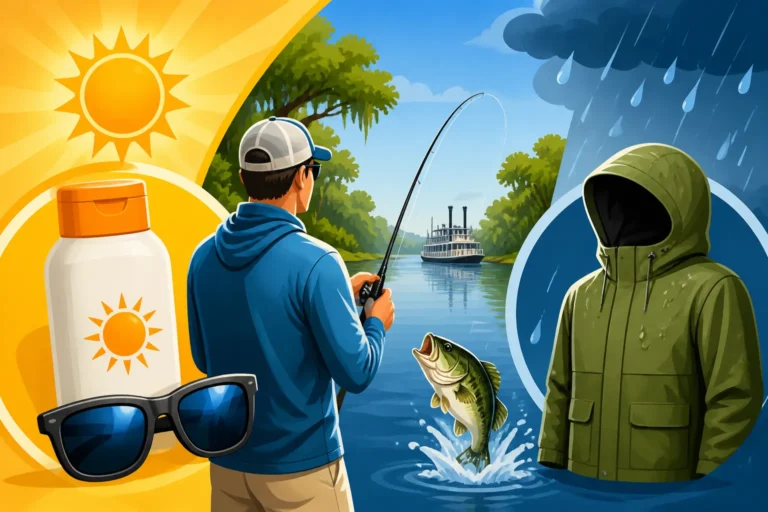
Being prepared for a day out on the water in Mississippi's variable climate is key. Even on a seemingly calm day, the sun can be intense, and weather can change quickly.
- Sun Protection: This is non-negotiable. Bring plenty of high SPF sunscreen, a wide-brimmed hat, and sunglasses (polarized are best for spotting fish). Long-sleeved, lightweight shirts with UPF protection are also highly recommended to shield your skin from the relentless sun.
- Appropriate Clothing: Dress in layers. Even if it starts warm, mornings can be cool, and offshore breezes can be brisk. Quick-drying fabrics are always a good choice. Avoid heavy cotton if possible, as it stays wet and uncomfortable.
- Footwear: Wear comfortable, non-slip shoes with good grip. Flip-flops might seem appealing, but boat decks can get wet and slippery. Closed-toe shoes also protect your feet from hooks, scales, and dropped gear.
- Food and Drinks: While some charters might offer bottled water, it's generally a good idea to bring your own snacks, sandwiches, and plenty of water or other non-alcoholic beverages. A small cooler packed with your favorites will be welcome after reeling in fish. Just confirm with your captain if there are any restrictions on bringing your own cooler or drinks. Can You Bring Your Own Cooler on a Charter? is a common question, and usually, the answer is yes, within reason.
- Medication: If you take any personal medications, don't forget them. This is especially true for motion sickness remedies.
Avoiding Seasickness
For many, the biggest fear of a boat trip is seasickness. It can quickly turn an exciting day into a miserable one. However, there are proactive steps you can take to minimize your chances of feeling queasy.
- Preventative Medication: Consider taking over-the-counter motion sickness medication like Dramamine or Bonine the night before and again in the morning of your trip. Don't wait until you feel sick; these medications work best when taken proactively.
- Ginger: Natural remedies like ginger chews, ginger ale, or ginger capsules can also help soothe your stomach.
- Stay Hydrated and Eat Light: Avoid greasy or heavy foods before your trip. Opt for a light, bland breakfast. Stay well-hydrated, but steer clear of excessive alcohol or caffeine, which can dehydrate you.
- Fresh Air and Horizon: Once on the boat, try to stay on deck in the fresh air and keep your eyes fixed on the horizon. Avoid reading or looking at your phone for extended periods, as this can disorient your inner ear.
- Talk to Your Captain: If you start to feel unwell, let your captain or deckhand know immediately. They often have tricks or suggestions that can help, and they might be able to adjust the boat's position or speed if necessary. Some captains keep emergency ginger ale or crackers on board.
Tipping Etiquette for the Crew
Just like in other service industries, tipping your charter captain and crew is customary and highly appreciated. These professionals work incredibly hard to ensure you have a safe, successful, and enjoyable trip. They put in long hours preparing the boat, maintaining gear, buying bait, guiding you to fish, and cleaning your catch.
A standard tip ranges from 15% to 20% of the total charter cost. If they went above and beyond—like working extra hard to find fish in tough conditions, being exceptionally patient with kids, or providing exceptional service—consider tipping on the higher end of that scale. Present your tip in cash directly to the captain at the end of the trip. If there's a first mate, the captain will ensure they get their share. This gesture shows your appreciation for their expertise and hard work and is a vital part of their income. For more details, check out our guide on Tipping Etiquette for Mississippi Fishing Guides.
Choosing a Reputable Charter
In Pascagoula, you'll find a variety of charter operations, from independent captains to larger booking services. To ensure a positive experience, it’s wise to do a bit of homework.
Look for captains who are properly licensed and insured, which ensures they meet safety standards and are operating legally. Reading reviews from previous customers on platforms like FishingBooker can offer valuable insights into a captain's communication style, fishing success, boat condition, and overall professionalism. Pay attention to how they respond to questions or concerns. A captain with a track record of good communication, safety, and putting clients on fish is always the best bet. Don't hesitate to ask questions before booking, such as What's Included in a Mississippi Charter Trip or what their cancellation policy is for bad weather. A clear, honest captain will be happy to provide all the information you need.
Disclaimer
This article is for general informational purposes only and does not constitute professional advice. Laws, prices and regulations vary by location and change over time. Consult a qualified professional for guidance on your specific situation.